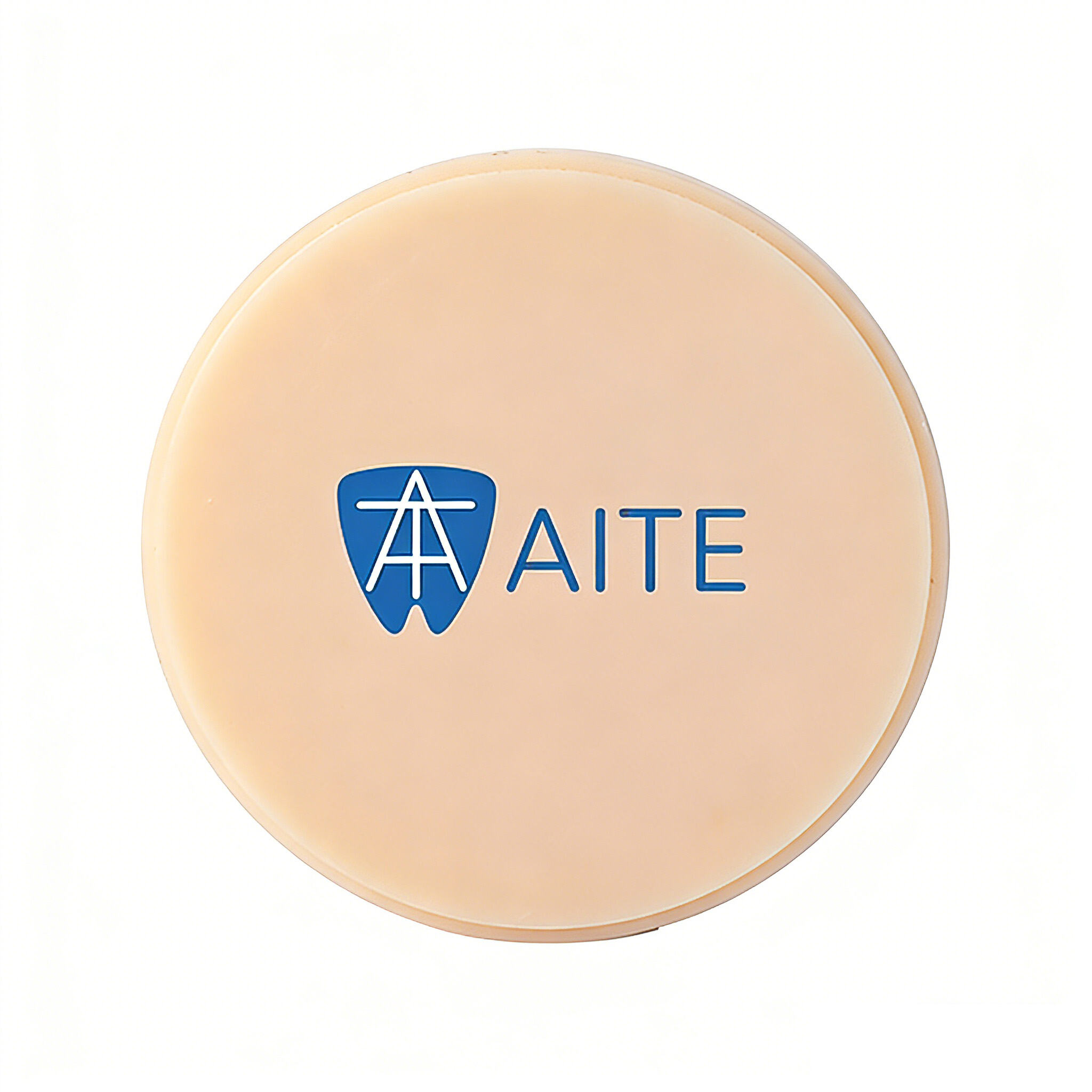
Dental PMMA for Bridges: Advanced Biocompatible Solutions for Durable Tooth Restoration

All Categories

Get a Free Quote

Our representative will contact you soon.
Email
Name
Company Name
Message
0/1000

dental pmma for bridges

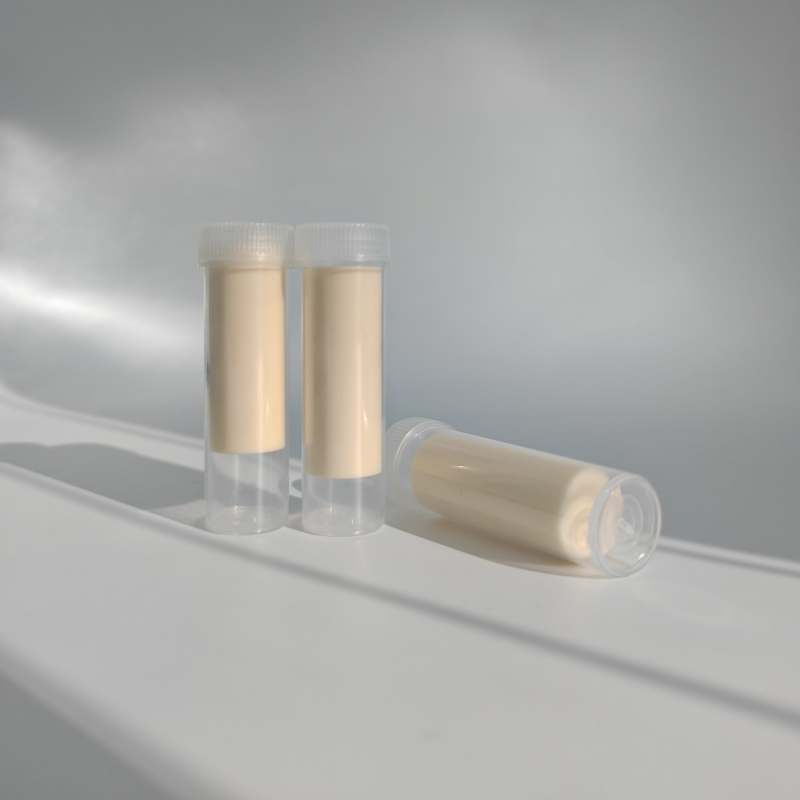
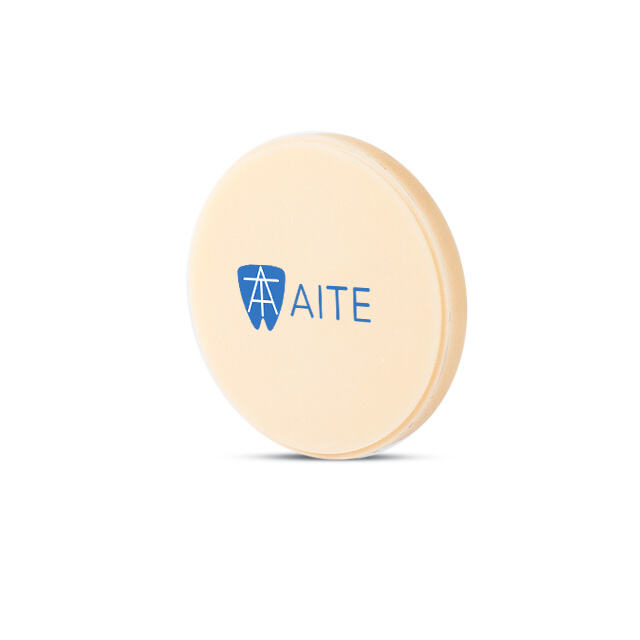
Dental PMMA for bridges represents a revolutionary advancement in restorative dentistry, offering practitioners and patients a sophisticated solution for replacing missing teeth. PMMA, or polymethyl methacrylate, serves as the foundation material for creating durable, aesthetic dental bridges that restore both function and appearance. This biocompatible thermoplastic material has transformed modern dental practice through its exceptional properties and versatile applications. The primary function of dental PMMA for bridges centers on providing temporary or permanent tooth replacement solutions that seamlessly integrate with existing dental structures. This advanced material enables dentists to craft custom bridges that match natural tooth color, shape, and translucency, ensuring patients maintain their confident smile throughout treatment. Technological features of dental PMMA for bridges include superior dimensional stability, which prevents warping or distortion over time. The material exhibits excellent mechanical properties, including high flexural strength and impact resistance, making it suitable for withstanding daily chewing forces. Its low water absorption rate ensures long-term stability and color consistency, while its smooth surface finish reduces bacterial adhesion and promotes oral hygiene. The polymerization process allows for precise control over hardness and flexibility, enabling customization based on specific patient needs. Applications of dental PMMA for bridges extend across various clinical scenarios, from single-tooth replacement to full-arch reconstruction. Dental professionals utilize this material for creating interim bridges during healing periods, as well as permanent solutions for patients seeking cost-effective tooth replacement. The material proves particularly valuable in implant-supported bridge construction, where its compatibility with titanium components enhances overall treatment success. Emergency dental situations benefit significantly from dental PMMA for bridges due to rapid fabrication capabilities, allowing same-day restoration in many cases. The versatility extends to pediatric dentistry, where biocompatibility and ease of modification make it ideal for growing patients requiring temporary solutions.
New Product Recommendations

The advantages of dental PMMA for bridges deliver substantial practical benefits that directly improve patient experiences and treatment outcomes. First, the material offers exceptional aesthetic results that closely mimic natural tooth appearance. Patients receive bridges that blend seamlessly with their existing teeth, maintaining facial harmony and boosting self-confidence. The color stability ensures long-lasting beauty, preventing the yellowing or discoloration common with inferior materials. Cost-effectiveness represents another significant advantage, making quality dental restoration accessible to more patients. Dental PMMA for bridges provides excellent value by combining durability with affordability, reducing the financial burden associated with tooth replacement. This economic benefit allows patients to invest in their oral health without compromising their budget. The rapid fabrication process delivers immediate relief for patients suffering from missing teeth. Dental laboratories can produce custom bridges quickly, often within the same day, minimizing the time patients spend without proper tooth function. This speed particularly benefits emergency cases where immediate restoration is crucial for patient comfort and oral health maintenance. Biocompatibility ensures patient safety and comfort throughout the treatment process. Dental PMMA for bridges causes minimal tissue irritation, reducing inflammation and promoting faster healing around the restoration site. This gentle interaction with oral tissues makes the material suitable for patients with sensitive mouths or allergies to other dental materials. Durability provides long-term value through resistance to wear, fracture, and environmental factors. Patients can confidently eat their favorite foods without fear of damage, while the material maintains its integrity under normal chewing forces. The resistance to temperature changes prevents thermal shock damage, extending the lifespan of the restoration. Easy maintenance simplifies patient care routines, requiring only standard oral hygiene practices. The smooth surface of dental PMMA for bridges resists staining and bacterial accumulation, making cleaning straightforward and effective. Patients appreciate the low-maintenance nature that fits seamlessly into their daily routines. Versatility in treatment planning allows dentists to address various clinical situations with confidence. The material adapts to different bridge designs, from simple three-unit spans to complex full-arch restorations, providing flexibility in treatment approaches. This adaptability ensures optimal outcomes regardless of the specific patient condition or anatomical challenges present.

Practical Tips

The establishment of the new plant

04

Feb

The establishment of the new plant

View More
Exhibition in Dubai

04

Feb

Exhibition in Dubai

View More
Brazil Exhibition

04

Feb

Brazil Exhibition

View More

Get a Free Quote

Our representative will contact you soon.
Email
Name
Company Name
Message
0/1000

dental pmma for bridges

Superior Biocompatibility and Patient Safety

Superior Biocompatibility and Patient Safety

The biocompatibility of dental PMMA for bridges stands as one of its most compelling features, ensuring patient safety and comfort throughout the restoration process. This advanced material demonstrates excellent tissue compatibility, minimizing the risk of adverse reactions or complications that can occur with less compatible dental materials. The polymer structure of PMMA creates a stable, non-toxic environment within the oral cavity, allowing for safe long-term contact with soft tissues and existing teeth. Clinical studies consistently demonstrate that dental PMMA for bridges produces minimal inflammatory response, making it suitable for patients with sensitive oral tissues or those prone to allergic reactions. The material's chemical composition remains stable under normal physiological conditions, preventing the release of potentially harmful substances that could compromise patient health or treatment success. This stability is particularly important for patients requiring long-term temporary restorations or those with compromised immune systems who need gentle, reliable materials. The surface properties of dental PMMA for bridges contribute significantly to its biocompatible nature. The smooth, non-porous finish reduces bacterial adhesion and biofilm formation, promoting healthier oral environments and reducing the risk of secondary infections or gingival inflammation. This characteristic proves especially valuable for patients with periodontal concerns or those requiring extended treatment periods. The material's resistance to oral fluids and pH changes ensures consistent performance without degradation that could affect biocompatibility over time. Patient comfort emerges as a direct result of the biocompatible properties, with users reporting minimal sensitivity or discomfort during and after bridge placement. The thermal properties of dental PMMA for bridges prevent excessive heat transfer, protecting sensitive tooth structures and enhancing patient comfort during temperature variations. This consideration proves crucial for maintaining patient satisfaction and treatment compliance throughout the restoration process.
Exceptional Aesthetic Properties and Natural Appearance

Exceptional Aesthetic Properties and Natural Appearance

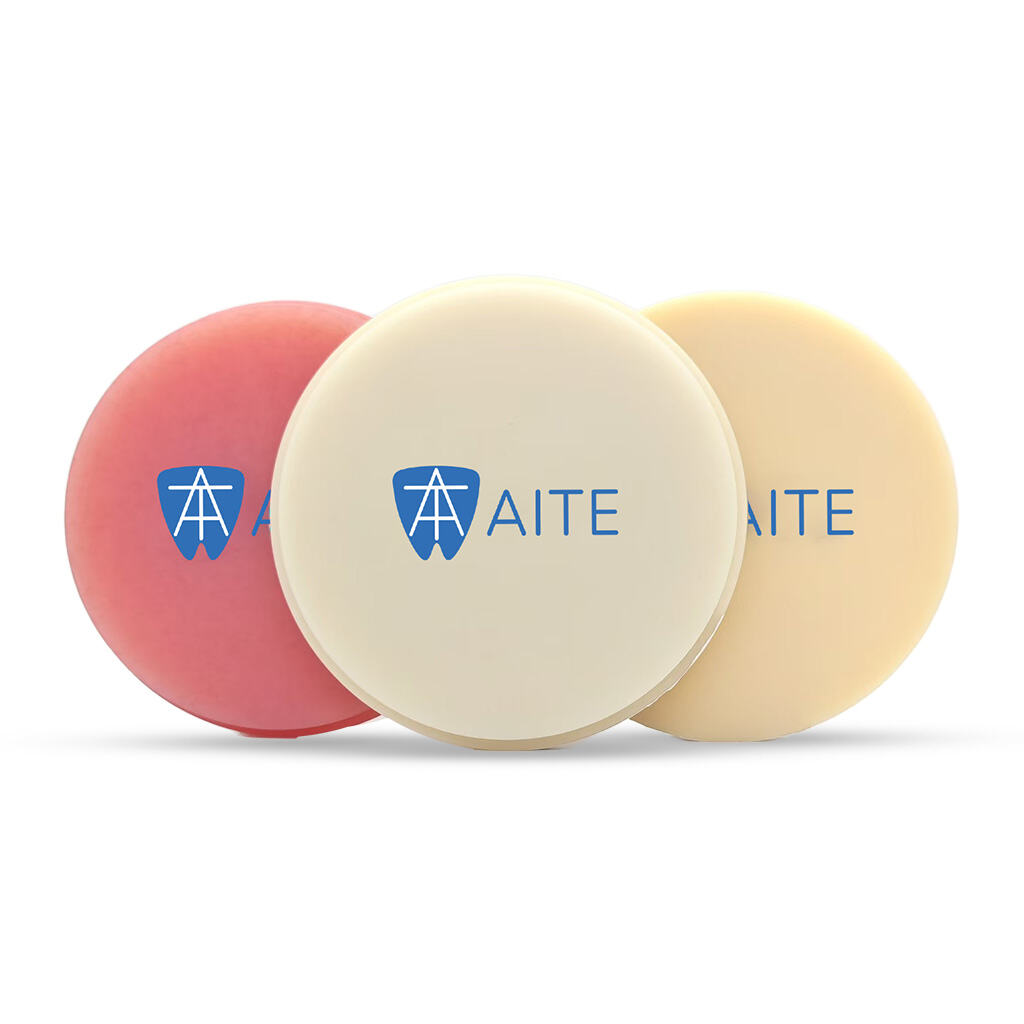
The aesthetic excellence of dental PMMA for bridges revolutionizes patient satisfaction by delivering natural-looking restorations that seamlessly integrate with existing dental structures. This remarkable material captures the subtle nuances of natural tooth appearance, including translucency, surface texture, and color depth that traditional materials often fail to achieve. The optical properties of PMMA allow for precise color matching across a wide spectrum, ensuring perfect harmony with surrounding teeth regardless of individual variations in natural tooth color. Advanced manufacturing techniques enable the creation of dental PMMA for bridges with multi-layered color gradients that mimic the complex color transitions found in natural teeth. This sophisticated approach to aesthetic restoration means patients can smile confidently, knowing their bridge is virtually indistinguishable from their natural teeth. The material's ability to maintain color stability over time prevents the common problem of restoration discoloration, ensuring long-term aesthetic success that justifies the investment in quality dental care. Surface finish capabilities of dental PMMA for bridges allow for customization that matches individual patient characteristics. Dental technicians can create various surface textures, from the smooth enamel-like finish of younger teeth to the subtle wear patterns characteristic of mature dentition. This attention to detail ensures age-appropriate aesthetics that enhance the natural appearance of the restoration. The material's polishability enables maintenance of the original luster throughout the service life, keeping the bridge looking fresh and natural. Light transmission properties contribute significantly to the realistic appearance of dental PMMA for bridges. The material allows appropriate light penetration and reflection, creating the vital appearance associated with healthy natural teeth. This optical behavior eliminates the flat, artificial look common with opaque materials, instead providing the depth and vitality that characterize living tooth structure. The translucency can be customized based on the specific aesthetic requirements of each case, ensuring optimal visual integration with the patient's natural dentition.
Outstanding Durability and Long-Term Performance

Outstanding Durability and Long-Term Performance

The exceptional durability of dental PMMA for bridges provides patients with reliable, long-lasting tooth replacement solutions that withstand the demanding conditions of the oral environment. This robust material demonstrates remarkable resistance to the mechanical stresses encountered during normal chewing, biting, and speaking activities, ensuring consistent performance throughout its service life. The polymer structure of PMMA exhibits excellent fatigue resistance, preventing the gradual weakening that can lead to unexpected failures in dental restorations. Clinical evidence supports the long-term success of dental PMMA for bridges, with many restorations maintaining their integrity and function for years without requiring replacement or significant repair. This durability translates directly into cost savings for patients, who can rely on their investment in quality dental care without frequent maintenance expenses or premature replacement costs. The material's resistance to environmental factors common in the oral cavity, including temperature fluctuations, pH changes, and exposure to various foods and beverages, ensures stable performance regardless of dietary habits or lifestyle factors. Mechanical properties of dental PMMA for bridges include high flexural strength that prevents fracture under normal loading conditions. The material can absorb and distribute chewing forces effectively, protecting both the restoration and surrounding tooth structures from excessive stress concentration. This stress distribution capability proves particularly important in multi-unit bridges where forces must be transmitted across several teeth. The impact resistance of the material provides additional protection against accidental trauma that might occur during sports activities or unexpected contact situations. Dimensional stability represents another crucial aspect of the durability profile, ensuring that dental PMMA for bridges maintain their precise fit over time. This stability prevents the development of gaps or loose areas that could compromise the restoration's function or allow bacterial infiltration. The material's low coefficient of thermal expansion matches closely with natural tooth structure, minimizing stress development during temperature changes and preventing the loosening or damage that can result from differential expansion and contraction. Weather resistance and chemical stability contribute to the long-term performance by preventing degradation from exposure to oral fluids, medications, or cleaning products commonly used in oral hygiene routines.

Get a Free Quote

Our representative will contact you soon.
Email
Name
Company Name
Message
0/1000