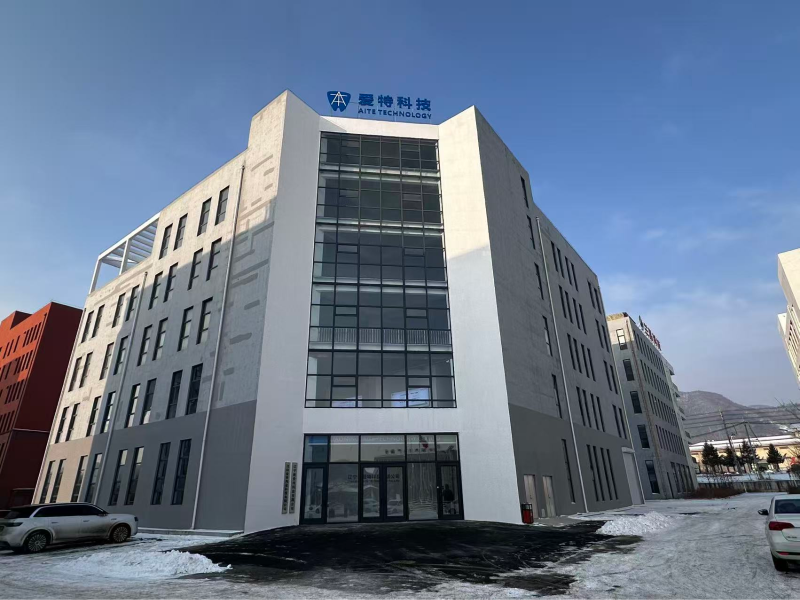
zirconia ceramica
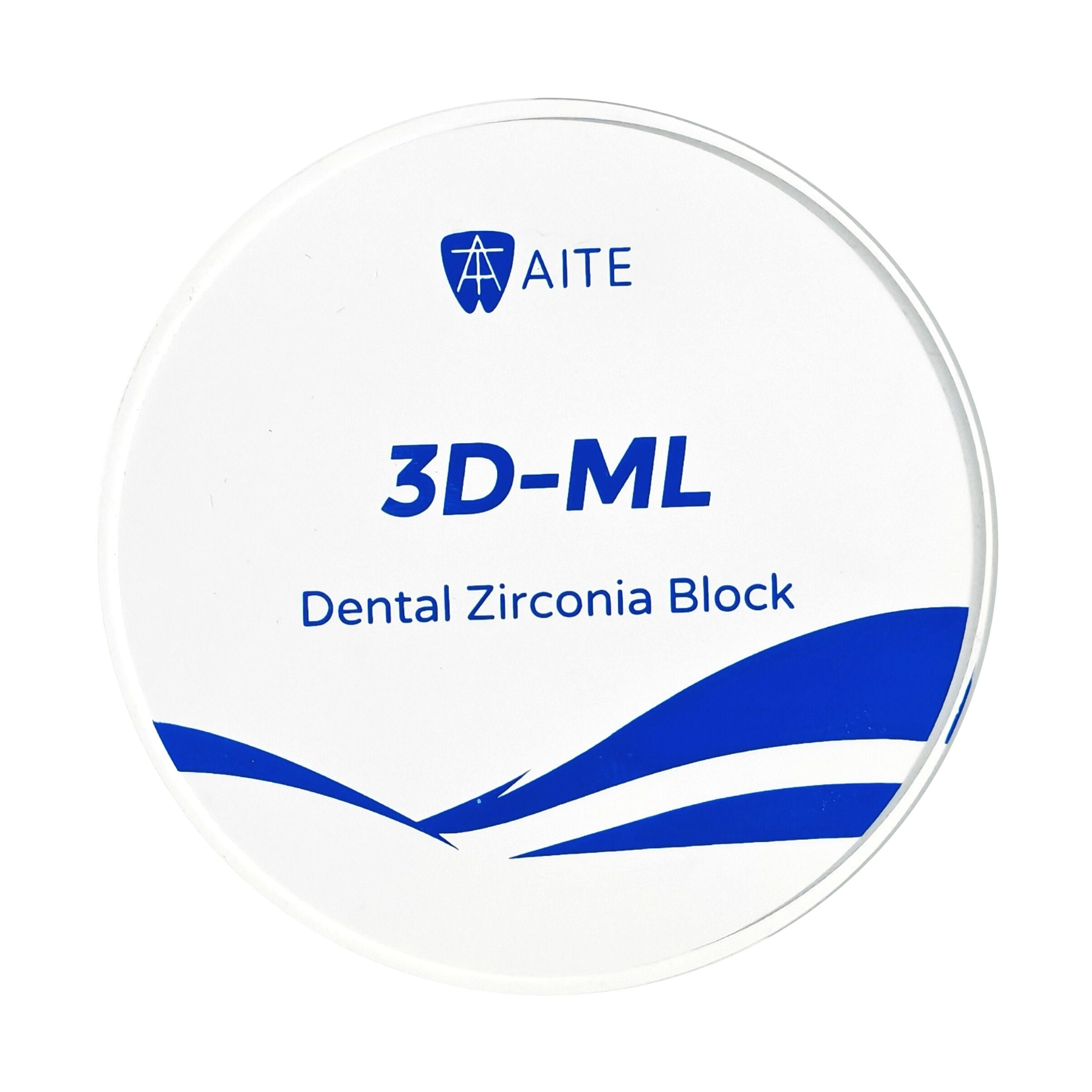
Zirconia ceramica represents a revolutionary advancement in advanced ceramic materials, offering exceptional performance characteristics that make it indispensable across multiple industries. This sophisticated material is composed primarily of zirconium dioxide (ZrO2), engineered through precision manufacturing processes to deliver superior mechanical properties and chemical resistance. The technological foundation of zirconia ceramica lies in its unique crystalline structure, which can be stabilized using yttrium oxide to create a material that maintains structural integrity under extreme conditions. The main functions of zirconia ceramica include providing exceptional wear resistance, maintaining dimensional stability across temperature variations, and offering biocompatibility for medical applications. Its technological features encompass remarkable fracture toughness, which exceeds that of most conventional ceramics, along with excellent thermal shock resistance and corrosion immunity. The manufacturing process involves careful control of particle size distribution and sintering parameters to achieve optimal density and microstructure. Applications for zirconia ceramica span diverse sectors including aerospace components, dental implants, cutting tools, bearing systems, and electronic substrates. In the medical field, zirconia ceramica serves as an ideal material for orthopedic implants and dental crowns due to its biocompatible nature and aesthetic properties that closely match natural tooth color. Industrial applications leverage its hardness and chemical inertness for pump components, valve seats, and grinding media. The automotive industry utilizes zirconia ceramica in oxygen sensors and catalytic converter components, where its high-temperature stability proves invaluable. Electronic applications benefit from its excellent dielectric properties and thermal conductivity, making it suitable for semiconductor substrates and electronic packaging. The material's versatility extends to decorative applications, where its polishability and color stability create premium surface finishes. Manufacturing flexibility allows for complex geometries through various forming techniques including dry pressing, isostatic pressing, and injection molding, enabling customized solutions for specific engineering requirements.

 EN
EN