
 EN
EN
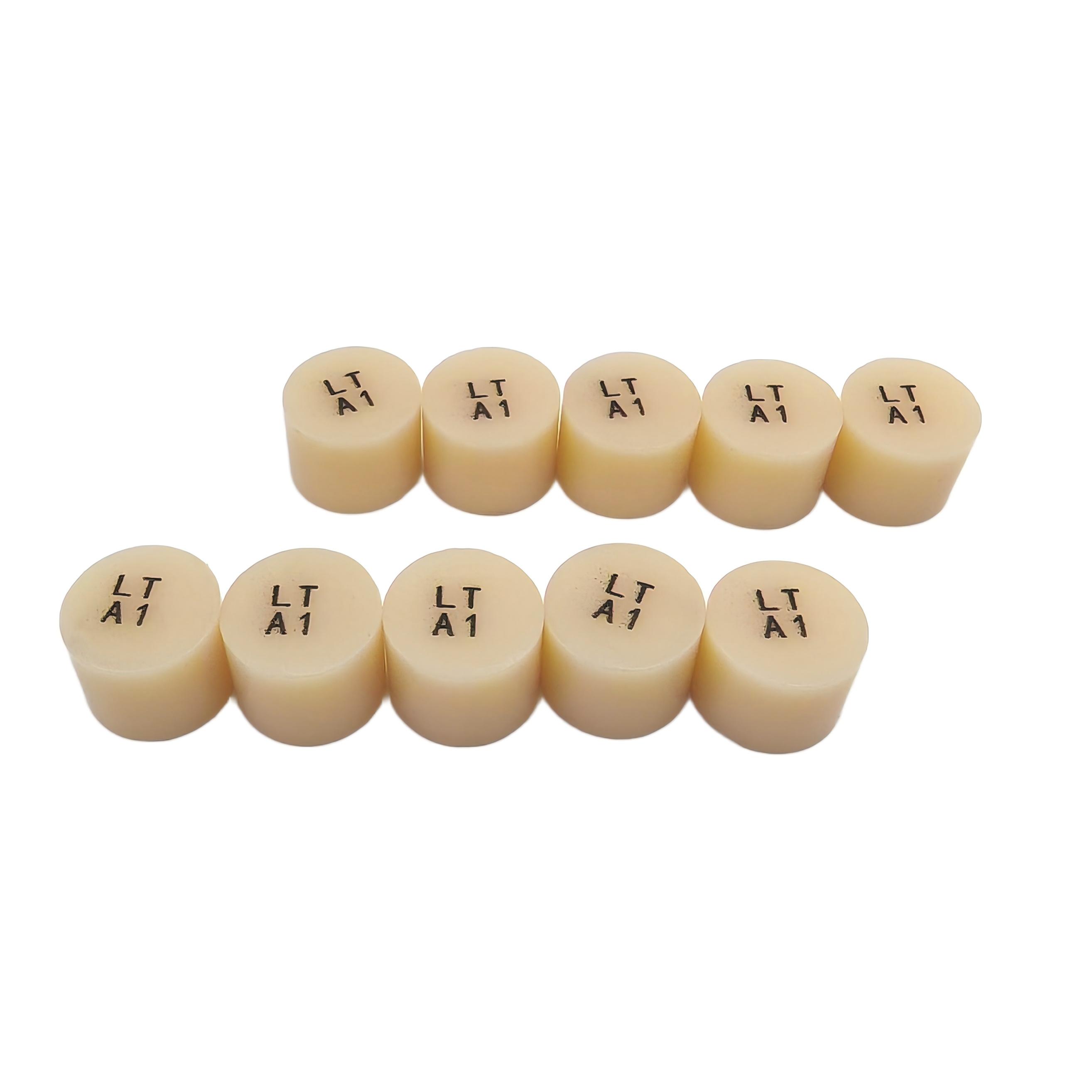
Choosing between a dental press ingot and CAD/CAM technology represents one of the most significant decisions in modern restorative dentistry. Both methods deliver high-quality dental restorations, yet they operate through fundamentally different manufacturing processes, cost structures, and clinical workflows. Understanding how a dental press ingot differs from CAD/CAM helps dental laboratories and clinicians select the technology best suited to their specific clinical needs, patient expectations, and operational capabilities.
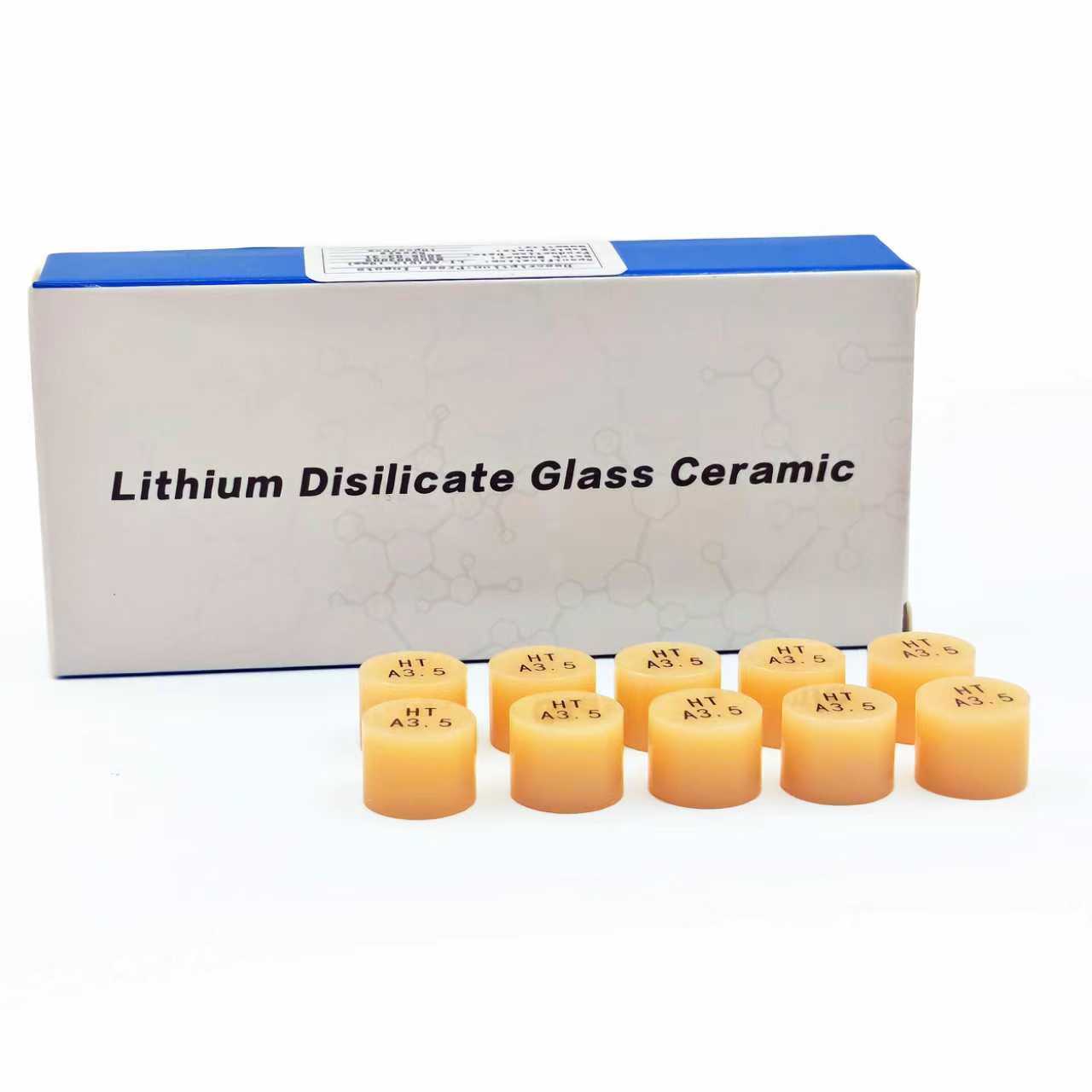
A dental press ingot utilizes a traditional heated pressing technique where wax patterns are invested and heated in a furnace before molten material is pressed into the mold cavity. CAD/CAM systems, by contrast, use digital design and milling technology to carve restorations from solid blocks of material. Both pathways lead to functional, aesthetic restorations, but the underlying mechanics, time requirements, precision capabilities, and material flexibility differ considerably. This comparison examines the critical distinctions between these two restoration methods.
Manufacturing Process and Workflow Differences
The Dental Press Ingot Technique
A dental press ingot restoration begins with a wax pattern that replicates the desired restoration anatomy. The wax pattern is placed into an investment mold, which is then heated to remove the wax and create a cavity. When the mold reaches the proper temperature, a preheated dental press ingot is inserted into a pressing apparatus, and hydraulic or mechanical pressure forces the molten material into the mold cavity. The restoration cools within the mold, and after a defined cooling period, the investment is broken away to reveal the finished restoration.
This traditional dental press ingot method has been refined over decades and remains favored in many dental laboratories for its reliability and material versatility. The dental press ingot process allows technicians to use various materials, including different alloys, ceramics, and composite systems. The workflow is well-established, requires moderate equipment investment, and produces consistent results when proper technique protocols are followed.
The CAD/CAM Digital Workflow
CAD/CAM technology initiates with digital scanning or importing a model file into milling software. The restoration design is created or refined digitally using CAD (Computer-Aided Design) software, and the design file is sent to a milling unit that reads the specifications and carves the restoration from a solid ceramic or composite block. CAD/CAM eliminates the need for wax patterns, investment molds, and pressing furnaces, replacing them with automated digital precision milling.
The CAD/CAM workflow is typically faster than traditional dental press ingot methods because it skips multiple intermediate steps. No wax pattern creation, investment preparation, or furnace heating cycles are required. The digital precision is inherently consistent because the same numerical parameters control every cut, whereas a dental press ingot restoration depends partly on operator skill and furnace conditions during the pressing cycle.
Precision, Material Properties, and Clinical Performance
Accuracy Specifications
CAD/CAM milling delivers exceptional precision through digital measurement and automated toolpaths. The system can achieve submicron tolerances in some milling platforms, producing margins and internal walls with extraordinary consistency. A dental press ingot restoration, while capable of meeting clinical accuracy standards, relies on investment material quality, mold geometry precision, and pressing parameters. Both methods can produce clinically acceptable restorations, yet CAD/CAM typically offers superior marginal accuracy when measured in laboratory settings.
The clinical significance of precision depends on restoration type and location. For all-ceramic crowns and veneers, where marginal fit critically affects longevity, CAD/CAM precision provides measurable advantages. However, traditional dental press ingot restorations, when executed with meticulous technique, consistently achieve margins and internal gaps within clinically acceptable ranges. The real-world difference in clinical longevity between precision-milled CAD/CAM restorations and properly executed dental press ingot restorations may be minimal.
Material Flexibility and Properties
A dental press ingot system accommodates a wide variety of material compositions. Technicians can select from multiple metal alloys, different ceramic formulations, and specialized composite systems. The pressing process is compatible with glasceramics, high-strength ceramics, and various alloy types. This material flexibility allows laboratories to optimize material selection based on clinical indication, cost constraints, and desired esthetic outcomes.
CAD/CAM milling is typically limited to materials available as milling blocks from specific manufacturers. While the selection has expanded significantly over recent years, CAD/CAM systems cannot mill certain specialized materials that a dental press ingot can process. If a laboratory requires a unique material formulation or specific alloy composition, a dental press ingot offers greater flexibility. However, for commonly used materials like zirconia, lithium disilicate ceramic, and standard polymer blocks, CAD/CAM options are now comprehensive and diverse.
Cost Analysis, Turnaround Time, and Operational Considerations
Equipment Investment and Operational Costs
A dental press ingot setup requires a furnace, pressing apparatus, investment materials, ingot cartridges, and auxiliary equipment. The initial capital investment is moderate compared to some CAD/CAM systems, but ongoing costs include furnace maintenance, investment material replenishment, and ingot cartridge purchases. The dental press ingot method is labor-intensive because each wax pattern must be created, invested, and pressed individually.
CAD/CAM systems demand substantial upfront capital investment for the milling unit, scanning equipment, software licenses, and computer infrastructure. Once installed, per-unit production costs can be lower because one technician can oversee multiple restorations at various stages simultaneously. CAD/CAM eliminates per-case consumables like investment material and ingot cartridges, replacing them with periodic tool replacements and block material. For laboratories with high production volumes, CAD/CAM operational costs per restoration often decline below dental press ingot costs.
Turnaround Time and Clinical Workflow Integration
A dental press ingot restoration typically requires one to three business days depending on case complexity and laboratory capacity. The process involves pattern creation, investment time, furnace cycles, and finishing. CAD/CAM restorations can often be completed within hours because milling, finishing, and delivery occur in a compressed timeline. Some in-office CAD/CAM systems deliver same-day restorations, whereas a dental press ingot cannot compress below laboratory workflow minimums.
The speed advantage of CAD/CAM appeals particularly to clinicians seeking rapid turnaround and same-day solutions. A dental press ingot, while not instantaneous, remains relevant for cases where the time-cost tradeoff favors traditional methods or when material requirements necessitate the pressing technique. Clinical practices must evaluate whether faster delivery justifies CAD/CAM investment or whether dental press ingot timelines align with their scheduling.
FAQ
Can a dental press ingot achieve the same esthetic quality as CAD/CAM restorations?
Yes, a dental press ingot can produce highly esthetic restorations with excellent shade matching and surface characteristics. Both techniques rely on the technician's artistic skill and material selection. CAD/CAM offers superior marginal precision, but a dental press ingot restoration, when finished meticulously, delivers comparable esthetic outcomes. Material composition, glaze quality, and characterization techniques matter more than the manufacturing method in determining final esthetics.
Is a dental press ingot more cost-effective than CAD/CAM for small dental laboratories?
For small laboratories with lower production volumes, a dental press ingot may offer better cost efficiency because the equipment investment is lower and per-case overhead is predictable. CAD/CAM requires higher initial capital and higher software licensing costs, making payback periods longer for low-volume labs. A dental press ingot remains economically viable for boutique laboratories focused on custom, specialized restorations where material flexibility outweighs speed considerations.
Which restoration type is better suited to a dental press ingot versus CAD/CAM technology?
A dental press ingot excels for complex partial dentures, high-precision metal frameworks, and specialized prosthetics requiring unique material properties. CAD/CAM is optimized for single-unit all-ceramic crowns, veneers, and high-volume esthetic restorations. A dental press ingot offers superior flexibility for unusual anatomies or materials, while CAD/CAM provides speed and consistency for standard restoration categories. The ideal choice depends on the specific restoration type, material requirements, and clinical timeline.