
 EN
EN
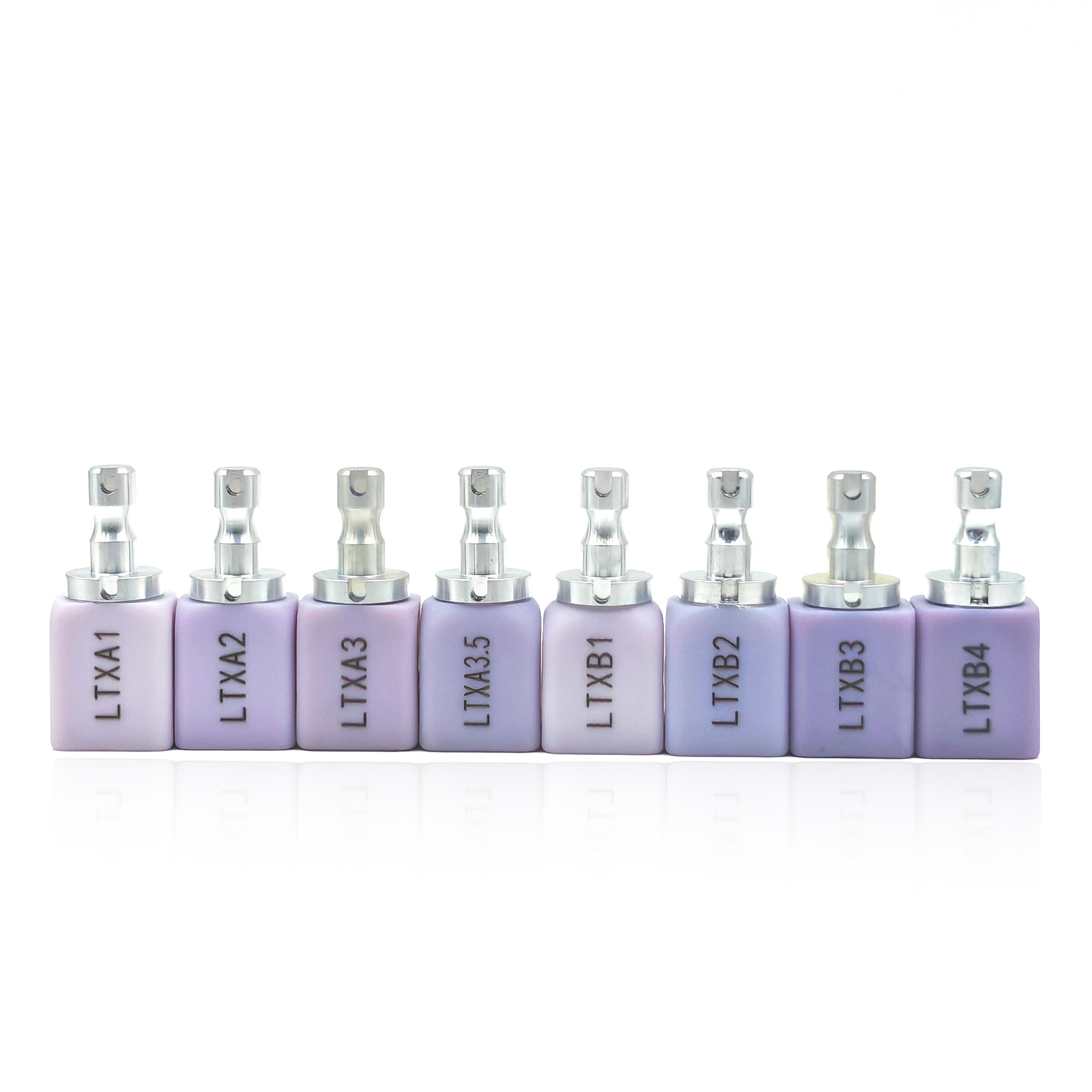
The cost-efficiency of dental zirconia blocks has become a critical consideration for dental laboratories as they navigate increasing competition and pressure to deliver high-quality restorations while maintaining profitability. With material costs representing a significant portion of laboratory overhead, understanding whether dental zirconia blocks provide genuine value requires careful analysis of initial investment, processing efficiency, waste reduction, and long-term durability outcomes.
Laboratory managers evaluating cost-efficiency must consider multiple financial factors beyond the initial purchase price of dental zirconia blocks. The true economic impact encompasses material utilization rates, processing time requirements, equipment wear considerations, and the potential for reduced remake costs due to superior mechanical properties and biocompatibility characteristics of modern zirconia formulations.
Material Cost Analysis and Return on Investment
Initial Investment Considerations for Dental Zirconia Blocks
The upfront cost of dental zirconia blocks varies significantly based on manufacturer specifications, block size, and translucency levels. Premium multilayer dental zirconia blocks typically command higher prices due to their advanced gradient properties and enhanced esthetics. However, laboratories must evaluate cost per restoration rather than cost per block to determine true value.
When calculating initial investment returns, laboratories should consider the yield efficiency of dental zirconia blocks compared to alternative materials. High-quality zirconia blocks often provide better material utilization rates, allowing technicians to extract more restorations per block while minimizing waste during the milling process.
The investment analysis becomes more favorable when laboratories factor in the reduced need for veneer application in many cases. Monolithic dental zirconia blocks eliminate the additional costs associated with porcelain veneering materials and the extended processing time required for layering techniques.
Long-Term Economic Impact Assessment
Long-term cost-efficiency evaluation reveals that dental zirconia blocks often provide superior return on investment through reduced remake rates and warranty claims. The exceptional strength characteristics of zirconia significantly decrease the likelihood of restoration fractures, which translates directly into cost savings for laboratories.
Laboratory productivity improvements contribute substantially to the economic benefits of dental zirconia blocks. The streamlined workflow possible with monolithic zirconia restorations reduces chair time and labor costs, allowing technicians to process more cases within the same timeframe.
Equipment maintenance costs also factor into long-term economic considerations. Dental zirconia blocks typically cause less wear on milling equipment compared to harder ceramic materials, resulting in lower maintenance expenses and extended equipment lifespan.
Processing Efficiency and Labor Cost Optimization
Workflow Streamlining Benefits
The processing efficiency of dental zirconia blocks significantly impacts laboratory cost-effectiveness through reduced handling requirements and simplified production workflows. Unlike traditional materials that require multiple processing steps, modern zirconia blocks enable direct milling to final contour, eliminating intermediate stages that consume valuable technician time.
Sintering efficiency represents another crucial cost factor, as dental zirconia blocks designed for rapid sintering cycles can dramatically reduce processing time. Fast-sintering formulations allow laboratories to complete restorations in hours rather than overnight cycles, improving throughput and reducing energy consumption.
The predictable shrinkage characteristics of quality dental zirconia blocks contribute to processing efficiency by minimizing the need for post-sintering adjustments. This predictability reduces the time technicians spend on finishing procedures and increases the likelihood of achieving acceptable fit on the first attempt.
Quality Control and Waste Reduction
Waste reduction capabilities of dental zirconia blocks directly impact cost-efficiency through improved material utilization rates. The consistent quality of premium zirconia blocks reduces the occurrence of processing defects that result in material waste and lost labor time.
Quality control advantages extend to the milling process, where dental zirconia blocks with uniform density and composition produce more predictable machining results. This consistency reduces tool wear and minimizes the risk of milling errors that require material replacement.
The durability of dental zirconia blocks during processing allows for more aggressive milling parameters, which can reduce processing time while maintaining surface quality. This efficiency gain translates into higher daily production capacity without additional labor costs.
Clinical Performance and Remake Cost Reduction
Durability and Longevity Factors
The exceptional mechanical properties of dental zirconia blocks translate into tangible cost benefits through reduced remake requirements and warranty claims. Clinical studies consistently demonstrate that zirconia restorations exhibit lower failure rates compared to alternative materials, particularly in posterior applications where chewing forces are highest.
Biocompatibility advantages of dental zirconia blocks contribute to cost-efficiency by minimizing adverse tissue reactions that could necessitate restoration replacement. The chemical inertness of zirconia reduces the likelihood of complications that would require laboratory remediation at no charge to the dentist.
Wear resistance characteristics of dental zirconia blocks extend restoration lifespan, which indirectly benefits laboratories through enhanced reputation and increased referral business. Long-lasting restorations reflect positively on laboratory quality and can justify premium pricing structures.
Esthetic Consistency and Patient Satisfaction
Modern dental zirconia blocks offer improved esthetic properties that contribute to cost-efficiency through reduced remakes due to patient dissatisfaction. The natural translucency and color-matching capabilities of advanced zirconia formulations minimize the need for esthetic revisions.
Color stability represents a significant cost advantage of dental zirconia blocks, as the material maintains its appearance over time without the discoloration issues that can affect other ceramic materials. This stability reduces long-term remake requirements and maintains patient satisfaction.
The versatility of dental zirconia blocks allows laboratories to standardize on fewer material types while still meeting diverse clinical requirements. This standardization reduces inventory costs and simplifies ordering processes while maintaining clinical effectiveness across various applications.
Market Position and Competitive Advantages
Pricing Strategy and Value Proposition
The cost-efficiency of dental zirconia blocks enables laboratories to develop competitive pricing strategies while maintaining healthy profit margins. The material's versatility allows laboratories to offer comprehensive restoration services using a single material platform, simplifying pricing structures and improving profitability.
Value-based pricing becomes possible with dental zirconia blocks due to their superior clinical performance and durability characteristics. Laboratories can justify premium pricing by emphasizing the long-term value and reduced complications associated with zirconia restorations.
Market differentiation opportunities arise from the technical capabilities enabled by dental zirconia blocks, allowing laboratories to offer specialized services that command higher prices while maintaining cost-effective production methods.
Future Investment Considerations
Technology advancement trajectories in dental zirconia blocks suggest continued improvements in cost-efficiency through enhanced formulations and processing innovations. Laboratories investing in zirconia technology position themselves advantageously for future market developments.
The growing clinical acceptance of dental zirconia blocks indicates expanding market opportunities that can provide economies of scale benefits. Increased volume processing capabilities translate into improved per-unit costs and enhanced profitability.
Equipment compatibility considerations favor dental zirconia blocks, as most modern CAD/CAM systems accommodate zirconia processing requirements. This compatibility reduces the need for additional equipment investments while maximizing existing technology utilization.
FAQ
What factors determine the cost-efficiency of dental zirconia blocks for laboratories?
Cost-efficiency depends on material utilization rates, processing time requirements, remake frequency, and long-term durability outcomes. Laboratories must evaluate total cost per restoration rather than initial material cost, considering factors like waste reduction, labor efficiency, and clinical performance that affect profitability over time.
How do dental zirconia blocks compare to other materials in terms of processing costs?
Dental zirconia blocks often provide superior processing efficiency through streamlined workflows, reduced finishing requirements, and predictable outcomes. While initial material costs may be higher than some alternatives, the reduced labor time, lower remake rates, and elimination of veneering steps in many cases result in better overall cost-efficiency.
Can smaller laboratories achieve cost-efficiency with dental zirconia blocks?
Smaller laboratories can achieve cost-efficiency with dental zirconia blocks by focusing on material utilization optimization, standardizing on versatile block types, and leveraging the reduced remake rates associated with zirconia's superior mechanical properties. The key is selecting appropriate block sizes and formulations that match case volume and clinical requirements.
What return on investment timeline should laboratories expect with dental zirconia blocks?
Most laboratories experience positive return on investment within 6-12 months when properly implementing dental zirconia blocks, primarily through reduced remake costs, improved processing efficiency, and enhanced pricing capabilities. The timeline varies based on case volume, material utilization practices, and the specific zirconia products selected for laboratory workflows.
Table of Contents
- Material Cost Analysis and Return on Investment
- Processing Efficiency and Labor Cost Optimization
- Clinical Performance and Remake Cost Reduction
- Market Position and Competitive Advantages
-
FAQ
- What factors determine the cost-efficiency of dental zirconia blocks for laboratories?
- How do dental zirconia blocks compare to other materials in terms of processing costs?
- Can smaller laboratories achieve cost-efficiency with dental zirconia blocks?
- What return on investment timeline should laboratories expect with dental zirconia blocks?