
 EN
EN
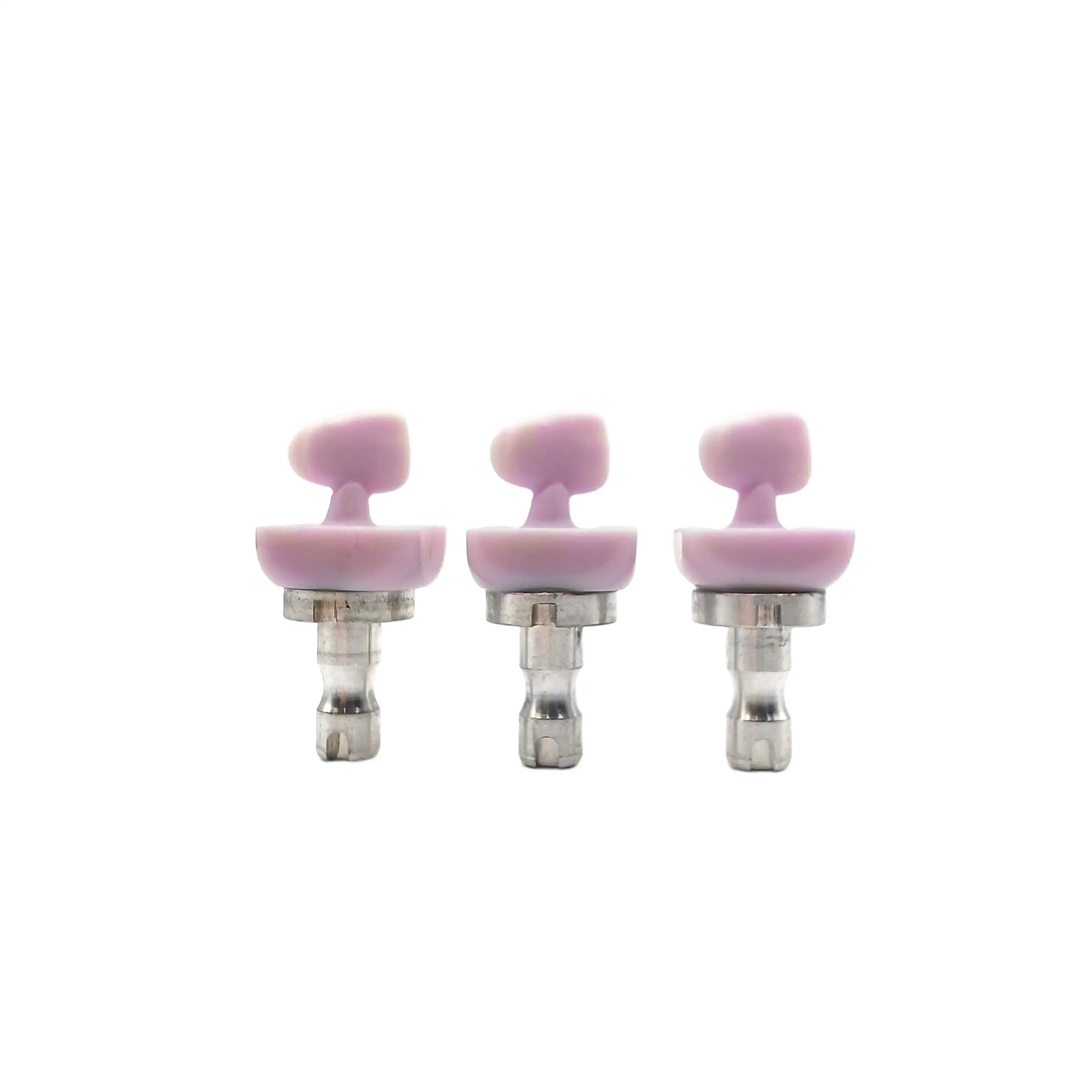
Understanding the key technical aspects of dental zirconia materials is essential for dental professionals seeking optimal restorative outcomes. Dental zirconia has emerged as a cornerstone material in modern prosthodontics, offering exceptional mechanical properties that make it suitable for various clinical applications. The technical characteristics of dental zirconia directly influence its performance in oral environments, affecting factors such as durability, biocompatibility, and aesthetic integration. These technical aspects encompass crystalline structure variations, mechanical strength parameters, optical properties, and processing requirements that collectively determine the clinical success of zirconia-based restorations.
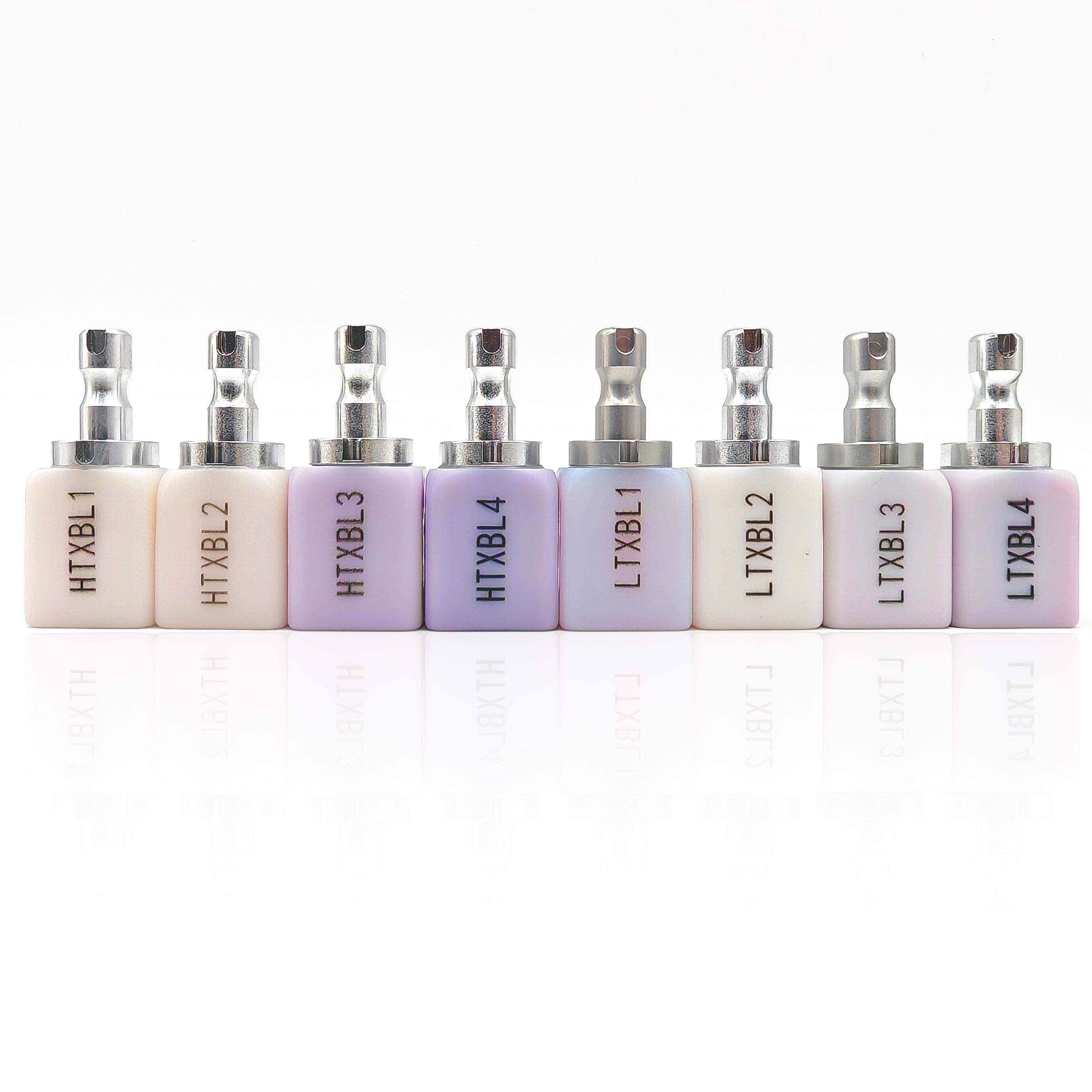
The technical complexity of dental zirconia stems from its unique crystalline behavior and the precise control required during manufacturing processes. Unlike traditional ceramic materials, dental zirconia exhibits polymorphic transformations that can be strategically utilized to enhance mechanical properties through controlled processing conditions. The technical aspects of this material system involve careful consideration of stabilizing agents, sintering parameters, surface treatments, and post-processing modifications that optimize performance for specific clinical indications. Mastering these technical fundamentals enables practitioners to make informed decisions regarding material selection and processing protocols for different restorative scenarios.
Crystalline Structure and Phase Transformations
Tetragonal and Cubic Zirconia Phases
The crystalline structure of dental zirconia represents one of its most critical technical aspects, as it directly governs mechanical behavior and clinical performance. Pure zirconia naturally exists in three polymorphic forms: monoclinic, tetragonal, and cubic phases, each stable at different temperature ranges. For dental applications, the tetragonal phase is typically stabilized at room temperature through the addition of stabilizing oxides such as yttria, creating what is known as tetragonal zirconia polycrystals or TZP. This stabilized tetragonal structure provides the optimal balance of strength and toughness required for dental restorations.
The technical significance of maintaining the tetragonal phase lies in its ability to undergo stress-induced transformation to the monoclinic phase, a mechanism known as transformation toughening. When dental zirconia experiences mechanical stress, the tetragonal grains at crack tips transform to the monoclinic phase, creating a volume expansion of approximately 3-4% that generates compressive stresses around the crack. This transformation effectively impedes crack propagation and contributes to the exceptional fracture toughness that makes dental zirconia suitable for high-stress applications such as posterior crowns and multi-unit bridges.
Cubic zirconia phases are achieved through higher concentrations of stabilizing oxides and represent another important technical variant in dental applications. Cubic dental zirconia typically contains 8-10 mol% yttria compared to 3 mol% in tetragonal variants, resulting in different mechanical and optical properties. The cubic structure eliminates the transformation toughening mechanism but provides superior translucency due to reduced light scattering at grain boundaries. This technical trade-off makes cubic dental zirconia particularly suitable for anterior restorations where aesthetic requirements prioritize translucency over maximum mechanical strength.
Yttria Stabilization Mechanisms
The role of yttria as a stabilizing agent in dental zirconia involves complex technical mechanisms that affect both processing requirements and final properties. Yttrium oxide creates oxygen vacancies in the zirconia lattice structure, which stabilizes the high-temperature phases at room temperature and prevents the destructive volume changes associated with natural phase transformations. The technical precision required in yttria content directly influences the stability of the tetragonal phase and determines the material's susceptibility to low-temperature degradation, a phenomenon that can compromise long-term clinical performance.
Different yttria concentrations create distinct technical profiles within the dental zirconia family. Standard 3Y-TZP formulations provide maximum mechanical strength but limited translucency, while higher yttria contents in 4Y-TZP and 5Y-TZP variants offer improved optical properties with some reduction in mechanical performance. The technical challenge lies in optimizing yttria distribution during processing to achieve uniform stabilization throughout the material matrix, as inhomogeneous stabilizer distribution can create regions of varying phase stability and mechanical properties.
Advanced technical approaches to yttria stabilization include gradient compositions and co-stabilization with other oxides such as ceria or alumina. These sophisticated stabilization strategies enable the development of dental zirconia materials with tailored properties for specific applications, such as enhanced translucency for anterior restorations or improved aging resistance for long-term implant applications. Understanding these stabilization mechanisms is crucial for dental technicians and clinicians working with different zirconia formulations, as processing parameters must be adjusted accordingly to achieve optimal results.
Mechanical Properties and Performance Characteristics
Flexural Strength and Fracture Toughness
The mechanical properties of dental zirconia represent fundamental technical aspects that determine its suitability for various clinical applications. Flexural strength, typically measured using three-point or four-point bending tests, provides critical information about the material's ability to withstand functional loading conditions in the oral environment. High-quality dental zirconia exhibits flexural strengths ranging from 800 to 1200 MPa, significantly exceeding those of traditional dental ceramics and approaching values comparable to some metallic materials. This exceptional strength enables the fabrication of thin-walled restorations and minimally invasive prosthetic designs that preserve natural tooth structure.
Fracture toughness represents another crucial technical parameter that distinguishes dental zirconia from other ceramic materials. The transformation toughening mechanism inherent in tetragonal zirconia contributes to fracture toughness values of 6-8 MPa√m, compared to 1-2 MPa√m for conventional dental ceramics. This enhanced toughness provides technical advantages in clinical scenarios involving impact loading, thermal shock, and fatigue conditions that commonly occur during normal oral function. The high fracture toughness also enables dental zirconia to maintain structural integrity even when minor flaws or processing defects are present, providing a technical safety margin that enhances clinical reliability.
The technical relationship between flexural strength and fracture toughness in dental zirconia is influenced by microstructural factors including grain size, porosity, and phase distribution. Optimized processing conditions typically produce fine-grained microstructures with grain sizes below 0.5 micrometers, which maximize both strength and toughness properties. However, technical considerations such as sintering temperature, heating rates, and cooling protocols must be carefully controlled to achieve these optimal microstructures while maintaining dimensional accuracy and surface quality required for precise prosthetic fit.
Fatigue Resistance and Long-term Stability
Fatigue resistance represents a critical technical aspect of dental zirconia that affects long-term clinical performance under cyclic loading conditions. The oral environment subjects restorations to millions of loading cycles throughout their service life, making fatigue behavior a primary consideration in material selection and design. Dental zirconia demonstrates superior fatigue resistance compared to other ceramic materials, with fatigue limits typically ranging from 400 to 600 MPa depending on the specific formulation and processing conditions. This technical advantage enables dental zirconia restorations to maintain structural integrity over extended clinical service periods.
The technical mechanisms underlying fatigue resistance in dental zirconia involve both the transformation toughening effect and the material's inherent microstructural stability. During cyclic loading, the stress-induced phase transformation continues to provide crack tip shielding, effectively reducing stress concentrations that could otherwise lead to progressive crack growth. Additionally, the fine-grained microstructure of properly processed dental zirconia minimizes the size of potential failure origins and provides uniform stress distribution throughout the material matrix.
Long-term stability considerations for dental zirconia include potential degradation mechanisms such as low-temperature aging and hydrothermal degradation. The technical challenge of aging involves the slow transformation of tetragonal grains to the monoclinic phase in the presence of moisture, which can lead to surface roughening and potential strength reduction over time. However, modern dental zirconia formulations have been specifically engineered to minimize aging susceptibility through optimized yttria content and processing conditions, ensuring stable performance throughout typical clinical service periods of 15-20 years or longer.
Optical Properties and Aesthetic Considerations
Translucency and Light Transmission
The optical properties of dental zirconia represent increasingly important technical aspects as aesthetic demands in restorative dentistry continue to evolve. Translucency, which determines how effectively light passes through the material, is governed by the interaction between incident light and the microstructural features of dental zirconia. The technical challenge lies in achieving sufficient translucency for natural appearance while maintaining the mechanical properties that make zirconia attractive for structural applications. Traditional high-strength dental zirconia formulations exhibit limited translucency due to light scattering at grain boundaries and phase interfaces, but recent technical developments have significantly improved optical characteristics.
The technical approach to enhancing translucency in dental zirconia involves modifications to both composition and microstructure. Increasing yttria content from 3 mol% to 4-5 mol% reduces the birefringence between grains and minimizes light scattering, resulting in improved light transmission. Additionally, controlling grain size and eliminating porosity during sintering are critical technical factors that influence optical behavior. Advanced processing techniques such as hot isostatic pressing and controlled atmosphere sintering enable the production of dental zirconia with translucency values approaching those of lithium disilicate ceramics while retaining superior mechanical properties.
Measurement and quantification of optical properties require sophisticated technical methodologies that account for the complex interaction between light and dental zirconia microstructures. Technical parameters such as contrast ratio, translucency parameter, and opalescence index provide standardized metrics for comparing optical performance across different dental zirconia formulations. These technical measurements enable precise matching of restoration opacity to surrounding natural tooth structure and facilitate the development of layering protocols that optimize aesthetic integration in the oral environment.
Color Stability and Surface Characteristics
Color stability represents a fundamental technical requirement for dental zirconia materials, as any chromatic changes during clinical service directly impact aesthetic outcomes. The technical advantages of dental zirconia include inherent color stability due to its crystalline structure and chemical inertness in oral environments. Unlike resin-based materials that may undergo color changes due to water absorption or oxidation, dental zirconia maintains consistent chromatic properties throughout its service life. This technical stability eliminates the need for replacement due to aesthetic deterioration and supports long-term patient satisfaction with zirconia-based restorations.
Surface characteristics of dental zirconia significantly influence both optical properties and clinical performance. The technical aspects of surface finishing include considerations of roughness, texture, and reflectance that affect light interaction and plaque accumulation. Properly finished dental zirconia surfaces can achieve roughness values below 0.1 micrometers Ra, providing smooth surfaces that minimize bacterial adhesion while optimizing light reflection for natural appearance. Technical protocols for surface finishing must balance aesthetic requirements with the need to avoid introducing surface flaws that could compromise mechanical performance.
Advanced surface treatment techniques enable technical modification of dental zirconia optical properties through controlled texturing and coating applications. Techniques such as selective infiltration, gradient composition layers, and nano-scale surface modifications allow for precise control of translucency gradients and color depth that mimic natural tooth structure. These technical approaches require careful consideration of processing parameters and quality control measures to ensure consistent results and maintain the fundamental mechanical advantages of dental zirconia substrates.
Processing Parameters and Manufacturing Considerations
Sintering Temperature and Atmosphere Control
The sintering process represents one of the most critical technical aspects in dental zirconia manufacturing, as it directly determines final properties including density, strength, and dimensional accuracy. Optimal sintering temperatures for dental zirconia typically range from 1450°C to 1550°C, depending on the specific composition and desired properties. The technical precision required in temperature control is significant, as variations of even 25-50°C can substantially affect final density, grain size, and mechanical properties. Advanced sintering equipment with precise temperature uniformity and programmable heating profiles is essential for achieving consistent results in dental zirconia processing.
Atmosphere control during sintering represents another crucial technical parameter that affects the quality of sintered dental zirconia. The presence of oxygen is generally required to prevent reduction reactions that could alter the zirconia composition and properties. However, controlled atmosphere sintering using specific gas mixtures can be employed to optimize surface characteristics and minimize contamination from furnace atmospheres. Technical considerations include maintaining appropriate oxygen partial pressure, controlling moisture content, and preventing contamination from volatile species that could affect the final properties of dental zirconia restorations.
The technical relationship between sintering parameters and shrinkage behavior is particularly important for dental applications where dimensional accuracy is critical for proper fit. Dental zirconia typically undergoes approximately 20-25% linear shrinkage during sintering, requiring precise compensation in the design and manufacturing process. Technical factors affecting shrinkage include heating rate, maximum temperature, dwell time, and cooling rate, all of which must be carefully controlled to achieve predictable dimensional changes and minimize warping or distortion in complex restoration geometries.
Quality Control and Characterization Methods
Quality control in dental zirconia manufacturing requires sophisticated technical methods to ensure consistent properties and clinical performance. Density measurement represents a fundamental quality parameter, as porosity directly affects both mechanical properties and optical characteristics. Technical methods such as Archimedes principle, helium pycnometry, and mercury intrusion porosimetry provide different perspectives on density and pore structure that collectively characterize the quality of sintered dental zirconia. Achieving theoretical densities above 99% is typically required for optimal mechanical performance in dental applications.
Microstructural characterization using advanced microscopy techniques provides critical technical information about grain size, phase distribution, and defect populations in dental zirconia. Scanning electron microscopy, transmission electron microscopy, and X-ray diffraction analysis enable detailed assessment of microstructural features that correlate with mechanical and optical properties. These technical characterization methods support both quality assurance during manufacturing and failure analysis when clinical complications arise, providing valuable feedback for process optimization and material development.
Mechanical testing protocols for dental zirconia must address the specific loading conditions and environmental factors encountered in clinical service. Technical standards such as ISO 6872 provide standardized test methods for flexural strength, but additional testing including fatigue resistance, fracture toughness, and aging behavior provides more comprehensive assessment of clinical performance potential. Advanced testing methodologies such as cyclic loading in simulated oral environments and accelerated aging protocols enable prediction of long-term behavior and support evidence-based clinical recommendations for dental zirconia applications.
FAQ
What makes the crystalline structure of dental zirconia unique compared to other dental ceramics?
The crystalline structure of dental zirconia is unique due to its tetragonal phase stabilization and transformation toughening mechanism. Unlike other dental ceramics, zirconia can undergo stress-induced phase transformation from tetragonal to monoclinic, creating volume expansion that generates compressive stresses around crack tips and significantly improves fracture resistance. This technical characteristic enables dental zirconia to achieve fracture toughness values of 6-8 MPa√m, which is 3-4 times higher than conventional dental ceramics.
How do different yttria concentrations affect the technical properties of dental zirconia?
Different yttria concentrations create distinct technical profiles in dental zirconia materials. Standard 3Y-TZP provides maximum mechanical strength and fracture toughness but limited translucency. Higher yttria contents in 4Y-TZP and 5Y-TZP formulations improve optical properties and translucency but with some reduction in mechanical performance. The technical trade-off between strength and translucency allows practitioners to select appropriate dental zirconia formulations based on specific clinical requirements and restoration locations.
What are the critical sintering parameters that affect dental zirconia quality?
Critical sintering parameters for dental zirconia include temperature control within ±25°C of optimal range (1450-1550°C), controlled heating and cooling rates, appropriate atmosphere composition with adequate oxygen content, and precise dwell time at maximum temperature. These technical parameters directly affect final density, grain size, dimensional accuracy, and mechanical properties. Proper control of sintering conditions is essential for achieving the 20-25% linear shrinkage required for accurate restoration fit and optimal material performance.
How does the fatigue resistance of dental zirconia compare to other restorative materials?
Dental zirconia demonstrates superior fatigue resistance compared to other ceramic materials, with fatigue limits typically ranging from 400-600 MPa under cyclic loading conditions. This technical advantage results from both the transformation toughening mechanism and stable microstructure that resist crack propagation during repeated loading cycles. The exceptional fatigue resistance enables dental zirconia restorations to maintain structural integrity over millions of loading cycles, supporting long-term clinical success in high-stress applications such as posterior crowns and bridges.
Table of Contents
- Crystalline Structure and Phase Transformations
- Mechanical Properties and Performance Characteristics
- Optical Properties and Aesthetic Considerations
- Processing Parameters and Manufacturing Considerations
-
FAQ
- What makes the crystalline structure of dental zirconia unique compared to other dental ceramics?
- How do different yttria concentrations affect the technical properties of dental zirconia?
- What are the critical sintering parameters that affect dental zirconia quality?
- How does the fatigue resistance of dental zirconia compare to other restorative materials?