
 EN
EN
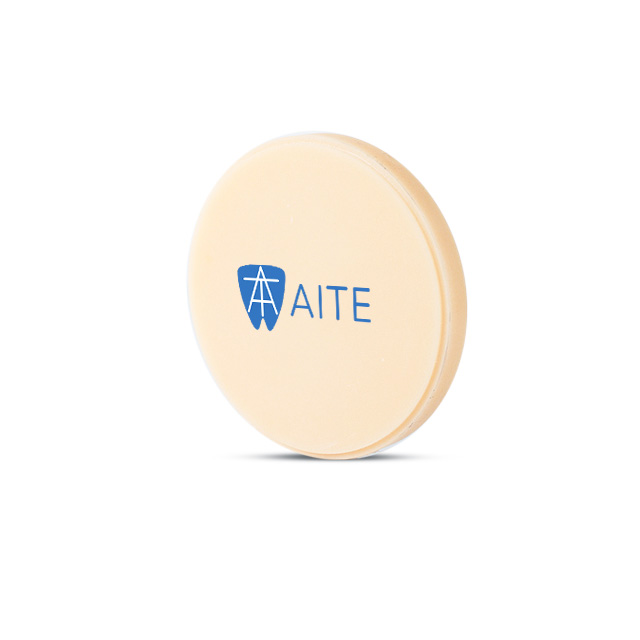
Selecting the right shade for dental restorations is a critical decision that directly influences both esthetic outcomes and patient satisfaction. Dental PMMA blocks have become an essential material in modern prosthodontics, offering dentists and laboratory technicians a versatile solution for creating temporary and definitive restorations. Understanding the color palette available for dental PMMA is fundamental to achieving natural-looking results that harmonize with the patient's existing dentition and soft tissue contours.
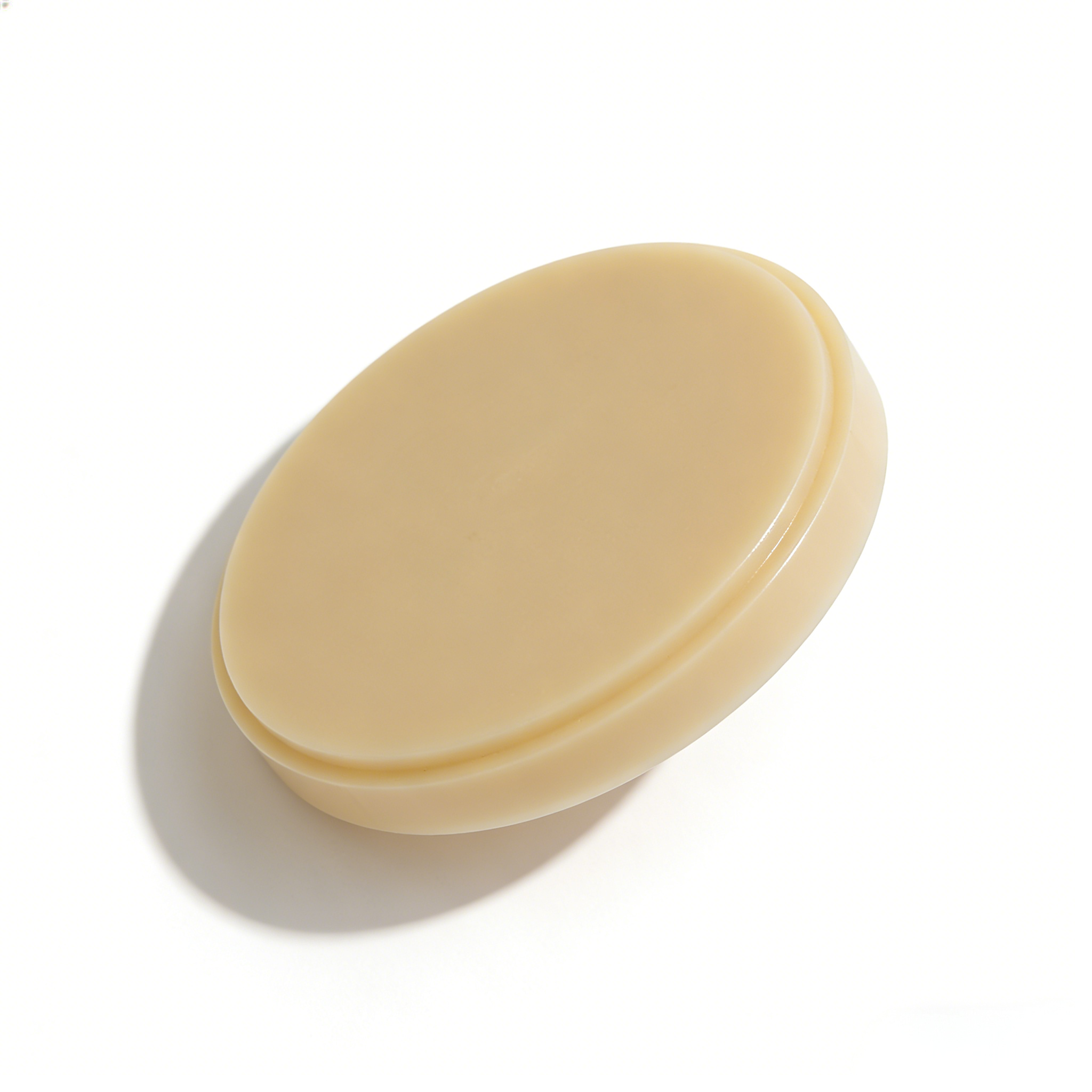
The range of dental PMMA shades available today has expanded significantly to meet the diverse demands of clinical practice. Modern dental PMMA products are engineered to replicate the optical properties of natural tooth structure, including translucency, value, chroma, and surface characterization. This article explores the comprehensive color options available in dental PMMA blocks and provides guidance on shade selection, clinical application, and material optimization for superior esthetic results.
Understanding Dental PMMA Shade Systems
Standardized Shade Guides and Classification
Most dental PMMA manufacturers follow established shade classification systems that correspond to recognized tooth color standards. The dental PMMA shades are typically organized by value, chroma, and hue to simplify clinical selection. Leading dental PMMA systems incorporate multiple shade groupings, often ranging from light naturals through warm and cool tones, enabling clinicians to match nearly any patient's existing tooth color. These standardized dental PMMA shade ranges ensure consistency across different batch productions and facilitate communication between clinicians and laboratory technicians.
Multi-Layer Dental PMMA Technology
Advanced dental PMMA formulations now include multi-layer block designs that replicate the natural stratification of tooth structure. Multi-layer dental PMMA blocks feature a core layer, an intermediate layer, and a surface layer, each with distinct optical properties that enhance esthetic realism. This layered architecture allows clinicians to achieve superior translucency gradation and more convincing color transitions, particularly in anterior regions where esthetic demands are highest. Multi-layer dental PMMA technology represents a significant advancement in achieving natural-looking restorations that rival the appearance of natural teeth.
Clinical Color Selection and Application
Shade Matching Protocols for Dental PMMA
Effective shade selection for dental PMMA begins with proper illumination and systematic comparison against reference standards. Clinicians should evaluate the patient's natural tooth shade under standardized lighting conditions before selecting dental PMMA blocks. Many practices employ digital shade-matching technology alongside traditional visual assessment to ensure accuracy. The dental PMMA shade selected must account for individual patient factors including age, skin tone, and personal esthetic preferences. Documentation of the chosen dental PMMA shade in patient records ensures continuity of care and facilitates future restoration modifications or replacements.
Customization and Characterization Techniques
While dental PMMA blocks come in numerous predefined shades, additional customization is often necessary to achieve optimal esthetic results. Surface staining, internal coloring, and texture modification techniques can enhance the natural appearance of dental PMMA restorations. Technicians can apply enamel stains to dental PMMA surfaces to replicate natural variations, surface textures, and aging characteristics. Incisal modifications and translucency adjustments allow dental PMMA to better simulate the natural translucency gradients found in anterior teeth. These advanced customization methods demonstrate why dental PMMA remains a preferred material for high-esthetic applications.
Material Properties and Shade Stability
Optical Performance of Dental PMMA Colors
Each dental PMMA shade is formulated to provide specific optical characteristics including translucency, value, and chroma consistency. Quality dental PMMA materials are manufactured with pigments and additives that maintain color stability under various clinical conditions. The refractive index of dental PMMA closely approximates that of natural dentin and enamel, allowing for authentic light transmission and reflection. Advanced dental PMMA formulations incorporate UV-resistant components to minimize color fading and yellowing over extended service periods. These optical refinements ensure that the selected dental PMMA shade performs predictably and maintains its esthetic properties throughout the restoration's lifespan.
Long-Term Color Stability and Maintenance
The durability of dental PMMA color depends on material composition, manufacturing processes, and clinical maintenance. Premium dental PMMA materials resist staining from dietary pigments, beverages, and tobacco products more effectively than lower-grade formulations. Patients should follow proper oral hygiene protocols and avoid excessive staining substances to preserve the appearance of dental PMMA restorations. Regular professional cleaning maintains the surface shine and clarity of dental PMMA blocks. Understanding these maintenance factors helps clinicians set appropriate patient expectations regarding the long-term esthetic performance of dental PMMA restorations.
Selection Criteria and Best Practices
Factors Influencing Dental PMMA Shade Selection
Multiple clinical and patient-related factors influence the optimal choice of dental pmma shade for specific cases. Restoration location, adjacent tooth color, gingival display, and restoration longevity all impact shade selection decisions. For temporary restorations, practitioners may prioritize shade match durability over extensive customization. For definitive restorations, more detailed shade customization and color refinement becomes justified. Patient age and specific esthetic concerns should guide whether to select warmer or cooler dental PMMA tones. Digital smile design and pre-visualization tools can help patients understand potential shade outcomes before restoration fabrication begins.
Quality Standards and Shade Consistency
Selecting dental PMMA from reputable manufacturers ensures consistent shade accuracy and reliable color performance across multiple restorations. Quality dental PMMA products undergo rigorous color testing and batch validation to maintain shade consistency. ISO standards and manufacturer specifications provide reference criteria for evaluating dental PMMA shade authenticity. Dentists and laboratory technicians should verify that chosen dental PMMA materials meet established quality benchmarks and provide comprehensive shade documentation. This commitment to quality standards eliminates guesswork and supports predictable esthetic outcomes in clinical practice.
FAQ
How many shade options are typically available in dental PMMA block systems?
Most modern dental PMMA manufacturers offer between 16 to 24 standard shade options, with many premium systems providing additional custom shade services. The dental PMMA shade palette typically includes natural light shades, medium tones, warm tones, and cool tones to accommodate diverse patient needs. Multi-layer dental PMMA systems may offer even greater variation through combinations of different core and surface shades. This extensive dental PMMA color range ensures clinicians can achieve accurate matches for nearly all clinical situations without excessive customization requirements.
Can dental PMMA shades be mixed or customized beyond manufacturer offerings?
Yes, experienced technicians can customize dental PMMA colors through blending, surface staining, and internal characterization techniques. Laboratory professionals can combine different dental PMMA shades or apply specialized colorants to achieve precise matches for challenging cases. However, mixing dental PMMA requires careful technique to maintain material integrity and optical properties. Many manufacturers offer custom dental PMMA shade services for cases requiring unique color specifications beyond standard offerings. Advanced customization of dental PMMA should only be performed by skilled technicians with proper training in material modification techniques.
Does the shade of dental PMMA blocks affect their mechanical properties?
Dental PMMA shade formulations may vary slightly in composition, though quality manufacturers maintain consistent mechanical properties across their shade ranges. The pigments and colorants added to create different dental PMMA shades are carefully selected to preserve strength, hardness, and wear resistance. Slight variations in opacity between dental PMMA shades can influence light transmission but generally do not compromise mechanical durability. Selecting dental PMMA based primarily on esthetic requirements rather than shade should not compromise the clinical performance or longevity of restorations when quality materials are chosen.