
 EN
EN
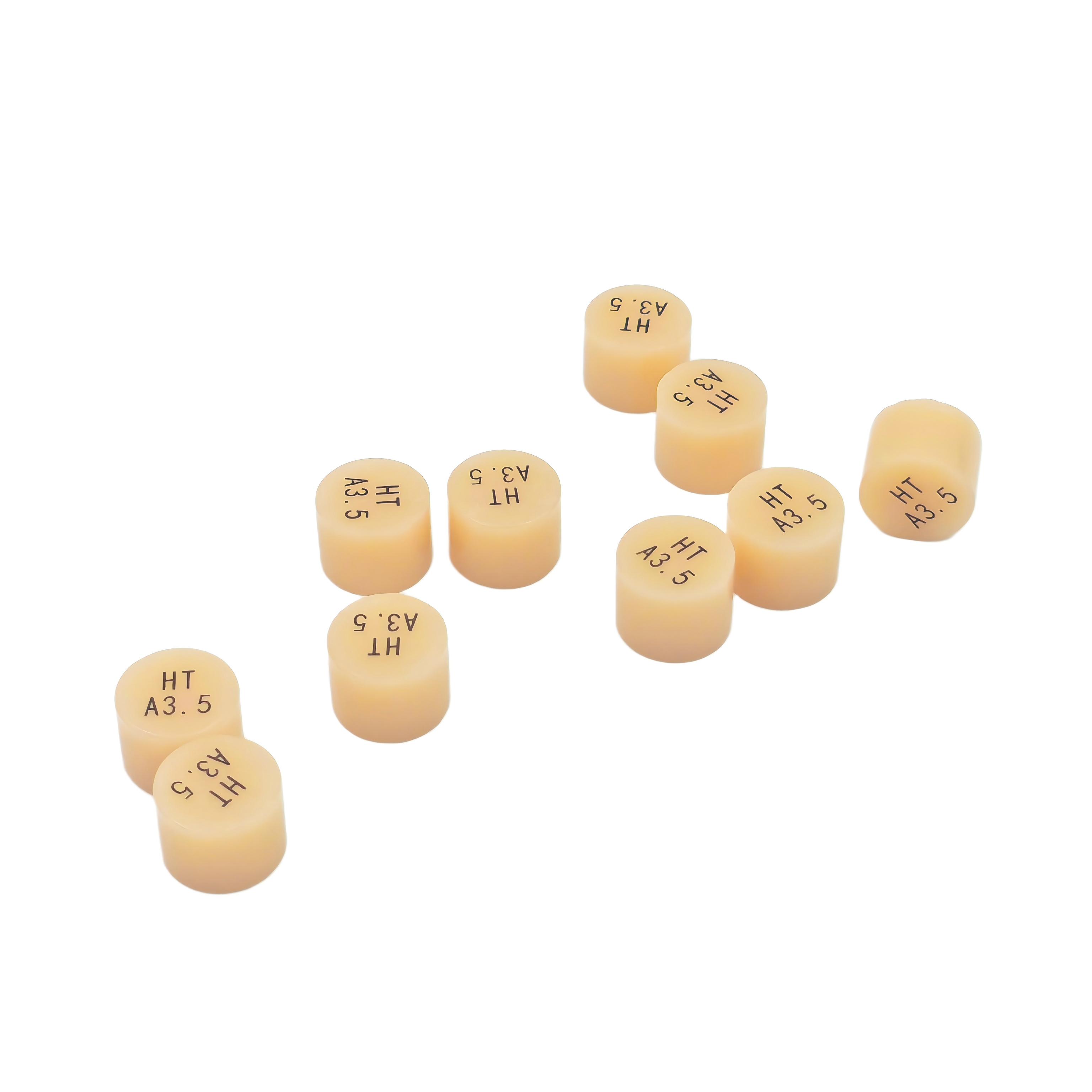
Finishing a dental press ingot requires precision, expertise, and the right collection of specialized tools to achieve the high-quality restorations that dental laboratories demand. The process of transforming a dental press ingot from its initial cast state into a clinically ready restoration involves multiple finishing stages, each requiring specific instruments designed to handle the unique properties of pressed dental materials. Understanding which finishing tools deliver the best results will directly impact the efficiency, accuracy, and final quality of your dental press ingot work. This comprehensive guide explores the essential finishing tools for dental press ingot preparation, helping laboratory professionals optimize their workflow and produce consistently excellent restorations.
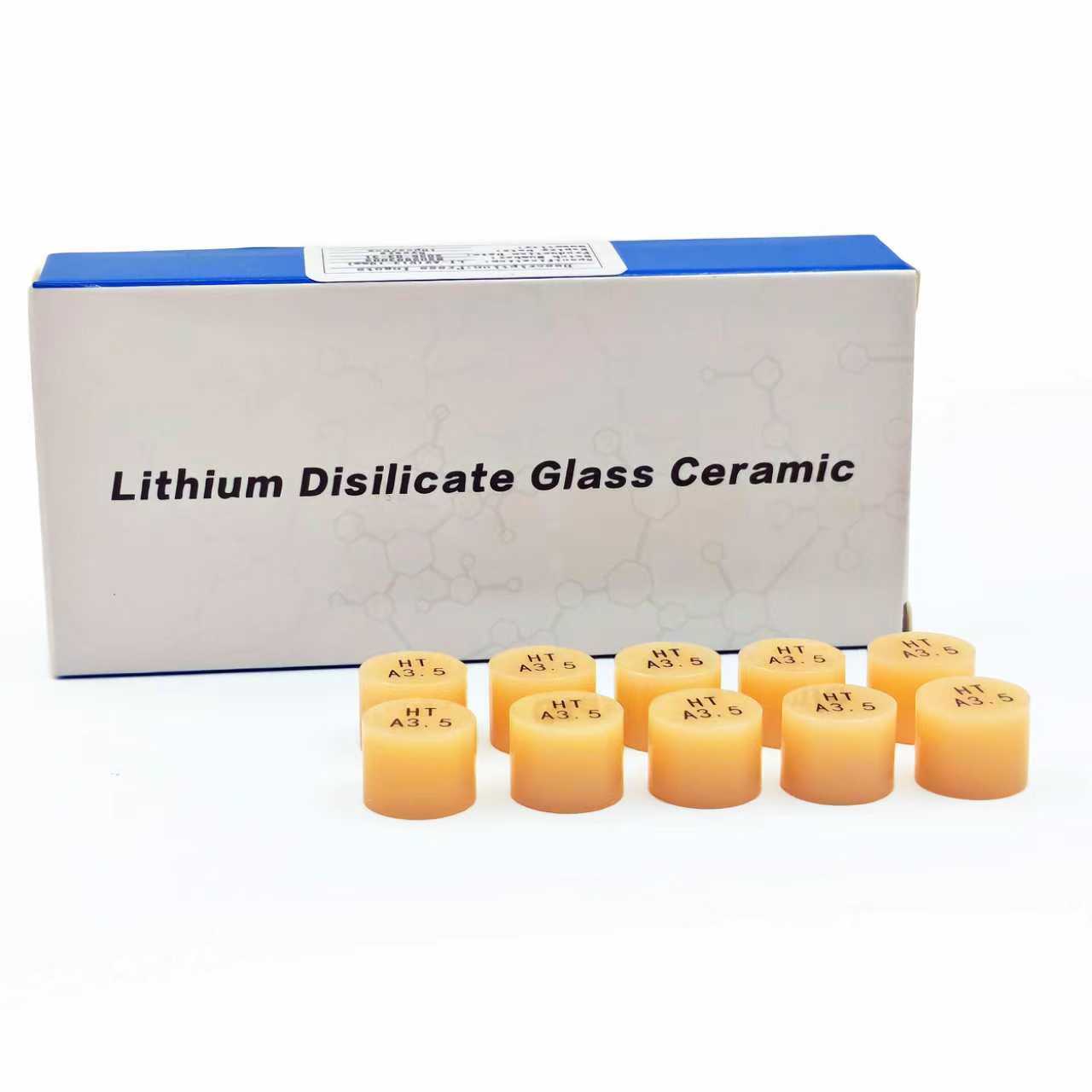
The finishing stage is critical because it determines how well your dental press ingot meets clinical requirements for fit, surface quality, and aesthetic appeal. Improper tool selection or technique can compromise the material's integrity, create surface defects, or result in prolonged chairside adjustments. By selecting the appropriate finishing tools for dental press ingot work and mastering their applications, laboratory technicians can reduce processing time, minimize material waste, and deliver superior restorations consistently.
Essential Finishing Tools for Dental Press Ingot Processing
Cutting and Grinding Tools
Cutting and grinding tools form the foundation of dental press ingot finishing work. High-speed handpieces equipped with tungsten carbide burs are essential for removing investment material and refining the external contours of your dental press ingot. These burs cut efficiently without generating excessive heat that could compromise the material's metallurgical properties. Carbide finishing burs in various shapes—including tapered, round, and flat designs—allow technicians to address different anatomical features and surface requirements across the dental press ingot restoration.
Diamond-coated finishing burs represent another critical component in the finishing toolkit for dental press ingot applications. Diamond burs provide superior cutting efficiency for final contouring and smoothing operations on your dental press ingot, particularly when working with ceramic-reinforced or high-strength alloys. The sequential use of progressively finer diamond burs on your dental press ingot ensures smooth transitions and minimal surface scratches that would require extensive polishing to correct.
Polishing and Surface Refinement Tools
After initial grinding and shaping, polishing tools complete the transformation of your dental press ingot from a rough casting to a clinically acceptable restoration. Rubber polishing wheels and silicone carbide polishing points are specifically designed to create smooth, bright surfaces on pressed dental materials. These tools work effectively on a dental press ingot because they remove fine scratches and surface irregularities without removing significant material bulk. Using progressively finer polishing abrasives ensures that your dental press ingot achieves a uniform, lustrous finish that looks professional and enhances the restoration's longevity.
Specialized polishing pastes formulated for dental alloys must accompany your polishing tools when finishing a dental press ingot. These pastes contain fine abrasive particles suspended in a carrier medium that facilitates smooth polishing action. When properly applied to your dental press ingot restoration using appropriate polishing wheels, these pastes deliver excellent results while minimizing scratching or material loss. The combination of properly selected polishing tools and high-quality polishing compounds ensures your dental press ingot emerges with the aesthetic and functional qualities that clinicians and patients expect.
Advanced Techniques for Dental Press Ingot Finishing
Surface Preparation and Material-Specific Considerations
Every dental press ingot material requires slightly different finishing approaches based on its composition and hardness characteristics. High-gold-content dental press ingot restorations finish readily with conventional carbide and diamond tools but benefit from specific polishing sequences to achieve maximum brilliance. Palladium-based dental press ingot alloys require careful attention to avoid work-hardening during the finishing process, which can lead to brittle surfaces susceptible to chipping. Base metal dental press ingot restorations demand more aggressive initial grinding but respond well to fine polishing once the investment material is completely removed.
Understanding the specific alloy composition of your dental press ingot before beginning the finishing process allows you to select the most appropriate tool sequence and speeds. Manufacturers typically provide material specifications for each dental press ingot type, including recommended bur speeds and finishing procedures. Following these guidelines ensures that your dental press ingot finishing process preserves the material's mechanical properties while achieving optimal surface quality and accuracy.
Quality Control and Inspection Methods
Systematic inspection throughout the finishing workflow prevents defects from reaching the final stages of your dental press ingot restoration. Visual examination under magnification reveals surface defects, remaining investment material, or inadequate contours on your dental press ingot that require correction. Using measuring instruments such as digital calipers or precision gauges ensures that your dental press ingot dimensions remain within specified tolerances throughout the finishing process. Regular quality checks at each stage of the finishing sequence for your dental press ingot allow technicians to identify and correct problems immediately rather than discovering issues after the restoration is complete.
Documentation of finishing procedures for each dental press ingot case creates valuable records that support continuous improvement and troubleshooting. Recording the specific burs used, polishing sequences, and timing for each dental press ingot restoration helps identify which techniques produce the most consistent, highest-quality results. This systematic approach to finishing dental press ingot restorations builds expertise and efficiency over time, ultimately improving laboratory productivity and clinician satisfaction.
Optimizing Your Dental Press Ingot Finishing Workflow
Tool Maintenance and Longevity
Properly maintained finishing tools directly impact both the efficiency and quality of your dental press ingot processing work. Carbide burs used for dental press ingot finishing require gentle handling and should be cleaned thoroughly after each use to prevent material buildup that can cause vibration or poor cutting performance. Storing your dental press ingot finishing burs in a protected environment away from moisture and excessive temperature fluctuations preserves their cutting edges and extends their useful lifespan considerably.
Regular inspection of all finishing equipment used on your dental press ingot restorations ensures that handpieces maintain proper speed stability and bearing smoothness. Worn handpieces introduce vibration that compromises the finishing quality of your dental press ingot and can introduce dimensional errors. Replacing worn equipment promptly prevents the frustration of difficult finishing sessions and maintains consistent results across all your dental press ingot cases.
Efficiency and Best Practice Integration
Organizing your finishing tools for dental press ingot work in a logical sequence based on their use in the finishing process reduces handling time and minimizes the risk of forgetting critical steps. Establishing a standardized finishing protocol for dental press ingot restorations ensures that every case receives identical attention and processing quality. This protocol should specify the exact sequence of burs and polishing tools, recommended speeds, and target outcomes for your dental press ingot at each stage.
Training new laboratory staff on the proper techniques for finishing a dental press ingot using your selected tools and established protocols builds consistency and reduces scrap rates. Experienced technicians can mentor newer team members, sharing practical insights about tool selection and technique refinement for dental press ingot finishing. This investment in team development pays dividends through improved efficiency, higher quality restorations, and increased laboratory capacity for handling dental press ingot cases.
FAQ
What is the most important first step when finishing a dental press ingot?
The most critical initial step for finishing a dental press ingot involves carefully removing all remaining investment material without damaging the underlying restoration. Begin with appropriate-sized carbide burs at moderate speeds to eliminate bulk investment, then progressively switch to finer burs for detailed work around marginal areas and internal surfaces of your dental press ingot. Taking time with this phase prevents damage that becomes difficult or impossible to correct later in the dental press ingot finishing process.
How can I prevent surface defects while finishing a dental press ingot?
Preventing surface defects during dental press ingot finishing requires using properly maintained tools at appropriate speeds and employing careful technique throughout every stage. Avoid excessive pressure that can cause bur breakage or chattering, which leaves gouges on your dental press ingot surface. Use light, controlled strokes and allow the cutting tool to do the work rather than forcing the bur through material, ensuring your dental press ingot maintains the smooth, defect-free surface that characterizes high-quality restorations.
Which polishing approach works best for different dental press ingot alloy types?
Different alloy compositions in your dental press ingot respond best to customized finishing approaches based on their hardness and material properties. High-precious-metal dental press ingot restorations typically achieve excellent results with fine diamond polishing followed by rouge or specialized precious metal polishing compounds. Base metal and palladium-based dental press ingot restorations may require more aggressive intermediate polishing steps before fine finishing to achieve comparable surface quality, though the fundamental goal of delivering a smooth, lustrous finish on your dental press ingot remains consistent across all alloy types.