
 EN
EN
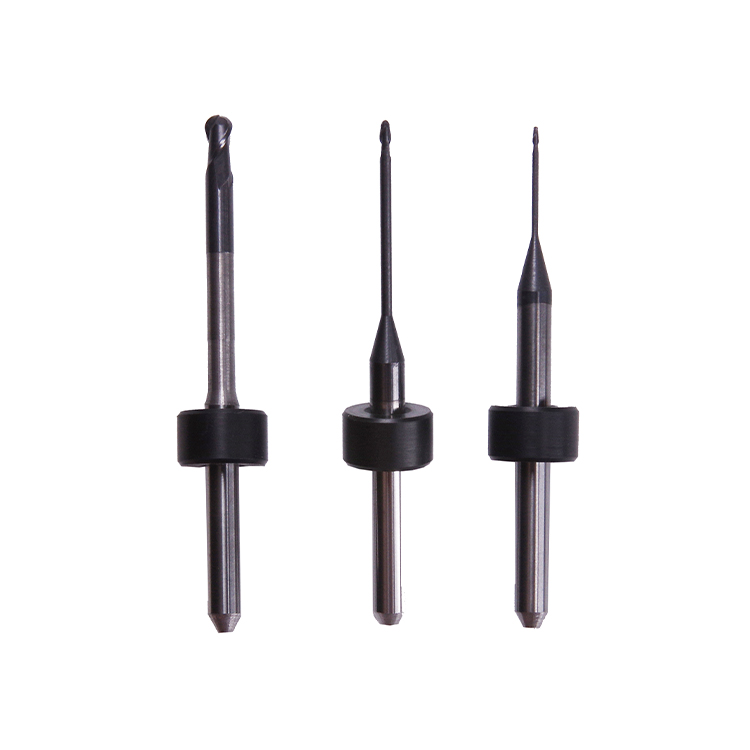
Dental laboratories that work with zirconia restorations face a critical material challenge that directly impacts their operational efficiency and final product quality. Standard milling burs designed for softer materials like composite or porcelain simply cannot withstand the extreme hardness of zirconia, which ranks among the most durable ceramics available in modern dentistry. Understanding why specialized milling burs are essential for zirconia work is fundamental to achieving consistent clinical outcomes, maintaining equipment longevity, and optimizing lab workflows.
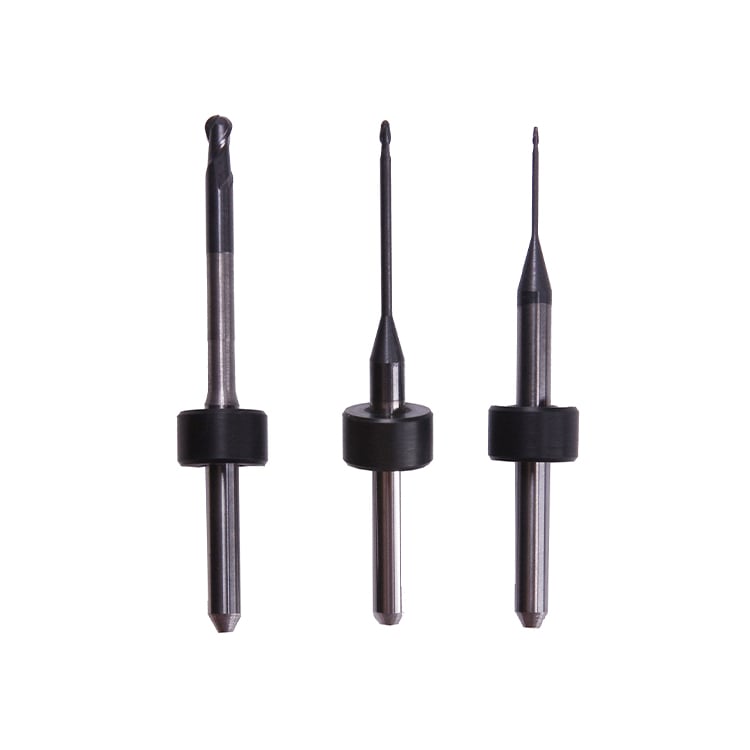
The demand for zirconia restorations continues to grow across cosmetic and restorative dentistry, making the investment in proper milling burs a business necessity rather than an optional upgrade. Laboratories that attempt to process zirconia with inadequate tooling face accelerated wear, increased heat generation, tool breakage, and dimensional inaccuracies that compromise the fit and longevity of final restorations. This article explores the material science behind why zirconia demands specialized milling burs, the specific performance characteristics these tools must possess, and the practical benefits that proper milling bur selection delivers to dental lab operations.
Material Properties and the Hardness Challenge
Understanding Zirconia's Exceptional Hardness
Zirconia ranks significantly harder than traditional ceramic materials, with a Vickers hardness that often exceeds 1200 HV, compared to approximately 800 HV for porcelain. This extreme hardness means that standard milling burs designed for general-purpose ceramic work cannot generate sufficient cutting efficiency or maintain edge sharpness when processing zirconia. The unique crystalline structure of zirconia creates abrasive resistance that quickly dulls conventional cutting edges, resulting in poor surface finish, slower production rates, and premature tool failure. Specialized milling burs engineered for zirconia address this challenge through advanced abrasive grain selection, optimized binder chemistry, and precision manufacturing that enables sustained cutting performance even under the thermal and mechanical stress of high-speed machining.
Thermal Stability During Milling
Zirconia machining generates substantial frictional heat that can reach critical temperatures if standard milling burs are used, potentially causing tool deformation and workpiece damage. The heat generation during zirconia processing demands milling burs with superior thermal stability, meaning the cutting edges must maintain hardness and geometric precision even as cutting temperatures spike during high-speed operations. Specialized milling burs designed for zirconia typically employ advanced binder formulations that preserve molecular structure at elevated temperatures, ensuring that the tool remains geometrically stable and maintains consistent cutting action throughout extended production runs. Without this thermal performance characteristic, generic milling burs degrade rapidly, requiring frequent tool changes that disrupt lab scheduling and inflate operational costs.
Performance Advantages of Specialized Milling Burs
Extended Tool Life and Cost Efficiency
Specialized milling burs engineered specifically for zirconia deliver significantly extended tool life compared to general-purpose alternatives, directly improving the bottom-line economics of dental laboratory operations. A single set of properly selected milling burs designed for zirconia can process substantially more restorations before requiring replacement, reducing the frequency of tool changes and the associated downtime that interrupts milling schedules. The cost per restoration drops substantially when milling burs maintain cutting edge sharpness and geometric accuracy across hundreds of units, whereas generic burs degrade after processing only dozens of zirconia pieces. This extended lifecycle means that laboratories investing in quality milling burs specifically formulated for zirconia achieve rapid cost recovery through reduced tool expenses, improved machine utilization, and faster restoration delivery to clinical partners.
Precision and Surface Quality
The fit accuracy and esthetic quality of zirconia restorations depend critically on the precision that milling burs can maintain throughout the machining process. Specialized milling burs designed for zirconia produce surfaces with tighter dimensional tolerances and superior finish quality, reducing the need for manual finishing, polishing, or adjustment that adds labor costs and extends turnaround times. When milling burs maintain sharp cutting edges and consistent geometry, the resulting zirconia margins fit more accurately on prepared teeth, reducing the need for cementation adjustments and improving long-term clinical outcomes. The superior surface finish produced by appropriate milling burs also enhances the visual appearance of final restorations, reducing the likelihood of esthetic touchups that consume additional lab time and delay delivery to the patient.
Equipment Protection and Production Reliability
Preventing Spindle Damage and Downtime
Attempting to mill zirconia with inadequate milling burs imposes excessive mechanical and thermal stress on milling equipment, potentially causing spindle bearing wear, cooling system strain, and component failure that necessitates expensive repairs and extended downtime. Specialized milling burs designed for zirconia operate within the optimal performance window for equipment, generating appropriate cutting forces, heat levels, and tool vibration that preserve equipment integrity across thousands of operating hours. When laboratories use generic milling burs on zirconia, the excessive cutting resistance and heat buildup force equipment to work outside design parameters, accelerating wear on critical components and potentially triggering catastrophic failures. Investing in properly specified milling burs protects capital equipment investments, ensures consistent production availability, and minimizes the unexpected downtime that disrupts lab schedules and damages professional relationships with referring dentists.
Vibration and Chatter Reduction
The geometric precision and weight distribution engineered into specialized milling burs for zirconia contribute to lower vibration and chatter during machining, which directly benefits both equipment longevity and restoration quality. Excessive vibration during zirconia milling creates stress points in the restoration that may lead to fracture under clinical function, and also accelerates bearing wear in milling equipment. Specialized milling burs balance cutting efficiency with vibration dampening characteristics, producing stable cutting action that protects equipment and delivers superior restoration integrity. This combination of equipment protection and quality improvement makes specialized milling burs an investment that pays dividends across multiple performance dimensions simultaneously.
Workflow Integration and Production Planning
Selecting the Right Bur Geometries
Dental laboratories working with zirconia must select from a range of specialized milling bur geometries designed for different milling stages and restoration types, including rough finishing burs, fine finishing burs, and specialized burs for margin refinement. Each geometry classification of milling burs serves a specific function in the milling workflow, and understanding how to integrate the correct sequence of milling burs into production protocols is essential for achieving consistent quality and efficiency. Laboratories that standardize on a complete set of specialized milling burs designed for zirconia can develop reliable, repeatable workflows that minimize scrap rates, reduce rework, and accelerate production cycles. The availability of milling burs in various geometries ensures that technicians can select the most appropriate tool for each stage of the restoration milling process, maximizing efficiency and minimizing the risk of dimensional drift or surface quality variations.
Staff Training and Technique Optimization
Training laboratory staff to properly use specialized milling burs designed for zirconia includes understanding optimal feed rates, spindle speeds, and cooling strategies that maximize tool life and restoration quality. Laboratories that implement comprehensive training programs on milling bur selection, application techniques, and maintenance practices develop consistent production standards and reduce the variability that typically occurs when staff use incorrect tool speeds or inadequate cooling. Specialized milling burs for zirconia often require slightly different parameter settings compared to general-purpose burs, and staff familiarity with these requirements ensures that each tool operates at peak efficiency. Documentation of milling bur performance data, tool life metrics, and cost per restoration helps laboratory managers track the return on investment in specialized tooling and identify optimization opportunities across the production workflow.
FAQ
Why can't standard milling burs process zirconia effectively?
Standard milling burs lack the hardness and thermal stability required to cut zirconia efficiently, causing rapid edge dulling, excessive heat generation, and premature tool failure. Zirconia's extreme hardness quickly overwhelms generic bur abrasives, resulting in poor surface finish, dimensional inaccuracy, and interrupted production schedules. Specialized milling burs incorporate advanced abrasive formulations and binder chemistry specifically engineered to maintain cutting performance under the demanding conditions of zirconia machining.
How do specialized milling burs improve laboratory economics?
Specialized milling burs designed for zirconia extend tool life dramatically compared to generic alternatives, reducing the frequency of tool changes and associated downtime. The lower cost per restoration achieved through extended milling bur lifecycle quickly offsets the initial investment in premium tooling, while improved surface quality and dimensional accuracy reduce manual finishing time and rework rates. Laboratories switching to appropriate milling burs typically recover their tooling investment within weeks of implementation while simultaneously improving restoration quality and delivery speed.
What happens if laboratories continue using inadequate milling burs for zirconia?
Attempting to process zirconia with standard milling burs imposes excessive stress on equipment, accelerating spindle bearing wear and potentially causing costly equipment failures. Poor restoration quality, dimensional inaccuracy, and frequent chipping or fractures increase scrap rates and customer complaints, damaging professional reputation. Long-term use of inadequate milling burs for zirconia becomes economically unsustainable, as increasing tool costs, equipment repairs, and labor for rework eliminate profitability on zirconia cases.