
 EN
EN
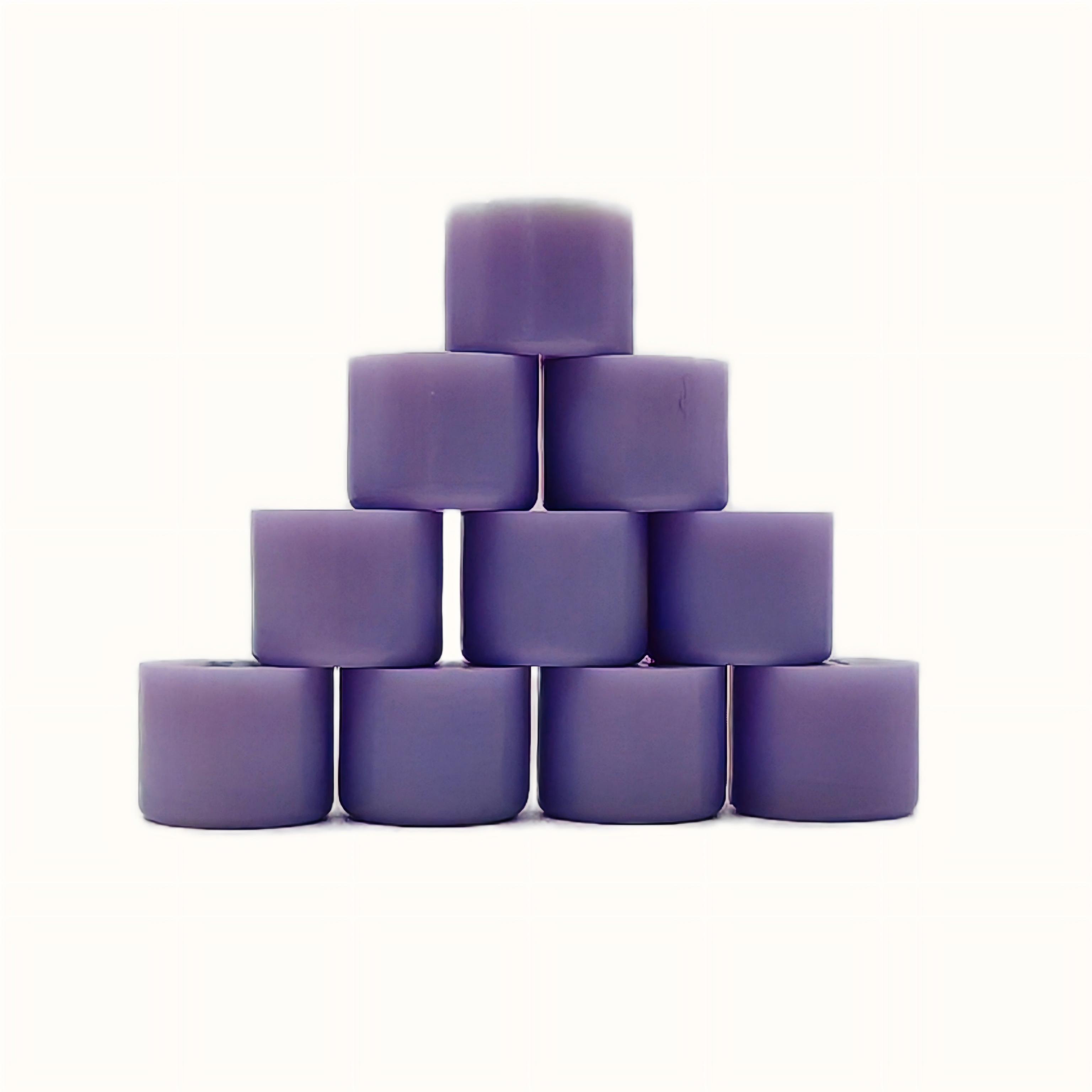
Selecting the appropriate translucency level for a dental press ingot is a critical decision that directly impacts both the aesthetic quality and functional performance of your final restoration. Dentists and laboratory technicians working with pressed ceramic restorations must understand how translucency affects light transmission, color matching, and the overall clinical outcome. The choice between different translucency options within a dental press ingot system determines whether your restoration will appear natural, vibrant, or overly opaque when seated in the patient's mouth.
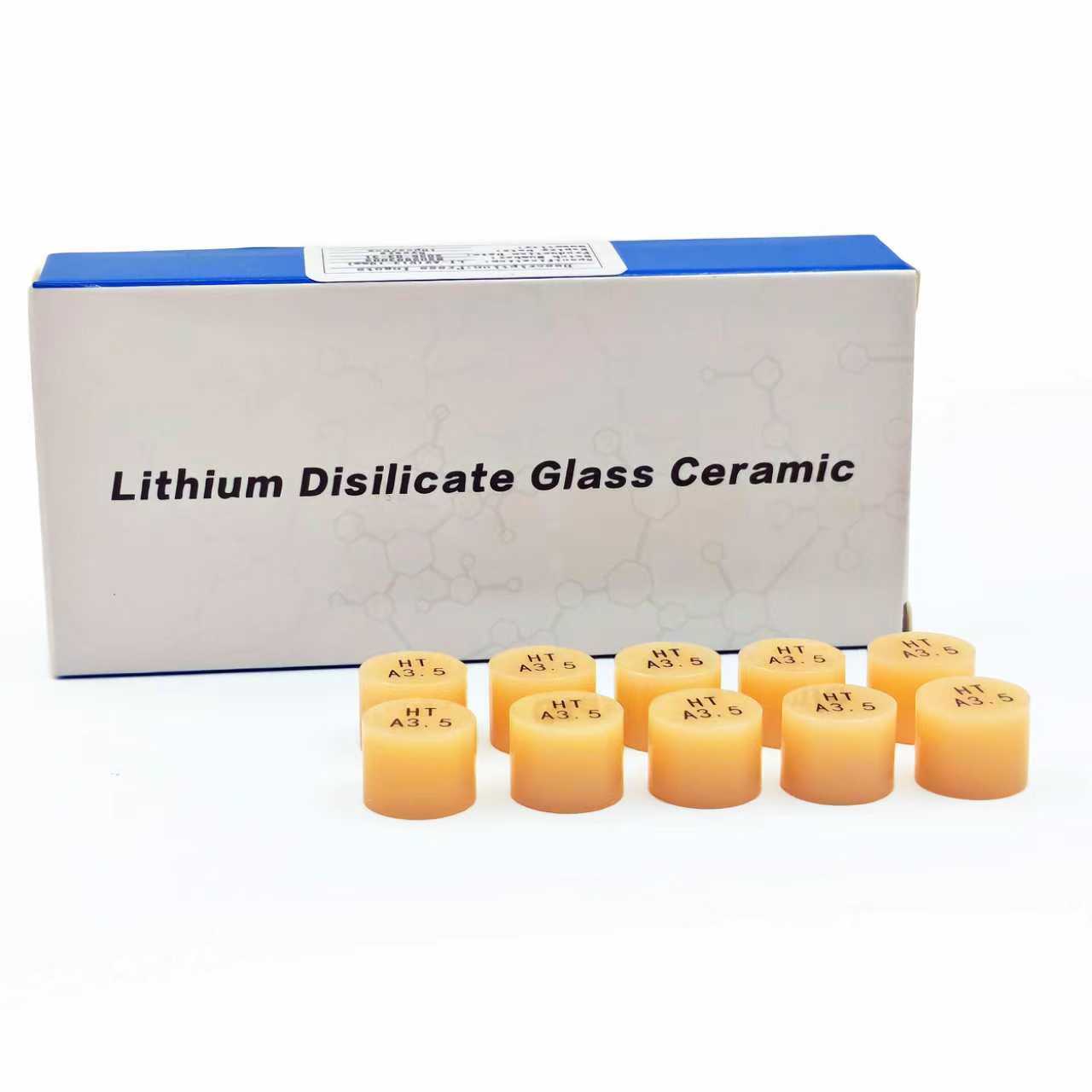
The process of selecting a dental press ingot requires careful consideration of multiple clinical variables, including tooth position, surrounding tooth shade, patient expectations, and the specific restoration indication. Understanding the relationship between dental press ingot translucency and final restoration appearance helps you make informed decisions that enhance both clinical success and patient satisfaction. This comprehensive guide walks you through the essential factors that influence your dental press ingot selection process.
Understanding Dental Press Ingot Translucency Fundamentals
What Translucency Means in Dental Press Ingot Systems
Translucency in a dental press ingot refers to the degree to which light passes through the material rather than being blocked or scattered. A highly translucent dental press ingot allows substantial light penetration, creating a more natural appearance similar to natural tooth structure. Conversely, an opaque dental press ingot restricts light transmission, resulting in a more uniform color appearance that can provide better coverage over discolored tooth structures. The translucency characteristic of any dental press ingot directly influences how the restoration interacts with underlying tooth structure, preparation depth, and ambient lighting conditions.
Light Transmission and Clinical Impact
When you press a dental press ingot into its final shape, the resulting restoration's translucency properties remain consistent throughout the material. Light that enters through the incisal edge or occlusal surface will travel through the material thickness, and the degree of transmission depends on the specific dental press ingot formulation. A translucent dental press ingot allows light to reach the underlying tooth preparation, which means discolored preparations or dark dentin will show through the restoration. Understanding this optical behavior helps you anticipate the final result and choose the appropriate dental press ingot translucency level for each clinical situation.
Clinical Factors for Selecting Dental Press Ingot Translucency
Tooth Position and Aesthetic Zones
The anatomical position of the tooth requiring restoration significantly influences which dental press ingot translucency level will produce optimal results. Anterior teeth typically benefit from higher translucency options with a translucent dental press ingot because patients and observers view these teeth under direct lighting with high aesthetic expectations. The incisal edges of anterior teeth naturally display translucency in natural dentition, so selecting a translucent dental press ingot matches patient expectations and creates a more lifelike appearance. Posterior teeth tolerate more opacity, making an opaque dental press ingot an excellent choice for premolars and molars where function and durability often take priority over maximum translucency effects.
Underlying Tooth Structure Characteristics
The color and condition of the prepared tooth fundamentally affects your dental press ingot translucency selection. If the underlying preparation displays a healthy, light shade with minimal discoloration, a translucent dental press ingot will showcase this natural foundation and create excellent aesthetic integration. However, when the prepared tooth shows significant discoloration, existing restorations, or dark dentin exposure, selecting an opaque dental press ingot becomes necessary to mask these problems. A dental press ingot with moderate translucency offers a compromise option that provides some masking capability while retaining partial natural light effects, making it suitable for moderately compromised preparations.
Matching Patient Expectations and Restoration Indications
Shade Matching Considerations
Successful shade matching requires understanding how dental press ingot translucency interacts with tooth color and surrounding dentition. When selecting a dental press ingot shade, you must account for how translucency levels will modify color appearance during wear. A translucent dental press ingot selected in one shade will appear distinctly different when seated compared to the same shade in an opaque dental press ingot version. This occurs because light transmission through a translucent dental press ingot blends the underlying tooth color with the ingot's inherent shade, creating a blended final appearance. Opaque dental press ingot options deliver more predictable color rendering since light cannot pass through to underlying tooth structure, allowing the ingot's selected shade to dominate the final restoration appearance.
Specific Clinical Indications
Different restoration types and clinical situations call for specific dental press ingot translucency characteristics. Full contour crowns for anterior teeth often benefit from a translucent dental press ingot that creates maximum optical depth and natural appearance. Veneers and overlays require a translucent dental press ingot because these thin restorations depend on light transmission to achieve their characteristic natural look. When fabricating crowns over implants in the anterior region, selecting an intermediate translucency dental press ingot provides aesthetic sophistication while maintaining adequate opacity to conceal implant darkness. Root canal treated teeth requiring crowns often necessitate an opaque dental press ingot to mask the darkened internal structure that typically results from endodontic treatment.
Practical Selection Workflow and Decision Making
Assessment Process for Translucency Choice
Begin your selection process by carefully evaluating the prepared tooth surface under standardized lighting conditions. Examine whether the preparation shows healthy dentin or presents with discoloration, prior restorative material, or endodontically treated characteristics. Consider the restoration type, anatomical location, and the patient's specific expectations regarding natural appearance versus coverage capability. Document the surrounding tooth shades and any specific patient concerns about color matching or restoration prominence. This systematic assessment provides the foundation for confidently selecting the dental press ingot translucency level that will deliver your desired clinical outcome.
Communication with Laboratory Partners
Clear communication with your dental laboratory ensures the selected dental press ingot translucency specification translates into the intended restoration. Provide detailed prescriptions that specify your chosen dental press ingot translucency level alongside shade information, preparation characteristics, and any special instructions. High-quality laboratories maintain comprehensive dental press ingot systems offering multiple translucency options, allowing technicians to honor your specific translucency preference. When working with new laboratory partners, request sample cases demonstrating their dental press ingot fabrication results across different translucency levels to verify their execution quality aligns with your clinical expectations.
FAQ
How does dental press ingot translucency affect the final restoration appearance?
Translucency in a dental press ingot directly controls light transmission through the restoration material. Translucent options allow light to pass through to the underlying tooth preparation, blending preparation color with the ingot shade for a natural effect. Opaque dental press ingot materials restrict light transmission, allowing the ingot's selected shade to dominate and providing superior coverage for discolored preparations. The specific translucency level you choose fundamentally shapes whether your restoration will appear naturally integrated or uniformly colored.
When should I choose an opaque dental press ingot versus a translucent option?
Select an opaque dental press ingot when the underlying preparation shows significant discoloration, existing dark restorations, or endodontically treated tooth characteristics that would show through a translucent restoration. Choose a translucent dental press ingot for anterior teeth with healthy, light-colored preparations where maximizing natural appearance and light effects is the primary goal. Intermediate translucency dental press ingot options work well for moderately compromised preparations or situations requiring a balance between aesthetic translucency and masking capability.
Can I adjust dental press ingot translucency during the restoration fabrication process?
The translucency characteristic of a dental press ingot is inherent to the material and determined during the ingot manufacturing process rather than something adjustable during restoration fabrication. Once you select a specific dental press ingot translucency level from your available material options, that translucency remains constant throughout pressing, glazing, and finishing procedures. This is why selecting the correct dental press ingot translucency at the outset proves so important for achieving your intended clinical outcome.