
 EN
EN
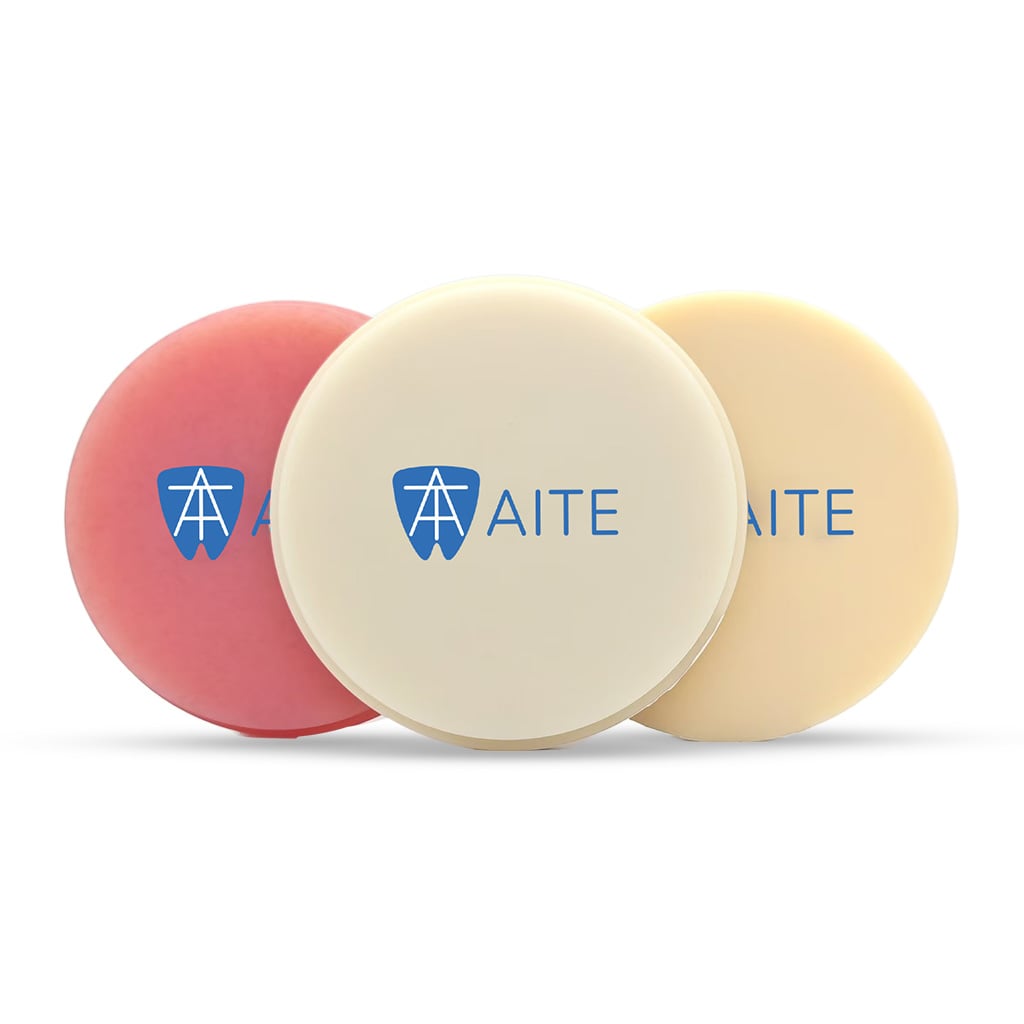
Selecting the right dental PMMA for your dental laboratory or clinical practice requires understanding the key differentiators among available brands. Dental PMMA has become a cornerstone material in modern prosthodontics, used extensively for temporary crowns, dentures, implant abutments, and other restorative applications. However, not all dental PMMA formulations deliver the same level of performance, esthetics, or longevity. The process of comparing dental PMMA brands involves evaluating multiple technical and clinical criteria that directly impact patient outcomes and laboratory efficiency.
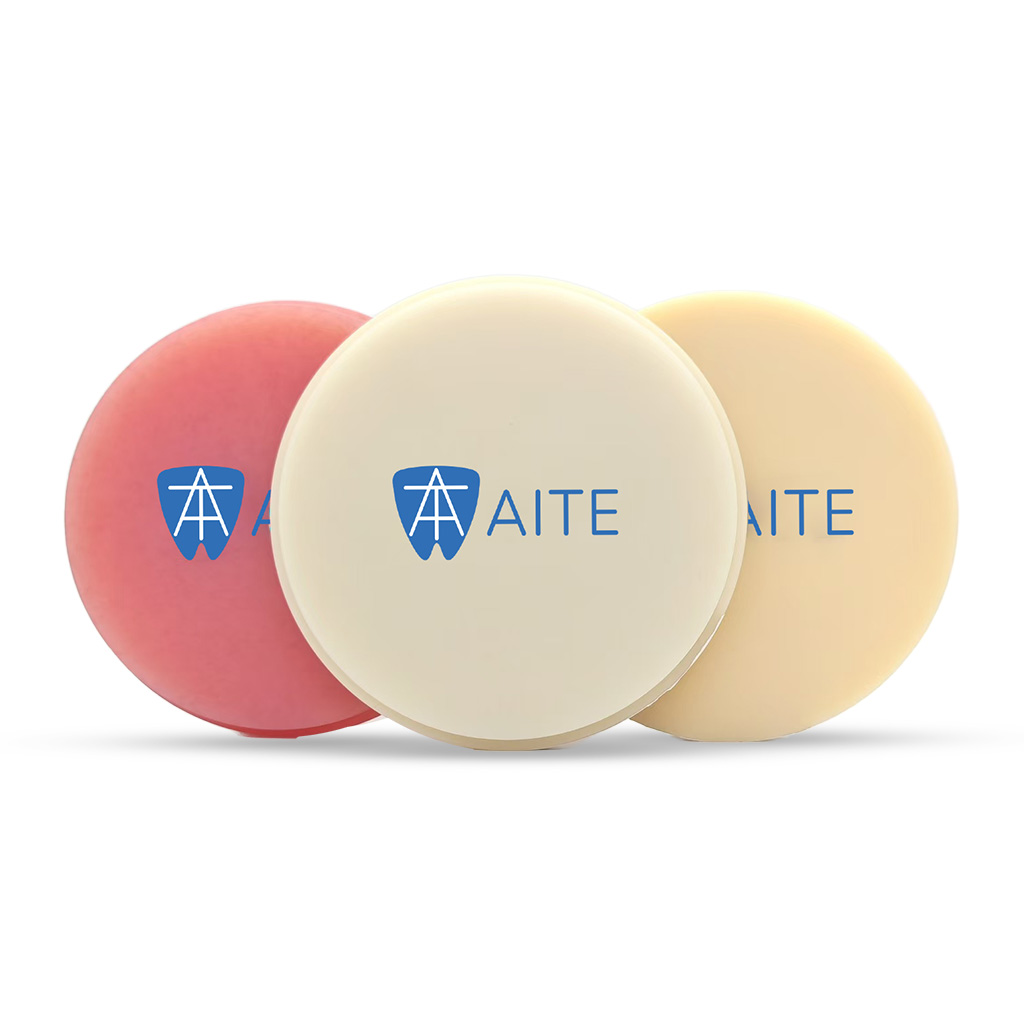
Understanding how to compare dental PMMA brands is essential for procurement professionals, laboratory directors, and clinicians who depend on consistent material performance. Each dental PMMA brand brings distinct advantages in terms of handling characteristics, color stability, surface finish, and biocompatibility profile. By establishing a structured comparison framework, dental professionals can confidently select the dental PMMA that best aligns with their clinical requirements and budget constraints.
Understanding Key Material Properties of Dental PMMA
Polymer Composition and Manufacturing Quality
The foundation of any effective dental PMMA comparison starts with understanding polymer composition. High-quality dental PMMA is manufactured using advanced polymerization techniques that minimize residual monomer content and ensure uniform molecular weight distribution. When comparing dental PMMA brands, examine the manufacturing standards, certifications, and raw material sourcing practices. Dental PMMA from reputable brands typically undergoes rigorous quality control testing to confirm that each batch meets strict biocompatibility and mechanical property specifications.
Different dental PMMA formulations incorporate varying levels of reinforcing agents, plasticizers, and colorants. These additives influence the handling characteristics and long-term stability of the material. Brands that disclose detailed composition information and third-party testing data demonstrate transparency and commitment to material excellence. When evaluating dental PMMA, request technical datasheets that outline monomer residue limits, molecular weight, and glass transition temperature specifications.
Biocompatibility and Safety Standards
Biocompatibility is a non-negotiable criterion when comparing dental PMMA brands. All dental PMMA must comply with ISO 20795-1 standards for denture base polymers and relevant cytotoxicity requirements. Dental PMMA used in direct contact with oral tissues must demonstrate low cytotoxicity, minimal allergenic potential, and excellent tissue tolerance. Compare brands based on their biocompatibility test results, including cell culture studies and animal toxicity assessments conducted by accredited laboratories.
The presence of residual monomer in dental PMMA directly affects biocompatibility outcomes. Lower monomer leaching translates to reduced tissue irritation and improved patient comfort over extended wearing periods. Dental PMMA brands that incorporate post-polymerization processing methods or advanced heat treatment protocols typically achieve superior biocompatibility profiles compared to conventional formulations.
Evaluating Esthetic and Mechanical Performance
Color Stability and Shade Range
Esthetic excellence distinguishes premium dental PMMA brands from basic alternatives. When comparing dental PMMA options, assess the available shade range and evaluate how consistently the material maintains color over time. High-quality dental PMMA resists discoloration from food stains, beverages, and environmental exposure. Examine brand-specific shade guides and request sample test blocks to verify color matching accuracy and stability under various lighting conditions.
The incorporation of UV stabilizers and advanced colorant systems significantly impacts long-term esthetic performance in dental PMMA applications. Dental PMMA formulations with superior colorant dispersion and light-resistant additives maintain translucency and shade fidelity for several years without yellowing or fading. This esthetic consistency is particularly critical for anterior restorations and full denture cases where color match to natural teeth directly influences clinical success and patient satisfaction.
Mechanical Strength and Durability
Mechanical properties form the backbone of any dental PMMA comparison. Assess flexural strength, impact resistance, hardness, and wear resistance across candidate brands. Dental PMMA with higher flexural strength demonstrates superior resistance to fracture under functional loading, particularly in high-stress regions such as denture clasps or implant abutments. Request ISO-certified test data documenting tensile strength, compressive strength, and elongation at break for each dental PMMA formulation under consideration.
The surface hardness of dental PMMA influences its resistance to scratching and abrasion during clinical use and maintenance procedures. Premium dental PMMA brands often achieve hardness values exceeding Shore D 80, ensuring excellent surface durability and resistance to hygiene instruments. Additionally, evaluate the material's resistance to thermal cycling and chemical degradation from denture cleansers, as these factors directly impact the long-term dimensional stability and performance of dental PMMA restorations in clinical environments.
Practical Comparison Methodology and Selection Criteria
Testing and Validation Protocols
Implementing a structured testing protocol strengthens your dental PMMA brand comparison process. Create sample restorations using candidate dental PMMA materials and conduct side-by-side evaluations under identical fabrication, processing, and finishing conditions. Document handling characteristics, ease of adjustment, polish quality, and fit accuracy for each dental PMMA brand tested. This practical validation ensures that laboratory performance and chairside handling align with documented material specifications.
Request accelerated aging data and clinical trial results from manufacturers before finalizing your dental PMMA selection. Reputable brands invest in long-term clinical studies demonstrating patient outcomes, color retention, and complication rates. Dental PMMA that has been clinically validated over multiple years of real-world use provides greater confidence than newly formulated alternatives lacking field evidence. Document your testing findings and establish internal benchmarks to maintain consistency in future dental PMMA procurement decisions.
Cost-Benefit Analysis and Supply Chain Considerations
While cost is a significant factor in dental PMMA procurement, prioritize value over lowest price alone. Evaluate the total cost of ownership, including material waste during processing, rework rates, and clinical adjustments required for each dental PMMA brand. Higher-quality dental PMMA may command a premium price but often delivers superior handling characteristics, reduced laboratory time, and fewer chairside modifications, ultimately lowering total treatment costs.
Assess the supply chain reliability and consistency of candidate dental PMMA brands. Verify manufacturer certifications, batch consistency documentation, and availability of consistent shade lots and material specifications. Dental PMMA suppliers that maintain strict quality standards, provide technical support, and offer reliable delivery schedules deserve preference over vendors with inconsistent product quality or supply interruptions. Establish relationships with dental PMMA manufacturers that demonstrate commitment to innovation, customer support, and continuous product improvement.
FAQ
What are the main differences between dental PMMA brands?
Different dental PMMA brands vary in polymer composition, manufacturing processes, biocompatibility profiles, shade range options, mechanical strength values, and color stability characteristics. Premium dental PMMA brands typically incorporate advanced additives for UV protection, improved surface finish, and enhanced handling properties. Budget dental PMMA formulations may meet basic clinical requirements but often sacrifice esthetic consistency, biocompatibility performance, or long-term durability. Selecting the appropriate dental PMMA brand depends on your specific clinical application, patient expectations, and quality standards.
How do I verify that a dental PMMA brand meets regulatory standards?
Verify dental PMMA compliance by requesting ISO 20795-1 certification documentation, biocompatibility test reports from accredited laboratories, and regulatory clearance documentation from relevant authorities in your region. Reputable dental PMMA manufacturers provide comprehensive technical documentation, safety data sheets, and third-party test results demonstrating compliance with all applicable standards. Cross-reference manufacturer claims against published regulatory databases and consult with dental material specialists to confirm that candidate dental PMMA brands meet all required safety and performance criteria.
How should I transition to a new dental PMMA brand in my laboratory?
Transition to a new dental PMMA brand gradually by conducting pilot cases with small case volumes before full-scale implementation. Develop modified fabrication protocols specific to the new dental PMMA material, accounting for differences in handling, polymerization, and finishing characteristics compared to your previous brand. Train laboratory technicians on material-specific techniques and document any processing adjustments required to achieve optimal results. Monitor clinical outcomes closely during the transition period and maintain inventory of both materials until the new dental PMMA brand demonstrates consistent performance and technician familiarity.