
 EN
EN
Diagnostic wax-ups represent a critical phase in modern prosthodontic planning, and the choice of material directly impacts treatment outcomes. Dental PMMA has emerged as a preferred solution for professionals seeking precision, reliability, and clinical efficiency in this essential workflow. Unlike traditional alternatives, dental PMMA offers superior dimensional stability and reproducibility, making it an invaluable asset for treatment planning and patient communication. Understanding why dental PMMA should form the foundation of your diagnostic protocols requires examining its unique material properties, clinical advantages, and integration into modern dental practice.
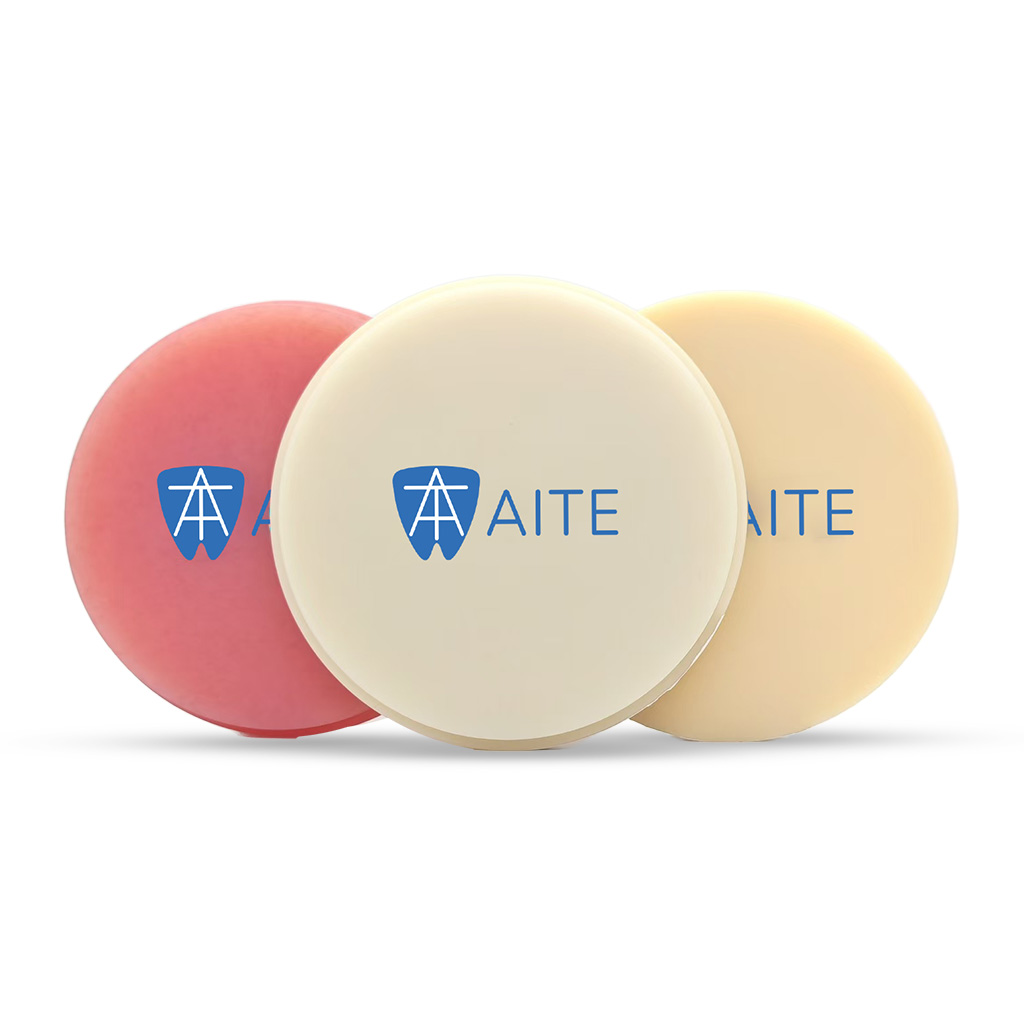
When you select dental PMMA for diagnostic wax-ups, you are investing in a material engineered specifically for the demands of restorative and cosmetic dentistry. The molecular structure of dental PMMA ensures that your diagnostic models remain stable throughout the treatment planning process, eliminating concerns about warping, shrinkage, or distortion that compromise traditional wax formulations. This stability translates directly into more predictable final restorations and greater confidence during case presentation to patients and laboratory technicians.
Material Properties That Define Dental PMMA Performance
Dimensional Stability and Accuracy
One of the primary reasons clinicians choose dental PMMA is its exceptional dimensional stability after setting. Unlike conventional inlay waxes that experience thermal contraction and expansion, dental PMMA maintains its original dimensions across temperature fluctuations encountered in clinical environments. This property ensures that measurements taken from your diagnostic model using dental PMMA remain accurate when the case progresses to fabrication stages. The consistency of dental PMMA eliminates the frustration of discovering dimensional discrepancies between your diagnostic plan and the final restoration, which often occurs with inferior materials.
Precision margins and occlusal anatomy created in dental PMMA reproduce faithfully in the laboratory workflow. When your technician receives a diagnostic wax-up made from dental PMMA, they can confidently reference your specifications without concerns about the model having shifted or warped since your initial planning session. This reproducibility of dental PMMA transforms diagnostic models from rough approximations into precise blueprints for final restoration fabrication.
Workability and Clinical Handling
The handling characteristics of dental PMMA distinguish it from competing materials in diagnostic applications. Dental PMMA reaches setting conditions quickly, yet remains workable long enough to allow fine anatomical refinements and margin adjustments without rushing. This balanced setting profile makes dental PMMA particularly valuable when you need to create complex anatomical features during diagnostic planning. The tactile feedback when working with dental PMMA also provides superior control compared to conventional wax, enabling you to achieve the exact contours and embrasure forms you envision for the final restoration.
Modifications to your diagnostic wax-up created in dental PMMA can be accomplished through strategic material addition and carefully controlled burnishing, without compromising the integrity of your existing anatomy. This reworkability distinguishes dental PMMA from brittle alternatives and enables iterative refinement as you fine-tune your treatment plan during the diagnostic phase.
Clinical Advantages in Treatment Planning Workflows
Enhanced Patient Communication and Visualization
Patients often struggle to visualize treatment outcomes from two-dimensional images and verbal descriptions alone. When you present a diagnostic wax-up created from dental PMMA, you provide a three-dimensional tactile model that patients can examine, appreciate, and understand intuitively. The aesthetic and functional characteristics of your proposed restoration become concrete rather than abstract. Dental PMMA diagnostic models facilitate informed consent by allowing patients to see, feel, and discuss the exact proportions, color contours, and contact areas you have planned for their restorations.
The superior surface finish achievable with dental PMMA diagnostic wax-ups also enhances visual appeal during patient consultation. The material accepts polish and refinement techniques that bring out the subtle anatomical details of your design, creating models that inspire confidence and appear professionally executed. This polished presentation of your dental PMMA diagnostic work reinforces your expertise and dedication to precision.
Laboratory Communication and Fabrication Accuracy
When your laboratory technician receives a diagnostic wax-up prepared from dental PMMA, they gain a clear, stable reference for fabricating your final restoration. The precision inherent in dental PMMA diagnostic models reduces ambiguity and misinterpretation that can occur with inferior planning materials. Dental PMMA allows technicians to confidently reference margin locations, occlusal anatomy, and embrasure forms without questioning whether the diagnostic model accurately represents your original intent.
This clarity in communication between clinician and technician, enabled by dental PMMA, directly improves the fit and function of delivered restorations. Your technician can focus on technical execution rather than guessing your treatment philosophy, resulting in fewer remakes, adjustments, and delays. Dental PMMA diagnostic wax-ups thus accelerate the complete treatment timeline while maintaining quality standards.
Integration Into Modern Prosthodontic Protocols
Compatibility With Digital and Traditional Workflows
Modern prosthodontic practices increasingly employ hybrid workflows that blend conventional analog techniques with digital planning technologies. Dental PMMA diagnostic wax-ups integrate seamlessly into both traditional and contemporary approaches. Whether you scan your dental PMMA diagnostic model for digital analysis or submit it directly to your laboratory for analog fabrication, the material performs reliably. The ability of dental PMMA to function effectively in diverse workflow contexts makes it an adaptable choice regardless of your practice's technological infrastructure.
Scanning dental PMMA diagnostic models for digital workflow integration produces precise point cloud data that informs computer-aided design and manufacturing processes. The dimensional accuracy of dental PMMA ensures that digital representations match your original analog planning, maintaining design intent through the transition from physical model to milled restoration.
Esthetic Refinement and Predictable Outcomes
Complex esthetic restorations demand exacting attention to proportions, emergence profiles, and surface contours that extend beyond simple function. Dental PMMA diagnostic wax-ups enable you to sculpt and refine these esthetic elements with precision before committing to final fabrication. The ability to create extremely subtle surface details in dental PMMA allows you to plan micro-anatomical features that distinguish excellent restorations from average ones. This level of esthetic planning capability, offered uniquely by dental PMMA, results in restorations that satisfy the most demanding esthetic expectations.
When you invest time in comprehensive esthetic planning using dental PMMA diagnostic wax-ups, you establish a template that your laboratory can reproduce faithfully. This template approach minimizes esthetic surprises upon delivery, as your technician works from your detailed specifications rather than making assumptions about your vision for the final restoration.
FAQ
What advantages does dental PMMA offer over conventional inlay wax for diagnostic planning?
Dental PMMA provides superior dimensional stability, preventing the thermal warping and shrinkage that compromise conventional inlay wax diagnostic models. Unlike wax, dental PMMA maintains accuracy throughout the treatment planning and fabrication timeline, ensuring that your diagnostic specifications translate precisely into final restorations. Additionally, dental PMMA offers improved workability and surface finish quality, enabling more detailed anatomical refinement and enhanced aesthetic presentation during patient consultation and laboratory communication.
Can diagnostic wax-ups created in dental PMMA be modified after initial setting?
Yes, dental PMMA diagnostic wax-ups can be thoughtfully modified after setting through strategic material addition and controlled burnishing techniques. If you need to refine margins, adjust occlusal contacts, or enhance anatomical features during your diagnostic review process, dental PMMA accommodates these adjustments without compromising model integrity. This reworkability distinguishes dental PMMA from brittle alternatives and supports iterative refinement of your treatment plan until you achieve your exact clinical vision.
How does dental PMMA integration improve laboratory communication and restoration outcomes?
When your laboratory receives a diagnostic wax-up created from dental PMMA, technicians gain a precise, dimensionally stable reference for fabricating your final restoration. The clarity and specificity provided by dental PMMA diagnostic models reduces misinterpretation and guesswork, allowing technicians to focus on technical execution rather than attempting to decipher your treatment intent. This improved communication directly translates into better fit, function, and esthetics in delivered restorations while reducing remake rates and treatment timeline delays.