Mail Us: [email protected]
Call For Us: +86-13332420380
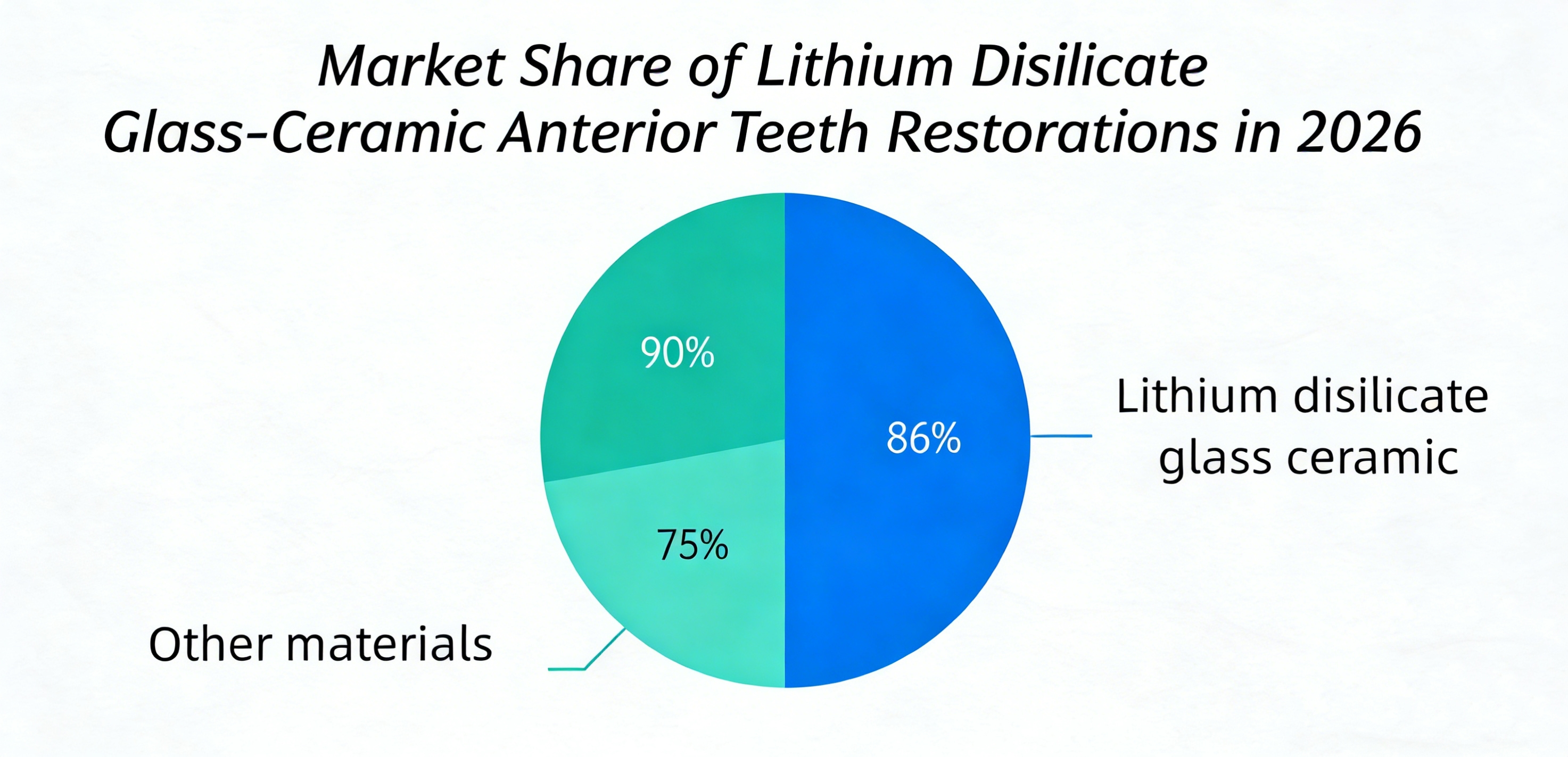
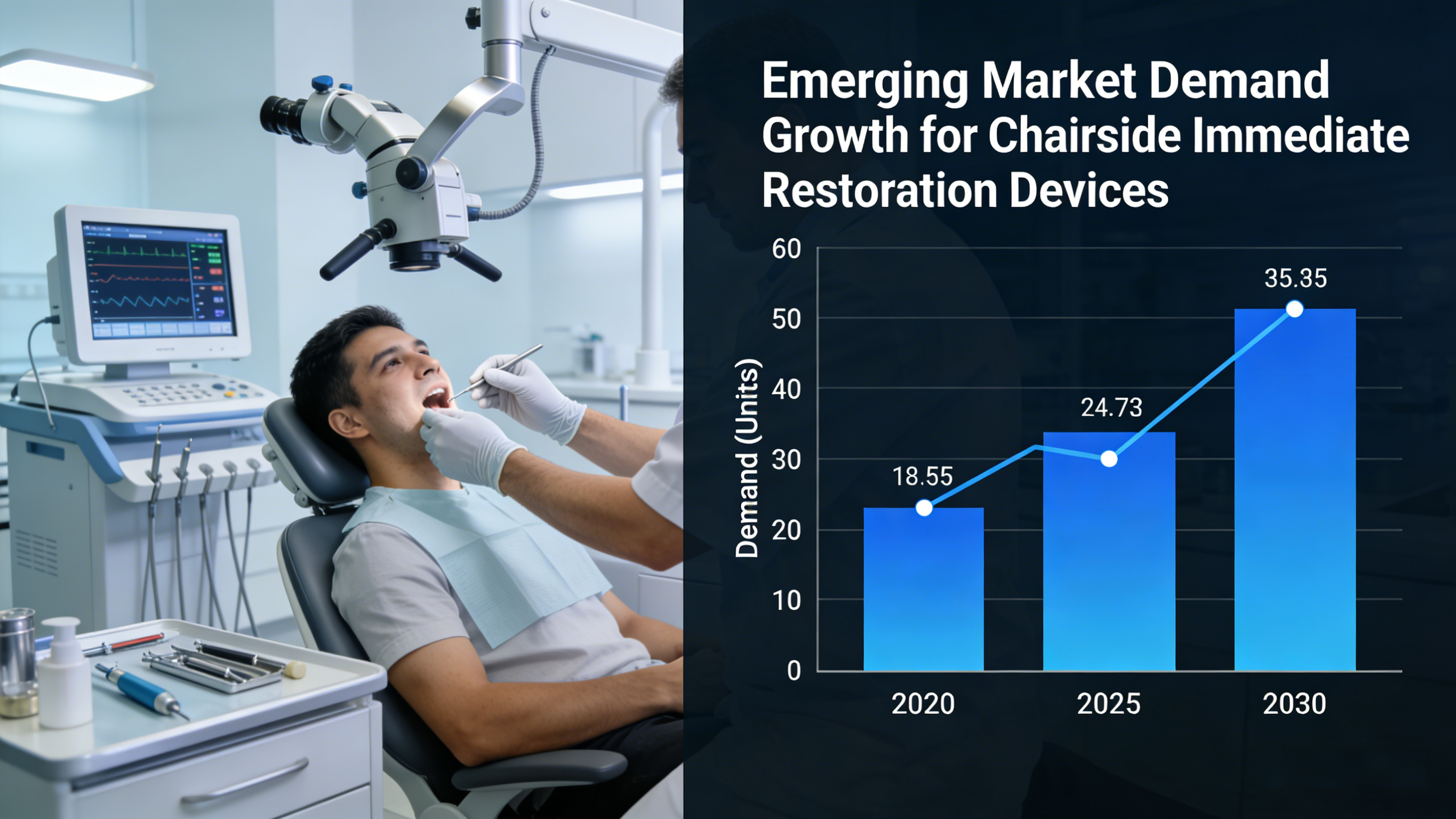
According to the global dental materials industry report, by March 2026, lithium disilicate glass ceramics have accounted for over 70% of the market in the field of anterior teeth aesthetic restoration. With its naturally biomimetic appearance and stable mechanical properties, it has become the preferred material for overseas dental aesthetic restoration. Meanwhile, with the popularization of digital dentistry, chairside immediate restoration (milling + crystallization ≤ 30 minutes) has become the mainstream trend. The demand for glass ceramic restorations in emerging markets (Southeast Asia, Latin America) has increased by more than 35% year-on-year.
The demand for dental glass ceramics in Southeast Asia has soared, making it a core growth region globally.
Southeast Asia has become one of the regions with the fastest growth in global dental glass ceramic demand. Among them, Indonesia, Thailand, and Vietnam stand out with particularly significant demand. By 2025, the demand for zirconia ceramic blocks in Indonesia will reach 180 million US dollars, with an annual growth rate of 15%. The demand for high-strength glass ceramics and zirconia composite ceramics by mid-to-high-end denture processing factories will exceed 60%.
The widespread adoption of chairside immediate restoration technology has further reduced the cost of diagnosis and treatment, driving the growth of global market demand.
The acceleration of digitalization has become one of the core trends in the global dental glass-ceramic industry. The widespread application of chairside immediate restoration technology has become a key driving force. The currently launched chairside restoration systems can complete the entire process of glass-ceramic dental crowns in 30 minutes, achieving "same-day follow-up visit". Compared with traditional restoration methods, the cost of diagnosis and treatment has been reduced by 30% to 50%. The popularization of this technology has activated global market demand, especially in emerging markets such as Southeast Asia and Latin America. The demand for high-quality glass-ceramic restorations has increased by more than 35%, becoming a new growth engine for the global dental glass-ceramic industry and driving the industry into a stage of high-quality growth.
In the first quarter of 2026, the global dental supplies industry witnessed a dual transformation of technological breakthroughs and regulatory upgrades. The market demand continued to rise, and the industry demonstrated a high-quality development trend. In the field of material technology, a new generation of bioactive restorative materials achieved global popularity. These ion-exchangeable dental resins and adhesives can actively release calcium, phosphorus, and fluoride ions, effectively inducing remineralization of dental tissues, significantly reducing the failure rate of restorations and the risk of secondary caries. At the same time, nanostructured zirconia, ceramic materials, and nano-crystalline titanium implant technologies have become increasingly mature, balancing strength and aesthetics, significantly shortening the bone integration time and improving clinical treatment outcomes.
Digital and intelligent technologies further penetrated the industry. The precision and speed of the new intraoral scanners have significantly improved, and the global clinic adoption rate exceeded 45%. AI-assisted diagnosis and intelligent consumable management systems are widely used in Europe and the United States, effectively enhancing diagnostic consistency and reducing consumable losses. In terms of regulation, the EU's MDR implements stricter standards for dental supplies, strengthening biocompatibility and traceability requirements. Some low-standard imported consumables have been restricted from entering the market; the US FDA has opened a fast-track for bioactive and antibacterial new consumables, shortening the approval cycle.
In the market, global dental supply demand continued to grow. The Asia-Pacific region had the leading growth rate. Population aging, the rise of aesthetic dentistry, and enhanced infection control became the three core driving factors. The usage of implants, restorations, and one-time dental consumables significantly increased. Industry experts predict that with continuous technological innovation and improved regulatory systems, the global dental supply industry will continue to maintain a stable growth trend, promoting clinical treatment towards more efficient, safe, and convenient directions.



Liaoning Aite Technology Co., Ltd. develops & produces high-quality, safe dental ceramics — ST, ST-C, 3D-ML, AMBER, Glass Ceramics B40/C14 — for global oral healthcare.
No. 1, 1st-5th Floor, Building 5-15, Xianyu Road, Benxi Economic and Technological Development Zone, Liaoning Province
Copyright © 2026 Liaoning Aite Technology Co., Ltd. All rights reserved. Privacy Policy
 EN
EN
