
 EN
EN
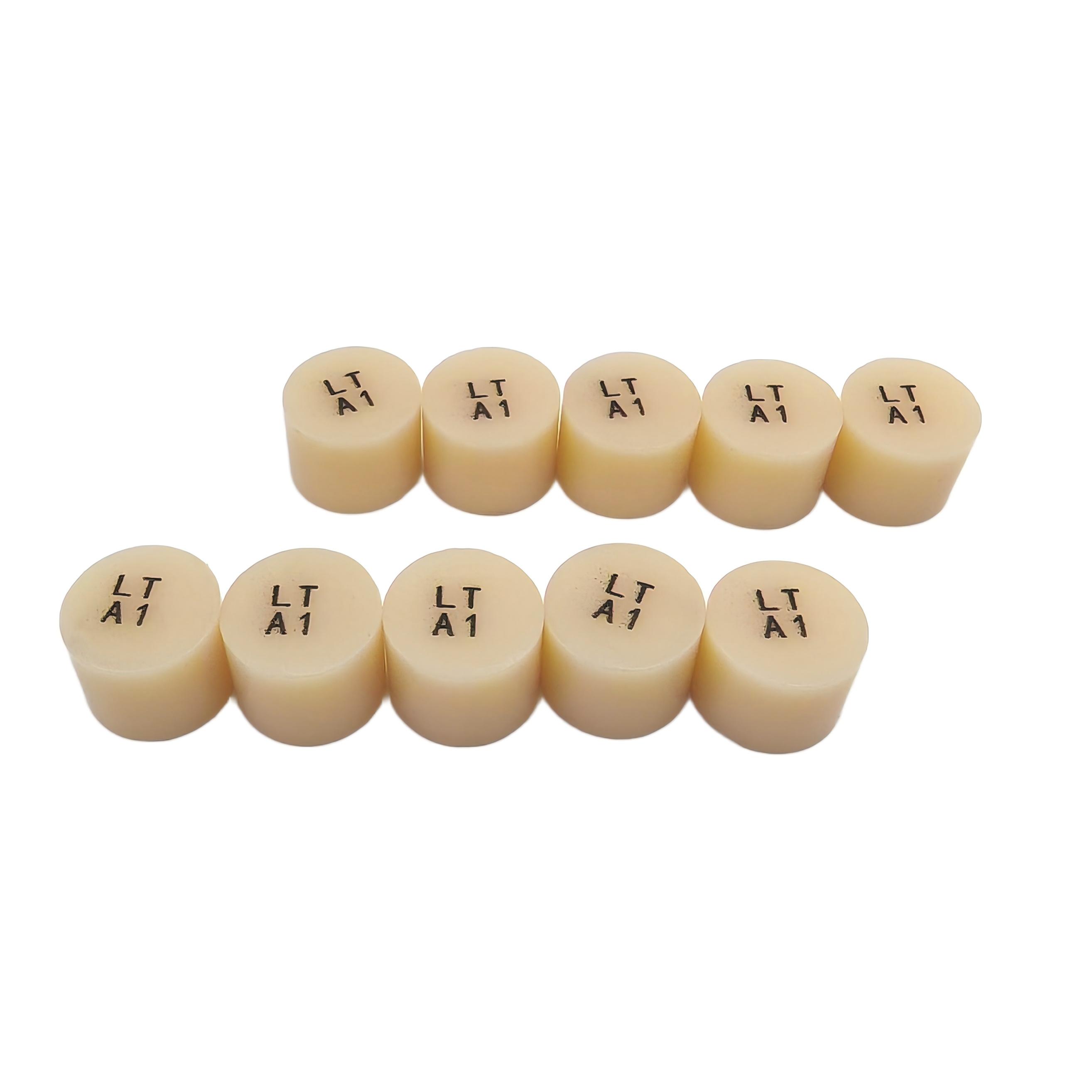
Selecting the right dental press ingot is a critical decision that directly impacts the quality of your restorations and the efficiency of your laboratory workflow. A dental press ingot serves as the investment material that fills the mold cavity during the pressing process, and choosing the wrong product can lead to costly defects, increased chair time, and compromised patient outcomes. Understanding the key factors that differentiate quality dental press ingots from inferior options will help you make an informed investment decision that aligns with your clinical needs and budget.
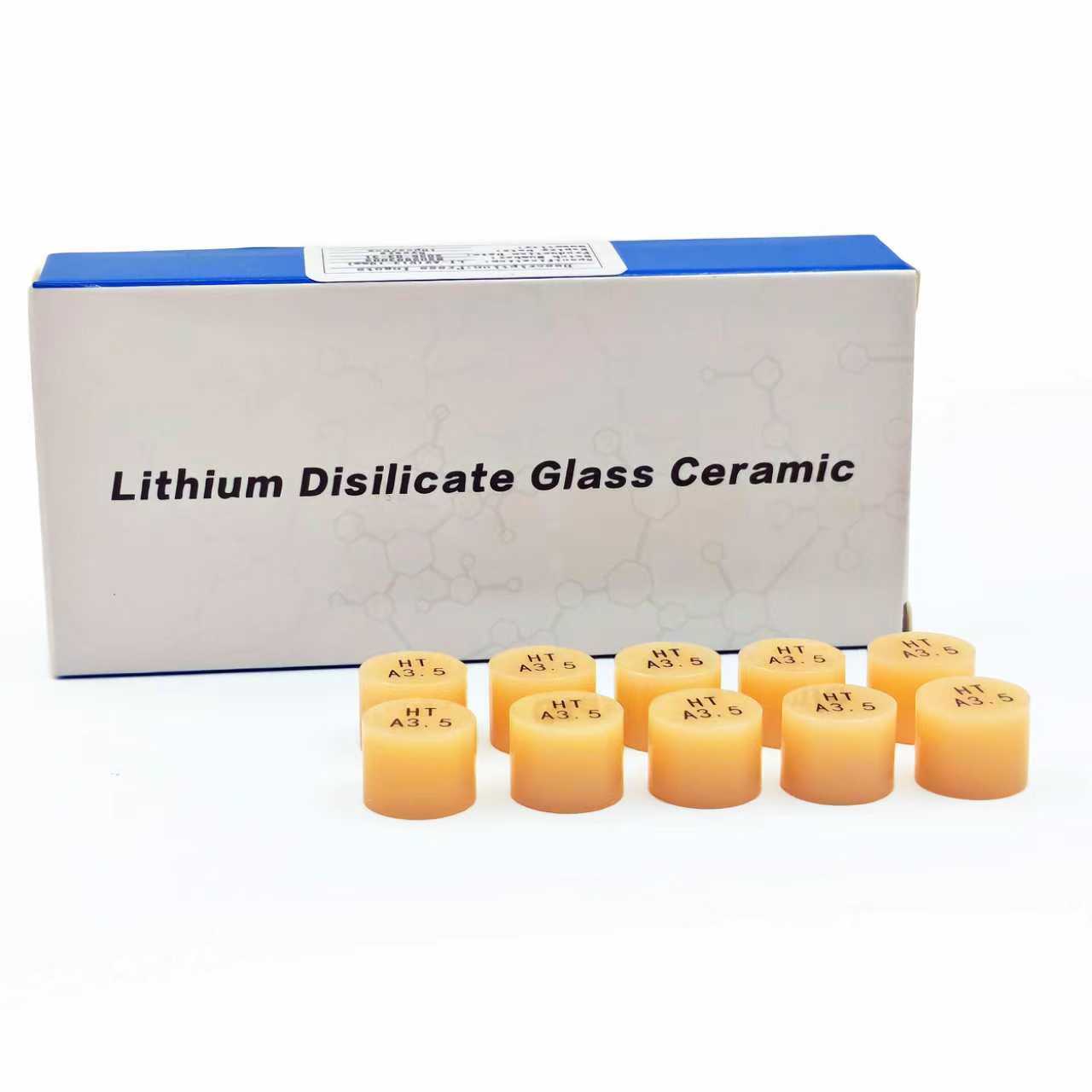
The investment material in your dental press ingot fundamentally affects how the restoration takes shape during the pressing cycle. Different materials offer varying degrees of strength, thermal stability, and dimensional accuracy. When evaluating a dental press ingot product, you must consider not only the upfront cost but also the long-term value it delivers through reduced scrap rates, improved restoration fit, and consistent clinical performance across multiple pressing cycles.
Understanding Investment Material Composition for Dental Press Ingot
Core Material Properties
A high-quality dental press ingot must be formulated with refractory materials that withstand extreme temperatures without degrading or distorting. The investment composition of a dental press ingot typically includes silica, binders, and reinforcing fibers that work together to maintain dimensional precision throughout the heating and pressing phases. When comparing dental press ingot options, examine whether the investment material is specifically engineered for your pressing equipment and the alloy type you plan to use.
Thermal Expansion and Dimensional Accuracy
Dimensional accuracy is perhaps the most critical performance metric for any dental press ingot. The investment material must expand uniformly when heated to compensate for alloy shrinkage during cooling, ensuring your restoration fits perfectly on the prepared tooth. A poorly formulated dental press ingot will cause either over-expansion or under-expansion, resulting in margins that are too large or too tight. Premium dental press ingot products are engineered with precise expansion coefficients matched to common dental alloys, minimizing the risk of fit problems.
Evaluating Strength and Durability Requirements
Mechanical Strength During Pressing
The pressing process creates significant mechanical stress on the dental press ingot investment as the plunger forces molten alloy into the mold cavity. Your chosen dental press ingot must be strong enough to resist collapse under this pressure without cracking or allowing alloy to escape around the restoration. Laboratory testing of different dental press ingot formulations reveals that some investments maintain structural integrity much better than others during high-pressure cycles. Investing in a premium-grade dental press ingot reduces the risk of catastrophic mold failures that ruin restorations and waste expensive alloy.
Consistency Across Multiple Uses
Industrial-grade dental press ingots are engineered to deliver consistent performance from the first use through the last. Each batch of investment material in a quality dental press ingot undergoes rigorous quality control testing to ensure refractory properties remain stable. When you select a reliable dental press ingot supplier, you gain confidence that every ingot you purchase will perform predictably, eliminating variability that can otherwise plague your milling department.
Cost-Benefit Analysis and Long-Term Value
Initial Investment Versus Scrap Rate Impact
While budget constraints are real, the lowest-priced dental press ingot option is rarely the most economical choice over time. A cheaper dental press ingot with inconsistent quality or suboptimal material composition will generate higher scrap rates as failed restorations require remilling and reinvestment. By contrast, a premium dental press ingot costs slightly more upfront but dramatically reduces waste and rework expenses. Calculate your true cost per successful restoration rather than cost per ingot, and the superior value of quality dental press ingots becomes immediately apparent.
Compatibility with Your Pressing Equipment
Not every dental press ingot works equally well with every pressing system. Your specific equipment has defined pressure ranges, heating rates, and cycle times that influence how the dental press ingot investment material behaves. Before committing to a new dental press ingot supplier, verify that their product is validated for your equipment specifications. Choosing a dental press ingot specifically formulated for your pressing apparatus ensures optimal mold filling, reduced porosity, and better surface quality on finished restorations.
Technical Specifications and Quality Assurance Standards
Certifications and Regulatory Compliance
Premium dental press ingot manufacturers adhere to strict international standards and hold relevant certifications that verify material quality and safety. A certified dental press ingot product will include documentation of its thermal properties, expansion coefficients, and mechanical strength ratings. When selecting a dental press ingot, request documentation of compliance with dental material standards, which provides assurance that the investment material meets established performance criteria. This verification is particularly important if you supply restorations to multiple practices or institutions with their own quality requirements.
Particle Size and Distribution Control
The refractory particles within your dental press ingot investment must be carefully graded to ensure uniform density and consistent behavior during heating cycles. A dental press ingot with poorly controlled particle size distribution will show voids and weak points that compromise mold integrity under pressing pressure. Quality manufacturers carefully control the particle size distribution in each batch of dental press ingot material, guaranteeing that the investment mold maintains structural uniformity throughout the restoration pressing process.
FAQ
What alloy types work best with different dental press ingot formulations?
Different dental press ingot formulations are optimized for specific alloy families, including gold-based, palladium, and base metal alloys. Each alloy has unique thermal expansion and pressing force requirements, so your dental press ingot investment must be matched to the alloy you intend to use. Always consult your alloy manufacturer's recommendations and cross-reference them with your dental press ingot supplier to ensure compatibility and optimal results.
How often should dental press ingots be replaced or updated?
Your dental press ingot inventory should be evaluated and refreshed regularly based on usage patterns and performance outcomes. Most laboratories rotate their stock every 6 to 12 months to ensure that stored dental press ingots have not absorbed moisture or degraded. If you notice increasing scrap rates or fit problems, this may indicate that your current dental press ingot supply has aged and needs replacement with fresh material from a reliable supplier.
Can budget-grade dental press ingots ever perform as well as premium options?
While budget-grade dental press ingots may work acceptably for low-volume operations, premium formulations consistently deliver better dimensional accuracy, lower scrap rates, and more predictable results. The investment in a quality dental press ingot typically pays for itself through reduced rework and improved clinical success. For any laboratory committed to delivering excellence, upgrading to a higher-grade dental press ingot is a worthwhile decision that strengthens your competitive position and reputation.