yüksek dayanımlı lityum disilikat
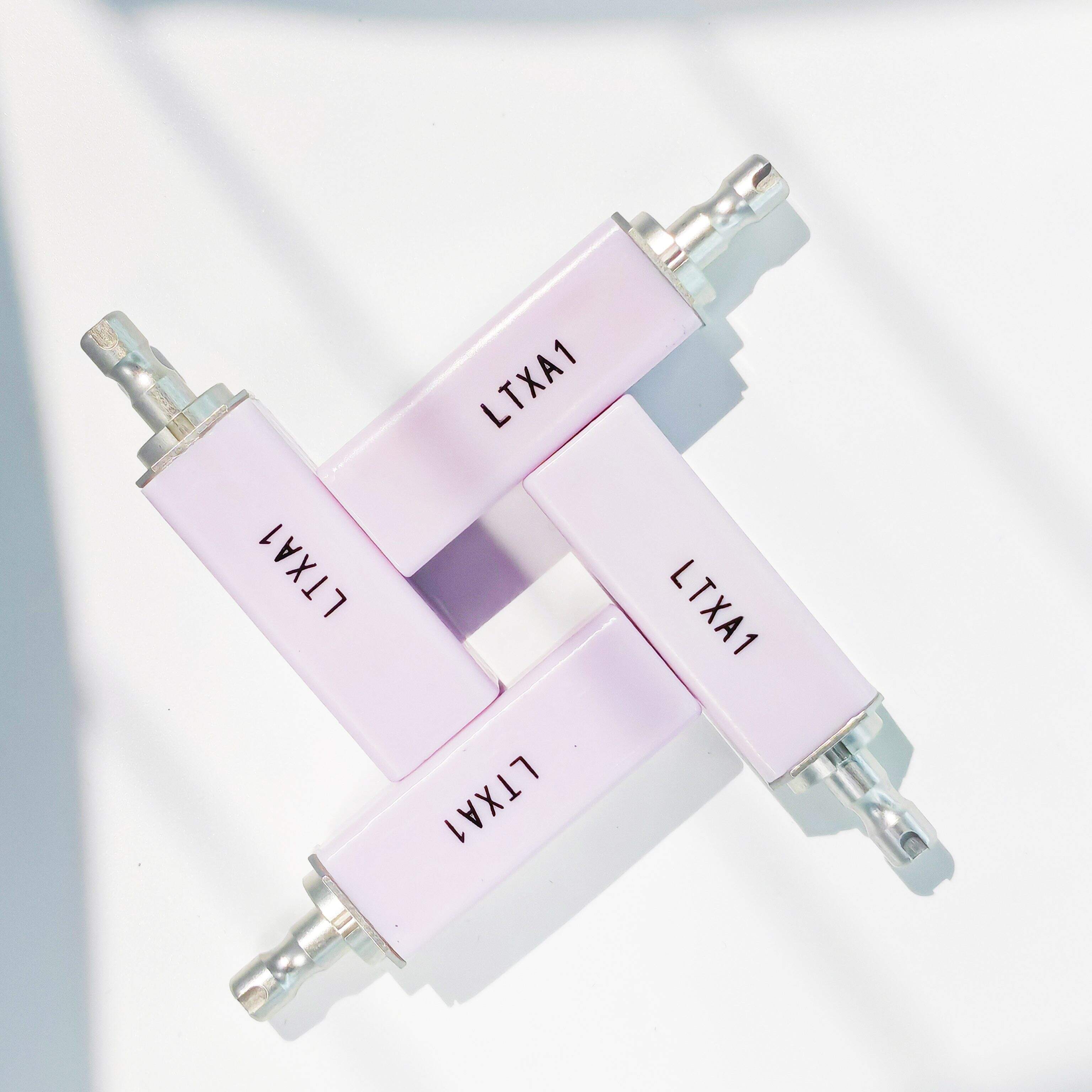
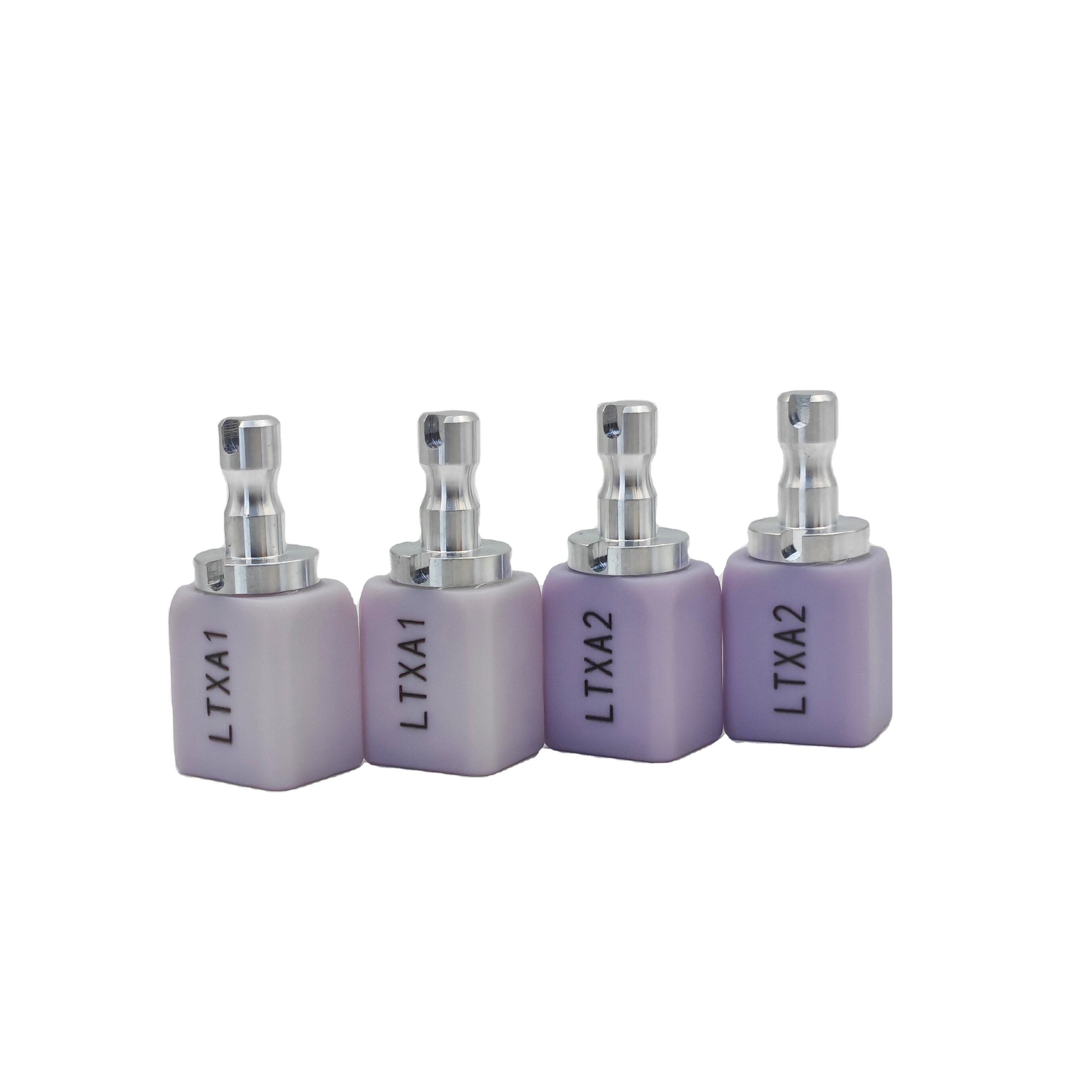
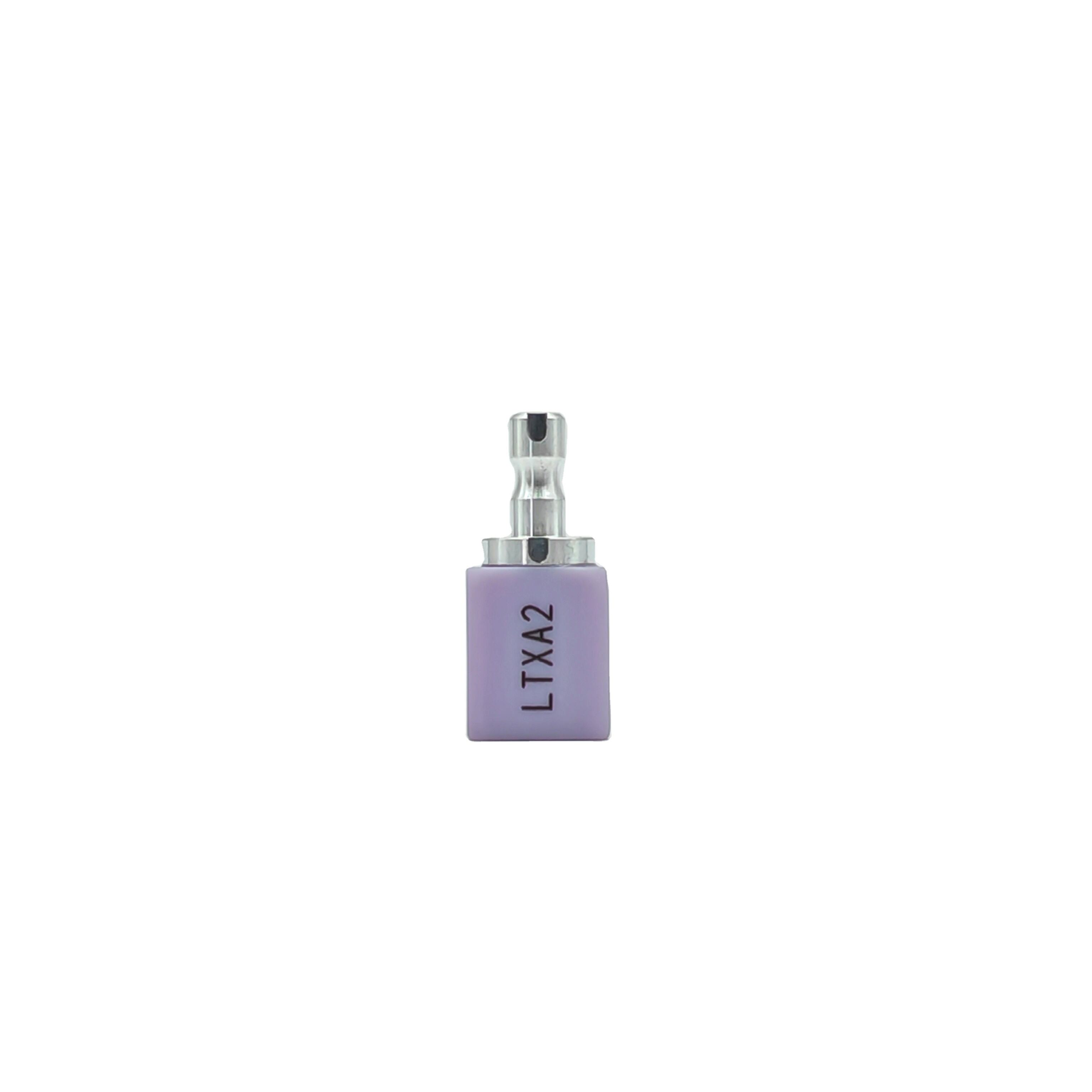
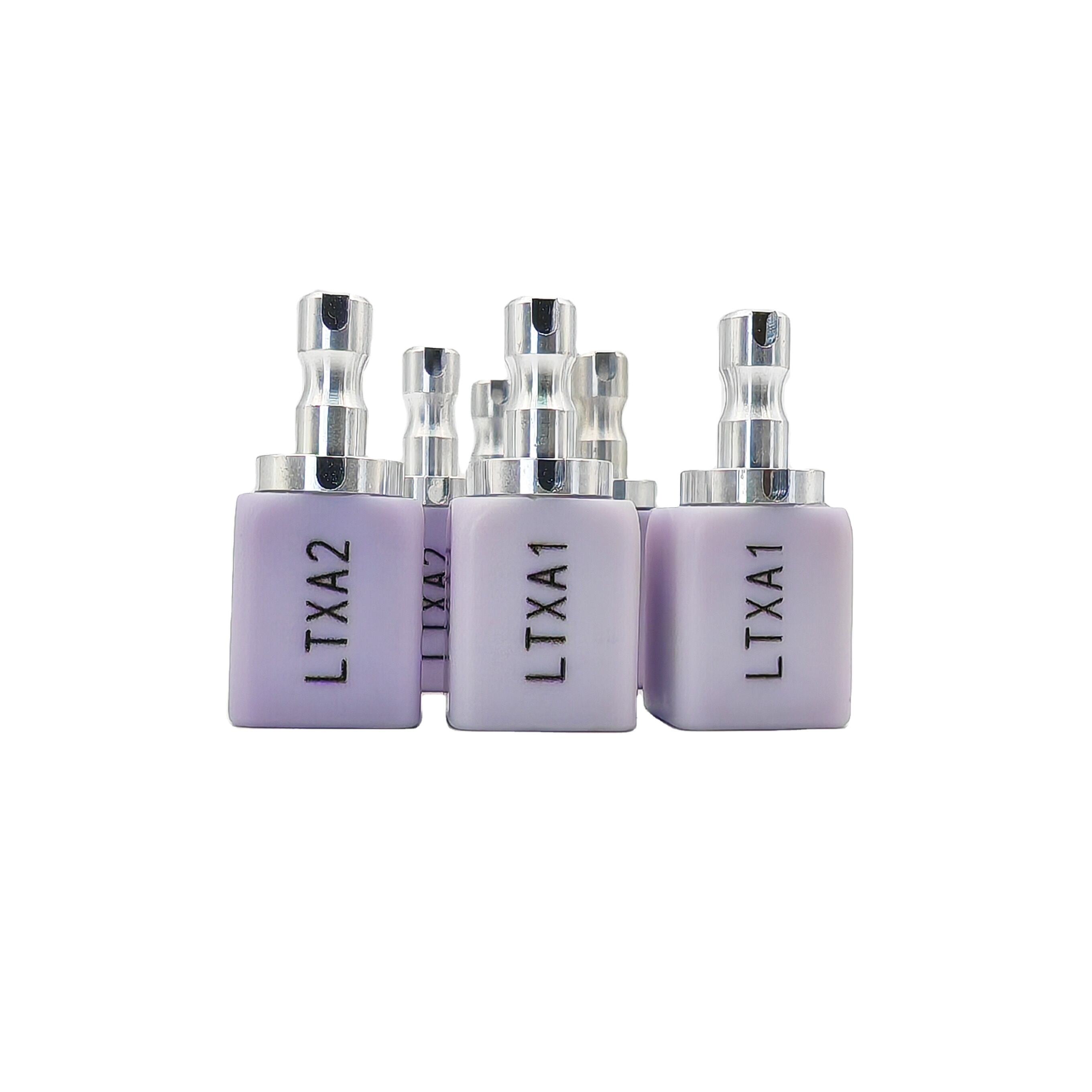
Yüksek mukavemetli lityum disilikat, modern restoratif diş hekimliğini dönüştüren olağanüstü mekanik özellikler sunarak diş seramiklerinde devrim niteliğinde bir ilerlemeyi temsil etmektedir. Bu yenilikçi malzeme, lityum oksit ve silika dioksiti özel kristalleşme süreçleriyle birleştirerek, benzersiz bir mukavemet ve estetik görünüm sağlayan bir cam seramik oluşturmaktadır. Malzemenin benzersiz mikro yapısı, doğal görünümlü restorasyonlar için mükemmel saydamlığı korurken olağanüstü kırılma direnci sağlayan birbirine kenetlenen lityum disilikat kristalleri içermektedir. Üretim, kristal boyutunu ve matris boyunca dağılımını optimize eden kontrollü çekirdeklenme ve kristalleşme aşamalarını içerir. Presleme tekniği, tutarlı kaliteyle kronların, veneerlerin, köprülerin ve inleylerin hassas bir şekilde üretilmesine olanak tanır. Gelişmiş ısıl işlem protokolleri, optik özellikleri korurken optimum mekanik özellikleri sağlar. Malzemenin bileşimi, geleneksel seramiklere kıyasla üstün mukavemet-ağırlık oranları yaratan, camsı bir matrise gömülü yaklaşık %70 lityum disilikat kristali içerir. Yüzey işlemleri, reçine simanlarla yapışma yeteneklerini artırarak uzun vadeli klinik başarıyı sağlar. Yarı saydam özellikleri, doğal diş minesine benzer ışık geçirgenliği sağlayarak mevcut dişlerle kusursuz bir entegrasyon imkanı sunar. Renk stabilitesi, çeşitli aydınlatma koşulları ve yaşlanma süreçleri altında mükemmel kalır. Malzeme aşınmaya karşı dirençlidir ve uzun süreler boyunca yüzey bütünlüğünü korur. İşleme esnekliği, ısı presleme, CAD/CAM frezeleme ve katmanlama teknikleri de dahil olmak üzere çeşitli üretim yöntemlerine olanak tanır. Kalite kontrol önlemleri, partiden partiye tutarlı özellikler ve güvenilir klinik performans sağlar. Araştırmalar, ağız dokularıyla mükemmel biyouyumluluk ve bitmiş yüzeylerde minimum plak birikimi göstermektedir. Malzemenin termal genleşme katsayısı, doğal diş yapısıyla yakından eşleşerek restorasyon kenarlarındaki stres konsantrasyonlarını azaltır.



 EN
EN