
 EN
EN
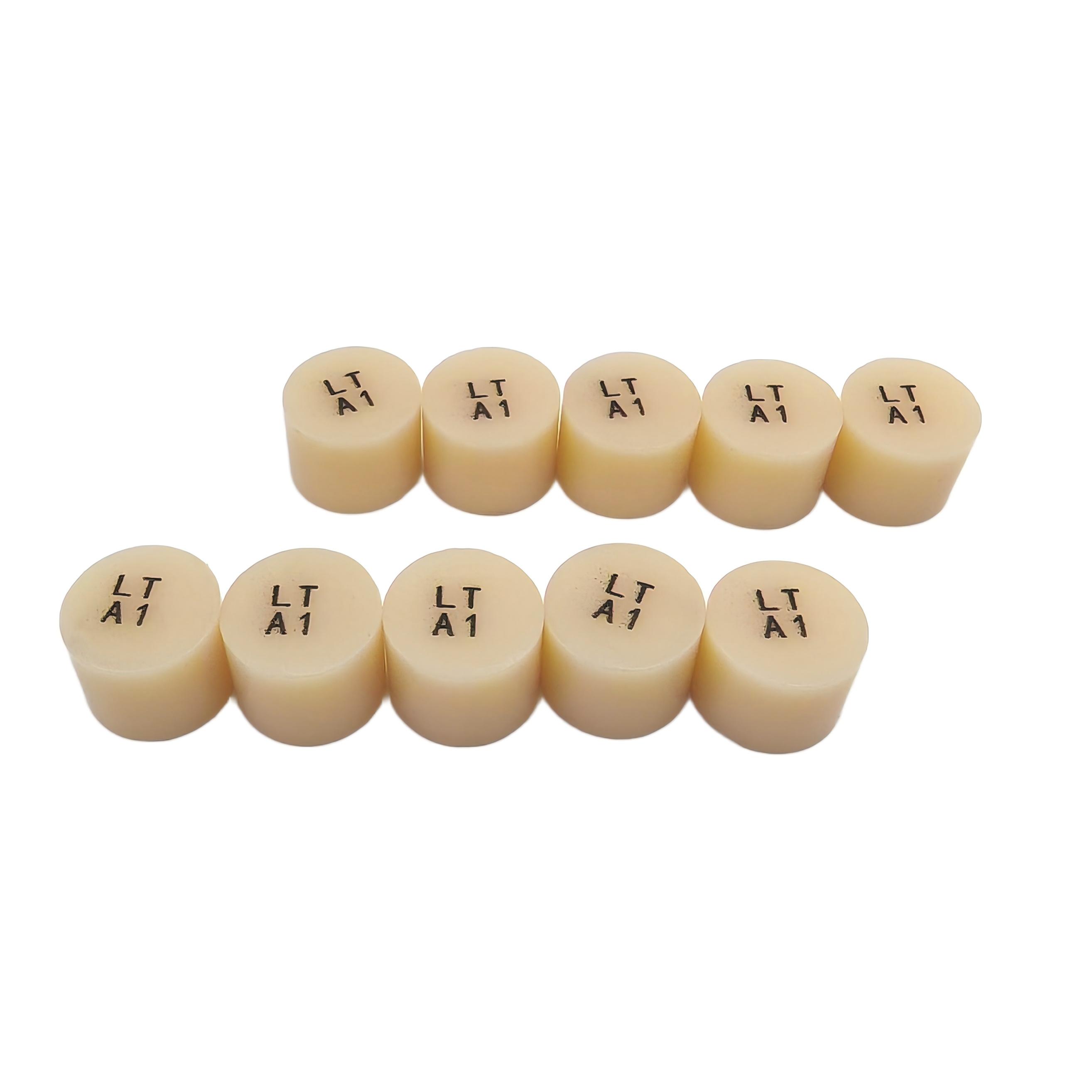
The dental press ingot has become a cornerstone material in modern restorative dentistry, offering clinicians and laboratory technicians a reliable solution for creating indirect restorations. A dental press ingot is a specially formulated alloy ingot designed for use in heat-press technology, enabling the fabrication of high-quality crowns, bridges, and other prosthetic restorations. Understanding the advantages of a dental press ingot is essential for dental professionals seeking to improve restoration quality, streamline workflow, and achieve superior clinical outcomes. The adoption of dental press ingot technology has transformed how restorative cases are managed, providing tangible benefits across multiple dimensions of dental practice.
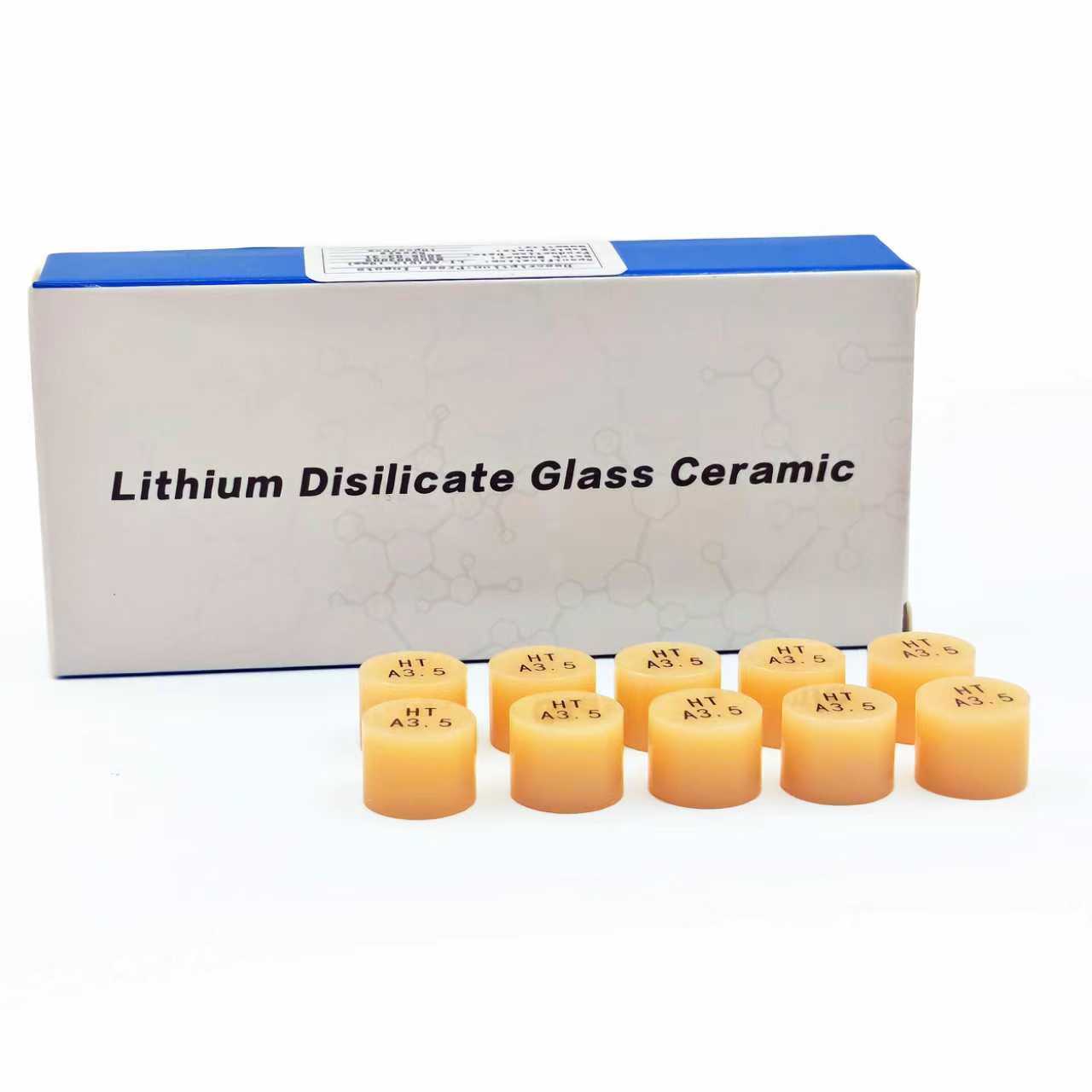
When selecting materials for restorative dentistry, practitioners must weigh precision, strength, aesthetics, and cost-effectiveness. The dental press ingot delivers across all these criteria, making it a preferred choice in contemporary dental laboratories and clinical practices. This article explores the comprehensive advantages that dental press ingot materials provide, from mechanical properties and clinical longevity to laboratory efficiency and patient satisfaction. By examining how dental press ingot technology functions and its practical benefits, dental professionals can make informed decisions about material selection and treatment planning.
Superior Mechanical Properties and Durability
Exceptional Strength and Wear Resistance
A dental press ingot is engineered to deliver outstanding mechanical strength, ensuring that restorations withstand the demanding forces of mastication. The precise alloy composition of a dental press ingot creates a material with superior hardness and wear resistance, critical attributes for long-term restoration success. Unlike some alternative materials that degrade or fracture under repeated loading, restorations fabricated from a dental press ingot maintain their structural integrity over many years of clinical service. This durability translates directly into improved patient outcomes and reduced rates of restoration failure or replacement.
Biocompatibility and Tissue Response
The biocompatibility profile of a dental press ingot represents a significant clinical advantage, particularly for patients with metal sensitivities or allergies. When a dental press ingot is properly processed and finished, the resulting restoration exhibits minimal reactivity with oral tissues, soft tissue, and saliva. This biocompatibility of a dental press ingot means reduced inflammation, better gingival health, and improved long-term periodontal outcomes around the restoration margin. Clinicians appreciate that a dental press ingot-based restoration rarely triggers adverse tissue responses, contributing to patient comfort and satisfaction throughout the restoration's lifespan.
Enhanced Precision and Fitting Accuracy
Accurate Dimensional Control During Fabrication
The heat-press technology used with a dental press ingot enables exceptional dimensional accuracy that is difficult to achieve with conventional casting methods. When a dental press ingot is heated to precise temperatures and pressed into a mold under controlled pressure, the resulting restoration exhibits minimal dimensional distortion or shrinkage artifacts. This precision ensures that each restoration fabricated from a dental press ingot fits the prepared tooth with remarkable accuracy, reducing the need for chairside adjustments and margins that are flush and well-adapted. The tight fit achieved with a dental press ingot technology minimizes microleakage, decay risk at restoration margins, and the need for extensive adjustment procedures during cementation.
Consistency in Marginal Adaptation
Laboratory technicians consistently report that a dental press ingot delivers superior marginal fit compared to traditionally cast restorations. The controlled pressing process that defines a dental press ingot application produces crowns and bridges with margins that are predictably sharp, well-defined, and properly seated on the prepared tooth. This consistency means fewer clinical appointments for margin adjustment, less irritation to adjacent teeth, and better long-term prognosis. Dentists who have transitioned to a dental press ingot-based restoration protocol note significant improvements in first-fit accuracy and reduced chairside time spent on restoration refinement.
Laboratory Efficiency and Cost Management
Streamlined Fabrication Workflow
Using a dental press ingot offers substantial efficiency gains throughout the laboratory fabrication process. The heat-press technique associated with a dental press ingot requires fewer intermediate steps compared to conventional casting, reducing labor time and material waste. A dental press ingot-based workflow eliminates many sources of error inherent in traditional casting techniques, such as investment mold degradation or casting defects. Laboratory teams report that a dental press ingot enables higher daily throughput without compromising quality, directly impacting profitability and turnaround times for restorative cases.
Reduced Material Waste and Environmental Impact
The precision of a dental press ingot technology naturally reduces the amount of discarded material compared to casting-based methods. When a dental press ingot is used, the minimal waste generated means lower material costs and reduced environmental burden. This efficiency of a dental press ingot extends to energy consumption as well, since the heat-press process typically requires less overall energy than furnace-based casting procedures. Laboratories committed to sustainability and cost control find that adopting a dental press ingot-based system supports both financial and environmental objectives simultaneously.
Aesthetic and Clinical Versatility
Aesthetic Predictability and Customization
The stable composition of a dental press ingot ensures consistent aesthetic characteristics across restorations, enabling laboratories to achieve predictable staining and glazing outcomes. When a dental press ingot-based restoration is stained and glazed, the resulting surface texture and luster closely resemble natural dentition and integrate seamlessly with adjacent teeth. A dental press ingot also provides excellent support for layered porcelain or composite veneering techniques, allowing for highly customized aesthetic refinements. Clinicians appreciate that a dental press ingot substructure offers a stable foundation for achieving the precise shades, contours, and surface characteristics demanded by contemporary aesthetic dentistry.
Suitability for Complex Cases and Large Restorations
The mechanical strength profile of a dental press ingot makes it particularly well-suited for complex prosthetic cases, including long-span bridges and implant-supported restorations. A dental press ingot can reliably support multi-unit restorations that would be problematic with weaker materials or less stable substructures. The predictable performance of a dental press ingot in high-stress scenarios gives clinicians confidence when planning ambitious restorative treatments. Whether addressing complete arch rehabilitation or difficult single-tooth cases, a dental press ingot provides the structural reliability necessary for successful long-term outcomes.
FAQ
What exactly is a dental press ingot and how does it differ from traditional casting ingots?
A dental press ingot is a specially formulated alloy ingot optimized for heat-press technology, distinct from traditional casting ingots used in furnace-based techniques. Unlike conventional casting ingots, a dental press ingot is designed to flow evenly under controlled heat and pressure, producing restorations with superior dimensional accuracy and marginal fit. The composition of a dental press ingot differs from standard ingots to accommodate the specific demands of press technology, resulting in materials that perform optimally only when processed using heat-press equipment rather than traditional casting methods.
How does using a dental press ingot improve clinical outcomes compared to other restoration materials?
A dental press ingot improves clinical outcomes through multiple mechanisms: enhanced marginal fit reduces microleakage and secondary decay, superior biocompatibility minimizes tissue reactions, exceptional durability ensures long restoration lifespan, and consistent mechanical properties support complex cases reliably. The precision inherent to a dental press ingot fabrication process means clinicians spend less chairside time on adjustment, improving patient experience. Additionally, the predictable performance of a dental press ingot across diverse clinical scenarios enables dentists to confidently plan ambitious treatments with confidence in success rates.
Are there specific clinical situations where a dental press ingot is most advantageous?
A dental press ingot excels in several specific scenarios: complex implant-supported restorations where structural reliability is paramount, long-span bridges requiring predictable framework strength, patients with metal allergies or sensitivities seeking high-biocompatibility materials, and aesthetic cases where precise margins and stable substructures are essential. The superior wear resistance of a dental press ingot makes it particularly valuable for patients with parafunctional habits or excessive loading patterns. Furthermore, a dental press ingot is ideal for cases requiring exceptional color stability or when minimal chairside adjustment time is preferred.