
 EN
EN
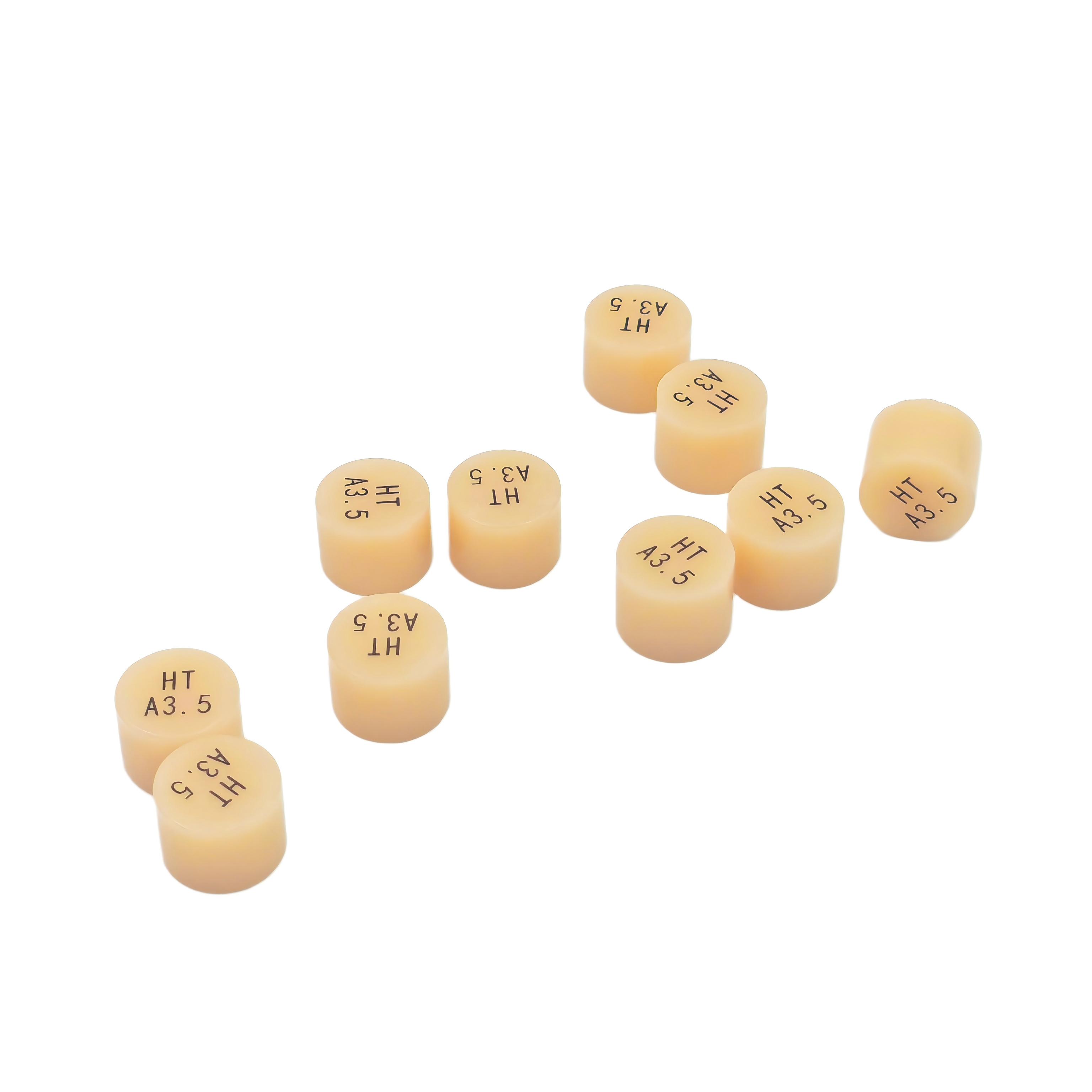
Temperature plays a critical role in the performance, durability, and final aesthetic outcome of a dental press ingot. Understanding how thermal conditions influence material behavior during pressing, cooling, and crystallization is essential for dental laboratories and clinicians seeking consistent, high-quality restorations. The dental press ingot responds dynamically to temperature variations at every stage of the manufacturing and pressing process, affecting its ability to flow, set, and maintain structural integrity. This comprehensive guide explores the multifaceted relationship between temperature and dental press ingot performance, helping professionals optimize their pressing protocols and achieve superior clinical results.
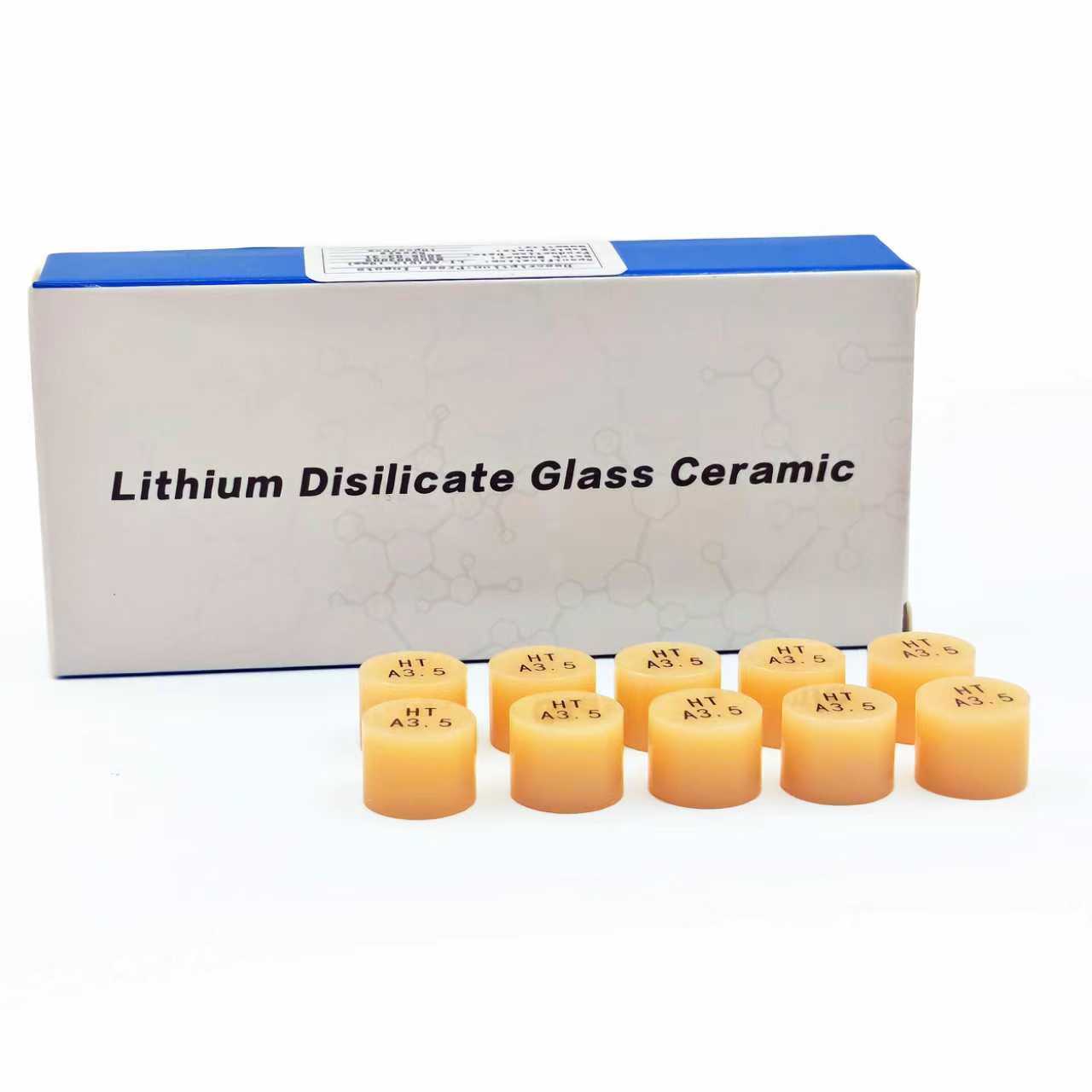
The thermal profile experienced by a dental press ingot directly determines whether the final restoration meets clinical specifications or exhibits defects such as porosity, weak margins, or color inconsistency. Professionals must recognize that temperature is not a simple variable to set and forget; rather, it demands precision, monitoring, and understanding of material science fundamentals. Thermal management during the pressing cycle, heating phase, holding duration, and cooling rate all influence how the dental press ingot material crystallizes, densifies, and ultimately performs in the oral environment.
Temperature Effects During the Pressing Phase
Optimal Heating for Dental Press Ingot Flow
When a dental press ingot is heated to its working temperature, the material transitions from a solid crystalline state into a more fluid, workable condition. This thermal transition allows the dental press ingot to flow uniformly into the investment mold cavity, filling even the finest details and margins with precision. If the temperature is too low during pressing, the dental press ingot will not achieve adequate fluidity, resulting in incomplete fill, porosity, and weak areas that compromise restoration longevity. Conversely, excessive heat can cause the dental press ingot to become too fluid, potentially distorting the mold and creating dimensional inaccuracies that lead to poor fit and adjustment difficulties.
Pressure and Temperature Interaction
The relationship between applied pressure and temperature in the pressing cycle significantly influences dental press ingot material behavior. At the correct temperature, moderate pressure ensures thorough adaptation of the dental press ingot to all internal mold surfaces, maximizing density and eliminating voids. The synergy between controlled heat and mechanical pressure ensures that the dental press ingot achieves optimal density during the pressing phase, which directly correlates with strength and longevity of the final restoration. Research indicates that dental press ingot materials pressed at manufacturer-recommended temperatures consistently outperform those subjected to suboptimal thermal protocols.
Cooling Rate and Crystallization of Dental Press Ingot
Controlled Cooling Prevents Structural Weakness
After pressing, the cooling rate of the dental press ingot is equally important as the heating phase. Rapid cooling can lock in internal stresses within the dental press ingot material, leading to microcracks, brittleness, and premature failure under normal occlusal load. Conversely, gradual, controlled cooling allows the dental press ingot to undergo proper crystallization, with atoms settling into stable, organized lattice structures that optimize mechanical properties. The dental press ingot undergoes phase transitions during cooling that, if interrupted or accelerated abnormally, compromise the material's inherent strength and aesthetic stability. Laboratory furnaces designed for pressing cycles incorporate ramping protocols that cool the dental press ingot gradually through critical temperature windows, ensuring optimal crystalline development.
Phase Transformation and Material Integrity
Different dental press ingot formulations transition through specific crystalline phases at precise temperature thresholds. Understanding these critical temperatures is vital because the dental press ingot material properties differ significantly between phases. For instance, a dental press ingot cooled too quickly through a critical phase boundary may retain metastable crystal structures that weaken over time. Dental technicians and practitioners must follow material manufacturer guidelines that specify ideal temperature profiles for each dental press ingot product line. Deviation from these protocols introduces unpredictable variation in the dental press ingot's final microstructure and clinical performance.
Temperature Stability and Long-Term Clinical Performance
Thermal Stress in the Oral Environment
Once a restoration fabricated from dental press ingot is placed in the mouth, the material experiences thermal cycling due to consumption of hot and cold foods and beverages. The dental press ingot material must possess sufficient thermal stability to withstand repeated temperature fluctuations without developing surface cracks or compromising the restoration-tooth interface. If a dental press ingot was not properly temperature-managed during initial fabrication, its susceptibility to thermal stress fracture increases substantially. Clinical research demonstrates that restorations made from dental press ingot materials processed at correct thermal parameters exhibit superior resistance to thermal cycling fatigue compared to those from suboptimally heated ingots.
Color Stability and Aesthetic Longevity
Temperature management during pressing also influences the color stability of the final restoration. A dental press ingot heated excessively may develop surface oxidation or color shifts that persist in the final restoration, creating aesthetic concerns. Precise temperature control ensures that the dental press ingot reaches its intended color baseline, which is then maintained more reliably throughout the restoration's clinical lifespan. Dental press ingot materials are formulated with specific colorants and refractive properties that perform optimally only when the material is processed within narrow thermal windows. Exceeding or falling short of recommended temperatures can alter the optical characteristics of the dental press ingot, resulting in shade mismatch or undesirable translucency changes.
FAQ
What is the ideal temperature range for heating a dental press ingot?
The ideal temperature range for heating a dental press ingot varies by material composition and manufacturer specifications, typically ranging from 700 to 1000 degrees Celsius, depending on the specific dental press ingot product. Always consult the technical data sheet for your dental press ingot material to determine the precise temperature target for your pressing furnace. Deviating from the manufacturer-recommended dental press ingot temperature can compromise flow characteristics, density, and final restoration quality. Using calibrated thermometers and maintaining accurate furnace settings ensures your dental press ingot reaches optimal working conditions consistently.
How does rapid cooling damage a dental press ingot restoration?
Rapid cooling of a dental press ingot induces internal thermal stress because the outer surface contracts faster than the interior material, creating residual stresses and potential microcracking. These internal stresses within the dental press ingot compromise its mechanical strength and resistance to occlusal loading, potentially leading to premature fracture or chipping in clinical service. Additionally, rapid cooling prevents the dental press ingot from completing proper crystallization, leaving unstable crystal phases that degrade over time. Controlled, gradual cooling protocols allow the dental press ingot to cool uniformly and achieve stable crystalline structures that maximize longevity and reliability.
Can temperature variations during pressing affect the fit of a dental press ingot restoration?
Yes, temperature variations during pressing directly affect the fit of a dental press ingot restoration because thermal expansion and contraction influence how the dental press ingot material fills the investment mold cavity. If the dental press ingot is heated unevenly or to inconsistent temperatures across pressing cycles, the material may expand or contract unpredictably, resulting in variable restoration dimensions that do not match the intended design. Consistent temperature maintenance ensures that each dental press ingot restoration is dimensionally accurate and achieves the precise fit required for optimal margins and clinical success. Fluctuating furnace temperatures are a common cause of fit discrepancies and increased adjustment time in the dental laboratory.