Premium Dental Glass Ceramic Restorations - Natural Beauty, Superior Strength, Advanced Biocompatibility

All Categories

Get a Free Quote

Our representative will contact you soon.
Email
Name
Company Name
Message
0/1000

dental glass ceramic

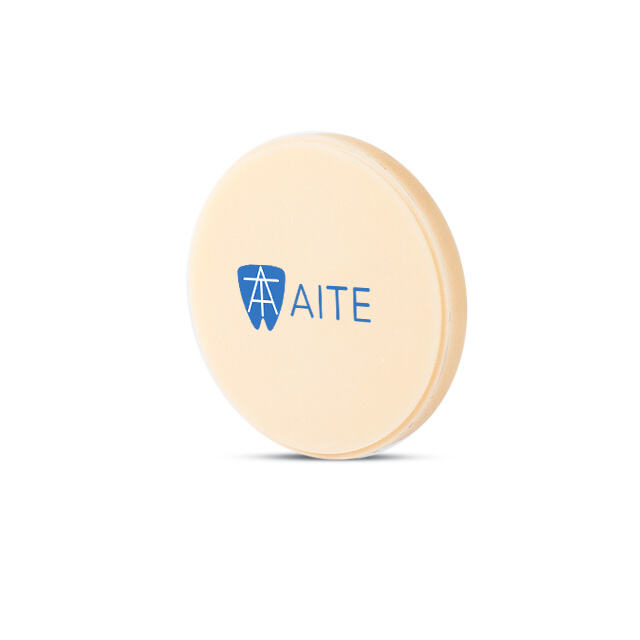
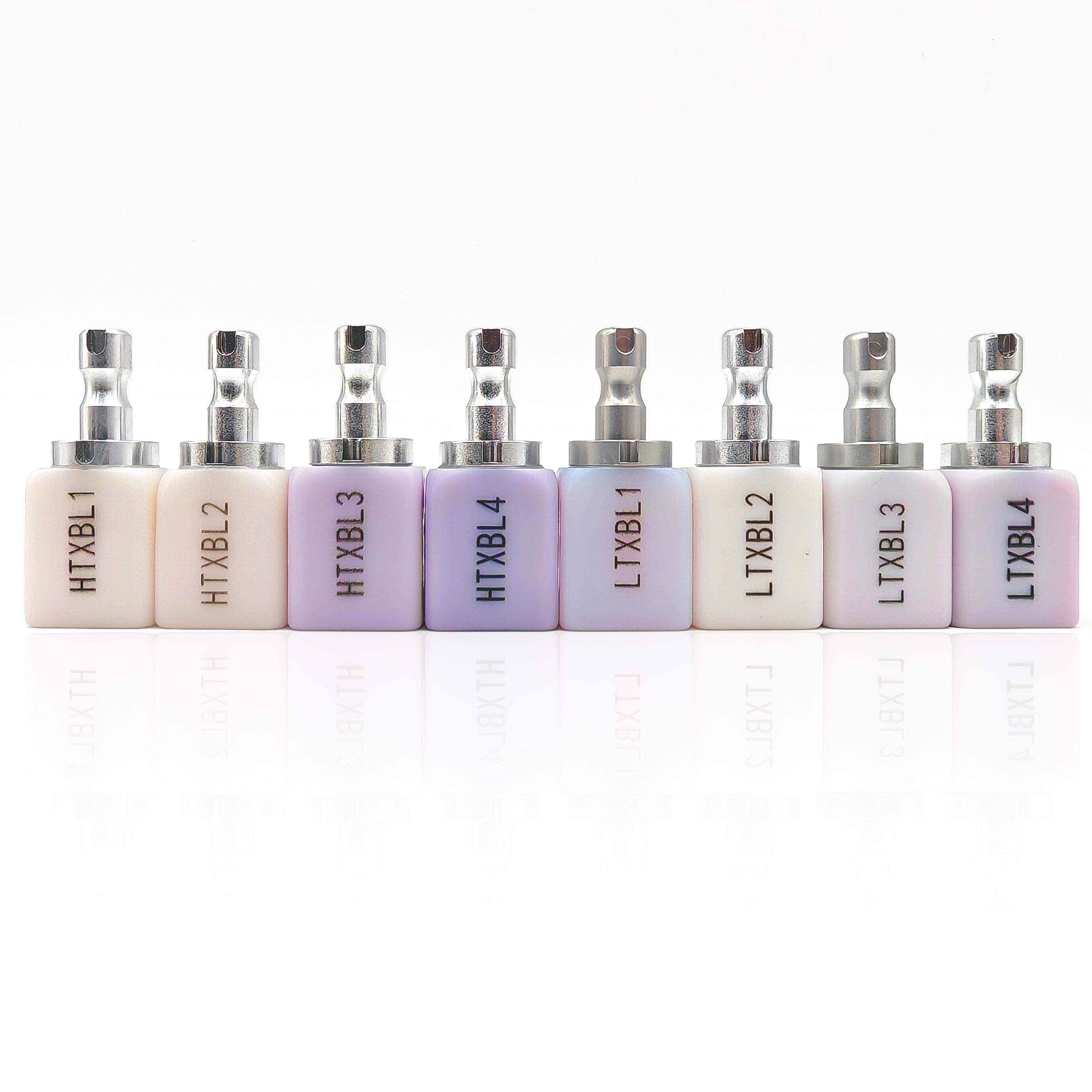
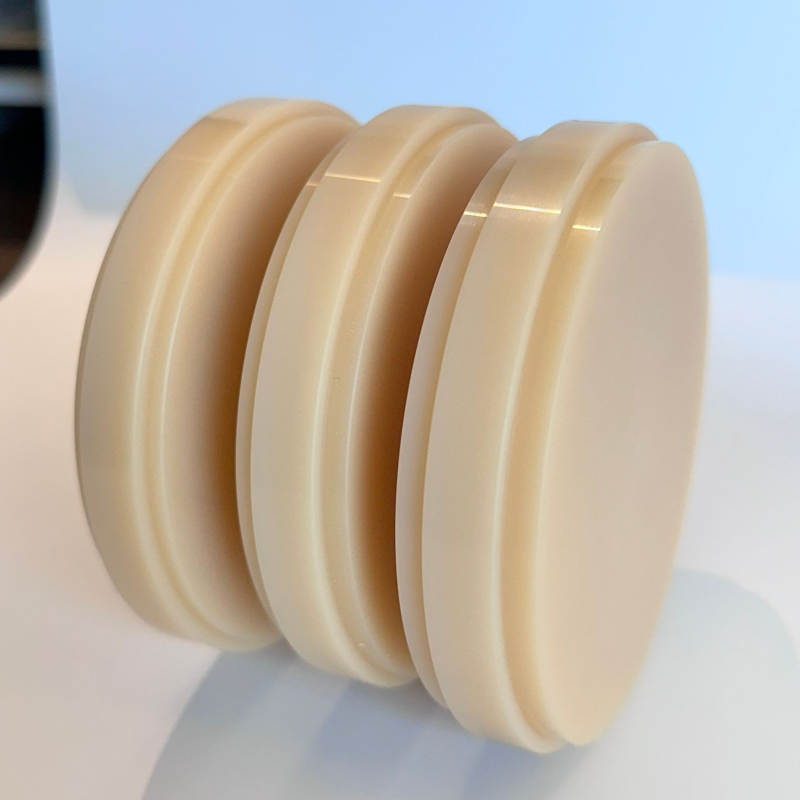
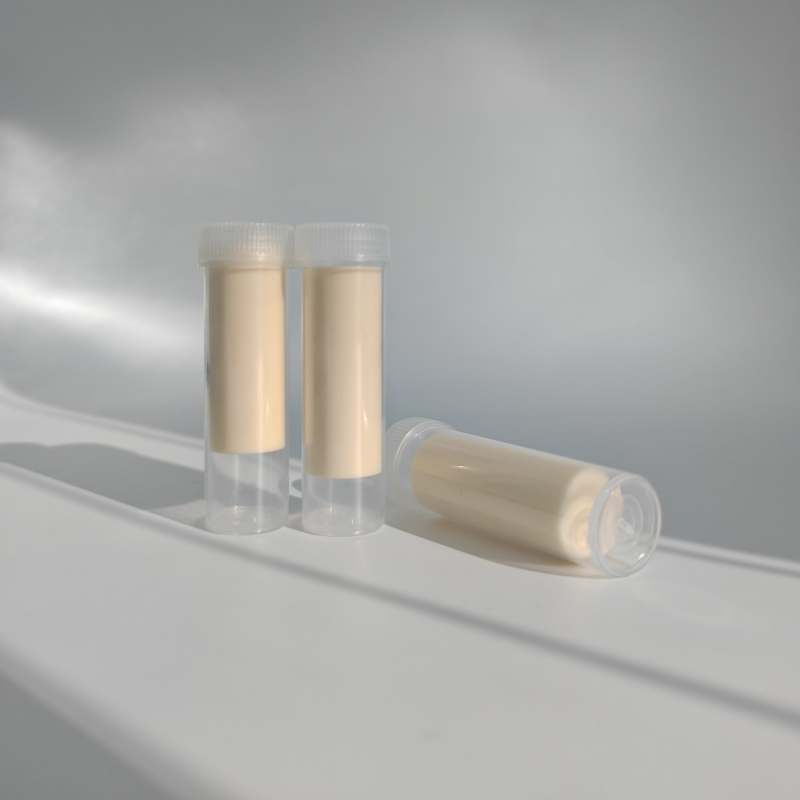
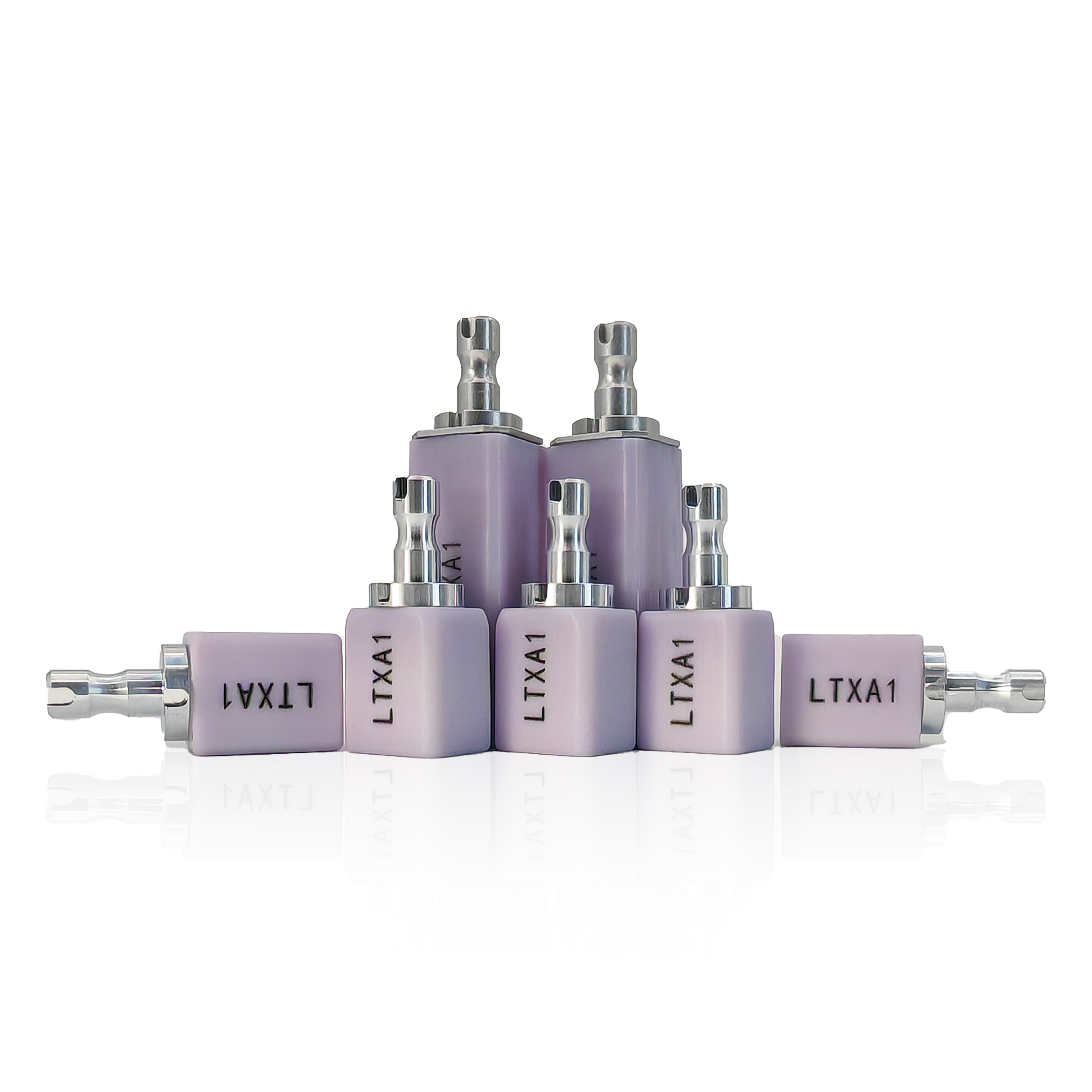
Dental glass ceramic represents a revolutionary advancement in modern dentistry, offering superior aesthetic and functional properties for dental restorations. This innovative material combines the strength of ceramic with the translucency of glass, creating restorations that closely mimic natural tooth structure. Dental glass ceramic is primarily composed of lithium disilicate or leucite-reinforced glass, providing exceptional durability and biocompatibility for long-term oral health applications. The material functions as a versatile restorative solution for crowns, veneers, inlays, onlays, and bridges, delivering outstanding clinical performance across various dental procedures. Technologically, dental glass ceramic features a unique crystalline structure that allows for precise fabrication using CAD/CAM systems or traditional pressing techniques. The material exhibits excellent optical properties, including light transmission and fluorescence characteristics that match natural teeth, ensuring seamless integration with existing dentition. Its low thermal expansion coefficient prevents stress-related failures, while the fine-grained microstructure contributes to superior surface finish and reduced plaque accumulation. Applications of dental glass ceramic extend across restorative, cosmetic, and reconstructive dentistry. Dentists utilize this material for single-tooth restorations, smile makeovers, and complex full-mouth rehabilitations. The versatility of dental glass ceramic makes it suitable for both anterior and posterior applications, providing consistent results regardless of restoration location. Manufacturing processes involve controlled crystallization at specific temperatures, creating a material that combines the aesthetic appeal of porcelain with enhanced mechanical properties. The biocompatible nature of dental glass ceramic ensures minimal tissue irritation and promotes healthy gingival response. Clinical studies demonstrate excellent long-term survival rates, with many restorations lasting decades with proper care and maintenance.
Popular Products

The advantages of dental glass ceramic extend far beyond traditional restoration materials, offering patients and dental professionals significant benefits that enhance both treatment outcomes and patient satisfaction. First, dental glass ceramic provides unmatched aesthetic results through its superior light-handling properties. The material transmits and reflects light similarly to natural tooth enamel, creating restorations that appear completely natural under various lighting conditions. This translucency eliminates the artificial appearance common with metal-based restorations, giving patients confidence in their smile. The color stability of dental glass ceramic ensures that restorations maintain their appearance over time, resisting staining from coffee, tea, wine, and other common dietary substances that typically discolor natural teeth. Strength represents another crucial advantage of dental glass ceramic, with flexural strength values exceeding 400 MPa in many formulations. This exceptional strength allows for thinner restoration designs that preserve more natural tooth structure during preparation. Unlike traditional porcelain, dental glass ceramic resists chipping and fracturing under normal chewing forces, providing patients with reliable, long-lasting restorations. The material's fatigue resistance ensures consistent performance even under repetitive loading conditions typical in the oral environment. Biocompatibility stands as a cornerstone advantage of dental glass ceramic, as the material demonstrates excellent tissue compatibility with minimal inflammatory response. The smooth, non-porous surface of dental glass ceramic resists bacterial adhesion, promoting better oral hygiene and reducing the risk of secondary caries around restoration margins. Patients with metal sensitivities benefit significantly from dental glass ceramic restorations, which eliminate concerns about allergic reactions or galvanic currents. The thermal properties of dental glass ceramic closely match natural tooth structure, preventing uncomfortable temperature sensitivity that patients sometimes experience with metal restorations. Processing efficiency provides practical advantages for both dentists and patients. Dental glass ceramic can be fabricated using various techniques, including chairside CAD/CAM systems that allow for same-day restorations. This efficiency reduces treatment time, minimizes temporary restoration needs, and improves patient convenience. The predictable behavior of dental glass ceramic during fabrication ensures consistent results and reduces remake rates, benefiting both practice efficiency and patient satisfaction.

Practical Tips

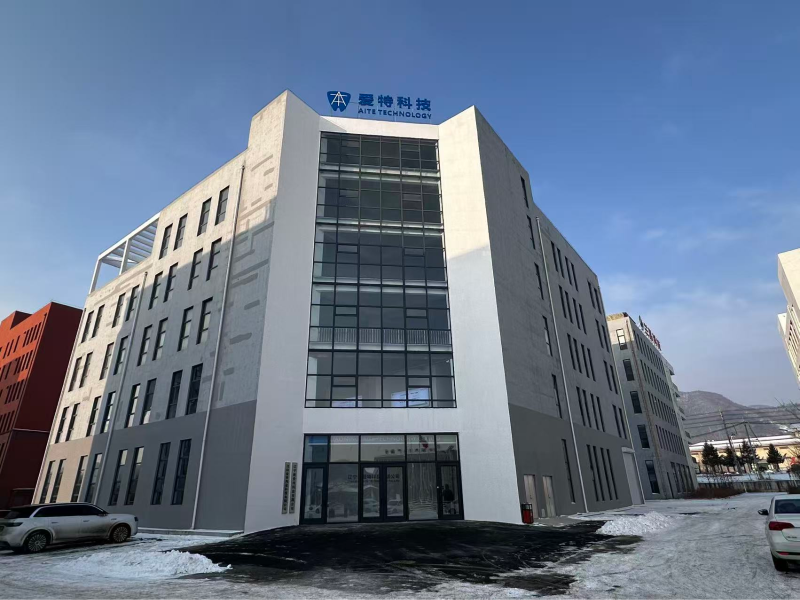
The establishment of the new plant

04

Feb

The establishment of the new plant

View More
Exhibition in Dubai

04

Feb

Exhibition in Dubai

View More
Brazil Exhibition

04

Feb

Brazil Exhibition

View More

Get a Free Quote

Our representative will contact you soon.
Email
Name
Company Name
Message
0/1000

dental glass ceramic

Superior Aesthetic Integration and Natural Appearance

Superior Aesthetic Integration and Natural Appearance

The aesthetic superiority of dental glass ceramic stems from its remarkable ability to replicate the optical properties of natural tooth enamel, making it the premier choice for patients seeking invisible restorations. Unlike traditional ceramic materials that often appear opaque or artificial, dental glass ceramic possesses sophisticated light transmission characteristics that create depth and vitality within the restoration. The material's unique crystalline structure allows light to penetrate and scatter in patterns identical to natural teeth, producing the subtle translucency and opalescence that characterize healthy enamel. This optical behavior ensures that dental glass ceramic restorations blend seamlessly with surrounding teeth, eliminating the telltale signs of dental work that can compromise a patient's confidence. The fluorescence properties of dental glass ceramic further enhance its natural appearance by responding to ultraviolet light in the same manner as natural teeth. This characteristic becomes particularly important in social and professional settings where various lighting conditions can reveal the artificial nature of inferior restoration materials. Dental glass ceramic maintains consistent color and appearance under incandescent, fluorescent, and natural lighting, ensuring that patients feel confident in any environment. Color matching capabilities of dental glass ceramic extend beyond simple shade selection, incorporating subtle variations in chroma, hue, and value that reflect the complexity of natural dentition. Advanced shading systems allow dental technicians to recreate individual tooth characteristics, including surface texture variations, incisal translucency, and cervical coloration. The material accepts and retains various staining and glazing techniques, enabling customization that addresses each patient's unique aesthetic requirements. Long-term color stability represents a significant advantage of dental glass ceramic, as the material resists discoloration from dietary stains, smoking, and aging. This stability maintains the initial aesthetic investment over many years, providing exceptional value for patients seeking permanent cosmetic improvements.
Exceptional Durability and Mechanical Strength

Exceptional Durability and Mechanical Strength

The mechanical properties of dental glass ceramic establish it as a superior restoration material capable of withstanding the demanding conditions of the oral environment while maintaining structural integrity over extended periods. The material's exceptional flexural strength, often exceeding 400 MPa, surpasses that of conventional dental porcelains and approaches the strength characteristics of natural tooth enamel. This strength allows dental glass ceramic restorations to resist fracture under normal and even excessive chewing forces, providing patients with reliable performance during daily function. The high fracture toughness of dental glass ceramic results from its carefully controlled crystalline microstructure, which incorporates stress-interrupting mechanisms that prevent crack propagation. When subjected to impact or excessive force, the material's internal structure deflects and dissipates energy rather than allowing catastrophic failure. This property becomes particularly valuable in posterior applications where high occlusal forces are common, ensuring that dental glass ceramic crowns and bridges maintain their integrity even in challenging clinical situations. Fatigue resistance represents another crucial mechanical advantage of dental glass ceramic, as the material demonstrates excellent performance under cyclic loading conditions that simulate years of chewing function. Laboratory testing involving millions of load cycles confirms that dental glass ceramic maintains its structural properties without degradation, translating to long-term clinical success for patients. The material's resistance to slow crack growth ensures that minor surface defects do not compromise overall restoration integrity over time. Wear characteristics of dental glass ceramic provide balanced performance that protects both the restoration and opposing natural teeth. The material exhibits controlled wear rates that match natural enamel, preventing excessive wear of opposing dentition while maintaining proper occlusal relationships. Surface polishability allows dental glass ceramic to achieve and maintain smooth surfaces that minimize plaque accumulation and facilitate effective oral hygiene. The combination of strength, toughness, and wear resistance makes dental glass ceramic an ideal choice for patients seeking durable, long-lasting restorations that provide exceptional value through extended service life.
Advanced Biocompatibility and Health Benefits

Advanced Biocompatibility and Health Benefits

The biocompatibility profile of dental glass ceramic represents a fundamental advantage that directly impacts patient health, comfort, and long-term treatment success. The material's chemical composition, consisting primarily of biocompatible glass and ceramic phases, demonstrates exceptional tissue tolerance with minimal inflammatory response. Clinical studies consistently show that dental glass ceramic promotes healthy gingival tissue response, with reduced inflammation and better periodontal health compared to many alternative restoration materials. The absence of metal components eliminates concerns about galvanic currents, metal ion release, and allergic reactions that can compromise patient comfort and oral health. The non-porous surface structure of dental glass ceramic creates an environment that resists bacterial adhesion and biofilm formation, contributing significantly to improved oral hygiene maintenance. The smooth, glazed surface of dental glass ceramic restorations can be polished to a finish that surpasses natural tooth enamel, creating an environment where plaque and bacteria struggle to establish permanent colonies. This characteristic reduces the risk of secondary caries at restoration margins and helps maintain the health of surrounding tissues. Patients with dental glass ceramic restorations often experience improved gingival health due to the material's compatibility with soft tissues and its resistance to plaque accumulation. The thermal properties of dental glass ceramic closely match those of natural tooth structure, eliminating the temperature sensitivity that patients sometimes experience with metal restorations. This thermal compatibility prevents discomfort when consuming hot or cold foods and beverages, allowing patients to enjoy their normal diet without restrictions. The coefficient of thermal expansion of dental glass ceramic approximates that of tooth enamel, reducing stress at the restoration-tooth interface that could lead to marginal breakdown or sensitivity. Chemical stability represents another biocompatibility advantage of dental glass ceramic, as the material resists degradation in the oral environment's varying pH conditions. Unlike some materials that release ions or undergo chemical changes over time, dental glass ceramic maintains its structural and chemical integrity throughout its service life. This stability ensures consistent biocompatibility and eliminates concerns about long-term material breakdown that could affect patient health. The radiolucent properties of dental glass ceramic provide diagnostic advantages by allowing clear radiographic visualization of underlying tooth structure, facilitating better long-term monitoring and preventive care.

Get a Free Quote

Our representative will contact you soon.
Email
Name
Company Name
Message
0/1000