biocompatible glass ceramic
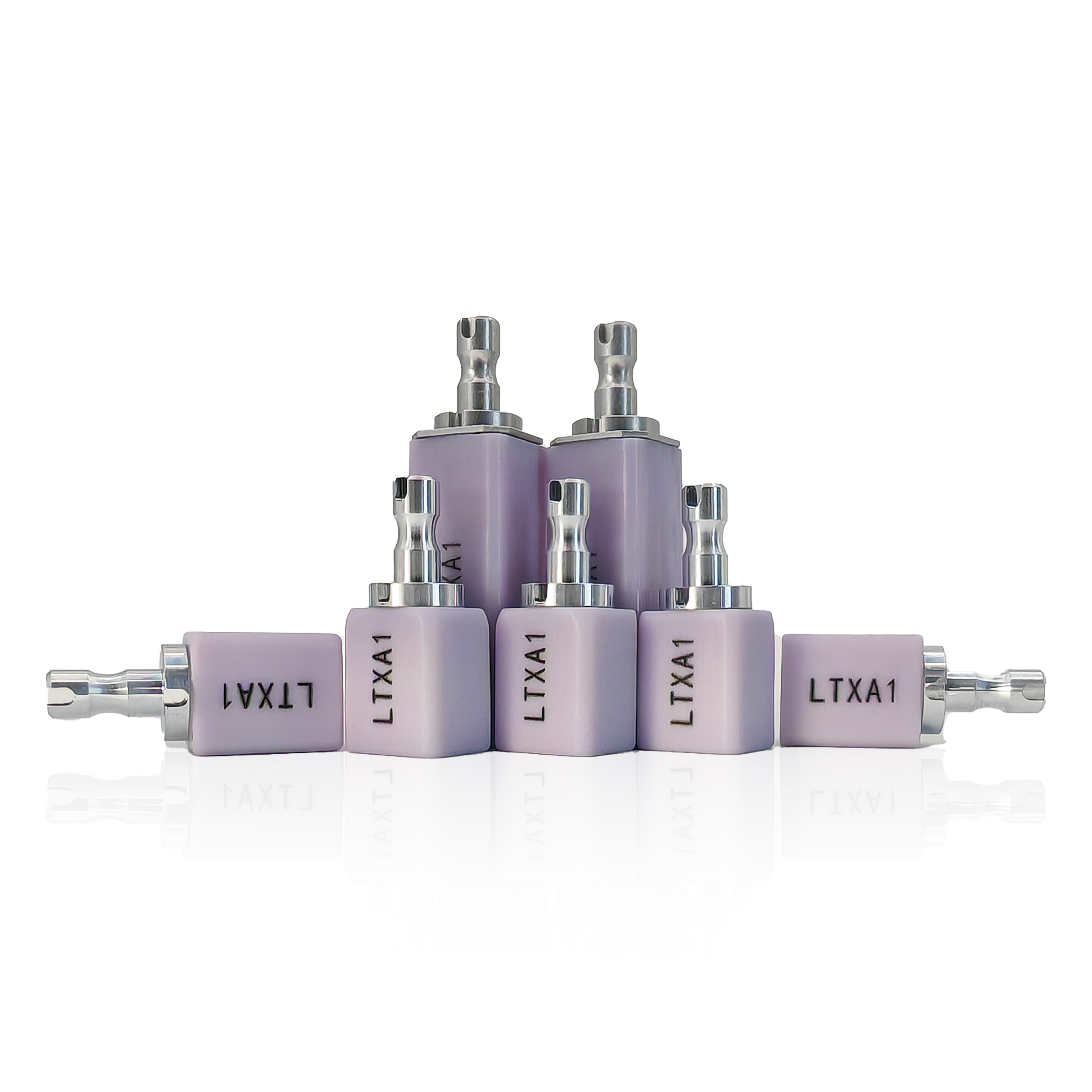
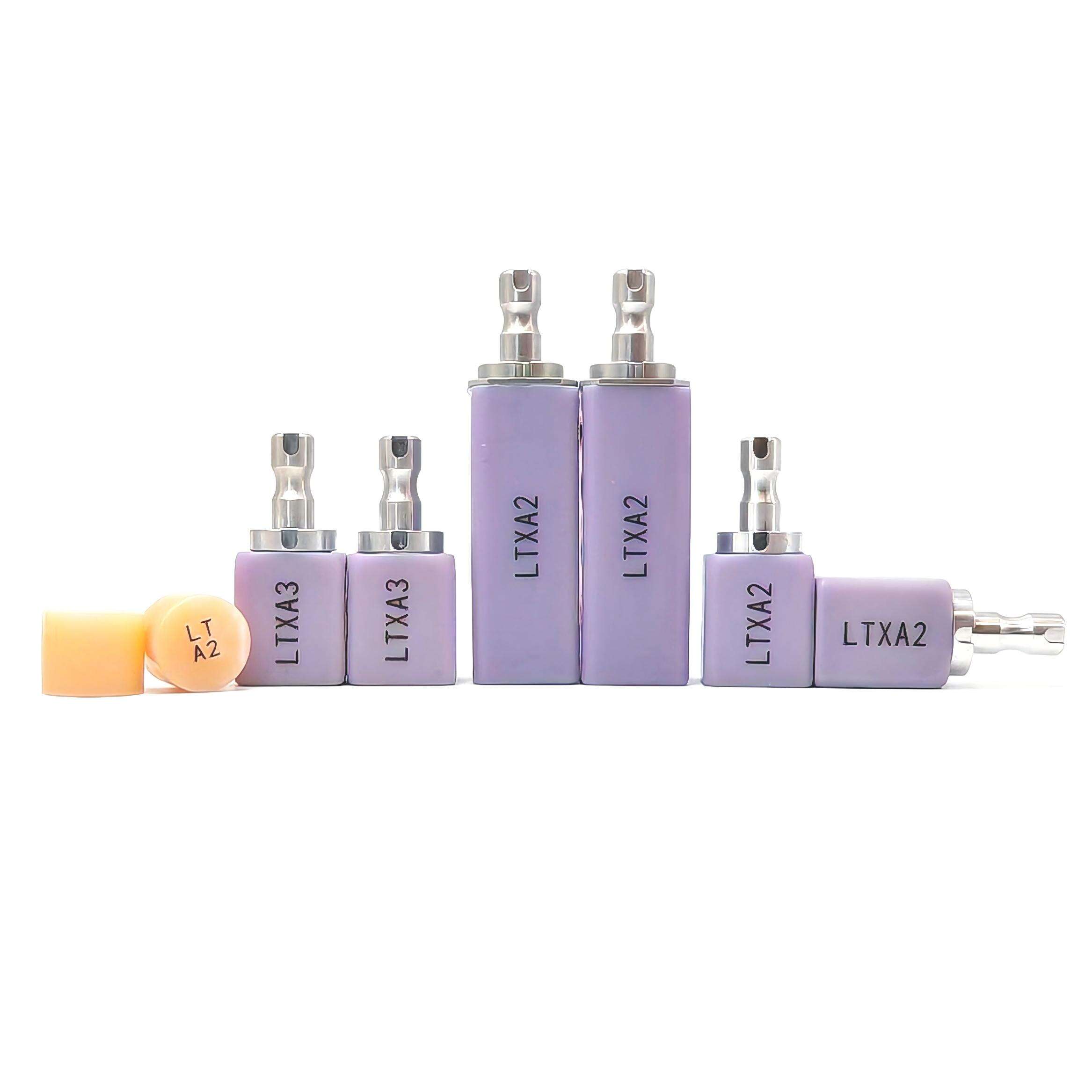
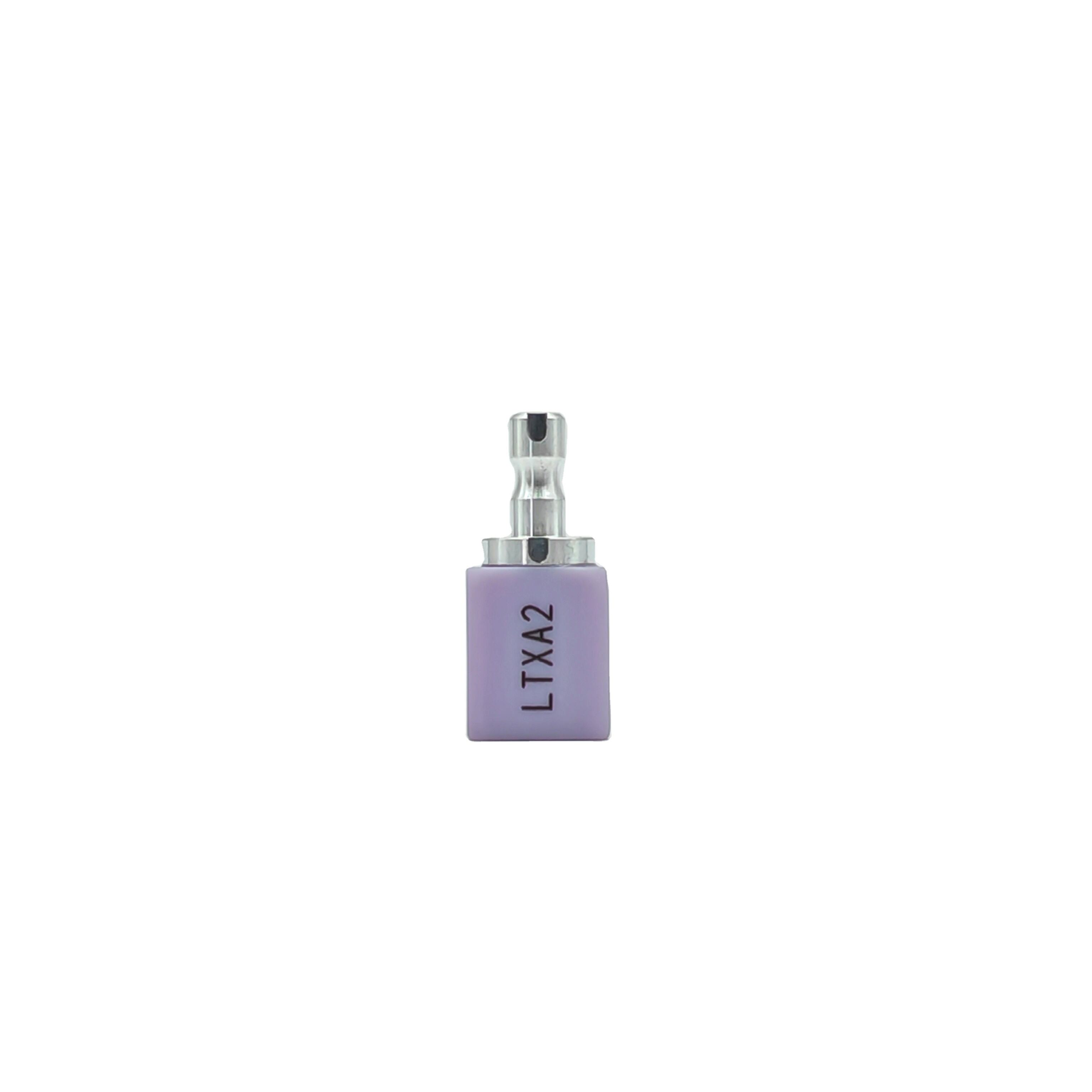
Biocompatible glass ceramic represents a revolutionary advancement in medical materials science, combining the exceptional properties of glass and ceramic materials to create innovative solutions for healthcare applications. This sophisticated material system demonstrates remarkable biological compatibility, making it an ideal choice for medical implants, dental restorations, and various therapeutic devices. The unique composition of biocompatible glass ceramic allows it to integrate seamlessly with human tissue while maintaining structural integrity and long-term performance. Manufacturing processes involve controlled crystallization techniques that transform amorphous glass into partially crystalline structures, resulting in enhanced mechanical properties and biological responsiveness. The material exhibits excellent chemical stability in physiological environments, preventing adverse reactions while promoting natural healing processes. Key technological features include tailored surface chemistry that encourages cellular attachment and growth, customizable mechanical properties that match those of natural bone, and the ability to release beneficial ions that stimulate tissue regeneration. Primary applications span orthopedic implants, dental crowns and bridges, bone grafting materials, and specialized medical devices requiring both biocompatibility and durability. The material's versatility extends to drug delivery systems, where controlled porosity enables sustained release of therapeutic compounds. Advanced processing techniques allow for precise control over crystalline phases, grain size, and surface characteristics, enabling customization for specific medical applications. Biocompatible glass ceramic materials undergo rigorous testing protocols to ensure safety and efficacy, including cytotoxicity assessments, mechanical testing, and long-term stability studies. The integration of advanced manufacturing technologies such as 3D printing and computer-aided design enables the production of patient-specific implants and devices. Research continues to expand the potential applications of biocompatible glass ceramic, with ongoing developments in smart materials that respond to physiological conditions and provide real-time monitoring capabilities.

 EN
EN