Exceptional Durability and Longevity Performance
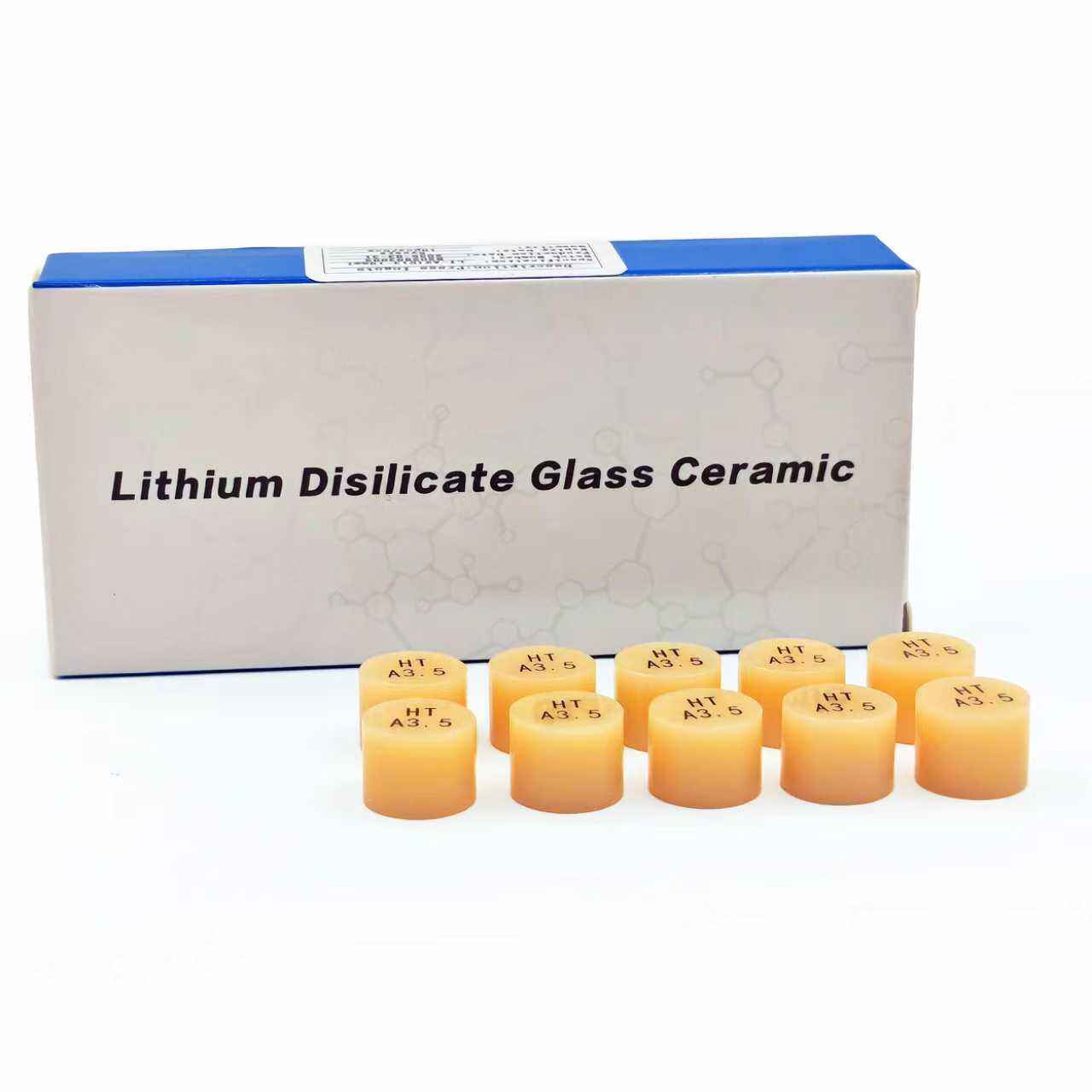
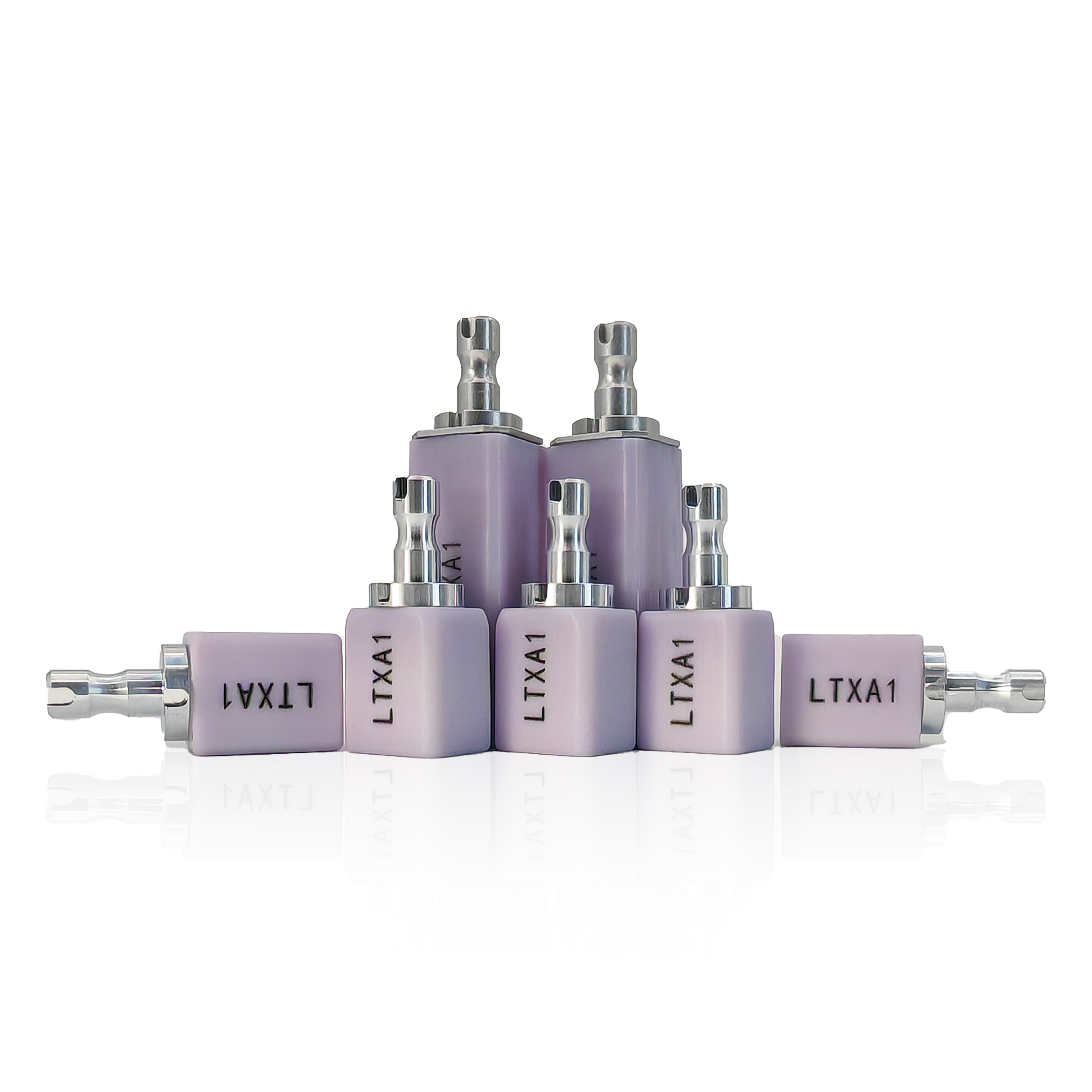
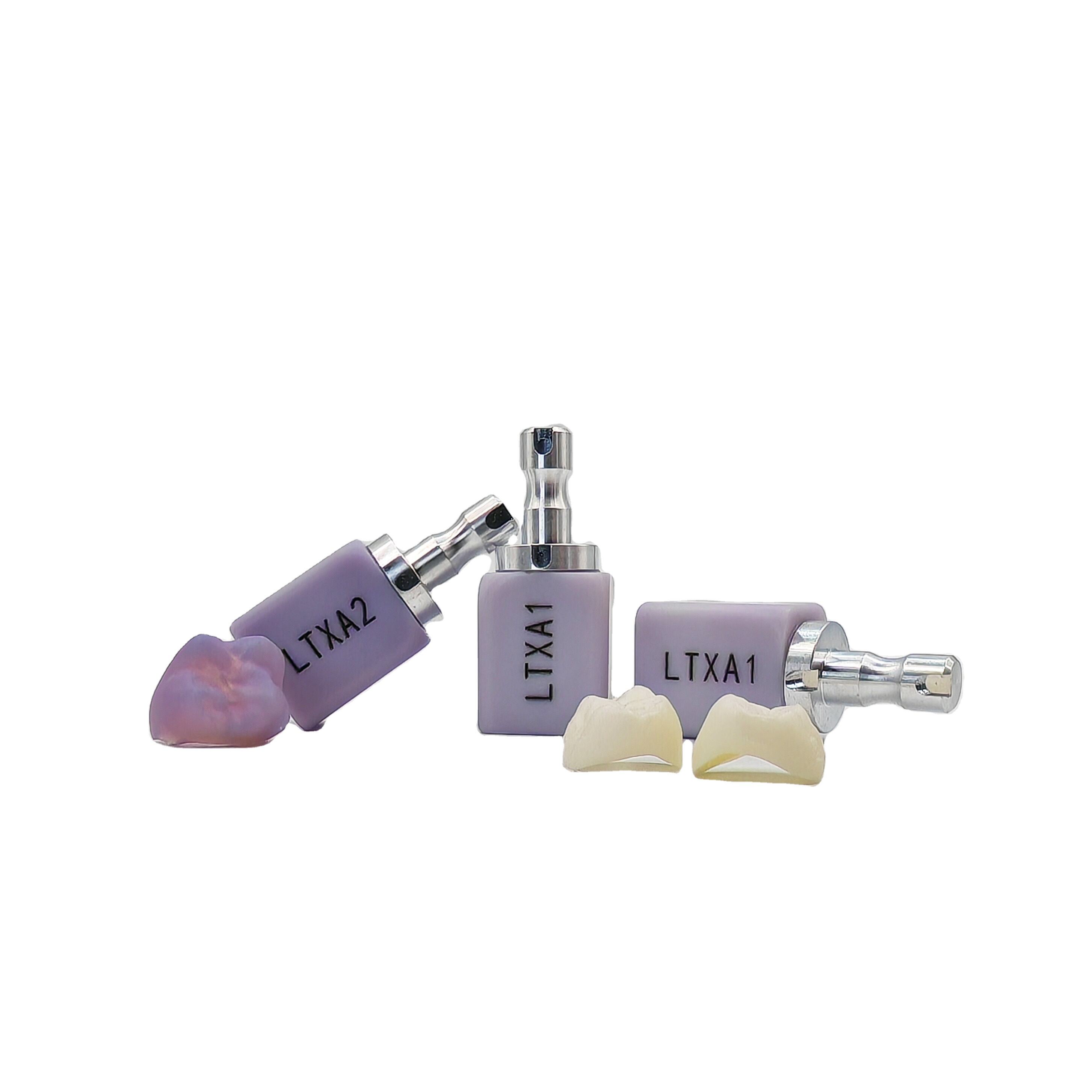
The exceptional durability of glass ceramic crowns stems from their unique material composition and advanced manufacturing processes that create restorations capable of withstanding decades of normal function. The crystalline structure formed during the fabrication process provides mechanical properties that exceed those of natural tooth enamel in many respects, including compressive strength, flexural strength, and resistance to crack propagation. This superior strength allows glass ceramic crowns to handle the substantial forces generated during chewing, grinding, and clenching without compromising their structural integrity or functional performance. Long-term clinical studies spanning fifteen to twenty years demonstrate survival rates for glass ceramic crowns that consistently exceed 90%, with many restorations remaining fully functional and aesthetically pleasing throughout these extended observation periods. These impressive longevity statistics translate to excellent value for patients, as the initial investment in glass ceramic crowns often proves more economical than repeatedly replacing inferior materials over the same timeframe. The fatigue resistance of glass ceramic materials ensures that repeated loading cycles associated with normal chewing function do not lead to gradual weakening or eventual failure, providing patients with reliable performance year after year. Environmental factors that can degrade other dental materials have minimal impact on glass ceramic crowns, as these materials resist staining, wear, and chemical degradation from foods, beverages, and oral care products. The thermal shock resistance of glass ceramic crowns prevents damage from temperature fluctuations encountered during eating and drinking, ensuring that patients can enjoy hot coffee followed by cold ice cream without risking crown damage. Manufacturing quality control processes for glass ceramic crowns include rigorous testing procedures that verify material properties and identify any potential defects before clinical placement, providing additional assurance of long-term performance and patient satisfaction.

 EN
EN