Premium Glass Ceramic Crowns - Durable, Natural-Looking Dental Restorations

All Categories

Get a Free Quote

Our representative will contact you soon.
Email
Name
Company Name
Message
0/1000

glass ceramic crowns

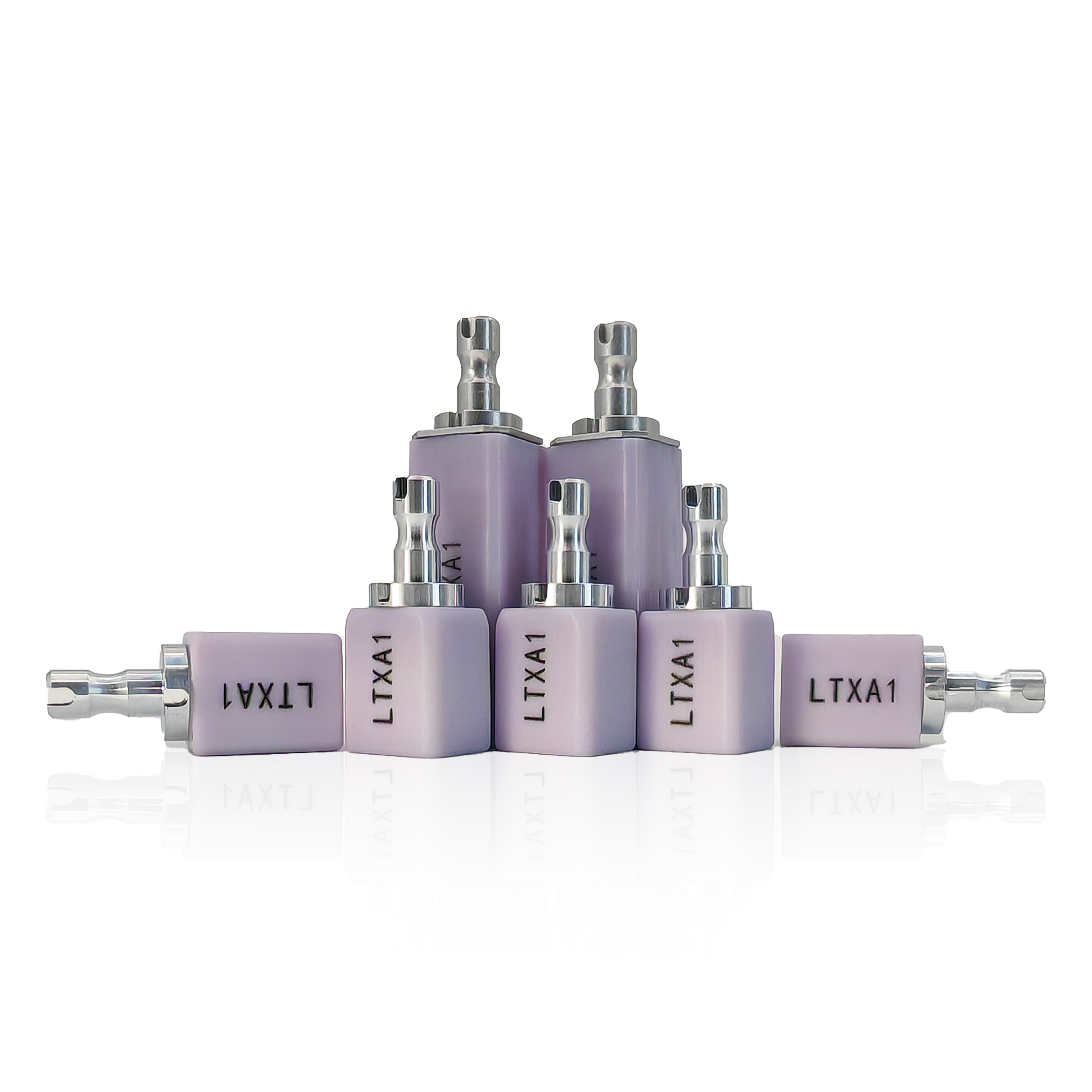
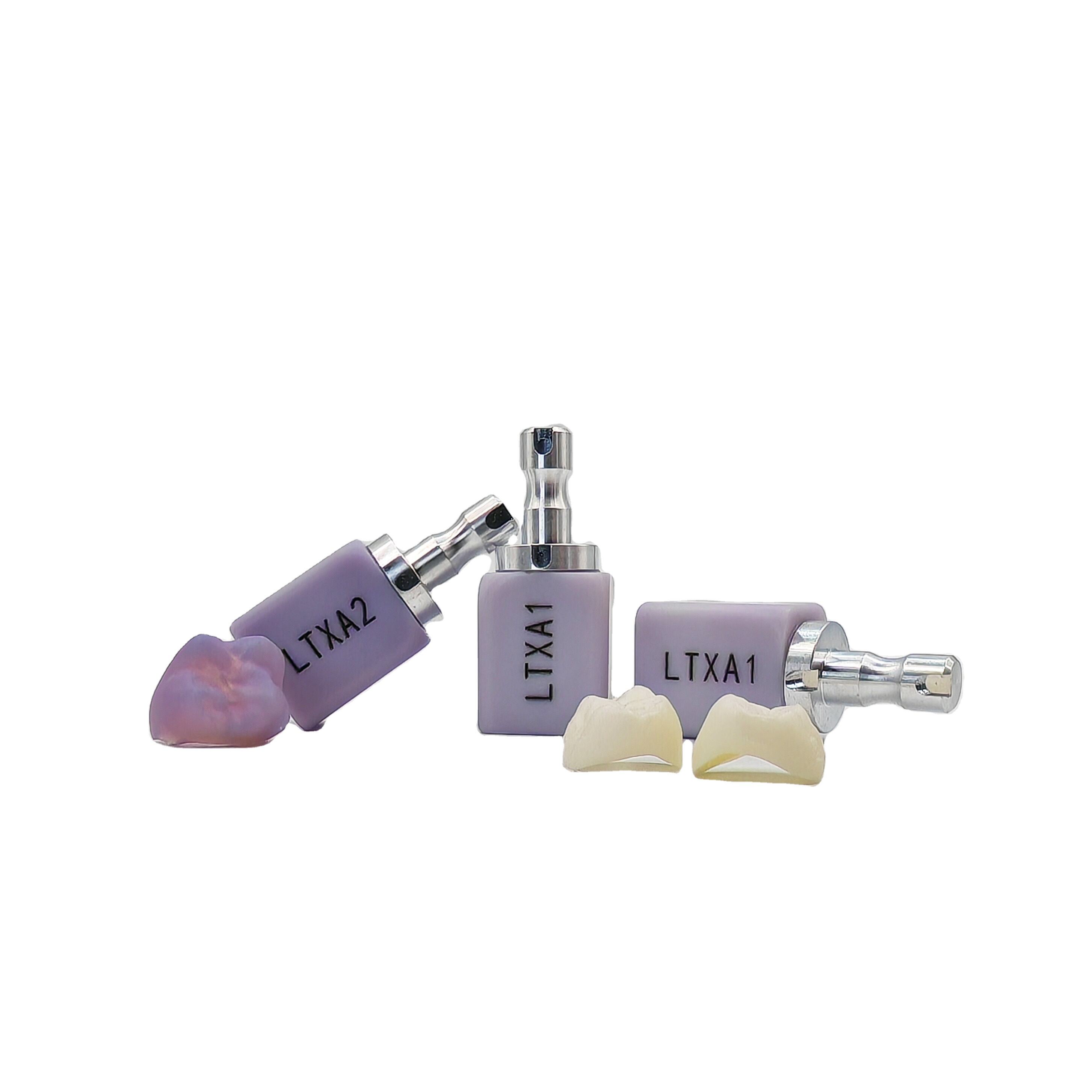
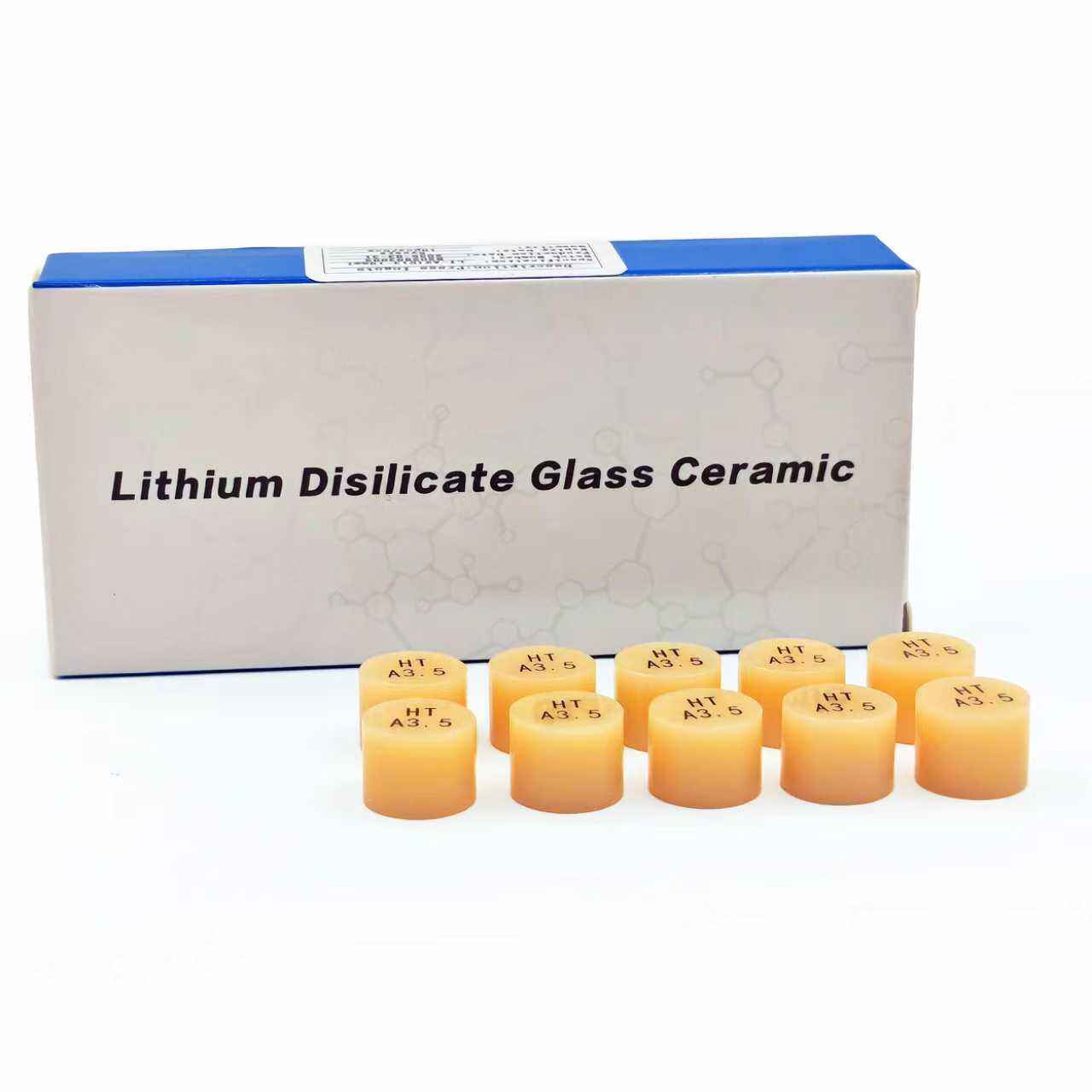
Glass ceramic crowns represent a revolutionary advancement in modern dental restoration technology, combining the aesthetic appeal of natural teeth with exceptional durability and functionality. These sophisticated dental prosthetics are manufactured using advanced glass ceramic materials that undergo specialized heat treatment processes to achieve optimal strength and translucency. The primary function of glass ceramic crowns involves restoring damaged, decayed, or aesthetically compromised teeth while maintaining the natural appearance and bite function that patients expect from premium dental solutions. The technological foundation of glass ceramic crowns relies on a unique crystalline structure that forms during the manufacturing process. This structure provides superior mechanical properties compared to traditional ceramic materials, including enhanced fracture resistance and improved load-bearing capacity. The glass ceramic composition typically contains lithium disilicate or leucite crystals embedded within a glassy matrix, creating a material that exhibits both strength and optical properties similar to natural tooth enamel. Manufacturing techniques for glass ceramic crowns involve computer-aided design and manufacturing (CAD/CAM) systems that ensure precise fit and optimal aesthetics. Digital impressions capture detailed tooth geometry, allowing technicians to design crowns with exact specifications for each individual case. The fabrication process includes pressing or milling techniques followed by controlled crystallization procedures that develop the final material properties. Clinical applications for glass ceramic crowns extend across various dental specialties, including general dentistry, prosthodontics, and cosmetic dentistry. These restorations effectively treat conditions such as severe tooth decay, root canal treated teeth requiring protection, fractured teeth, and cases where patients desire improved aesthetics. The biocompatible nature of glass ceramic materials ensures excellent tissue response and long-term oral health maintenance, making these crowns suitable for patients with various medical histories and oral conditions.

Popular Products

Glass ceramic crowns offer numerous practical benefits that make them an excellent choice for patients seeking high-quality dental restorations. The most significant advantage lies in their exceptional aesthetic properties, as these crowns closely mimic the natural translucency and color variations found in healthy teeth. Unlike traditional metal-based crowns that can create dark lines at the gum margin, glass ceramic crowns maintain their natural appearance even when gums recede slightly over time, ensuring long-lasting cosmetic results that patients appreciate. Durability represents another major benefit of glass ceramic crowns, with clinical studies demonstrating survival rates exceeding 95% over ten-year periods. The crystalline structure within these materials provides remarkable resistance to chewing forces and thermal cycling that occurs during normal eating and drinking. This strength allows patients to enjoy their favorite foods without worrying about crown failure or damage, providing peace of mind and functional reliability that enhances quality of life. The biocompatible nature of glass ceramic materials ensures excellent tissue health and minimal risk of allergic reactions or adverse biological responses. Patients with metal sensitivities or those concerned about potential health implications of metal-based restorations find glass ceramic crowns to be an ideal alternative. The smooth surface finish of these crowns also resists plaque accumulation better than some other materials, supporting better oral hygiene maintenance and reduced risk of secondary decay or gum disease. Precision fit represents a crucial advantage achieved through advanced manufacturing processes used for glass ceramic crowns. Computer-aided design systems create restorations with marginal accuracies measured in micrometers, ensuring tight seals that prevent bacterial infiltration and subsequent complications. This precise fit also contributes to patient comfort, as properly fitted crowns eliminate the irritation and discomfort sometimes associated with poorly adapted restorations. The conservative preparation requirements for glass ceramic crowns preserve more natural tooth structure compared to traditional full-coverage crowns. Advanced bonding techniques allow these restorations to be securely attached with minimal tooth reduction, maintaining tooth vitality and structural integrity. This conservative approach benefits patients by preserving healthy tooth tissue while providing comprehensive protection and aesthetic enhancement.

Tips And Tricks

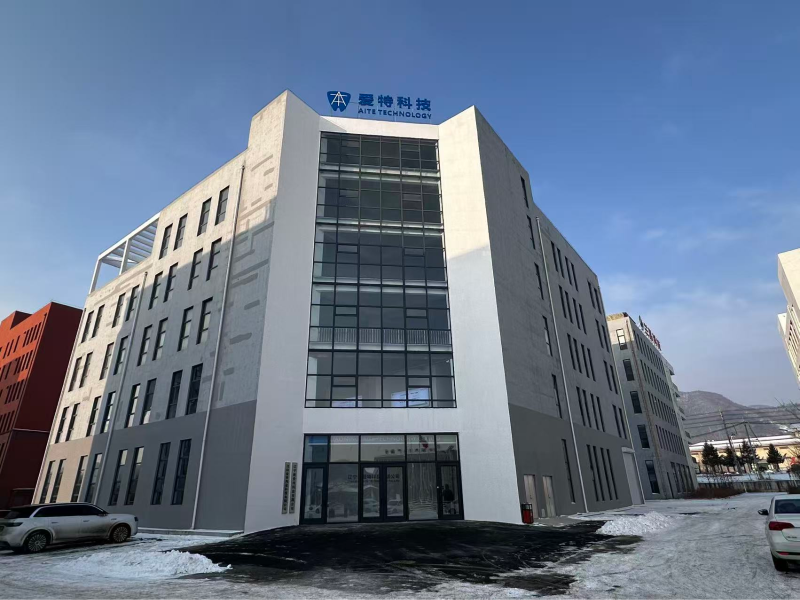
The establishment of the new plant

04

Feb

The establishment of the new plant

View More
Exhibition in Dubai

04

Feb

Exhibition in Dubai

View More
Brazil Exhibition

04

Feb

Brazil Exhibition

View More

Get a Free Quote

Our representative will contact you soon.
Email
Name
Company Name
Message
0/1000

glass ceramic crowns

Superior Aesthetic Integration and Natural Appearance

Superior Aesthetic Integration and Natural Appearance

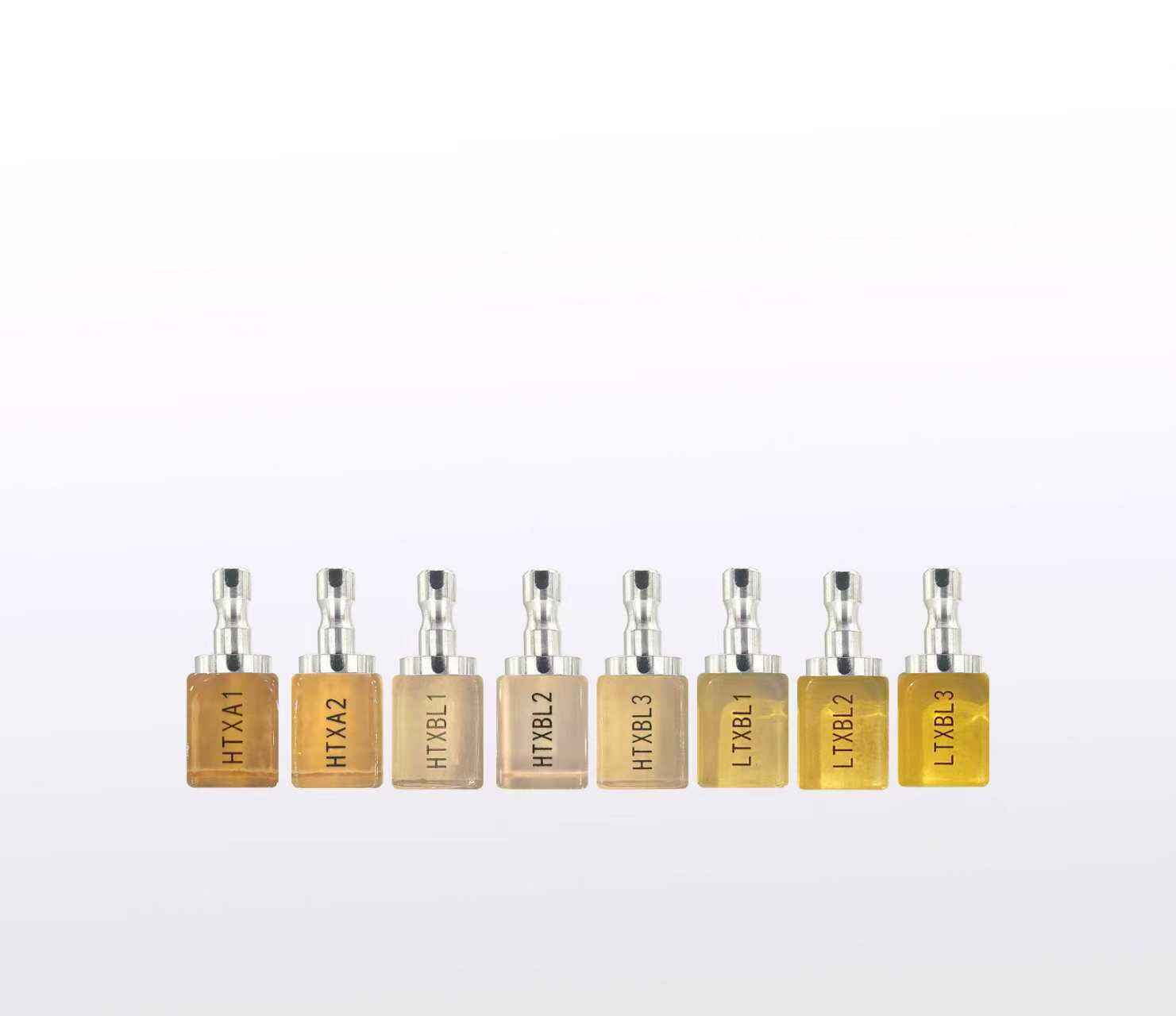
Glass ceramic crowns excel in providing unmatched aesthetic integration that seamlessly blends with surrounding natural teeth, making them virtually indistinguishable from original tooth structure. The sophisticated optical properties of glass ceramic materials allow light to penetrate and reflect in patterns identical to natural enamel, creating the depth and vitality that characterize healthy teeth. This optical behavior results from the carefully controlled crystalline structure within the material, which scatters and transmits light in ways that replicate the complex optical phenomena occurring in natural tooth enamel and dentin layers. The color-matching capabilities of glass ceramic crowns surpass those of many alternative materials, as skilled technicians can layer different shades and translucencies to recreate the subtle color variations found in individual teeth. This customization process considers factors such as age-related changes, existing restorations, and patient preferences to achieve results that enhance overall smile aesthetics while maintaining natural authenticity. The absence of metal substructures eliminates the risk of gray shadows or dark lines that can compromise the appearance of traditional porcelain-fused-to-metal crowns, particularly in areas with thin gingival tissues or when gums recede over time. Patients benefit from this superior aesthetic integration through increased confidence in social and professional interactions, as the natural appearance of glass ceramic crowns allows them to smile, speak, and eat without self-consciousness about their dental work. The long-term color stability of these materials ensures that the initial aesthetic results remain consistent over many years, providing lasting value and satisfaction. Clinical photographs and patient testimonials consistently demonstrate the transformative aesthetic impact of glass ceramic crowns, with many patients reporting that friends and family members cannot identify which teeth have been restored.
Exceptional Durability and Longevity Performance

Exceptional Durability and Longevity Performance

The exceptional durability of glass ceramic crowns stems from their unique material composition and advanced manufacturing processes that create restorations capable of withstanding decades of normal function. The crystalline structure formed during the fabrication process provides mechanical properties that exceed those of natural tooth enamel in many respects, including compressive strength, flexural strength, and resistance to crack propagation. This superior strength allows glass ceramic crowns to handle the substantial forces generated during chewing, grinding, and clenching without compromising their structural integrity or functional performance. Long-term clinical studies spanning fifteen to twenty years demonstrate survival rates for glass ceramic crowns that consistently exceed 90%, with many restorations remaining fully functional and aesthetically pleasing throughout these extended observation periods. These impressive longevity statistics translate to excellent value for patients, as the initial investment in glass ceramic crowns often proves more economical than repeatedly replacing inferior materials over the same timeframe. The fatigue resistance of glass ceramic materials ensures that repeated loading cycles associated with normal chewing function do not lead to gradual weakening or eventual failure, providing patients with reliable performance year after year. Environmental factors that can degrade other dental materials have minimal impact on glass ceramic crowns, as these materials resist staining, wear, and chemical degradation from foods, beverages, and oral care products. The thermal shock resistance of glass ceramic crowns prevents damage from temperature fluctuations encountered during eating and drinking, ensuring that patients can enjoy hot coffee followed by cold ice cream without risking crown damage. Manufacturing quality control processes for glass ceramic crowns include rigorous testing procedures that verify material properties and identify any potential defects before clinical placement, providing additional assurance of long-term performance and patient satisfaction.
Biocompatibility and Oral Health Benefits

Biocompatibility and Oral Health Benefits

Glass ceramic crowns demonstrate exceptional biocompatibility that promotes optimal oral health outcomes and patient comfort throughout their service life. The chemically inert nature of glass ceramic materials prevents the release of ions or particles that could trigger inflammatory responses or allergic reactions in sensitive patients. This biocompatible profile makes glass ceramic crowns particularly suitable for patients with histories of metal allergies, autoimmune conditions, or concerns about potential systemic effects from dental materials. The smooth, non-porous surface characteristics of glass ceramic crowns resist bacterial adhesion and plaque accumulation more effectively than many alternative materials, supporting better oral hygiene maintenance and reduced risk of secondary complications such as recurrent decay or periodontal disease. Clinical research demonstrates that gingival tissues surrounding glass ceramic crowns maintain excellent health parameters, with minimal inflammation, bleeding, or recession compared to some other crown materials. The precise marginal adaptation achieved through advanced manufacturing techniques creates tight seals that prevent bacterial infiltration at the crown-tooth interface, protecting the underlying tooth structure from decay and maintaining long-term oral health. Patients with glass ceramic crowns report high levels of comfort and function, with minimal sensitivity or adverse reactions following placement. The thermal conductivity properties of glass ceramic materials provide appropriate insulation while allowing sufficient thermal transfer to maintain normal pulpal responses and patient comfort. The tissue-friendly characteristics of glass ceramic crowns extend to their interaction with both hard and soft oral tissues, promoting stable, healthy conditions that support the longevity of both the restoration and surrounding natural structures. Dentists frequently recommend glass ceramic crowns for patients with complex medical histories or multiple material sensitivities because of their proven safety profile and excellent biological response patterns documented in extensive clinical literature.

Get a Free Quote

Our representative will contact you soon.
Email
Name
Company Name
Message
0/1000