High Strength Glass Ceramic: Advanced Materials for Superior Performance and Durability

All Categories

Get a Free Quote

Our representative will contact you soon.
Email
Name
Company Name
Message
0/1000

high strength glass ceramic

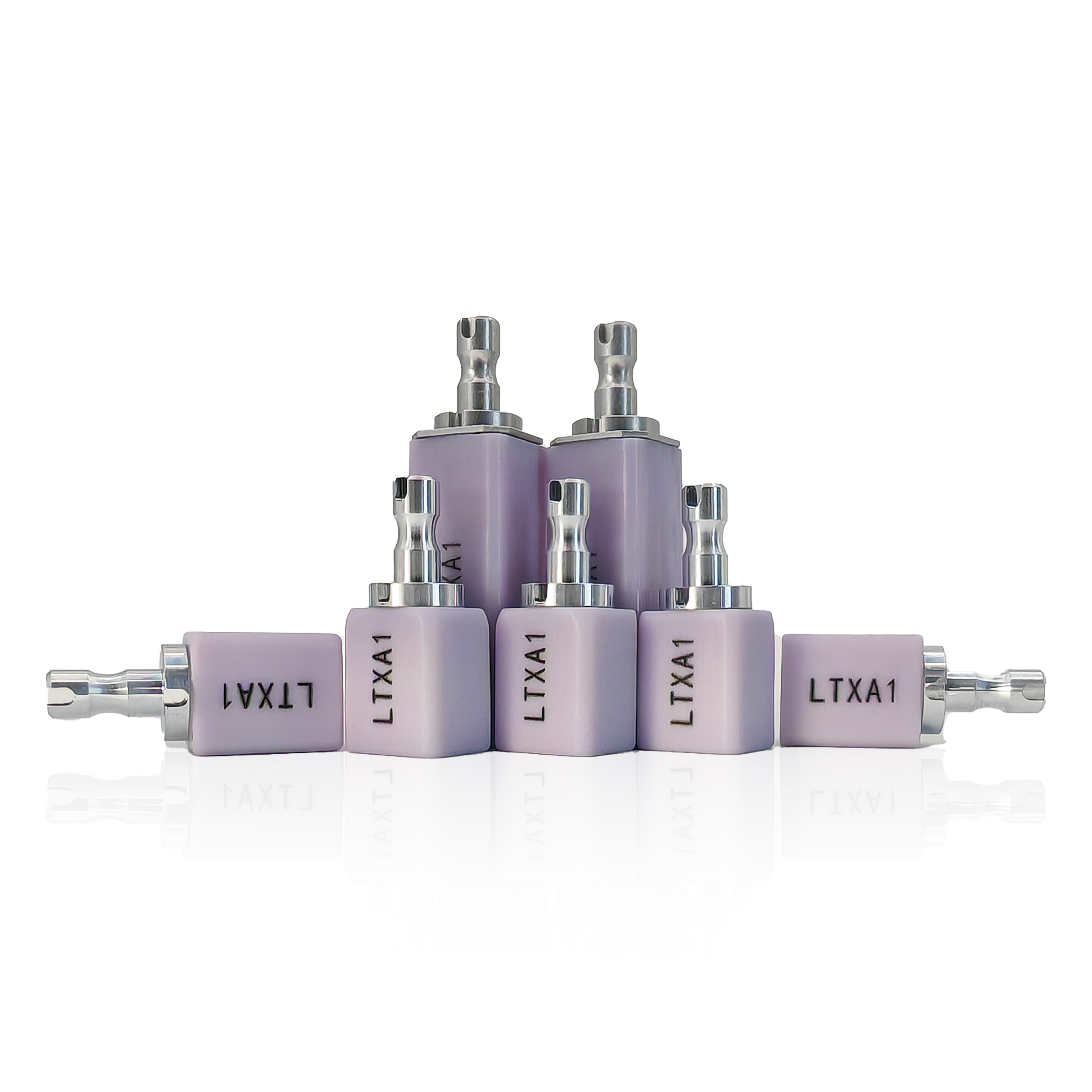
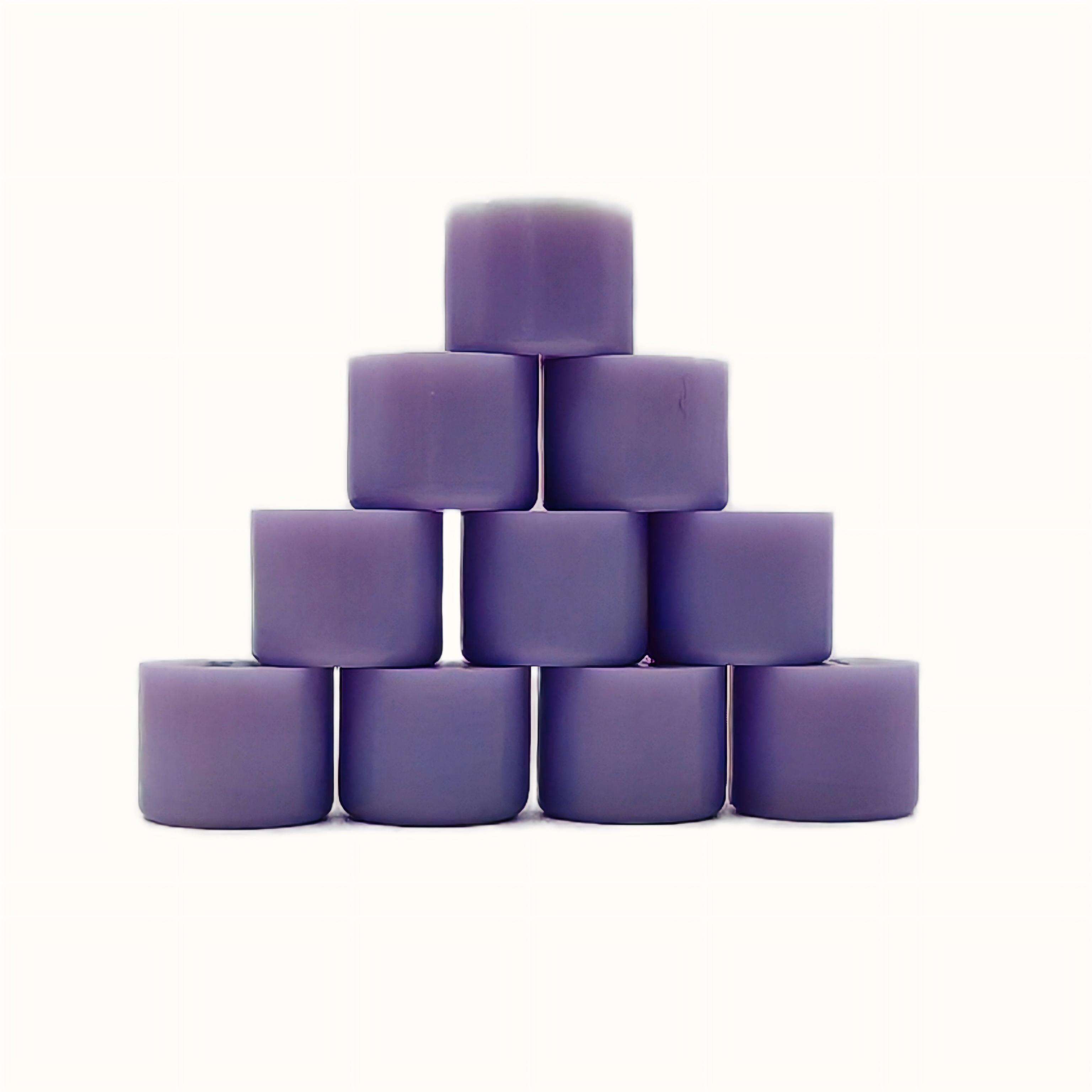
High strength glass ceramic represents a revolutionary advancement in materials engineering that combines the best properties of traditional glass and crystalline ceramics. This innovative material is manufactured through a controlled crystallization process where glass undergoes precise heat treatment to develop microcrystalline structures within its matrix. The resulting high strength glass ceramic exhibits exceptional mechanical properties, thermal stability, and chemical resistance that surpass conventional materials in numerous applications. The manufacturing process involves melting raw materials at extremely high temperatures, followed by controlled cooling and subsequent reheating to specific temperatures that promote crystallization. This dual-phase structure creates a material that maintains the optical clarity and formability of glass while achieving the durability and strength characteristics of advanced ceramics. High strength glass ceramic demonstrates remarkable resistance to thermal shock, enabling it to withstand rapid temperature changes without cracking or structural failure. The material's coefficient of thermal expansion can be engineered to near-zero values, making it ideal for precision applications requiring dimensional stability across temperature variations. Its chemical inertness makes high strength glass ceramic suitable for corrosive environments where traditional materials would degrade rapidly. The microstructure of high strength glass ceramic consists of fine crystalline phases dispersed throughout a glassy matrix, creating a homogeneous material with predictable properties. This unique composition allows manufacturers to tailor specific characteristics such as thermal expansion, electrical conductivity, and optical transparency to meet precise application requirements. The material exhibits excellent fatigue resistance and maintains its structural integrity under cyclic loading conditions. High strength glass ceramic surfaces can be machined to extremely smooth finishes, making them suitable for optical and precision mechanical applications where surface quality is critical.

New Products

High strength glass ceramic delivers numerous practical benefits that make it superior to conventional materials in demanding applications. The material's exceptional durability means products last significantly longer, reducing replacement costs and maintenance requirements for customers. Unlike traditional ceramics that can be brittle and prone to sudden failure, high strength glass ceramic exhibits controlled fracture behavior that provides warning before complete failure occurs. This predictable failure mode enhances safety in critical applications and allows for proactive maintenance scheduling. The thermal stability of high strength glass ceramic eliminates concerns about thermal expansion mismatches that commonly cause failures in multi-material assemblies. Components made from this material maintain precise dimensions across wide temperature ranges, ensuring consistent performance in applications where accuracy is paramount. The chemical resistance properties mean that high strength glass ceramic components resist corrosion from acids, bases, and organic solvents that would quickly degrade metals or polymers. This resistance translates to longer service life and reduced contamination risks in chemical processing applications. Manufacturing flexibility represents another significant advantage, as high strength glass ceramic can be formed into complex shapes using conventional glass-forming techniques before crystallization occurs. This capability allows designers to create intricate geometries that would be impossible or extremely expensive to achieve with traditional ceramics. The material's electrical properties can be engineered to provide either excellent insulation or controlled conductivity, making it versatile for electronic applications. High strength glass ceramic exhibits minimal outgassing in vacuum environments, making it ideal for semiconductor and space applications where contamination must be minimized. The material's biocompatibility makes it suitable for medical implants and devices where long-term contact with biological tissues is required. Processing advantages include the ability to join high strength glass ceramic components using various techniques including fusion bonding, adhesive bonding, and mechanical fastening. The smooth surface finish achievable with high strength glass ceramic reduces friction and wear in mechanical applications, extending component life and improving efficiency. Cost-effectiveness emerges from the combination of longer service life, reduced maintenance requirements, and the ability to replace multiple materials with a single high-performance solution.

Practical Tips

The establishment of the new plant

04

Feb

The establishment of the new plant

View More
Exhibition in Dubai

04

Feb

Exhibition in Dubai

View More
Brazil Exhibition

04

Feb

Brazil Exhibition

View More

Get a Free Quote

Our representative will contact you soon.
Email
Name
Company Name
Message
0/1000

high strength glass ceramic

Unmatched Thermal Stability and Dimensional Precision

Unmatched Thermal Stability and Dimensional Precision

High strength glass ceramic stands apart from conventional materials through its exceptional thermal stability and near-zero thermal expansion properties. This remarkable characteristic stems from the carefully controlled crystalline structure that forms during the manufacturing process, where specific crystal phases are developed to counteract thermal expansion. The material can withstand temperature variations exceeding 500 degrees Celsius without experiencing significant dimensional changes, making it invaluable in applications where precision must be maintained across extreme temperature ranges. In precision optics applications, high strength glass ceramic maintains mirror flatness and lens geometry even when subjected to thermal cycling that would cause traditional materials to warp or crack. The aerospace industry relies on this thermal stability for satellite components that experience dramatic temperature swings between the sun-facing and shadow sides of spacecraft. Electronic applications benefit enormously from the dimensional stability, as circuit boards and component housings made from high strength glass ceramic prevent stress-induced failures in sensitive electronic components. The automotive industry utilizes this property in exhaust system components where repeated heating and cooling cycles would quickly fatigue traditional materials. Laboratory equipment manufacturers specify high strength glass ceramic for precision instruments that must maintain calibration accuracy regardless of ambient temperature variations. The material's ability to maintain structural integrity under thermal stress eliminates the need for complex thermal compensation mechanisms, simplifying design and reducing system costs. Manufacturing processes benefit from the predictable thermal behavior, as tooling and fixtures made from high strength glass ceramic maintain dimensional accuracy throughout production runs. This thermal stability extends to chemical processing applications where reactor vessels and heat exchangers must withstand both chemical attack and thermal cycling without degradation.
Superior Mechanical Strength and Fracture Resistance

Superior Mechanical Strength and Fracture Resistance

The mechanical properties of high strength glass ceramic represent a quantum leap beyond traditional ceramic and glass materials, delivering exceptional strength combined with controlled fracture behavior that enhances both performance and safety. The unique microstructure, consisting of fine crystalline phases distributed throughout a glassy matrix, creates a material that can withstand mechanical stresses that would cause immediate failure in conventional ceramics. Flexural strength values typically exceed 400 MPa, while compressive strength can reach over 2000 MPa, making high strength glass ceramic suitable for structural applications previously limited to metals or advanced composites. The fracture toughness of high strength glass ceramic surpasses ordinary ceramics by factors of three to five, meaning components can tolerate surface flaws and stress concentrations without catastrophic failure. This property is particularly valuable in safety-critical applications where sudden failure could result in injury or equipment damage. The material exhibits excellent fatigue resistance under cyclic loading, maintaining structural integrity through millions of stress cycles that would cause crack propagation and failure in traditional ceramics. Impact resistance properties make high strength glass ceramic suitable for applications involving shock loading or vibration, such as automotive components and industrial machinery parts. The controlled fracture behavior means that when failure does occur, it progresses in a predictable manner rather than shattering explosively like ordinary glass. This characteristic allows designers to engineer fail-safe mechanisms and provides operators with visual warning of impending component failure. Surface hardness approaching that of sapphire makes high strength glass ceramic highly resistant to scratching and abrasion, maintaining smooth surfaces and precise dimensions even in abrasive environments. The combination of high strength and low density results in excellent specific strength ratios, making the material attractive for weight-sensitive applications in aerospace and transportation industries.
Exceptional Chemical Resistance and Biocompatibility

Exceptional Chemical Resistance and Biocompatibility

High strength glass ceramic demonstrates outstanding chemical resistance that surpasses most metals and polymers, making it the material of choice for applications involving corrosive environments or requiring absolute chemical purity. The dense, non-porous structure prevents chemical penetration and eliminates the substrate degradation that commonly affects other materials. This chemical inertness extends across the entire pH range, from highly acidic to strongly alkaline conditions, without any measurable material loss or property degradation. Pharmaceutical manufacturing facilities rely on high strength glass ceramic for reactor vessels and piping systems where product purity cannot be compromised by material leaching or contamination. The semiconductor industry specifies this material for process equipment where trace metal contamination would render expensive wafers unusable. Chemical processing plants utilize high strength glass ceramic for pumps, valves, and vessel linings in applications involving hydrofluoric acid, chlorine, and other aggressive chemicals that rapidly attack stainless steel and exotic alloys. The material's resistance to organic solvents makes it ideal for petrochemical applications where hydrocarbon exposure would cause swelling or degradation in polymer components. Environmental applications benefit from the material's stability in outdoor exposure, as high strength glass ceramic resists UV radiation, acid rain, and atmospheric pollutants without surface degradation or color changes. Biocompatibility represents another crucial advantage, as high strength glass ceramic exhibits no cytotoxic effects and integrates well with human tissue in medical applications. Dental implants and prosthetic devices made from this material show excellent long-term biocompatibility without inflammatory responses or tissue rejection. The smooth, non-porous surface prevents bacterial adhesion and biofilm formation, making high strength glass ceramic suitable for medical devices requiring sterile surfaces. Food processing applications benefit from the material's FDA approval and complete resistance to cleaning chemicals and sanitizers. The chemical stability ensures that high strength glass ceramic components maintain their properties and appearance throughout extended service life, eliminating concerns about material degradation affecting product quality or safety.
Get a Free Quote

Our representative will contact you soon.
Email
Name
Company Name
Message
0/1000