best dental glass ceramic
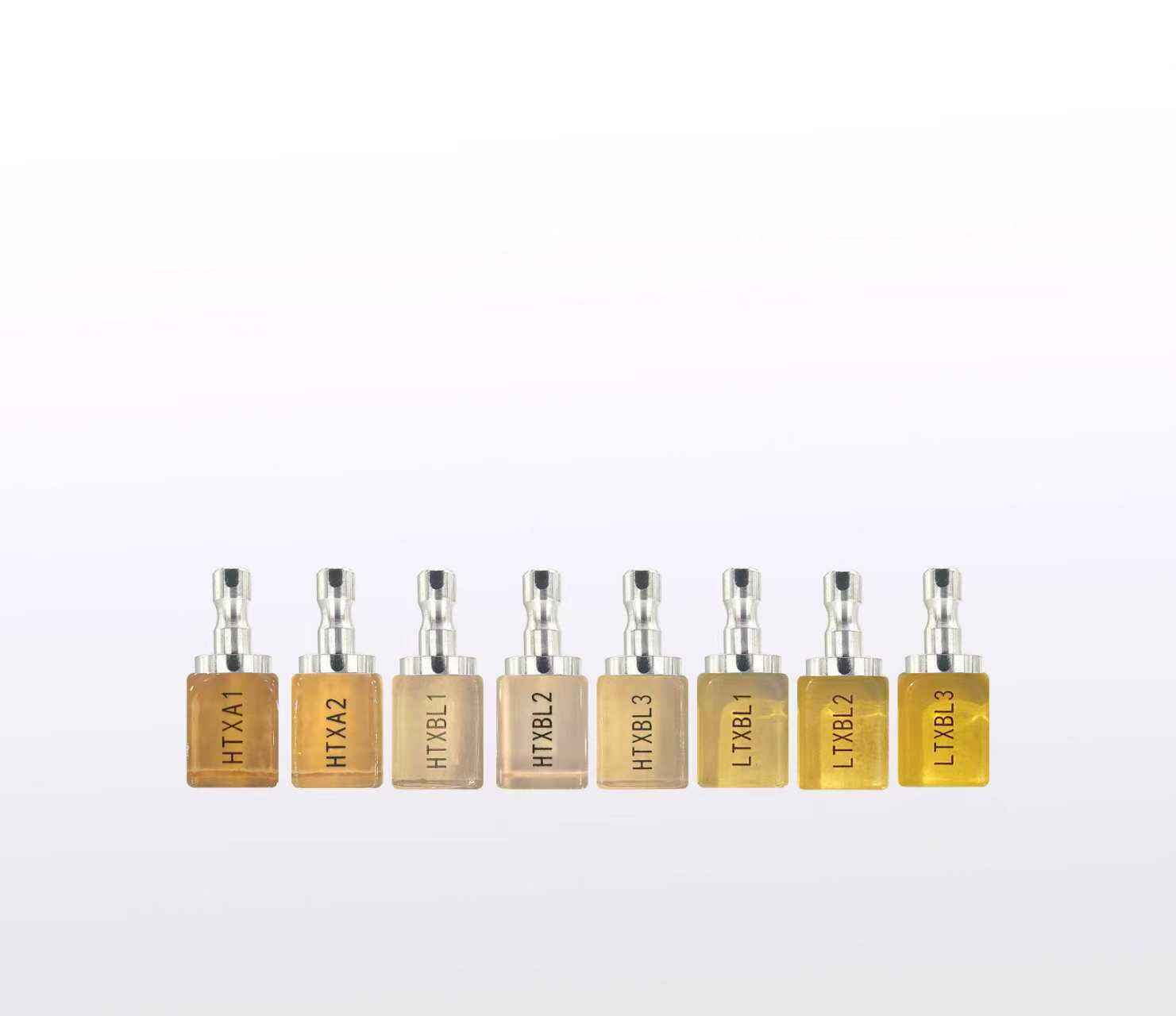
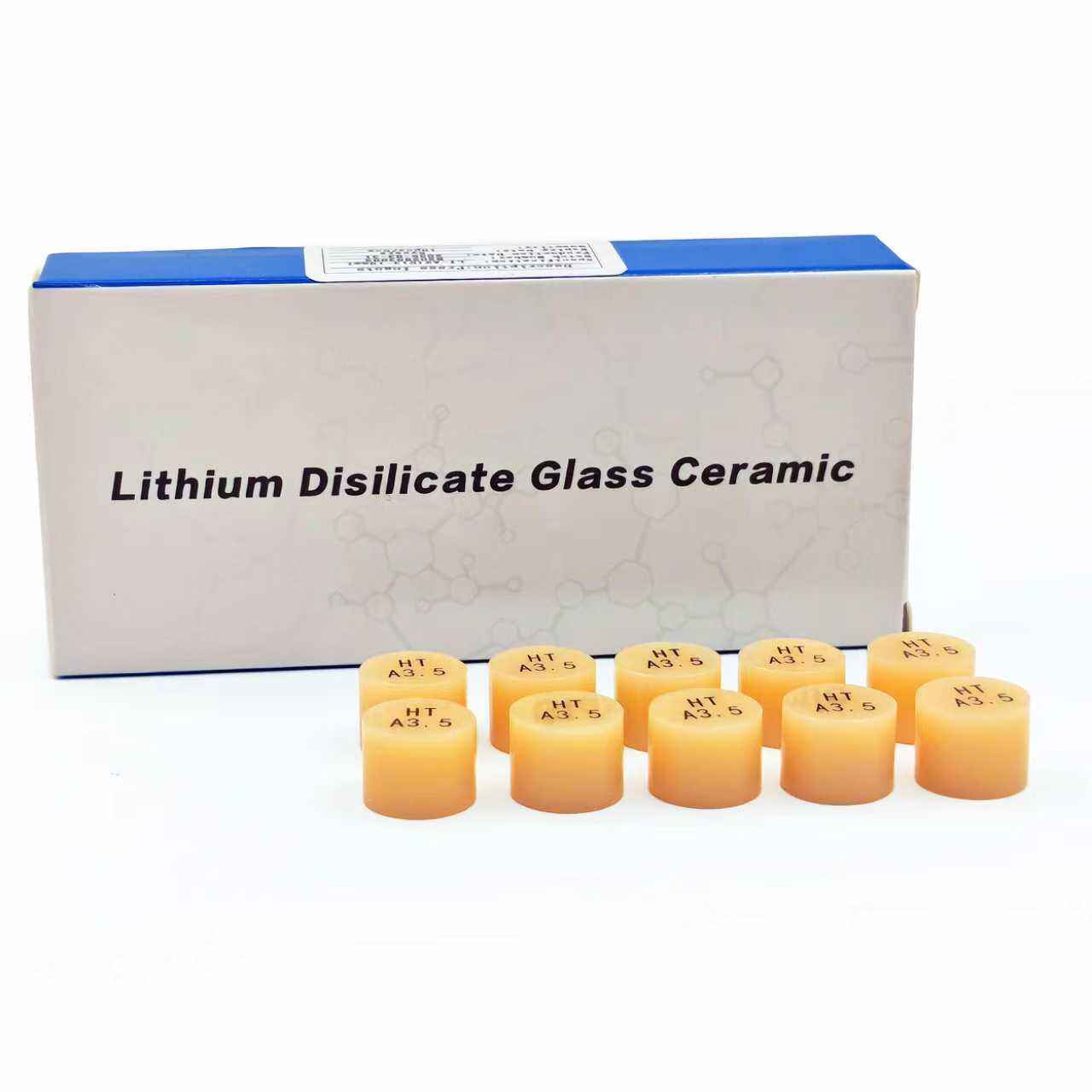
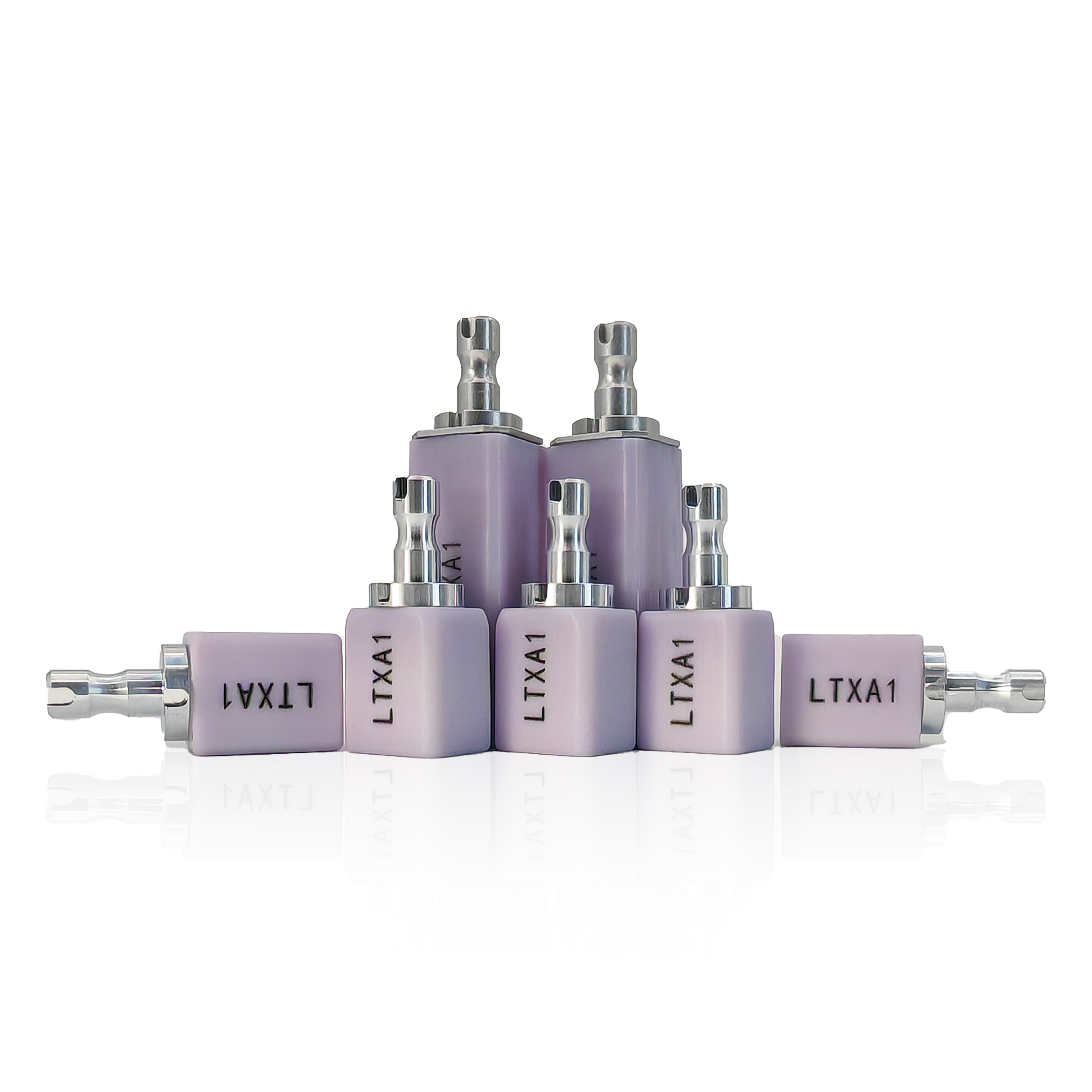
The best dental glass ceramic represents a revolutionary advancement in restorative dentistry, combining exceptional aesthetics with superior mechanical properties. This cutting-edge material consists of a unique crystalline structure embedded within a glassy matrix, creating a restoration solution that mimics natural tooth enamel both in appearance and function. The best dental glass ceramic offers unparalleled translucency and light transmission properties, ensuring that dental restorations blend seamlessly with surrounding natural teeth. Its composition typically includes lithium disilicate or leucite crystals, which provide remarkable strength while maintaining the optical characteristics essential for cosmetic dentistry. The manufacturing process involves controlled crystallization at precise temperatures, resulting in a material that exhibits excellent biocompatibility and chemical stability within the oral environment. Technologically, the best dental glass ceramic incorporates advanced CAD/CAM compatibility, allowing for precise digital fabrication and customization. The material demonstrates exceptional bonding capabilities with dental adhesives, creating long-lasting restorations that resist microleakage and secondary decay. Its thermal expansion coefficient closely matches that of natural tooth structure, minimizing stress concentrations at the restoration margins. Applications for the best dental glass ceramic span across various restorative procedures, including crowns, bridges, inlays, onlays, and veneer fabrication. The material excels in anterior restorations where aesthetics are paramount, yet possesses sufficient strength for posterior applications. Its versatility extends to both single-tooth restorations and multi-unit prosthetics, making it an ideal choice for comprehensive smile makeovers. The best dental glass ceramic can be processed through multiple techniques, including press forming, machining, and layering methods, providing flexibility in clinical workflows. Its durability ensures long-term clinical success, with studies demonstrating excellent survival rates over extended periods. The material's resistance to wear and abrasion makes it suitable for patients with various occlusal patterns, while its stain resistance maintains the restoration's aesthetic appeal throughout its service life.

 EN
EN