lithium disilicate glass ceramic
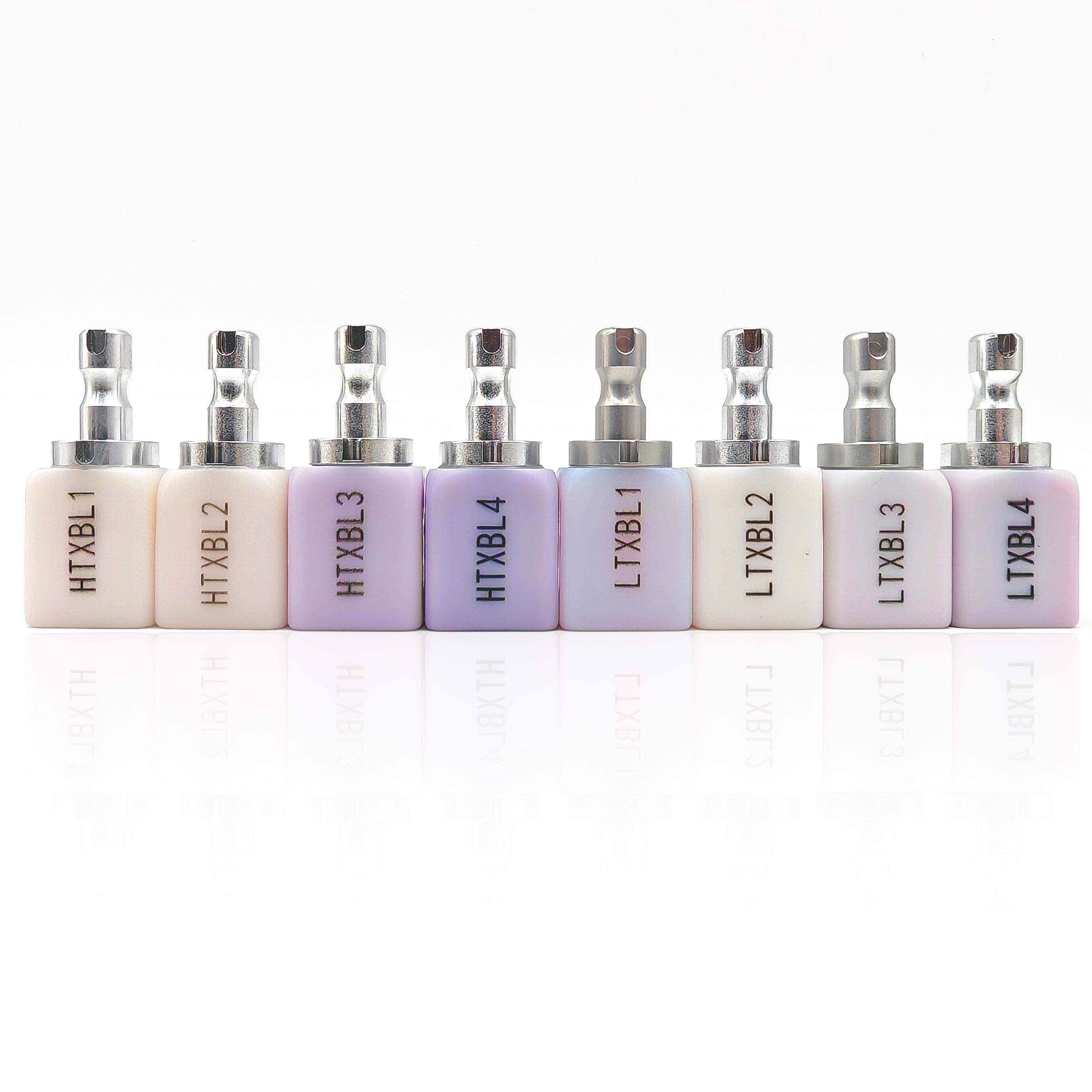
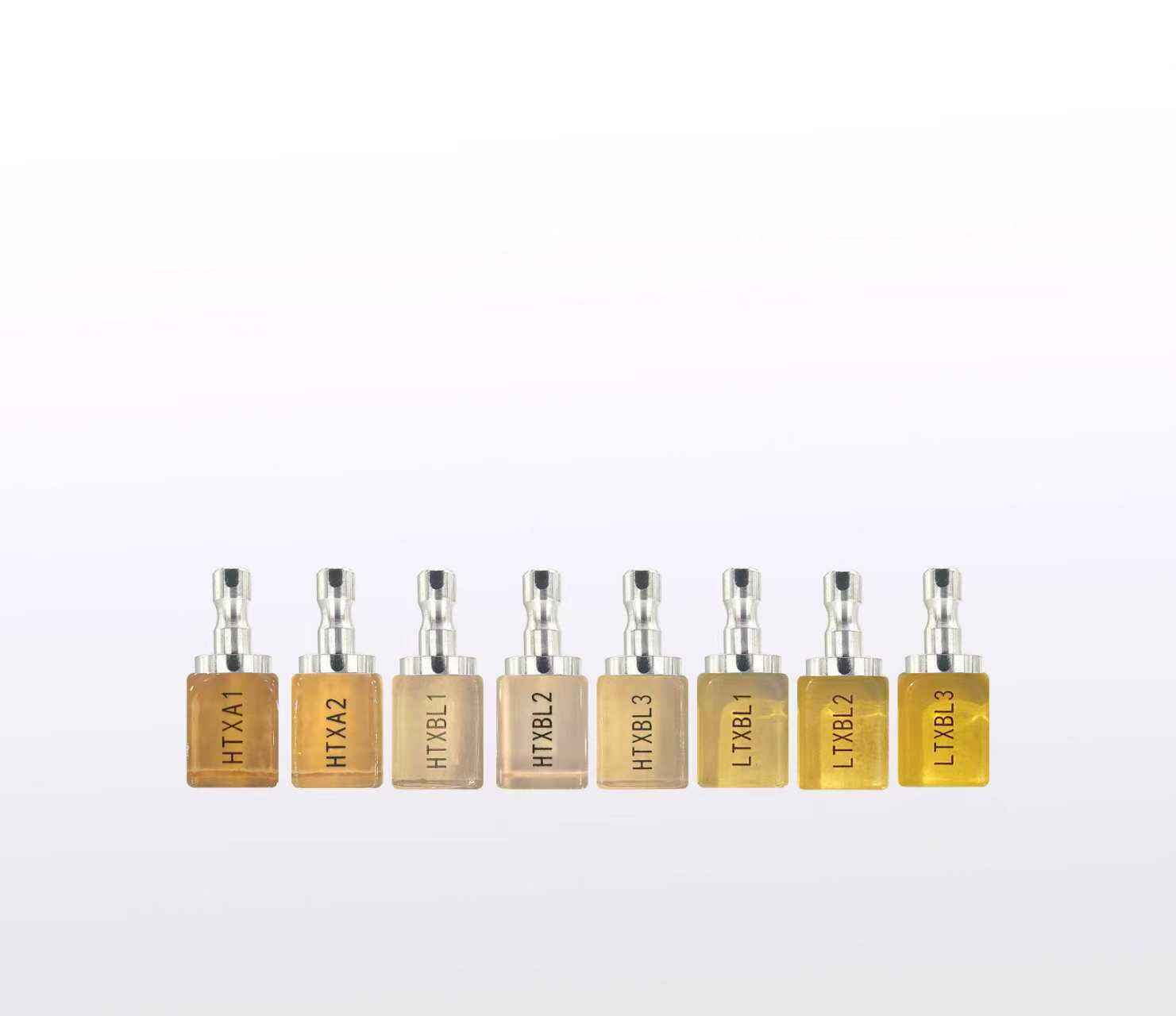
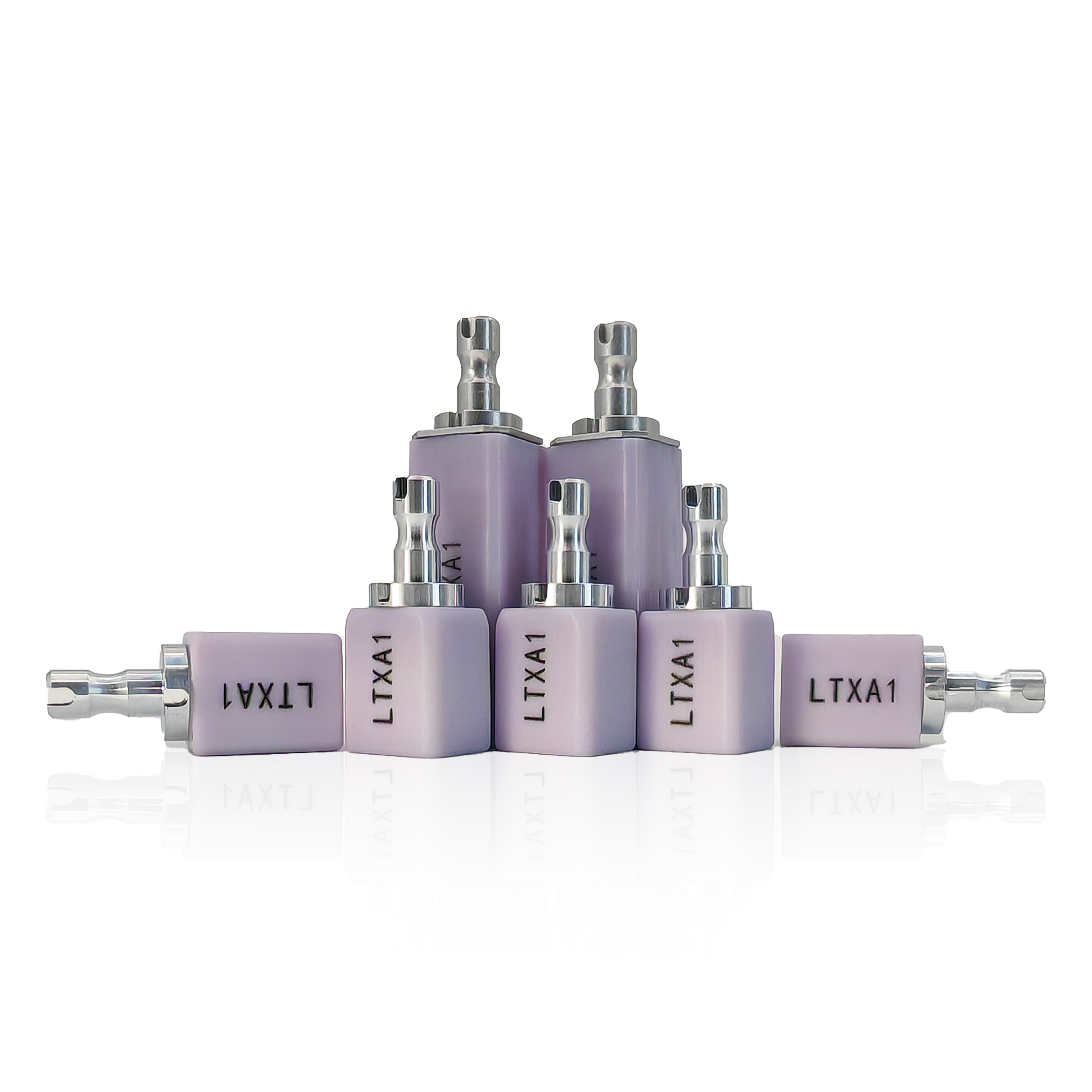
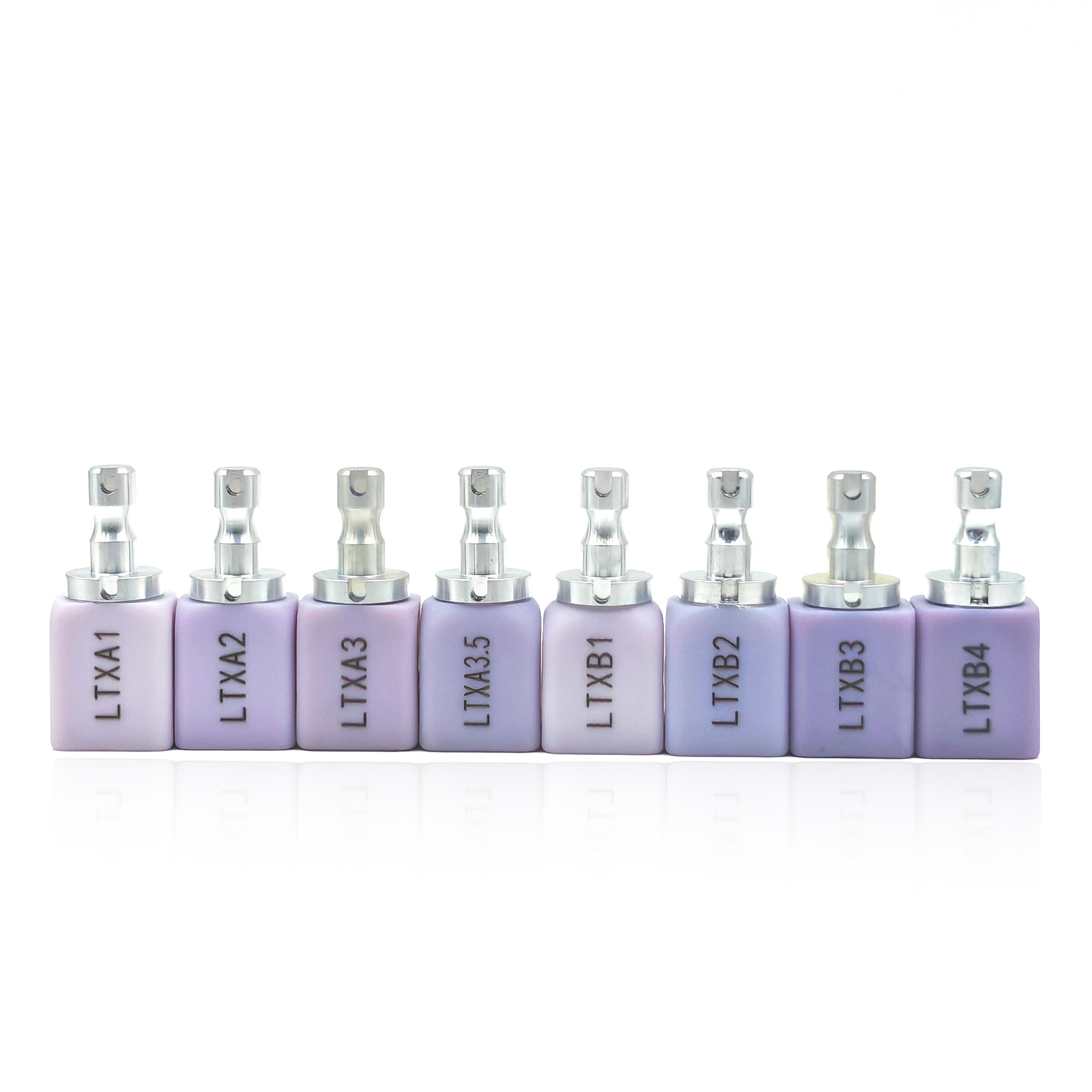
Lithium disilicate glass ceramic represents a revolutionary advancement in dental restoration materials, combining the aesthetic appeal of traditional ceramics with enhanced mechanical properties and clinical versatility. This innovative material consists of a crystalline phase dispersed within a glassy matrix, creating a unique microstructure that delivers exceptional performance in various dental applications. The lithium disilicate glass ceramic system operates through a controlled crystallization process, where lithium disilicate crystals form within the glass matrix under specific temperature conditions. This crystallization mechanism produces a material with superior strength characteristics while maintaining excellent optical properties that closely mimic natural tooth enamel. The technological foundation of lithium disilicate glass ceramic relies on advanced manufacturing techniques that ensure consistent quality and predictable clinical outcomes. The material exhibits remarkable translucency levels, allowing light transmission that creates natural-looking restorations with depth and vitality. Processing versatility stands as another key technological feature, enabling fabrication through multiple methods including CAD/CAM milling, pressing techniques, and layering procedures. The material demonstrates excellent bonding capabilities with resin cements, creating durable adhesive interfaces that enhance long-term clinical success. Thermal expansion properties closely match those of natural teeth, minimizing stress concentrations during temperature fluctuations. Applications of lithium disilicate glass ceramic span across various restorative categories, including anterior and posterior crowns, inlays, onlays, and veneer restorations. The material proves particularly effective for single-unit restorations where both strength and aesthetics are critical requirements. Its biocompatibility profile ensures safe integration with oral tissues, while the non-porous surface resists bacterial adhesion and staining. Manufacturing precision allows for minimal preparation requirements, preserving healthy tooth structure during clinical procedures. The material's predictable shrinkage characteristics enable accurate fit and proper marginal adaptation in finished restorations.

 EN
EN