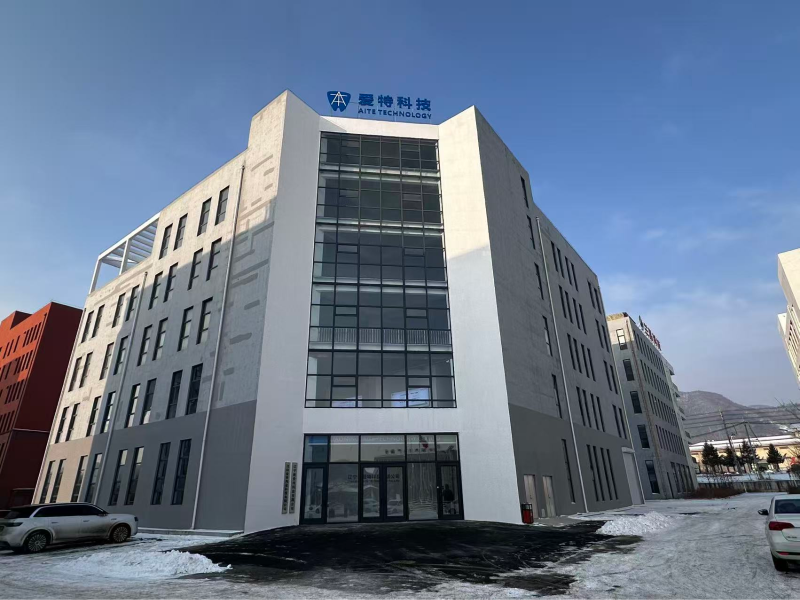
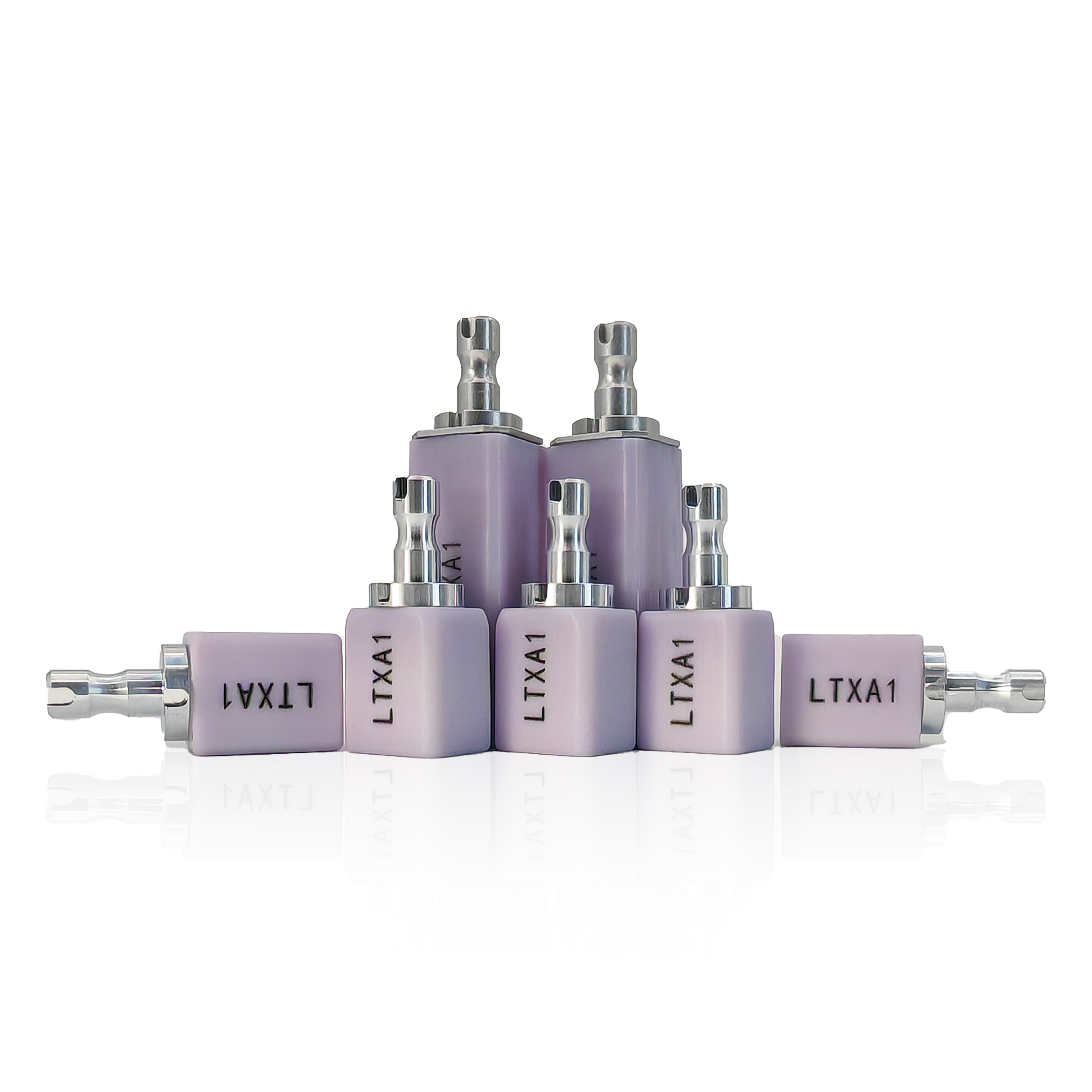
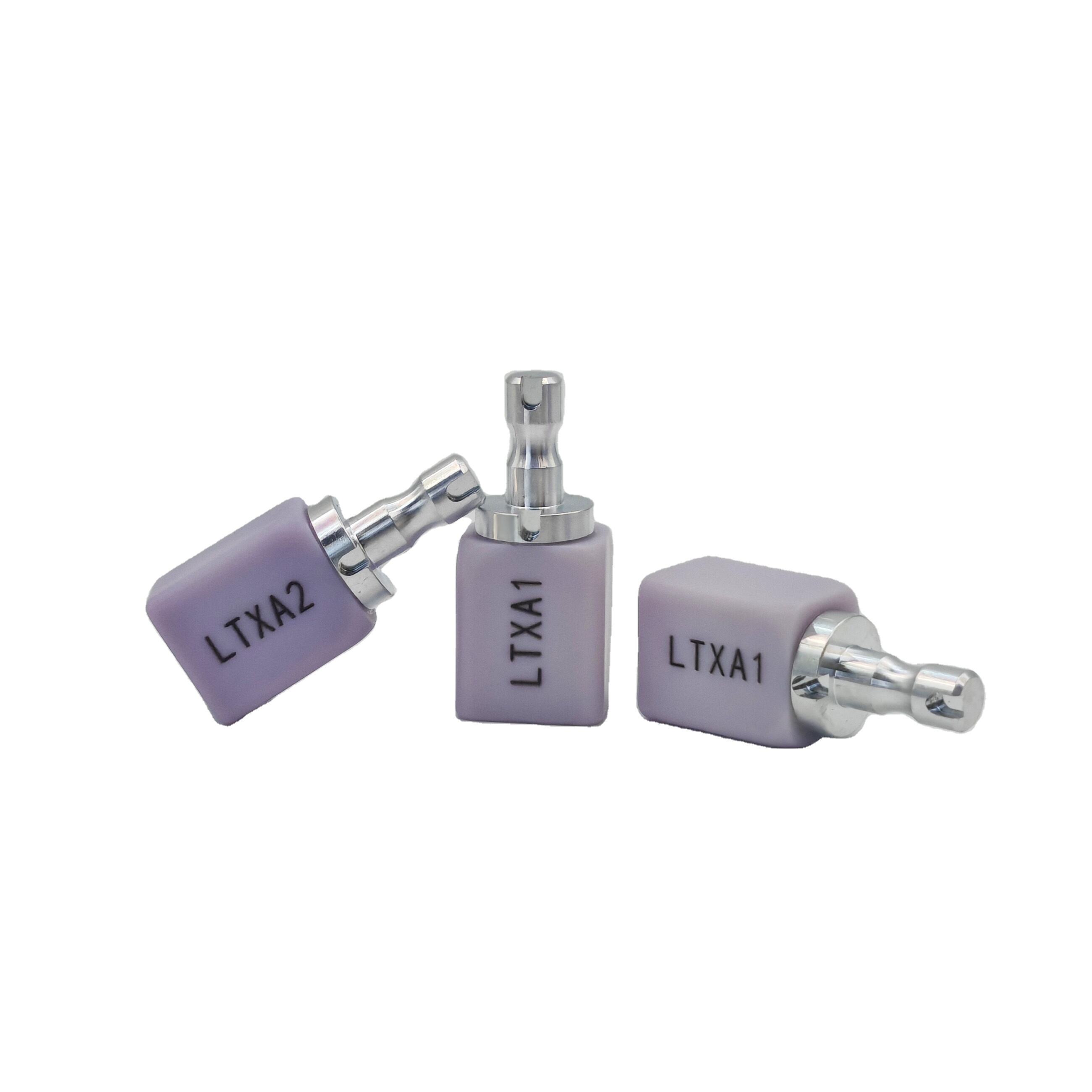
glass ceramic veneer
Glass ceramic veneer represents a revolutionary advancement in architectural surfacing technology, combining the aesthetic appeal of natural materials with cutting-edge manufacturing processes. This innovative material consists of crystallized glass that undergoes controlled devitrification, creating a unique surface that exhibits both the transparency characteristics of glass and the durability properties of ceramics. The glass ceramic veneer manufacturing process involves heating specially formulated glass compositions to precise temperatures, allowing controlled crystal formation throughout the material structure. This controlled crystallization process results in a surface material that demonstrates exceptional mechanical strength, thermal stability, and chemical resistance. The glass ceramic veneer finds extensive applications across residential, commercial, and industrial sectors due to its versatility and performance characteristics. In architectural applications, glass ceramic veneer serves as an exterior cladding solution that provides weather protection while maintaining visual appeal. Interior designers frequently specify glass ceramic veneer for high-traffic areas, including retail spaces, hospitality venues, and healthcare facilities where hygiene and durability are paramount. The material's non-porous surface structure prevents bacterial growth and simplifies maintenance procedures, making it ideal for environments requiring strict cleanliness standards. Glass ceramic veneer technology incorporates advanced manufacturing techniques that ensure consistent quality and dimensional stability. The material exhibits excellent thermal shock resistance, allowing it to withstand significant temperature variations without cracking or structural failure. This thermal stability makes glass ceramic veneer suitable for applications involving exposure to heat sources or extreme weather conditions. The surface finish options for glass ceramic veneer include polished, matte, and textured variants, providing designers with flexibility in achieving desired aesthetic outcomes. Color customization capabilities allow manufacturers to produce glass ceramic veneer in virtually any shade or pattern, enabling seamless integration with existing design schemes. The material's inherent strength-to-weight ratio surpasses many traditional surfacing materials, reducing structural load requirements while maintaining superior performance characteristics.

 EN
EN