price of dental glass ceramic
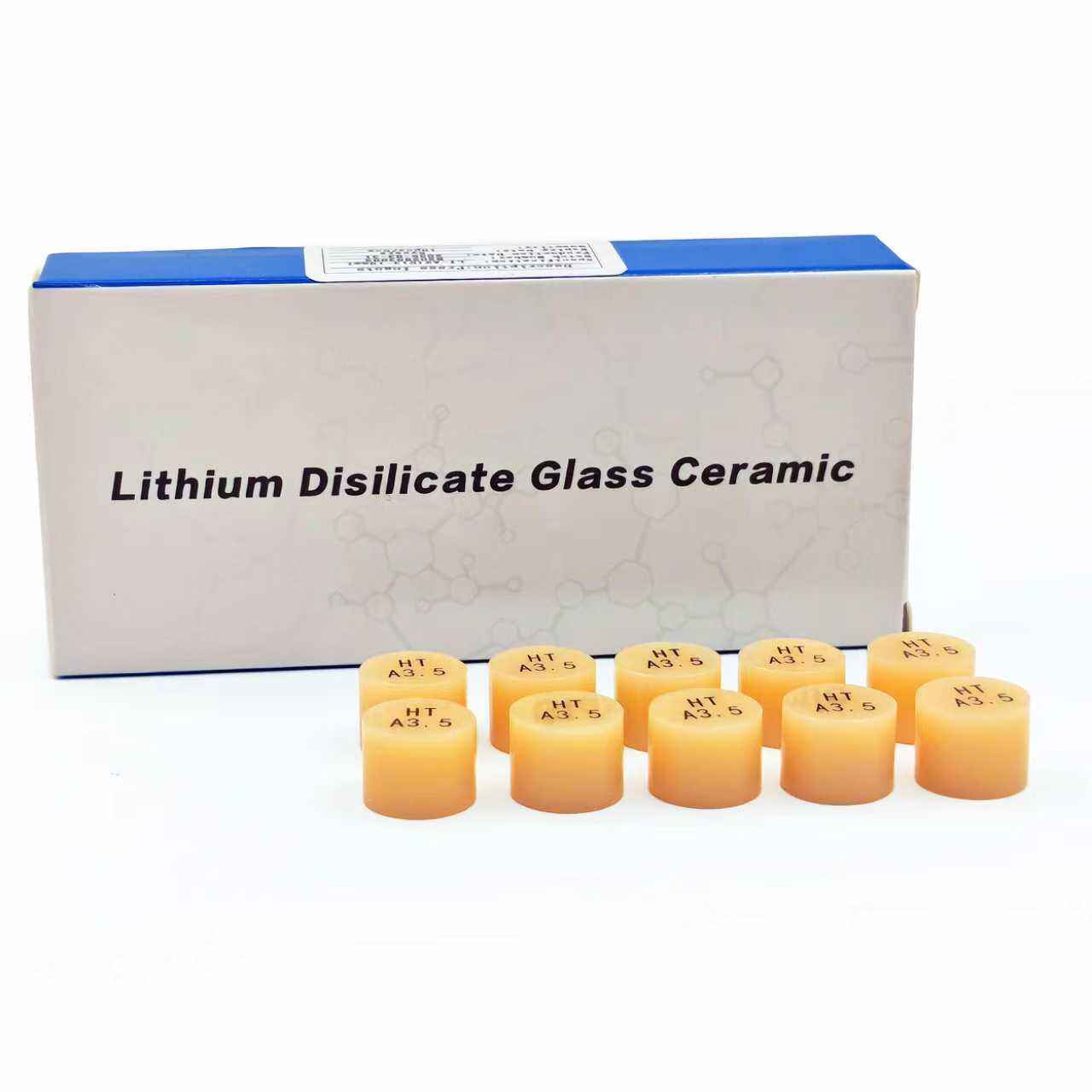
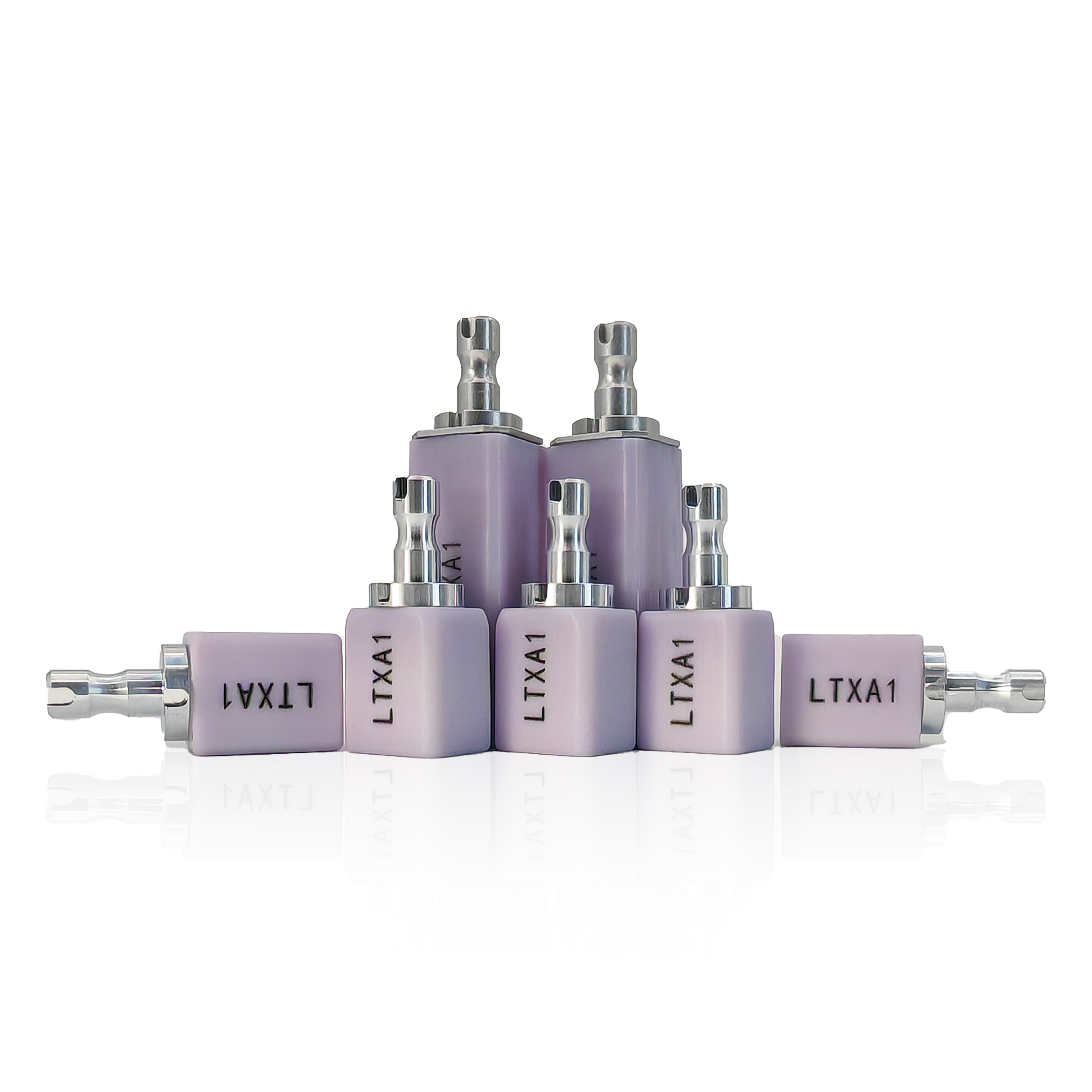
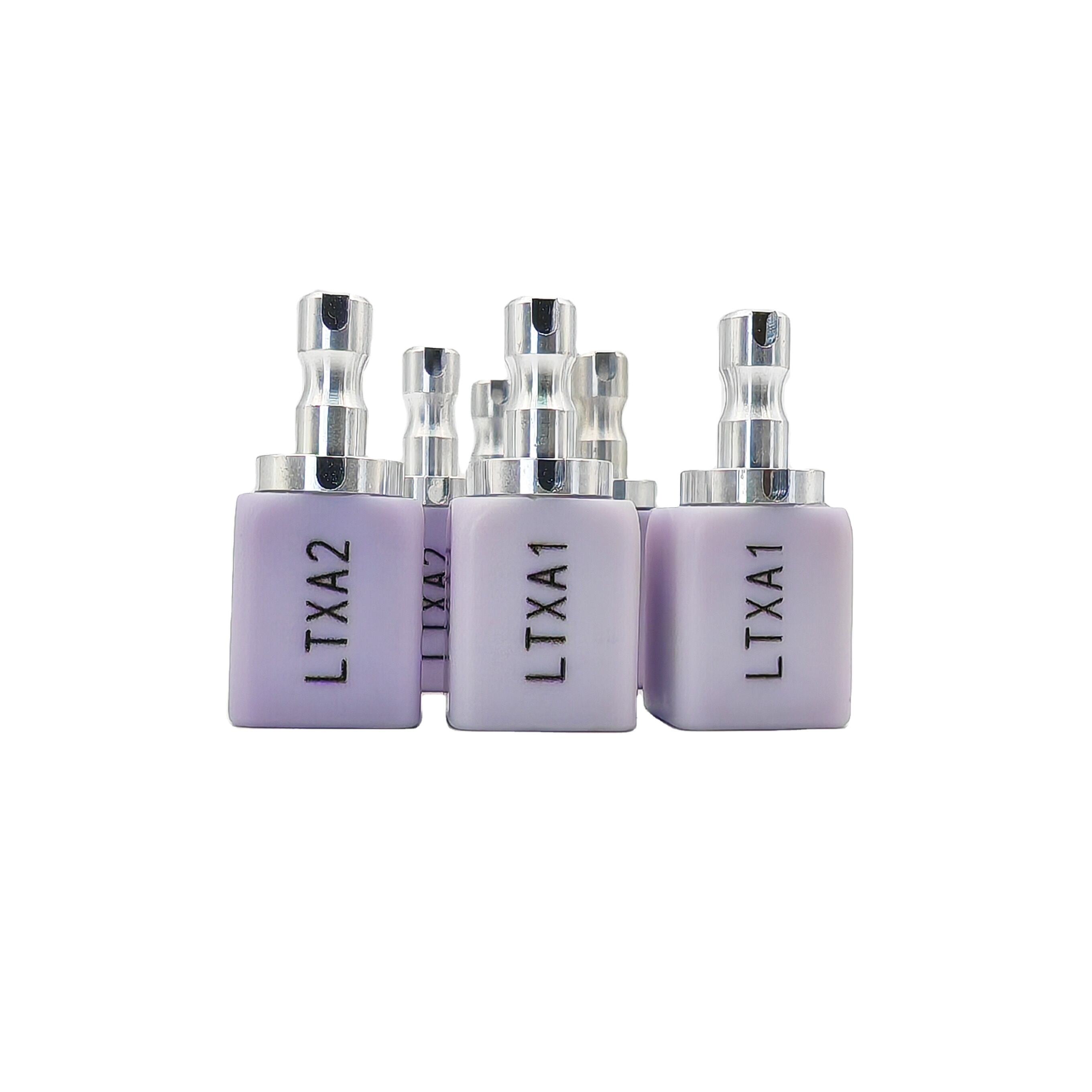
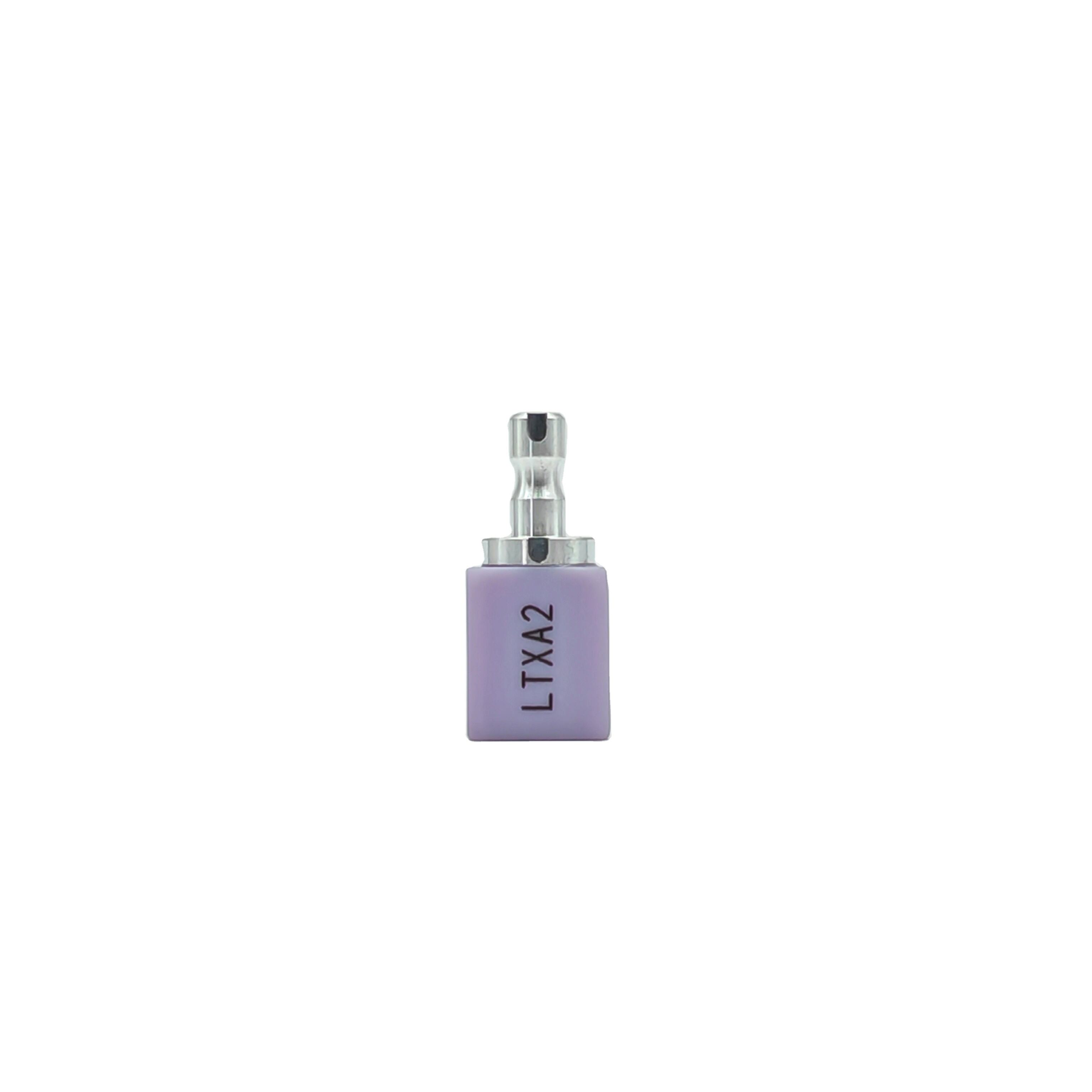
Dental glass ceramic represents a revolutionary advancement in restorative dentistry, offering patients and practitioners an optimal balance of aesthetics, durability, and biocompatibility. The price of dental glass ceramic reflects its sophisticated manufacturing process and exceptional clinical performance, making it a premium investment for long-term oral health solutions. This innovative material combines the strength of ceramics with the translucency of natural tooth enamel, creating restorations that seamlessly blend with existing dentition. The technological features of dental glass ceramic include advanced crystalline structures that provide superior mechanical properties, enhanced wear resistance, and exceptional optical characteristics that mimic natural tooth appearance. Manufacturing involves precise controlled crystallization processes, where glass particles are heated to specific temperatures, allowing for controlled crystal growth within the glass matrix. This controlled process ensures consistent quality and predictable clinical outcomes. The main functions of dental glass ceramic encompass comprehensive restorative applications, including crowns, veneers, inlays, onlays, and bridge components. Its versatility extends to both anterior and posterior applications, addressing various clinical scenarios from single tooth restorations to complex full-mouth rehabilitations. The price of dental glass ceramic varies depending on specific formulations, with lithium disilicate and leucite-reinforced variants offering different performance characteristics. Applications span across cosmetic dentistry, where aesthetic demands are paramount, and functional restorations requiring exceptional durability. Clinical studies demonstrate superior longevity compared to traditional materials, with survival rates exceeding 95% over ten-year periods. The biocompatible nature ensures minimal tissue irritation and promotes healthy gingival responses. Processing techniques include both chairside CAD/CAM fabrication and laboratory-based conventional methods, providing flexibility in treatment planning and delivery timelines.

 EN
EN