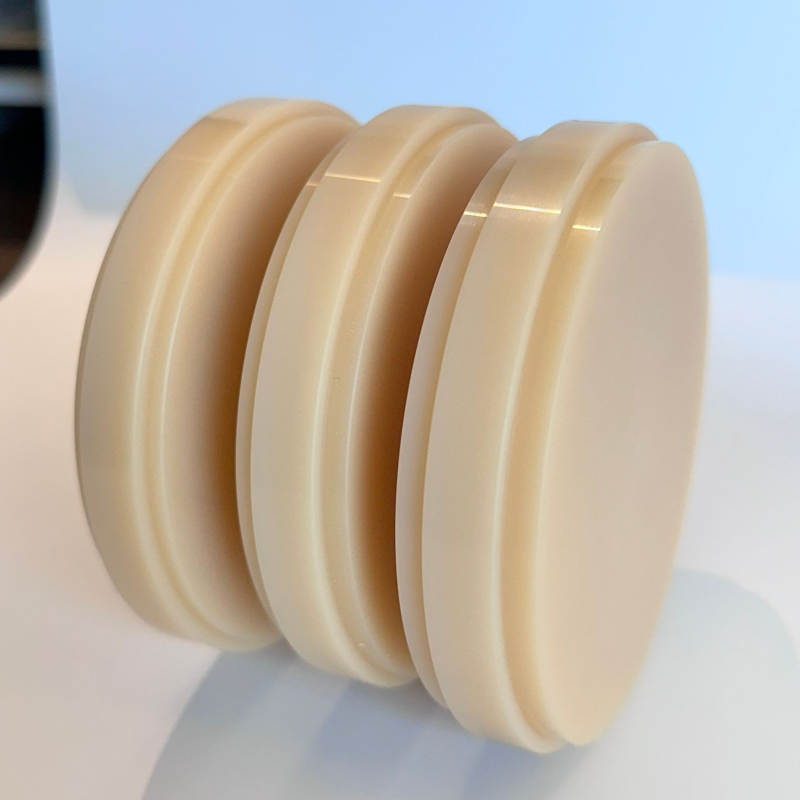
Professional Lithium Disilicate Polishing System - Advanced Ceramic Finishing Technology

All Categories

Get a Free Quote

Our representative will contact you soon.
Email
Name
Company Name
Message
0/1000

lithium disilicate polishing system

The lithium disilicate polishing system represents a breakthrough in dental restoration finishing technology, specifically designed to achieve exceptional surface quality on lithium disilicate ceramic materials. This advanced polishing system incorporates multiple stages of surface refinement, utilizing specialized abrasive compounds and innovative delivery mechanisms to create mirror-like finishes on dental restorations. The lithium disilicate polishing system functions through a systematic approach that begins with pre-polishing preparation and progresses through increasingly fine polishing stages. The system employs diamond-infused polishing pastes with varying particle sizes, ranging from coarse initial smoothing compounds to ultra-fine finishing materials that eliminate microscopic surface irregularities. The technological foundation of the lithium disilicate polishing system centers on controlled abrasion principles, where each polishing stage removes progressively smaller amounts of material while simultaneously refining surface texture. The system integrates rotary instruments, polishing wheels, and specialized brushes that work in conjunction with the polishing compounds to achieve optimal results. Temperature management plays a crucial role in the lithium disilicate polishing system, as excessive heat generation can compromise the ceramic structure and lead to surface defects. The system incorporates cooling mechanisms and speed regulation features to maintain appropriate working temperatures throughout the polishing process. Applications for the lithium disilicate polishing system extend across various dental restoration scenarios, including crown and bridge work, veneer applications, inlay and onlay procedures, and implant-supported restorations. The system proves particularly valuable in high-aesthetic zones where surface quality directly impacts visual appeal and patient satisfaction. Clinical applications demonstrate the lithium disilicate polishing system's effectiveness in both chairside and laboratory environments, providing consistent results regardless of the working setting. The system's versatility allows dental professionals to achieve professional-grade finishes on various lithium disilicate formulations, ensuring compatibility with different manufacturer specifications and material compositions.
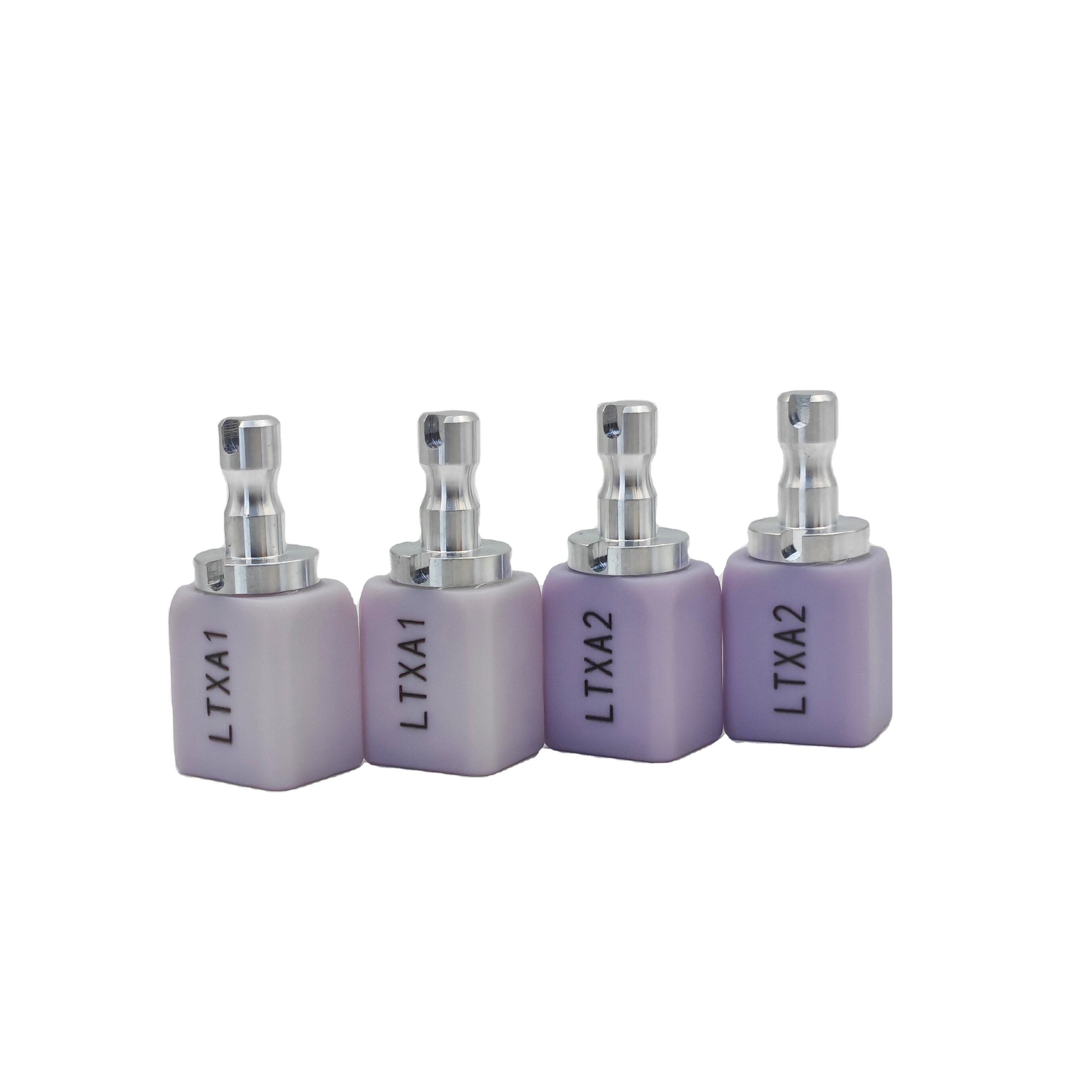
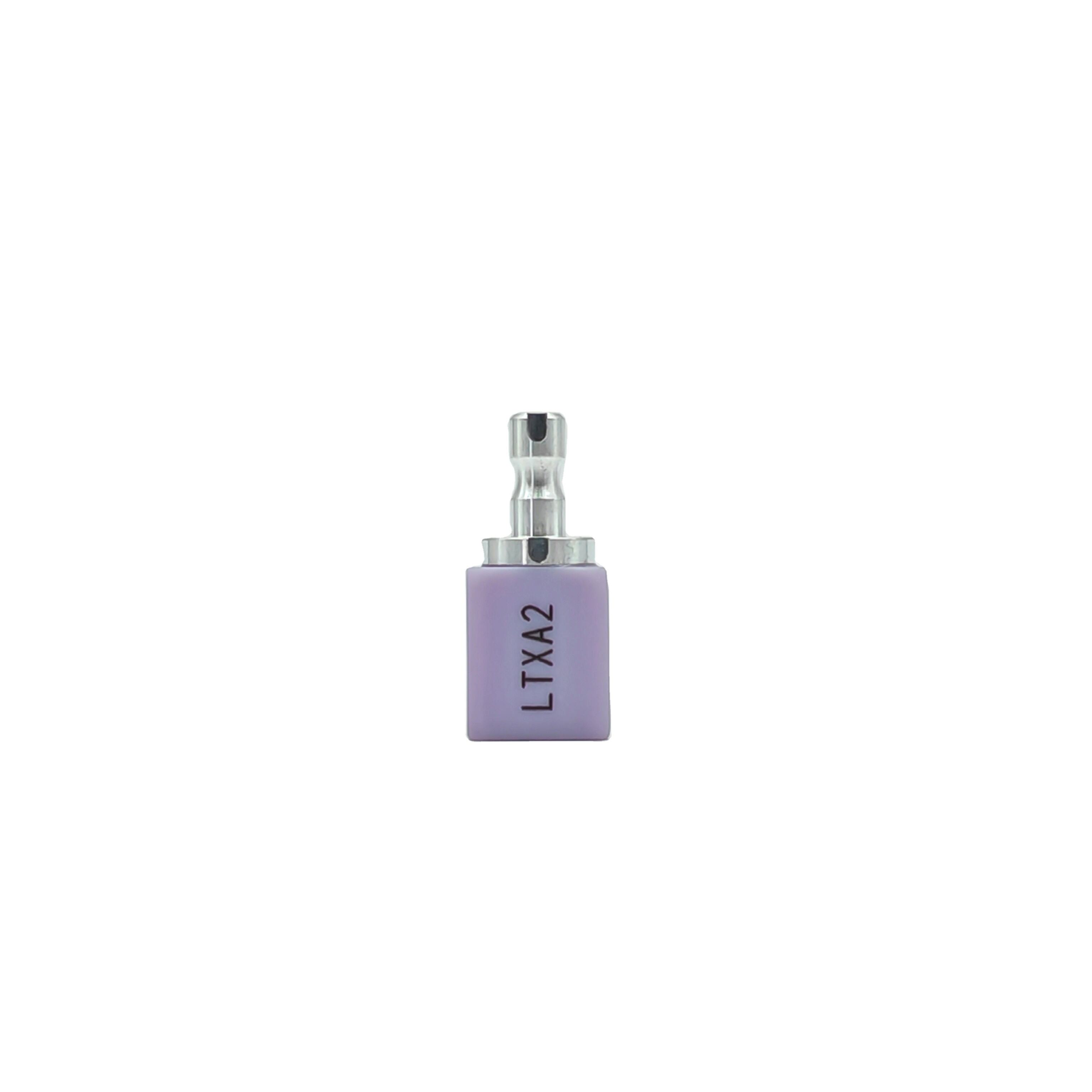
New Products

The lithium disilicate polishing system delivers remarkable time efficiency compared to traditional polishing methods, reducing finishing procedures from hours to minutes while maintaining superior quality standards. This efficiency translates directly into increased productivity for dental practices and laboratories, allowing professionals to complete more restorations within standard working schedules. The system eliminates the need for multiple separate polishing tools and compounds, consolidating the entire finishing process into one comprehensive solution. Users experience significant cost savings through reduced material waste and improved restoration longevity, as properly polished surfaces resist staining and wear more effectively than inadequately finished restorations. The lithium disilicate polishing system produces consistently smooth surfaces that minimize bacterial adhesion and plaque accumulation, contributing to better oral health outcomes for patients. These smooth surfaces also facilitate easier cleaning and maintenance, reducing the likelihood of secondary complications and restoration failure. The system's precision engineering ensures uniform results across different restoration types and sizes, eliminating the variability often associated with manual polishing techniques. Dental professionals report enhanced aesthetic outcomes when using the lithium disilicate polishing system, as the refined surface finish creates superior light reflection and color matching with natural dentition. The system reduces physical strain on practitioners by minimizing the manual effort required during finishing procedures, leading to improved ergonomics and reduced fatigue during long treatment sessions. Quality control becomes more predictable with the lithium disilicate polishing system, as standardized protocols produce reproducible results that meet or exceed clinical expectations consistently. The system's compatibility with existing dental equipment means practices can integrate the technology without major infrastructure changes or extensive staff retraining. Patient comfort improves significantly due to reduced chair time and fewer adjustment appointments, as restorations finished with the lithium disilicate polishing system typically require minimal post-cementation modifications. The system contributes to enhanced restoration durability by creating surfaces that resist chipping and fracture initiation, ultimately extending the lifespan of expensive ceramic restorations and improving return on investment for both patients and practitioners.

Tips And Tricks

The establishment of the new plant

04

Feb

The establishment of the new plant

View More
Exhibition in Dubai

04

Feb

Exhibition in Dubai

View More
Brazil Exhibition

04

Feb

Brazil Exhibition

View More

Get a Free Quote

Our representative will contact you soon.
Email
Name
Company Name
Message
0/1000

lithium disilicate polishing system

Advanced Multi-Stage Surface Refinement Technology

Advanced Multi-Stage Surface Refinement Technology

The lithium disilicate polishing system incorporates revolutionary multi-stage surface refinement technology that transforms rough ceramic surfaces into mirror-like finishes through precisely controlled abrasive action. This sophisticated approach begins with initial surface preparation using medium-grit diamond compounds that remove major irregularities and casting marks while establishing a uniform foundation for subsequent polishing stages. The system then progresses through intermediate polishing phases using progressively finer abrasive particles, each stage specifically calibrated to remove scratches left by the previous level while introducing smaller, more controlled surface modifications. The final polishing stage utilizes ultra-fine diamond particles suspended in specialized carrier mediums that create the characteristic high-gloss finish associated with premium dental restorations. What sets this lithium disilicate polishing system apart is its ability to maintain consistent particle distribution throughout each polishing stage, ensuring uniform surface contact and eliminating the streaking or uneven finishing that often occurs with conventional polishing methods. The system's advanced formulation includes proprietary binding agents that prevent particle agglomeration and maintain optimal working consistency throughout extended use periods. Temperature monitoring capabilities built into the lithium disilicate polishing system prevent overheating during aggressive polishing procedures, protecting the ceramic material from thermal damage that could compromise structural integrity or aesthetic appearance. The multi-stage approach allows practitioners to customize polishing protocols based on specific restoration requirements, surface conditions, and desired finish levels. This flexibility proves invaluable when working with different lithium disilicate formulations or when addressing unique clinical challenges that require modified finishing approaches. The system's sophisticated design also incorporates feedback mechanisms that adjust polishing parameters in real-time, optimizing surface quality while minimizing material removal and preserving restoration dimensions.
Exceptional Time and Cost Efficiency

Exceptional Time and Cost Efficiency

The lithium disilicate polishing system delivers unmatched time and cost efficiency that revolutionizes dental restoration workflows and significantly impacts practice profitability. Traditional polishing methods often require multiple appointments and extensive manual labor, consuming valuable chair time that could be allocated to other revenue-generating procedures. The lithium disilicate polishing system compresses what previously required hours of meticulous hand polishing into efficient automated procedures that produce superior results in fraction of the time. This dramatic time reduction allows dental practices to increase patient throughput while maintaining high quality standards, directly translating into improved practice economics and enhanced patient satisfaction through reduced treatment duration. The system eliminates the need for extensive inventories of various polishing compounds, wheels, and accessories, simplifying supply management and reducing storage requirements while ensuring consistent availability of all necessary materials. Cost savings extend beyond initial material expenses to include reduced labor costs, as the lithium disilicate polishing system requires minimal operator intervention once polishing protocols are established. The system's precision engineering reduces material waste by eliminating over-polishing and rework scenarios that commonly occur with manual techniques, where inexperienced operators may remove excessive material or create uneven surfaces requiring complete restoration replacement. Long-term cost benefits become apparent through improved restoration durability, as properly finished surfaces created by the lithium disilicate polishing system resist wear and staining more effectively than conventionally polished restorations. This enhanced durability reduces warranty claims and remake procedures, protecting practice reputation while minimizing unexpected costs associated with restoration failures. The system also contributes to improved inventory management through standardized polishing protocols that create predictable material consumption patterns, enabling more accurate ordering and reduced inventory carrying costs while ensuring adequate supplies for projected case volumes.
Superior Clinical Outcomes and Patient Satisfaction

Superior Clinical Outcomes and Patient Satisfaction

The lithium disilicate polishing system delivers superior clinical outcomes that directly translate into enhanced patient satisfaction and improved long-term restoration performance. The system creates exceptionally smooth surfaces with reduced surface roughness values that significantly minimize bacterial adhesion and biofilm formation, contributing to better periodontal health and reduced risk of secondary caries around restoration margins. These smooth surfaces facilitate more effective home care routines, as patients can clean polished restorations more thoroughly with standard oral hygiene practices, reducing the likelihood of plaque accumulation and associated complications. The lithium disilicate polishing system produces surfaces with optimal light reflection properties that enhance aesthetic integration with natural dentition, creating restorations that are virtually indistinguishable from surrounding tooth structure under various lighting conditions. This superior aesthetic outcome proves particularly valuable in anterior applications where appearance plays a critical role in patient acceptance and satisfaction with treatment results. The system's precision finishing capabilities eliminate microscopic surface defects that can serve as stress concentration points, significantly reducing the risk of restoration fracture or chipping during normal function. Clinical studies demonstrate that restorations finished with the lithium disilicate polishing system exhibit improved wear resistance and color stability compared to conventionally polished alternatives, maintaining their appearance and function over extended service periods. Patient comfort improves substantially due to the smooth surface texture created by the lithium disilicate polishing system, as rough or poorly finished surfaces can cause tongue irritation and interfere with normal speech patterns. The system's ability to create consistent surface finishes also enhances occlusal harmony, as properly polished restoration surfaces interact more predictably with opposing dentition during functional movements. These clinical advantages contribute to reduced post-insertion adjustment requirements, minimizing patient inconvenience while ensuring optimal restoration performance from the moment of cementation through years of clinical service.

Get a Free Quote

Our representative will contact you soon.
Email
Name
Company Name
Message
0/1000