Pressable Glass Ceramic Ingot: Advanced Dental Restoration Material for Superior Aesthetics and Durability

All Categories

Get a Free Quote

Our representative will contact you soon.
Email
Name
Company Name
Message
0/1000

pressable glass ceramic ingot

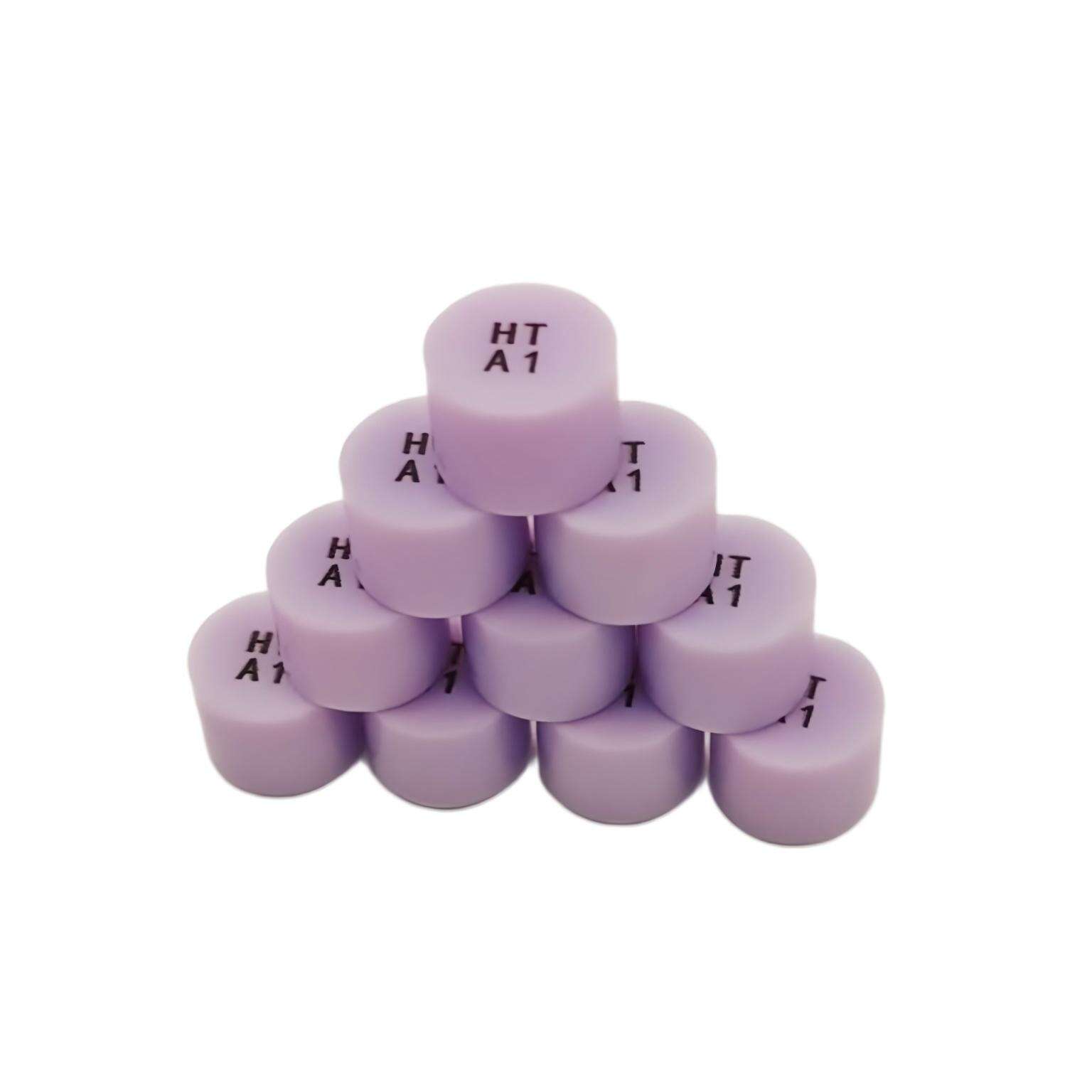
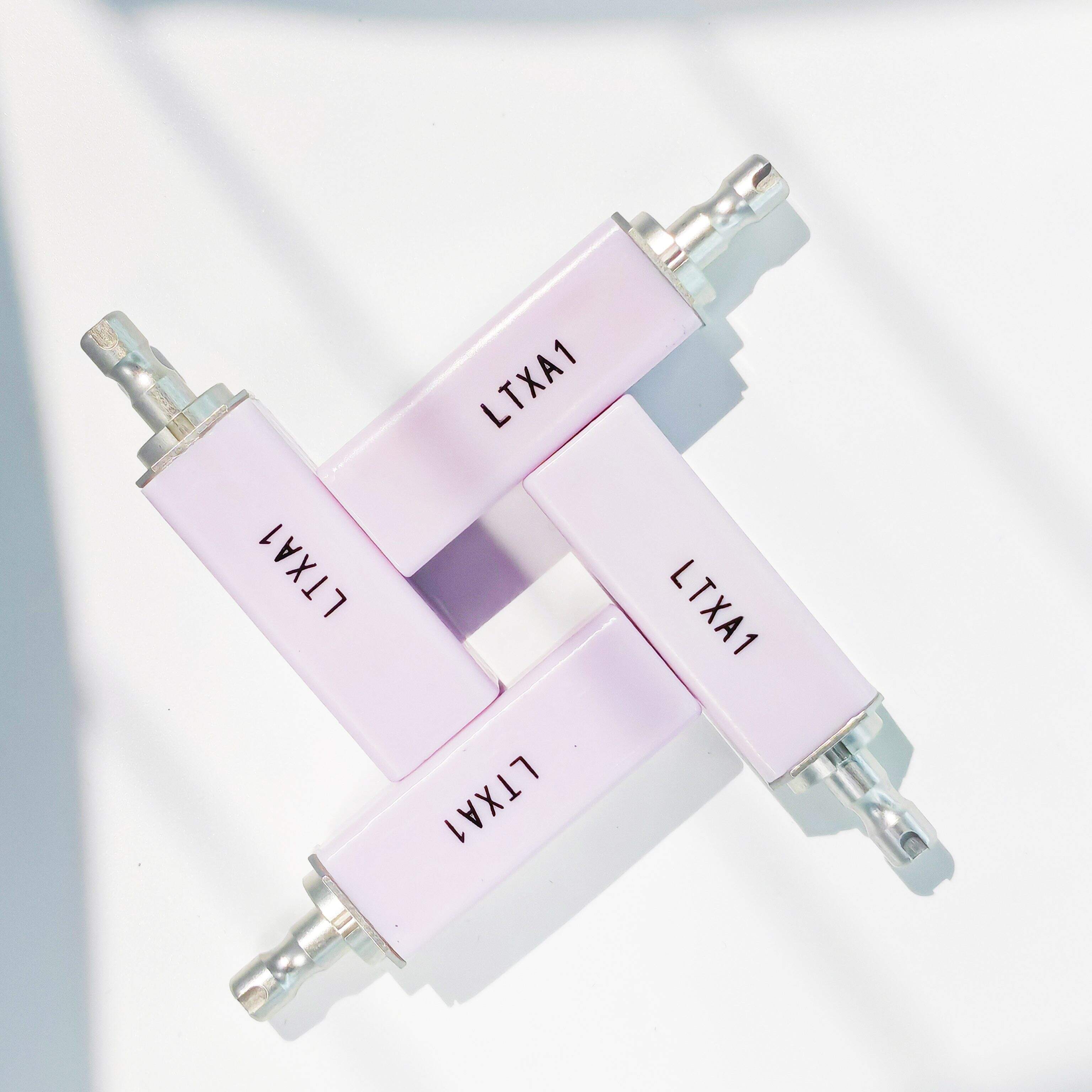
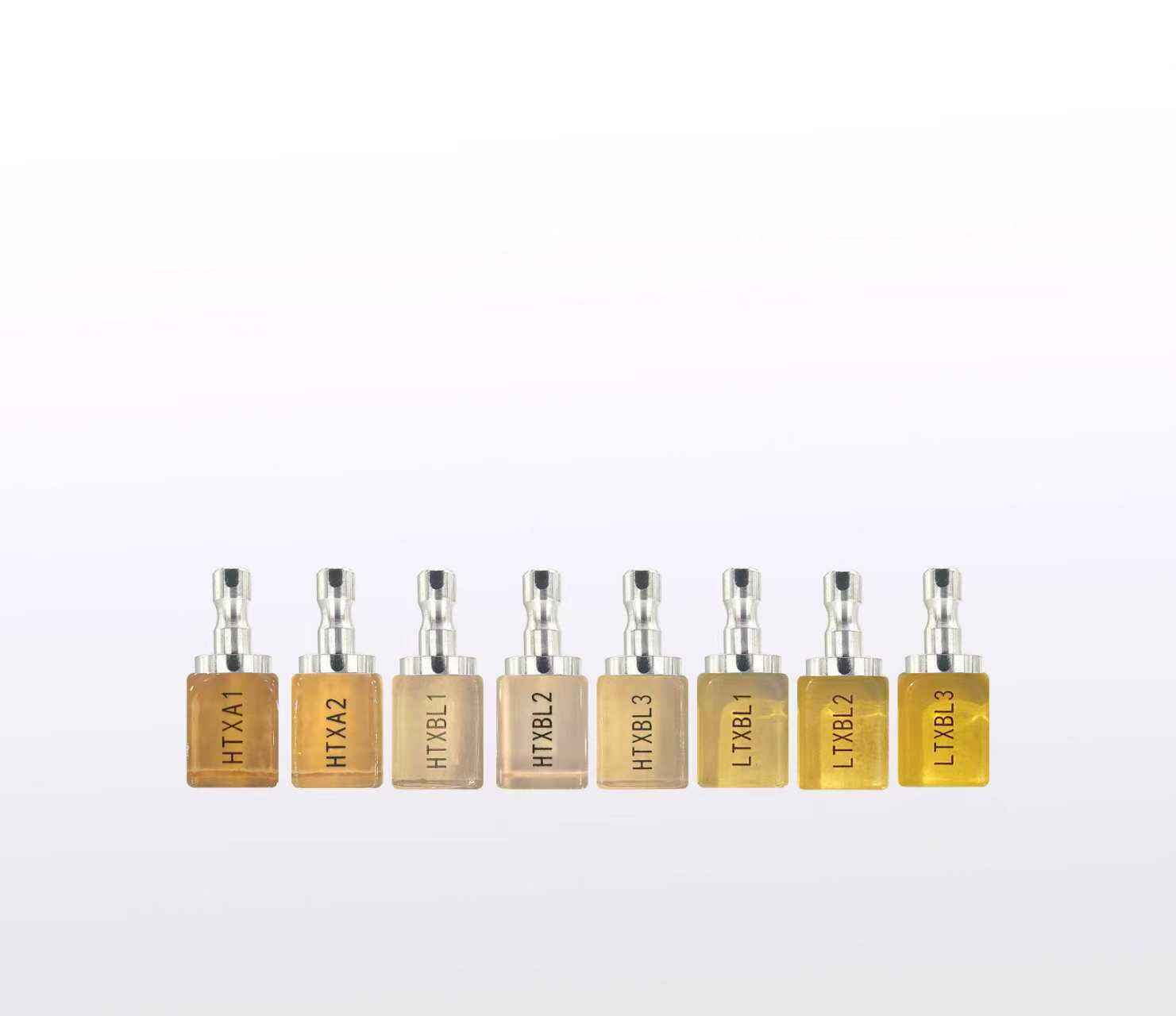
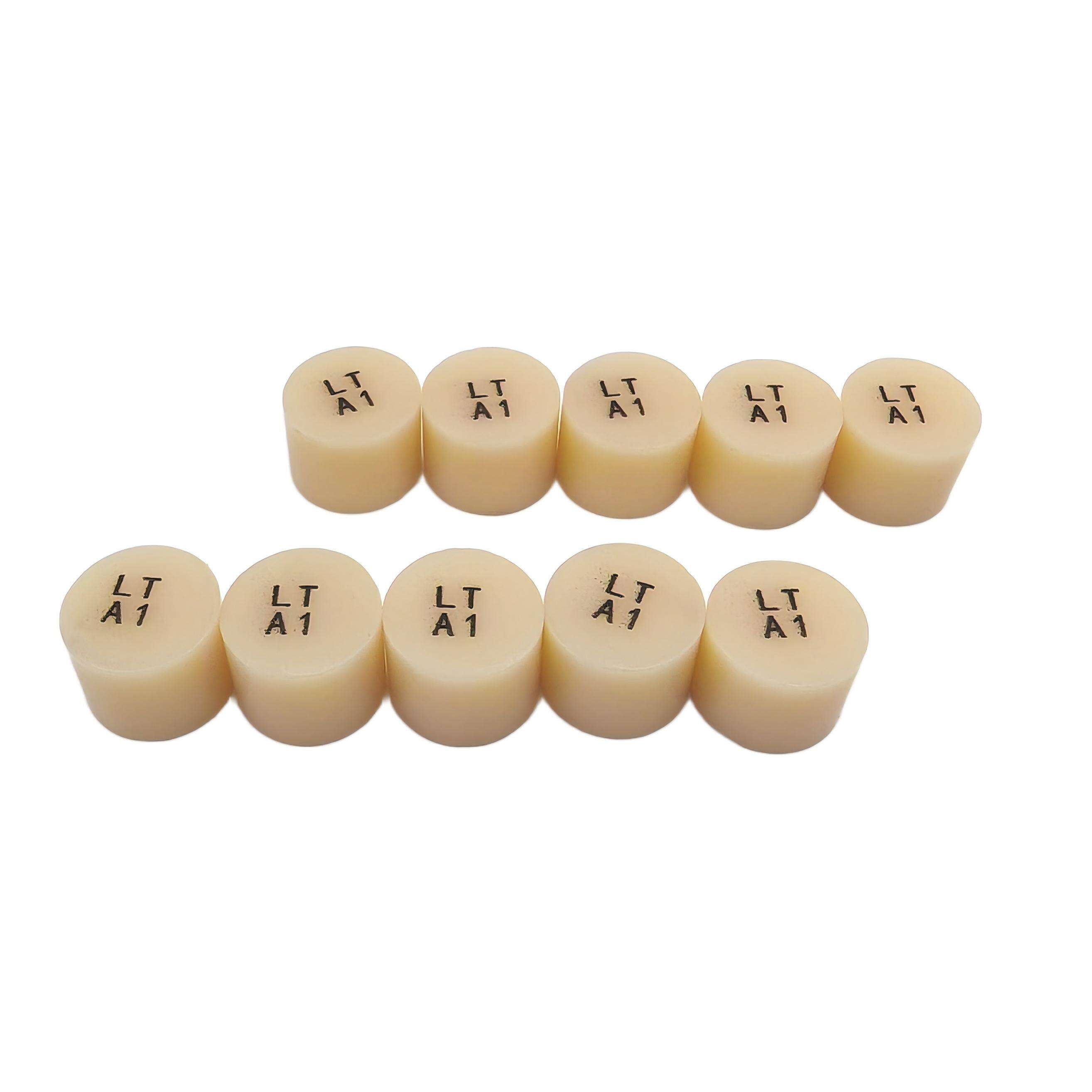
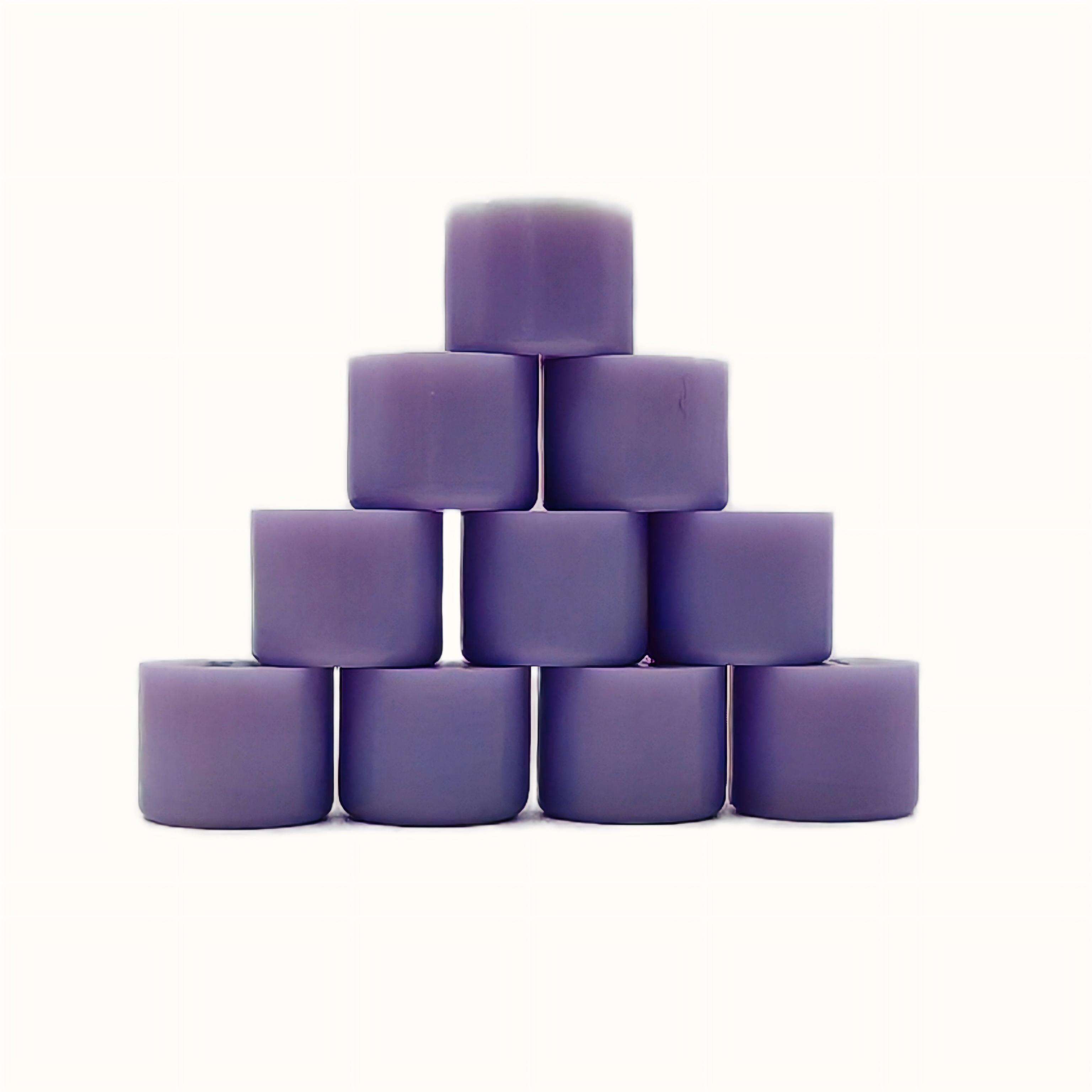
The pressable glass ceramic ingot represents a revolutionary advancement in dental restoration materials, combining the aesthetic appeal of natural teeth with exceptional mechanical properties. This innovative material undergoes a sophisticated manufacturing process that transforms specially formulated glass compositions into dense, crystalline structures through controlled heat treatment. The pressable glass ceramic ingot serves as the foundation for creating highly durable and lifelike dental restorations, including crowns, veneers, inlays, and onlays. The material's unique composition incorporates leucite or lithium disilicate crystals, which provide superior strength while maintaining translucency comparable to natural tooth enamel. During the pressing process, the ingot is heated to precise temperatures where it becomes moldable, allowing dental technicians to shape it into custom restorations using specialized pressing equipment. The technological features of this material include excellent biocompatibility, ensuring safe integration with oral tissues without adverse reactions. The ingot's crystalline structure provides remarkable fracture resistance, making it suitable for both anterior and posterior restorations where chewing forces are significant. The material exhibits exceptional color stability, maintaining its aesthetic appearance over extended periods without discoloration or staining. The pressing technique enables precise margin adaptation and detailed reproduction of tooth anatomy, resulting in restorations that seamlessly blend with existing dentition. Applications span across various dental specialties, from cosmetic dentistry requiring natural aesthetics to restorative dentistry demanding functional durability. The material's versatility allows for single-unit restorations as well as small bridge constructions, providing flexibility in treatment planning. Advanced surface treatments and glazing techniques further enhance the final restoration's appearance and performance, creating smooth surfaces that resist plaque accumulation and promote oral health.
New Product Recommendations

The pressable glass ceramic ingot offers numerous practical benefits that make it an exceptional choice for dental professionals and patients seeking superior restoration solutions. This material provides outstanding durability that significantly extends the lifespan of dental restorations compared to traditional materials. Patients experience fewer replacement procedures, reducing long-term treatment costs and minimizing dental visits. The ingot's pressing technology creates restorations with precise fit and excellent marginal integrity, eliminating gaps where bacteria could accumulate and cause secondary decay. This enhanced fit translates directly into improved oral health outcomes and patient satisfaction. The aesthetic qualities of pressable glass ceramic ingots closely mimic natural tooth appearance, with light transmission properties that create depth and vitality in restorations. Patients gain confidence in their smile as the restorations blend seamlessly with surrounding teeth, appearing completely natural under various lighting conditions. The material's stain resistance ensures long-lasting beauty, maintaining its original appearance despite exposure to coffee, tea, wine, and other staining substances. Processing efficiency represents another significant advantage, as dental laboratories can fabricate restorations more quickly and accurately using pressing techniques. This streamlined workflow reduces turnaround times, allowing patients to receive their restorations sooner while maintaining exceptional quality standards. The biocompatible nature of the material eliminates concerns about allergic reactions or tissue irritation, making it suitable for patients with sensitive oral environments. The ingot's thermal properties closely match natural tooth structure, reducing the risk of sensitivity issues commonly associated with metal-based restorations. Maintenance requirements remain minimal, as the smooth surface finish resists bacterial adhesion and facilitates easy cleaning with regular oral hygiene practices. Cost-effectiveness becomes apparent over time through reduced replacement needs and lower maintenance requirements, providing excellent value for both patients and dental practices. The material's versatility accommodates various restoration types, allowing dental professionals to standardize their material inventory while meeting diverse treatment needs efficiently.

Tips And Tricks

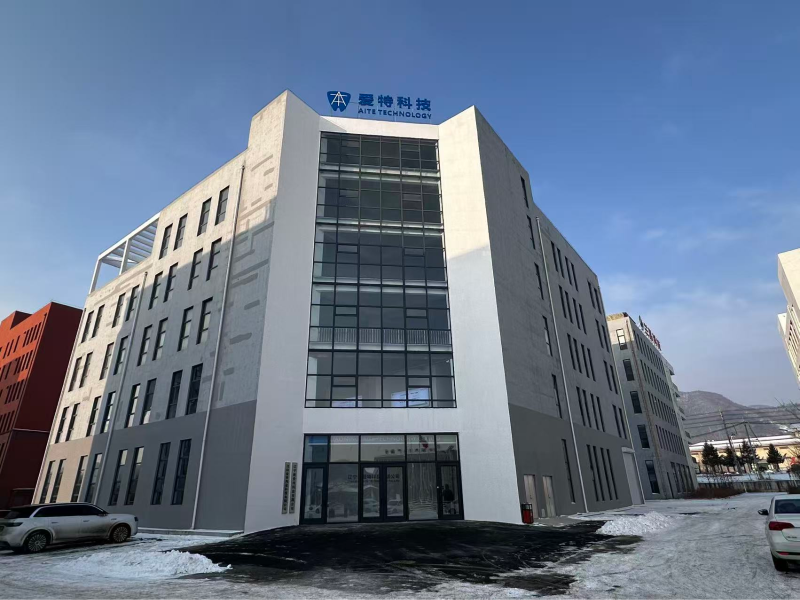
The establishment of the new plant

04

Feb

The establishment of the new plant

View More
Exhibition in Dubai

04

Feb

Exhibition in Dubai

View More
Brazil Exhibition

04

Feb

Brazil Exhibition

View More

Get a Free Quote

Our representative will contact you soon.
Email
Name
Company Name
Message
0/1000

pressable glass ceramic ingot

Superior Aesthetic Integration and Natural Appearance

Superior Aesthetic Integration and Natural Appearance

The pressable glass ceramic ingot delivers unparalleled aesthetic results that revolutionize smile restoration possibilities for patients seeking natural-looking dental work. This remarkable material possesses unique optical properties that closely replicate the light transmission characteristics of natural tooth enamel, creating restorations with exceptional depth and vitality. The ingot's crystalline structure interacts with light in ways that produce realistic fluorescence and opalescence, ensuring restorations appear natural under various lighting conditions, from bright office environments to dim restaurant settings. The material's translucency gradient can be customized during fabrication to match individual tooth characteristics, accounting for variations in thickness and underlying tooth color. Advanced layering techniques using pressable glass ceramic ingots enable dental technicians to recreate complex color patterns and surface textures found in natural teeth, including subtle color variations, surface characterizations, and aging effects that contribute to authentic appearance. The ingot's color stability remains remarkable throughout its service life, resisting discoloration from dietary substances and maintaining its original shade integrity for years. This stability eliminates the embarrassment of mismatched restorations that become obvious over time, preserving patient confidence in their smile. The material's surface finishing capabilities allow for texture variations that replicate natural tooth surfaces, from the smooth enamel of younger patients to the subtle wear patterns of mature teeth. Multiple glaze options provide customizable surface characteristics, enabling perfect integration with existing dentition. The pressing process itself contributes to aesthetic excellence by eliminating porosity and creating uniform density throughout the restoration, preventing the cloudy appearance sometimes associated with other ceramic materials. These aesthetic advantages translate into improved patient satisfaction, enhanced self-confidence, and reduced need for replacement due to appearance concerns, making pressable glass ceramic ingots an investment in long-term smile beauty.
Enhanced Mechanical Strength and Durability Performance

Enhanced Mechanical Strength and Durability Performance

The exceptional mechanical properties of pressable glass ceramic ingots establish new standards for restoration longevity and reliability in demanding oral environments. The material's crystalline structure, developed through precise heat treatment protocols, creates a dense matrix that exhibits remarkable fracture resistance and wear characteristics superior to many alternative materials. The ingot's flexural strength exceeds requirements for both anterior and posterior applications, providing confidence for use in high-stress areas where chewing forces are most intense. This mechanical superiority stems from the controlled crystallization process that creates interlocking crystal formations, distributing stress throughout the material rather than concentrating it at weak points. The pressing technique further enhances mechanical properties by eliminating internal defects and creating uniform density that prevents crack propagation and premature failure. Fatigue resistance represents a critical advantage, as the material maintains its structural integrity through millions of chewing cycles without developing stress fractures or surface deterioration. The ingot's thermal expansion coefficient closely matches natural tooth structure, minimizing stress at the restoration-tooth interface and reducing the risk of debonding or marginal breakdown. Impact resistance proves exceptional, protecting restorations from damage during accidental trauma or excessive force application. The material's hardness properties provide excellent wear resistance while remaining gentle on opposing teeth, preventing excessive enamel wear that can occur with harder ceramic materials. Edge strength remains consistent throughout the restoration, preventing chipping at margins where traditional ceramics often fail. The pressing process creates predictable material behavior under stress, allowing dental professionals to design restorations with confidence in their long-term performance. Quality control during manufacturing ensures consistent mechanical properties between ingots, providing reliability in clinical outcomes. These mechanical advantages translate into fewer emergency repairs, reduced replacement frequency, and improved patient satisfaction through dependable restoration performance that withstands the rigors of daily oral function.
Streamlined Processing Efficiency and Clinical Versatility

Streamlined Processing Efficiency and Clinical Versatility

The pressable glass ceramic ingot offers unprecedented processing advantages that revolutionize laboratory workflows while expanding clinical treatment possibilities for dental professionals. The pressing technique simplifies restoration fabrication compared to traditional layering methods, reducing technical sensitivity and providing more predictable outcomes for laboratory technicians of varying skill levels. This streamlined process eliminates many variables associated with conventional ceramic processing, such as firing shrinkage calculations and layering thickness control, resulting in more accurate restorations with improved fit and function. The ingot's consistent material properties ensure uniform behavior during processing, enabling laboratories to develop standardized protocols that improve efficiency and reduce remake rates. Press temperatures and timing parameters remain stable across different ingot batches, providing reliability in production scheduling and quality control measures. The material's excellent flowability during pressing allows for complete adaptation to complex preparation geometries, capturing fine details and ensuring optimal marginal fit without extensive adjustment requirements. Processing time reduction represents a significant advantage, as single-press cycles can create complete restorations in less time than traditional multi-firing ceramic techniques, improving laboratory throughput and reducing delivery times for patients. The ingot's compatibility with various investment materials and pressing equipment provides flexibility in laboratory setup and workflow integration. Post-press processing remains minimal, typically requiring only basic finishing and glazing procedures to achieve final restoration quality. The material's forgiving nature during adjustment procedures allows for chairside modifications when necessary, providing clinical flexibility for final fitting and occlusal refinement. Repair protocols remain straightforward, enabling simple fixes for minor chips or surface defects without complete restoration replacement. The ingot's versatility accommodates multiple restoration types from a single material system, simplifying inventory management and technician training requirements. Quality assurance becomes more manageable through consistent processing parameters and predictable material behavior, enabling laboratories to maintain high standards while improving productivity and profitability through efficient workflows.

Get a Free Quote

Our representative will contact you soon.
Email
Name
Company Name
Message
0/1000