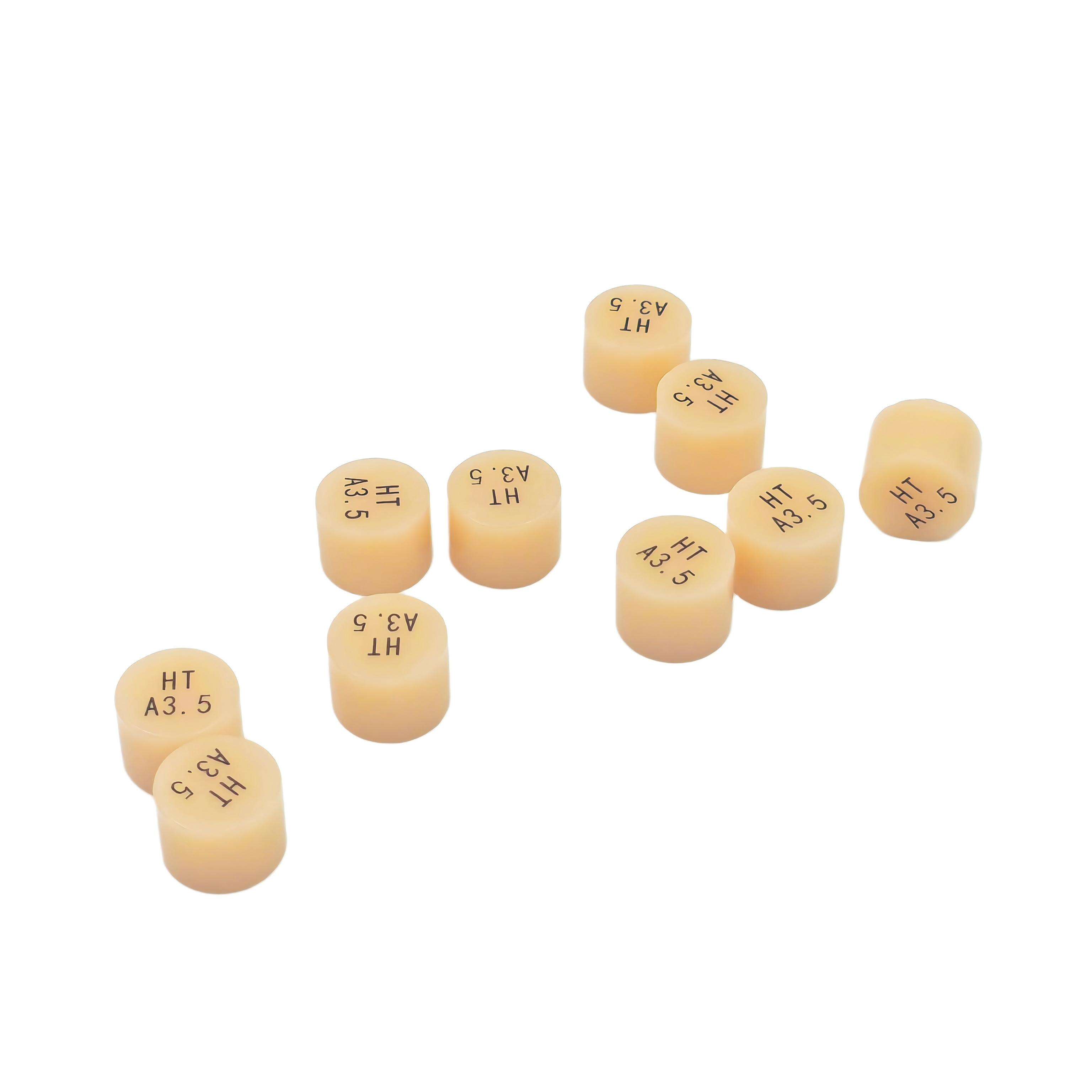
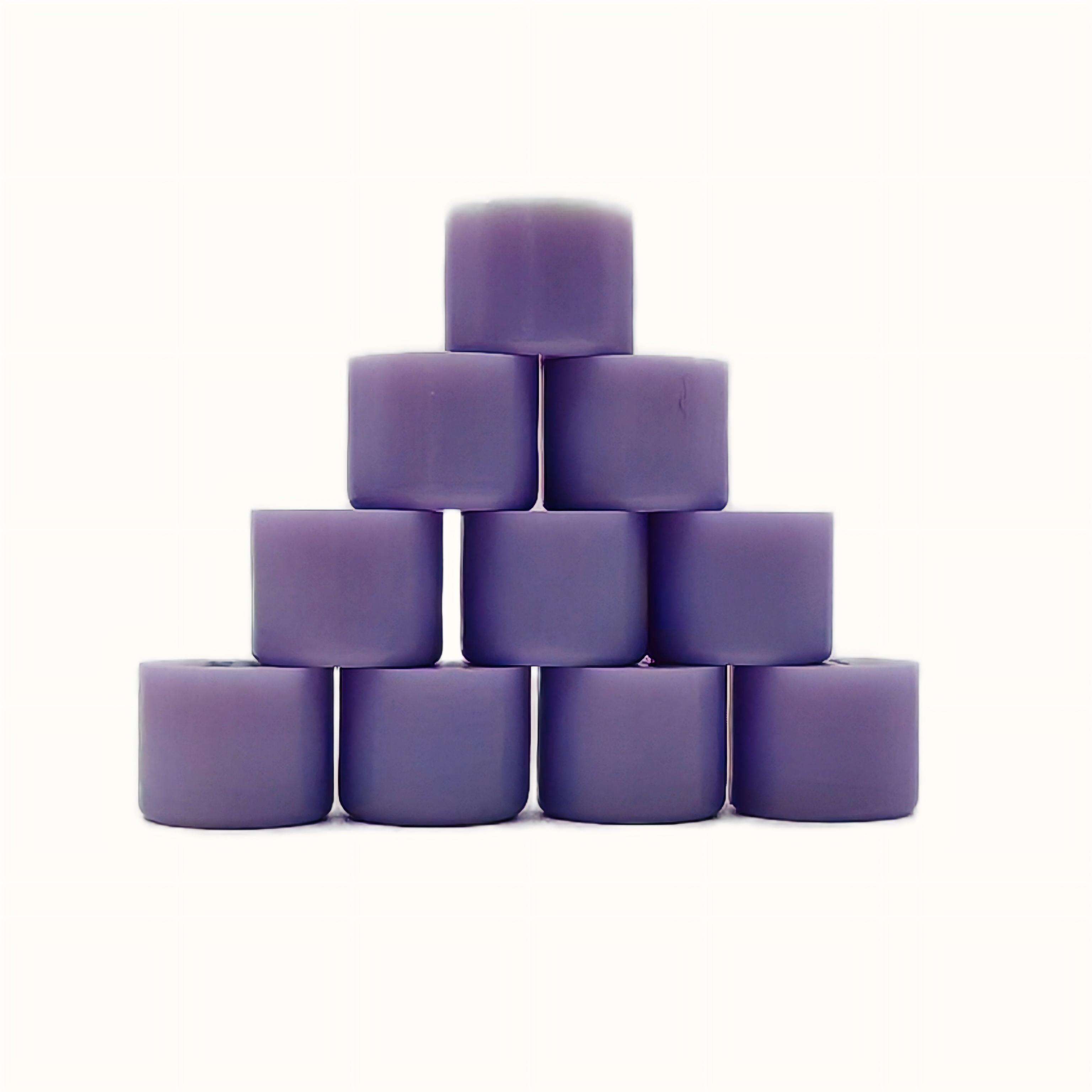
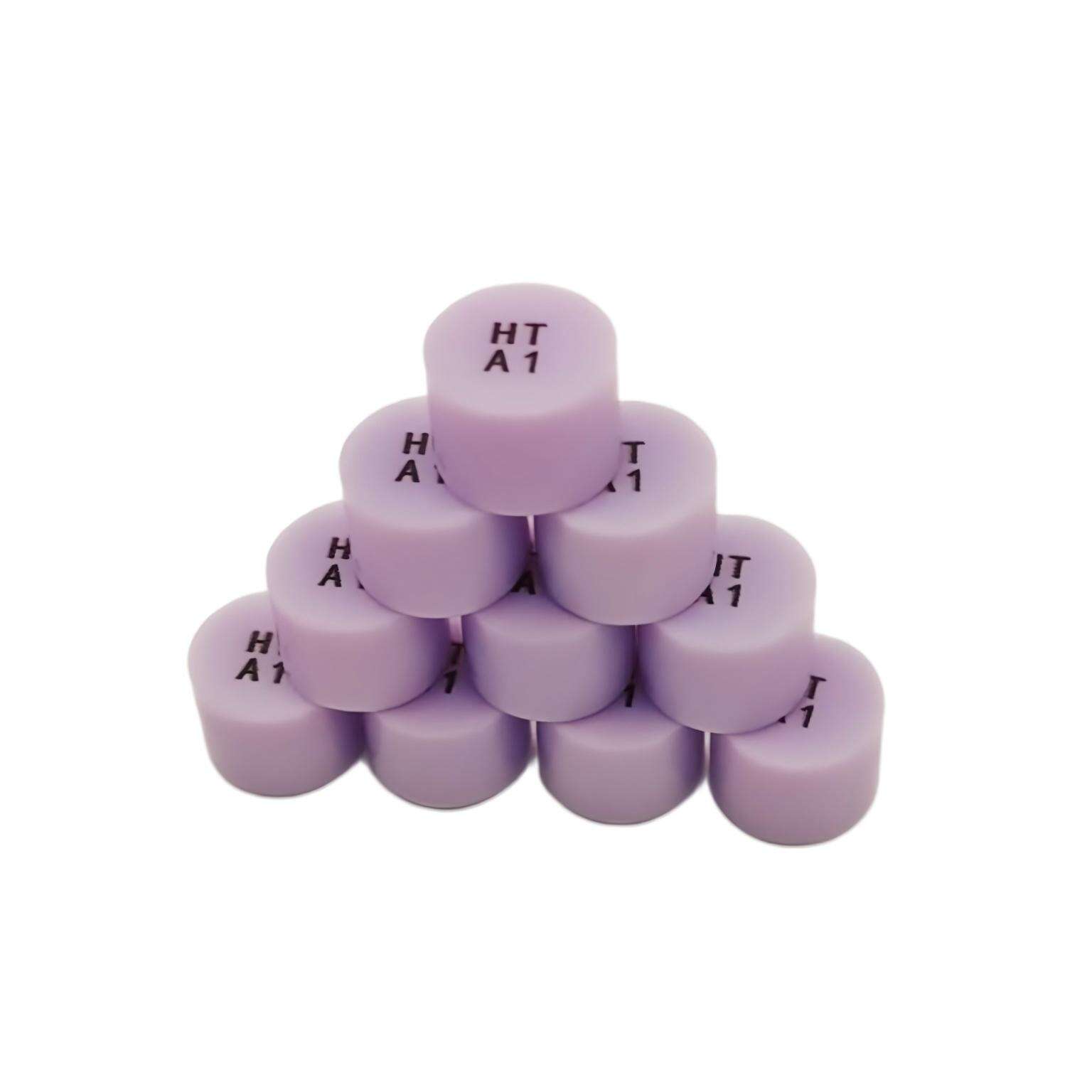
dental press ingot for bridge
The dental press ingot for bridge represents a revolutionary advancement in modern dentistry, offering dental professionals and laboratories a superior solution for creating durable, aesthetically pleasing bridge restorations. These specialized ingots serve as the foundational material for pressed ceramic bridge fabrications, utilizing cutting-edge lithium disilicate or glass-ceramic compositions that deliver exceptional strength and translucency. The dental press ingot for bridge functions as a heat-pressed ceramic system that transforms under controlled temperature and pressure conditions into precise dental restorations. This innovative material enables the creation of multi-unit bridges that seamlessly integrate with natural tooth structures while maintaining superior mechanical properties. The technological features of the dental press ingot for bridge include advanced crystalline structures that provide enhanced fracture resistance, making them ideal for posterior applications where chewing forces are most significant. These ingots incorporate sophisticated glass matrices that allow for optimal light transmission, resulting in restorations that mimic the natural appearance of tooth enamel. The pressing process involves heating the dental press ingot for bridge to specific temperatures, typically between 900-1000 degrees Celsius, where the material becomes malleable and can be pressed into pre-formed investment molds. This controlled transformation ensures dimensional accuracy and eliminates common issues associated with traditional casting methods. Applications for the dental press ingot for bridge extend across various clinical scenarios, from single-unit crowns to extensive multi-unit bridge work spanning multiple missing teeth. The versatility of these materials makes them suitable for both anterior and posterior applications, with color matching capabilities that ensure seamless integration with existing dentition. The biocompatibility of the dental press ingot for bridge ensures long-term success in the oral environment, while the material's resistance to wear and staining maintains aesthetic appeal over extended periods.

 EN
EN