dental heat press ingot
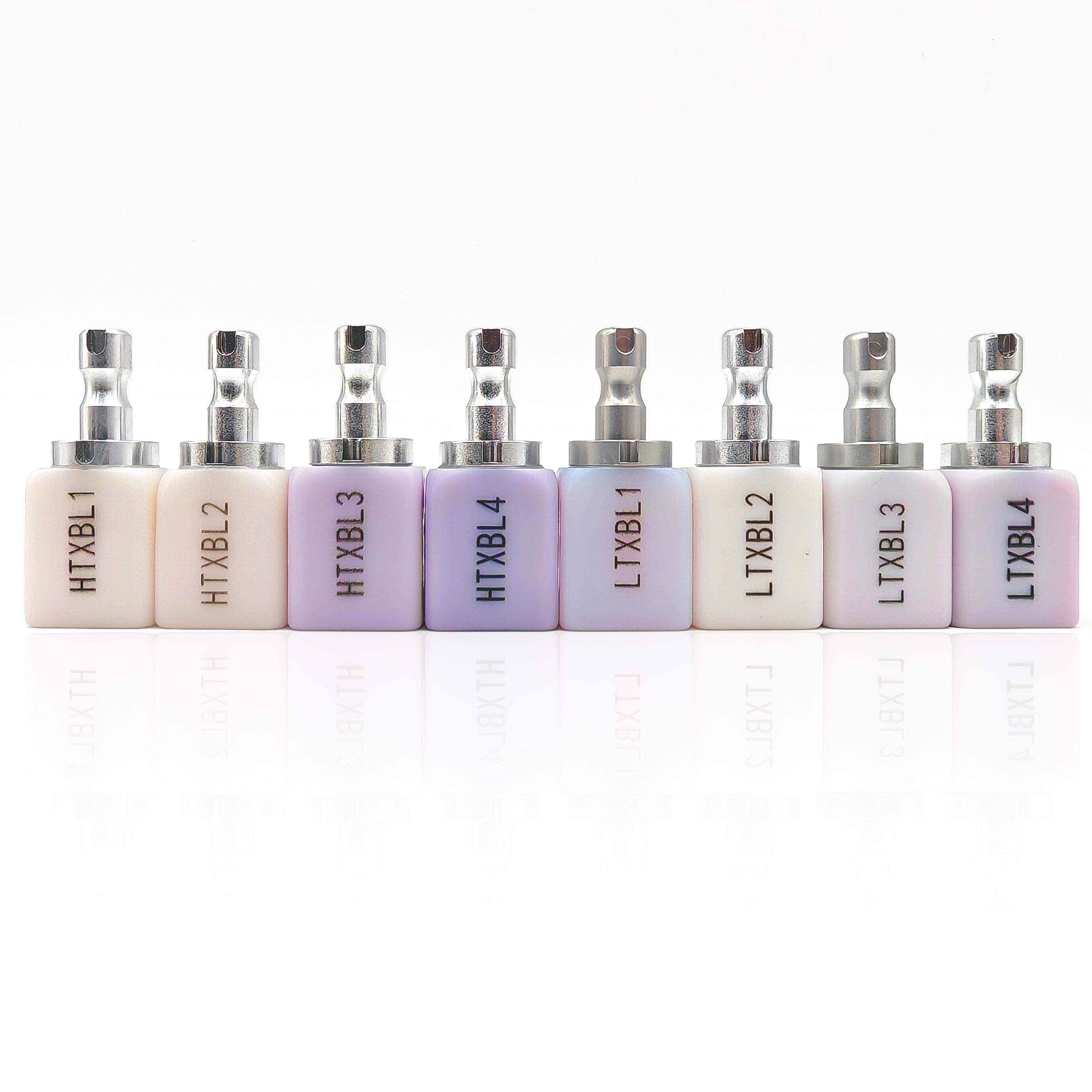
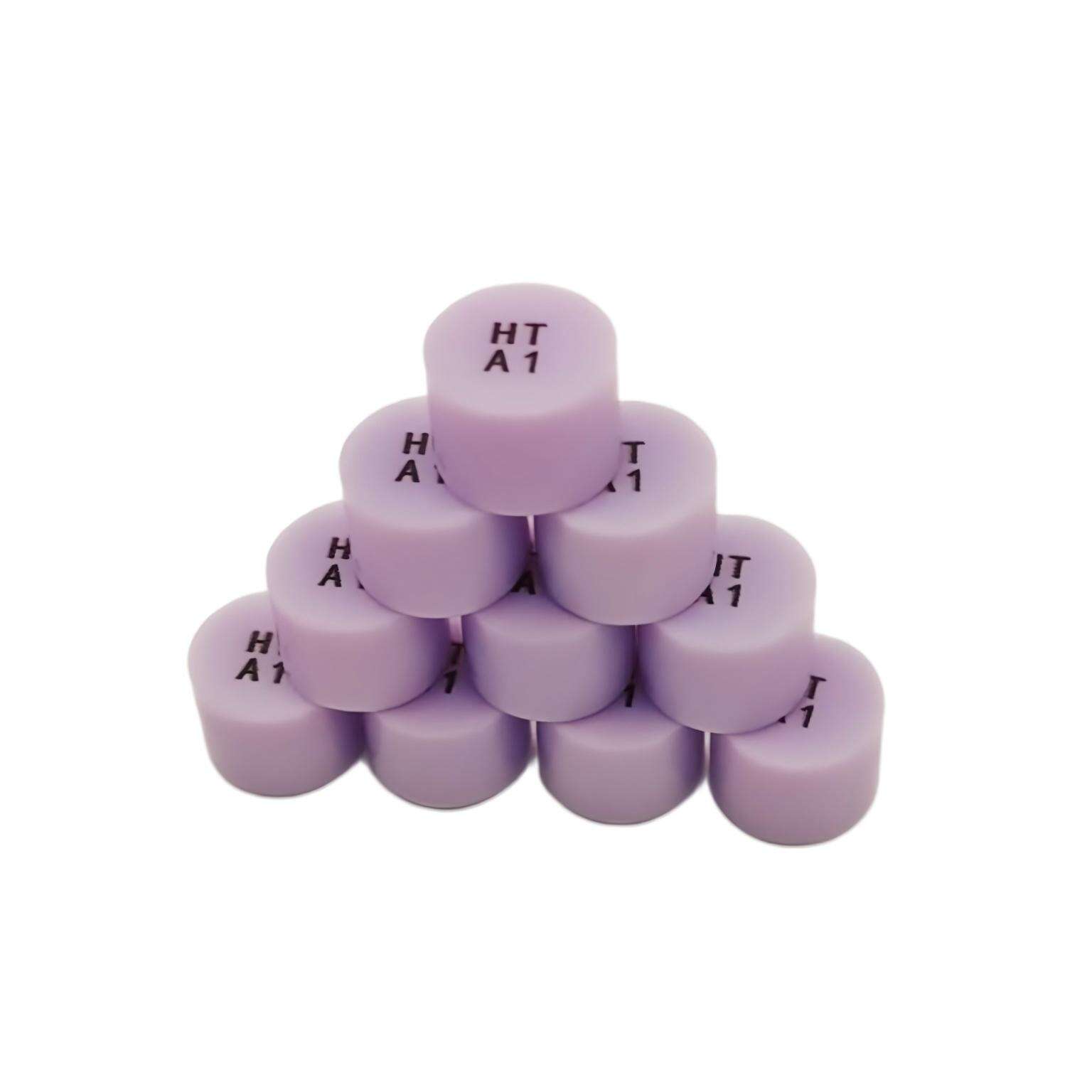
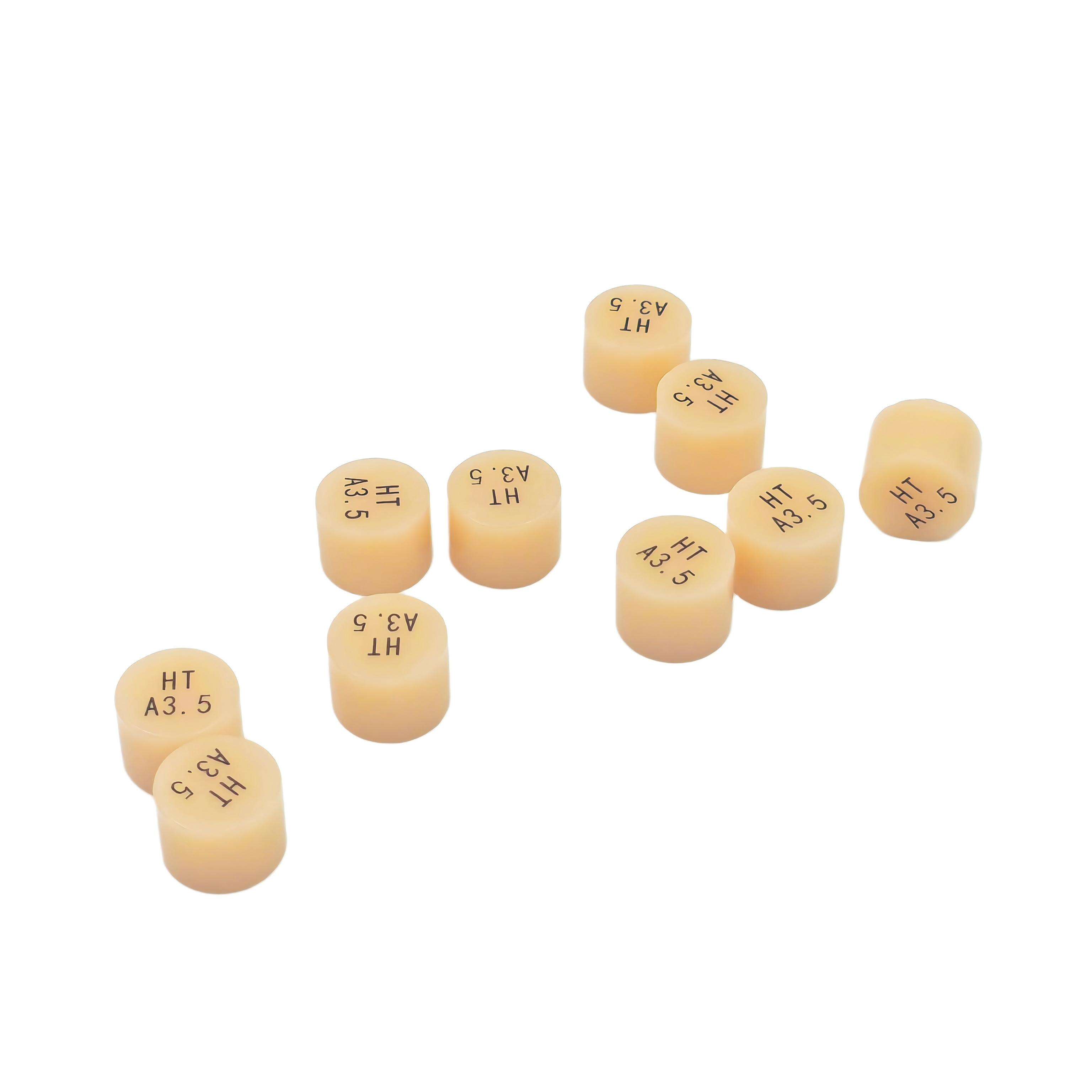
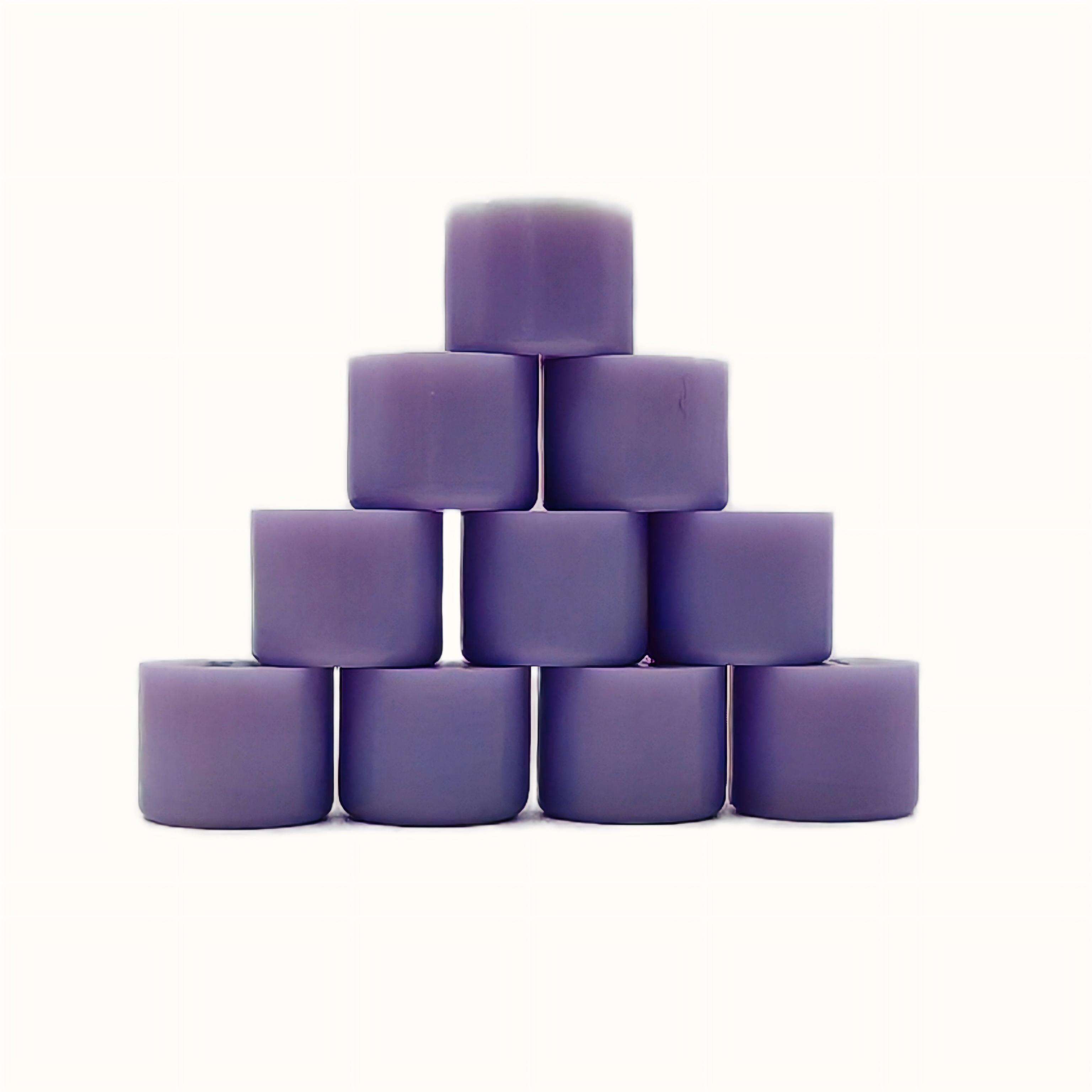
The dental heat press ingot represents a revolutionary advancement in modern restorative dentistry, serving as a critical component in the fabrication of high-quality dental prosthetics and restorations. This specialized material is designed specifically for use with heat press furnaces, enabling dental laboratories and clinicians to create precise, durable, and aesthetically pleasing dental restorations with exceptional accuracy. The dental heat press ingot functions as the raw material that undergoes controlled heating and pressing processes to form various dental appliances, including crowns, bridges, veneers, and inlays. The technology behind these ingots incorporates advanced ceramic and glass-ceramic compositions that have been scientifically engineered to mimic the natural properties of tooth enamel and dentin. The main functions of the dental heat press ingot include providing a malleable yet strong foundation for creating custom dental restorations that perfectly match patient-specific requirements. The technological features of these ingots encompass superior thermal stability, controlled crystallization properties, and excellent biocompatibility that ensures safe integration with oral tissues. The pressing process involves heating the dental heat press ingot to precise temperatures, typically ranging from 900 to 1180 degrees Celsius, depending on the specific material composition. During this process, the ingot becomes molten and can be pressed into pre-formed molds or investment patterns to create the desired restoration shape. The applications of dental heat press ingots extend across multiple areas of restorative dentistry, including anterior and posterior crown fabrication, bridge construction, veneer creation, and complex full-mouth rehabilitation cases. These ingots are particularly valuable in situations requiring high strength, excellent aesthetics, and long-term durability. The versatility of the dental heat press ingot allows for customization in terms of shade matching, translucency levels, and mechanical properties to meet diverse clinical needs and patient preferences.

 EN
EN