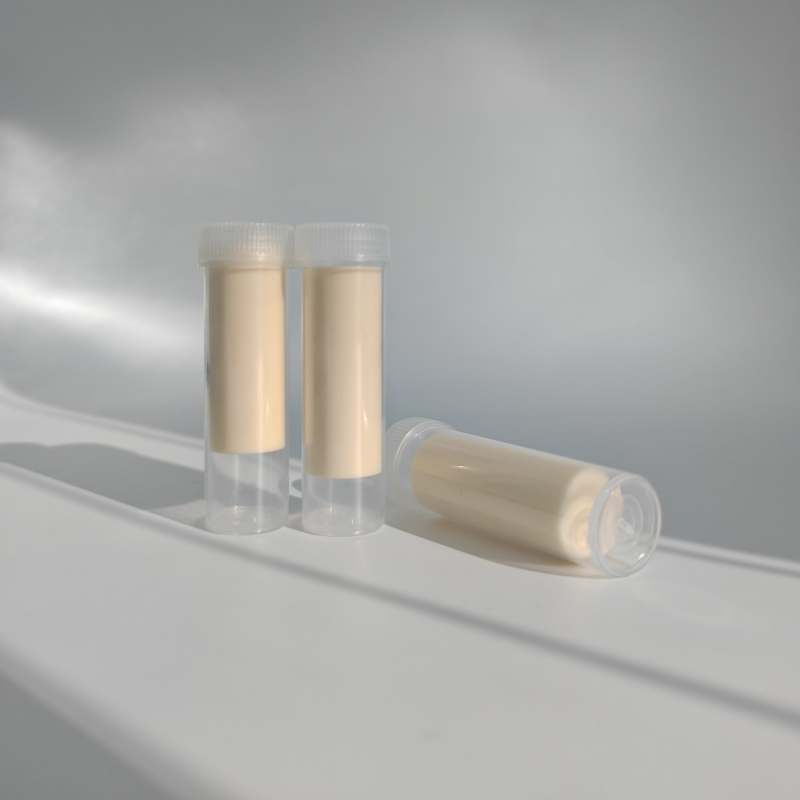
Premium Dental Press Ceramic Ingots - Superior Aesthetic Restorations with Exceptional Durability

All Categories

Get a Free Quote

Our representative will contact you soon.
Email
Name
Company Name
Message
0/1000

dental press ceramic ingot

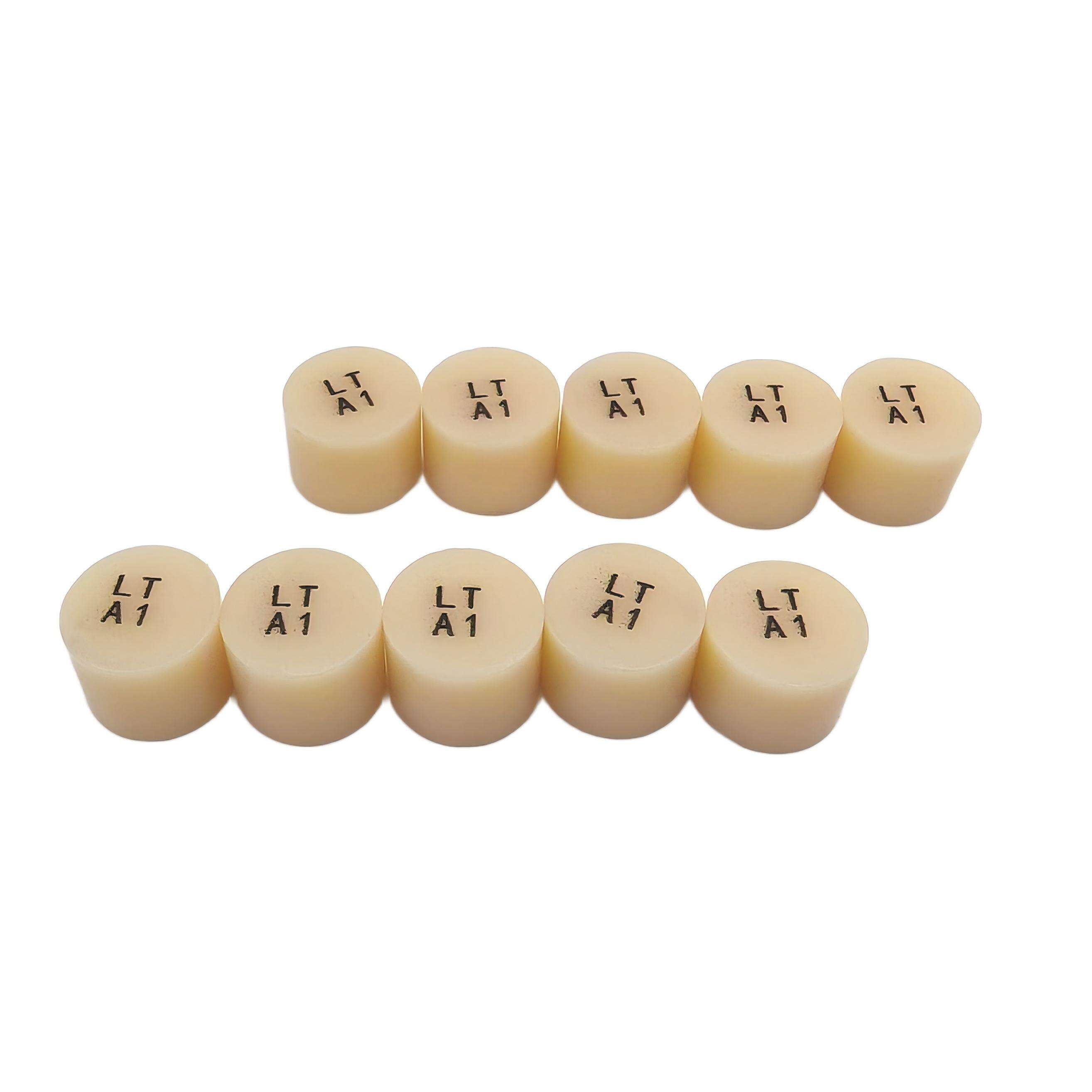
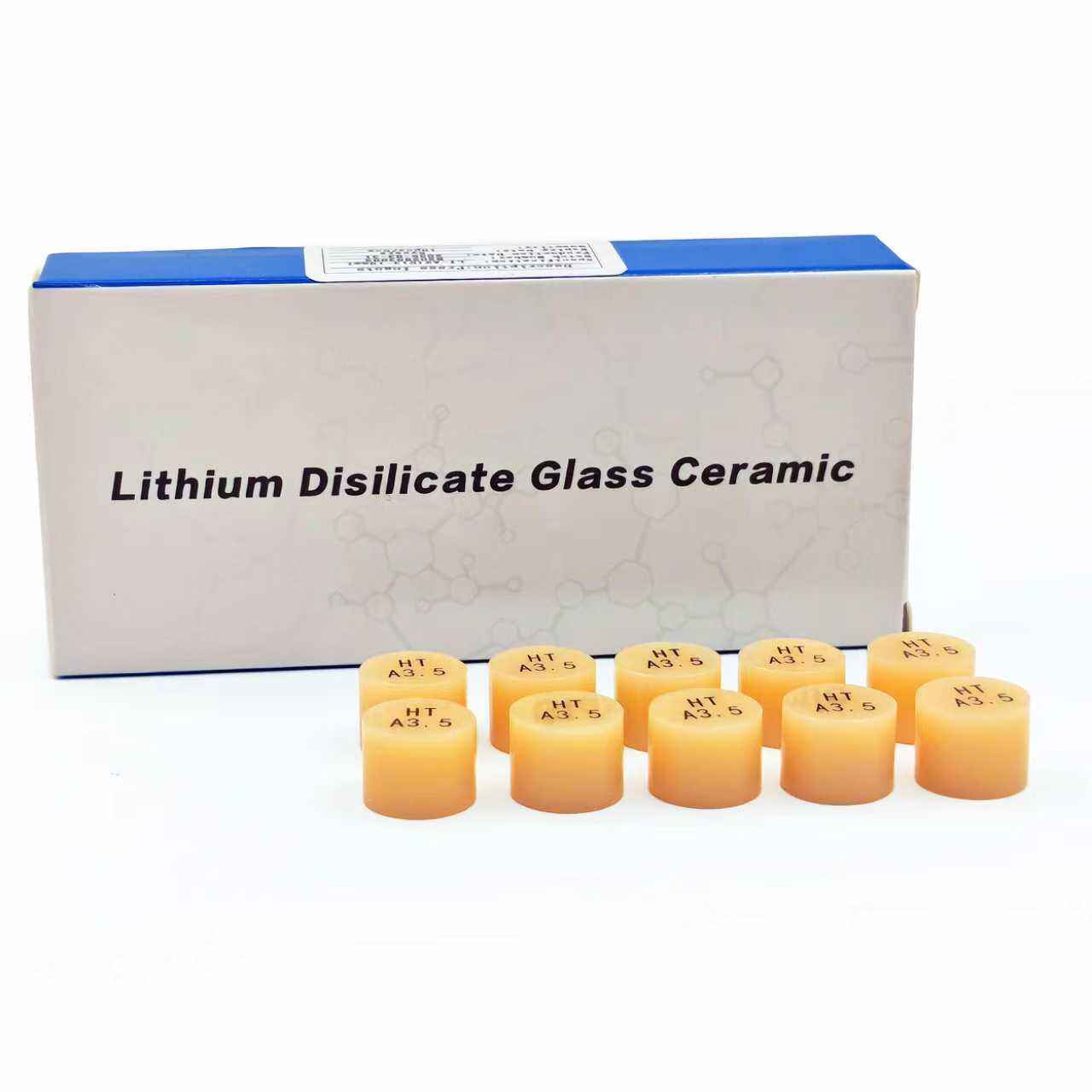
The dental press ceramic ingot represents a revolutionary advancement in modern restorative dentistry, offering practitioners and patients superior aesthetic and functional solutions for tooth restoration. This innovative material serves as the foundational component for creating high-quality ceramic dental prosthetics through advanced pressing techniques. The dental press ceramic ingot is specifically designed to meet the demanding requirements of contemporary dental practices, combining exceptional strength with natural translucency that closely mimics the optical properties of natural teeth. These ingots are manufactured using cutting-edge ceramic formulations that incorporate glass-ceramic materials, ensuring optimal biocompatibility and long-term durability. The primary function of the dental press ceramic ingot involves its transformation into customized dental restorations through precision heat-pressing procedures. This process allows dental technicians to create crowns, veneers, inlays, onlays, and bridges that exhibit remarkable color stability and wear resistance. The technological features of the dental press ceramic ingot include controlled crystalline structure, uniform density distribution, and predictable shrinkage characteristics that enable consistent results across various restoration types. The material's composition allows for excellent bonding compatibility with dental adhesives and cements, ensuring reliable long-term clinical performance. Applications of the dental press ceramic ingot extend across numerous restorative procedures, including anterior and posterior crown fabrications, aesthetic veneer constructions, and complex multi-unit bridge frameworks. The ingot's versatility makes it suitable for both single-tooth restorations and comprehensive smile makeover treatments. Dental laboratories worldwide utilize these ingots in their daily workflow due to their reliable processing characteristics and predictable outcomes. The material's thermal expansion coefficient closely matches that of natural tooth structure, minimizing stress concentrations and reducing the risk of restoration failure. Furthermore, the dental press ceramic ingot demonstrates excellent color matching capabilities, allowing technicians to achieve seamless integration with existing dentition while maintaining superior aesthetic appeal throughout the restoration's service life.
New Product Releases

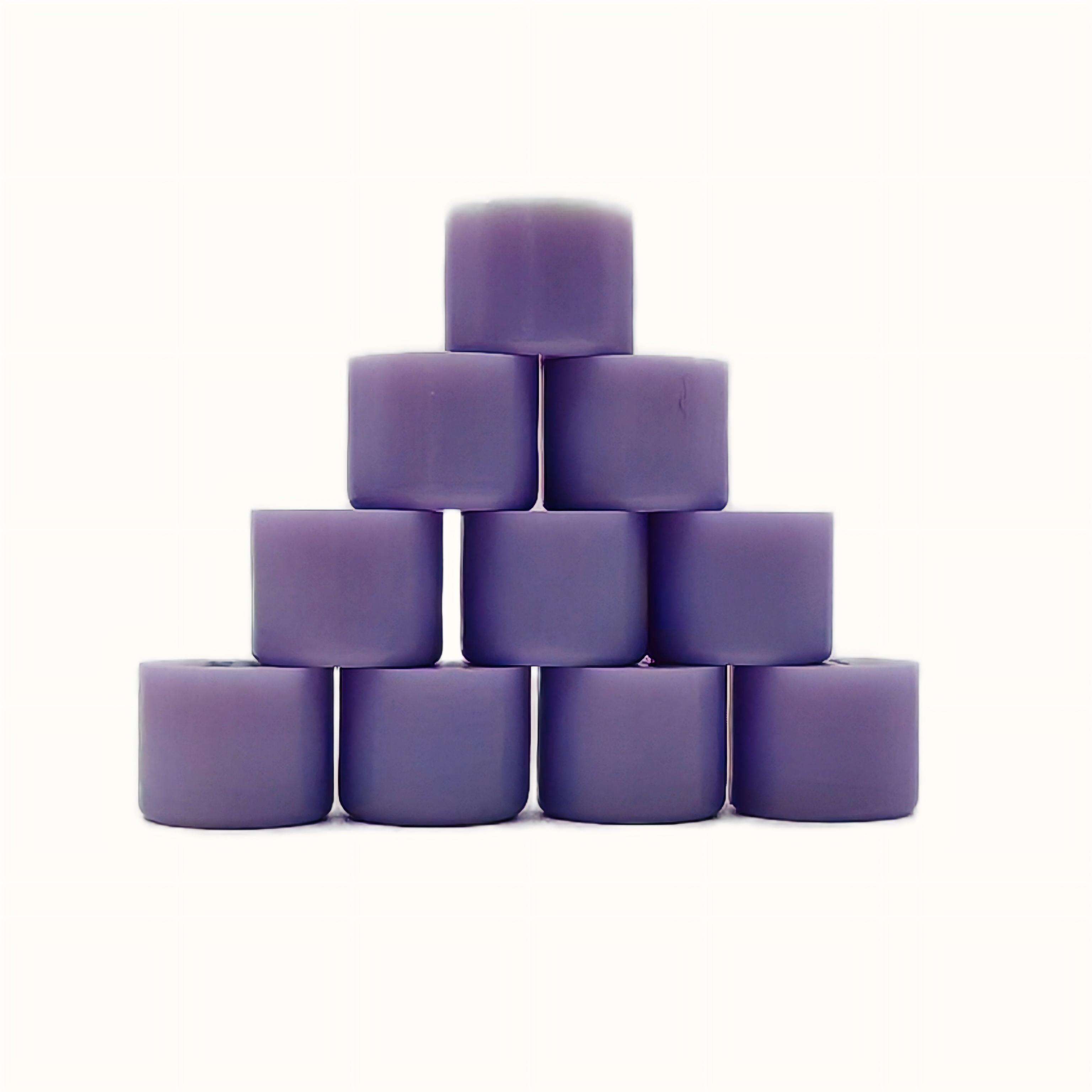
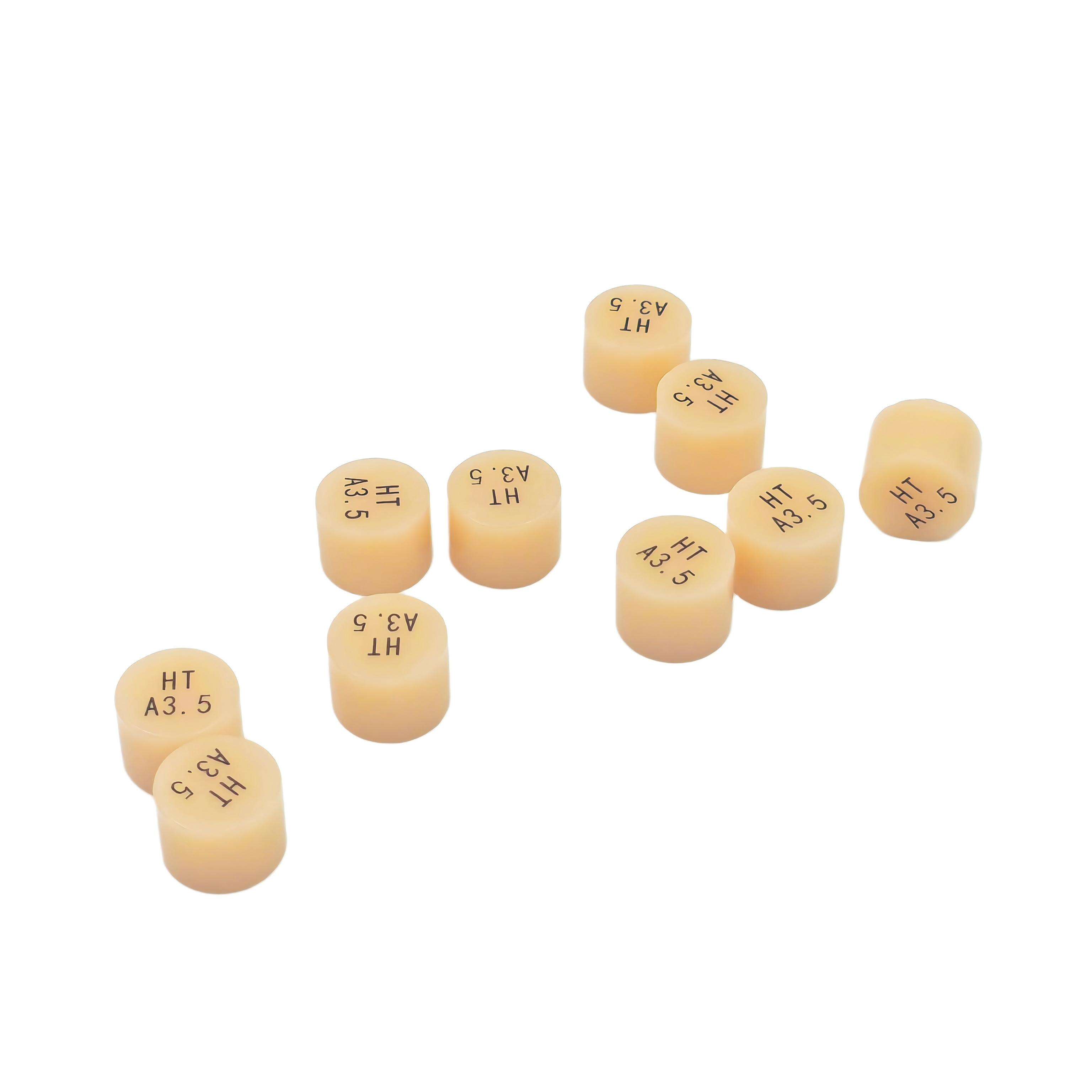
The dental press ceramic ingot delivers exceptional advantages that transform dental restoration procedures and patient outcomes significantly. One primary benefit centers on superior aesthetic performance, as these ingots produce restorations with natural translucency and color depth that perfectly mimics healthy tooth enamel. Patients receive dental work that blends seamlessly with their existing teeth, eliminating the artificial appearance often associated with traditional materials. The pressing technique utilized with these ingots creates dense, non-porous ceramic structures that resist staining and discoloration over time, ensuring long-lasting beauty and patient satisfaction. Another significant advantage involves enhanced durability and strength characteristics. The dental press ceramic ingot withstands normal chewing forces and daily wear patterns effectively, providing patients with reliable restorations that maintain their integrity for extended periods. This durability translates into reduced maintenance costs and fewer replacement procedures, offering excellent value for patients and practitioners alike. The material's resistance to fracture and chipping surpasses many alternative restoration materials, particularly in high-stress posterior applications where strength requirements are critical. Processing efficiency represents another compelling advantage of the dental press ceramic ingot system. Dental technicians can achieve consistent, predictable results with streamlined fabrication procedures that reduce laboratory time and associated costs. The pressing technique eliminates many variables found in alternative ceramic processing methods, resulting in higher success rates and fewer remakes. This efficiency allows laboratories to maintain competitive pricing while delivering superior quality restorations to their dental practice partners. Biocompatibility stands as a crucial advantage, as the dental press ceramic ingot materials demonstrate excellent tissue tolerance and minimal allergic potential. Patients with sensitive oral tissues or metal allergies can receive these ceramic restorations without adverse reactions. The smooth, non-reactive surface of pressed ceramic restorations also promotes healthy gingival tissues and reduces bacterial accumulation compared to some alternative materials. Cost-effectiveness emerges as a practical advantage when considering the total treatment investment. While initial material costs may be competitive with premium alternatives, the combination of durability, aesthetic longevity, and reduced maintenance requirements provides exceptional long-term value. Patients invest in restorations that maintain their appearance and function for many years, reducing the need for costly replacements or repairs that might be necessary with inferior materials.

Latest News

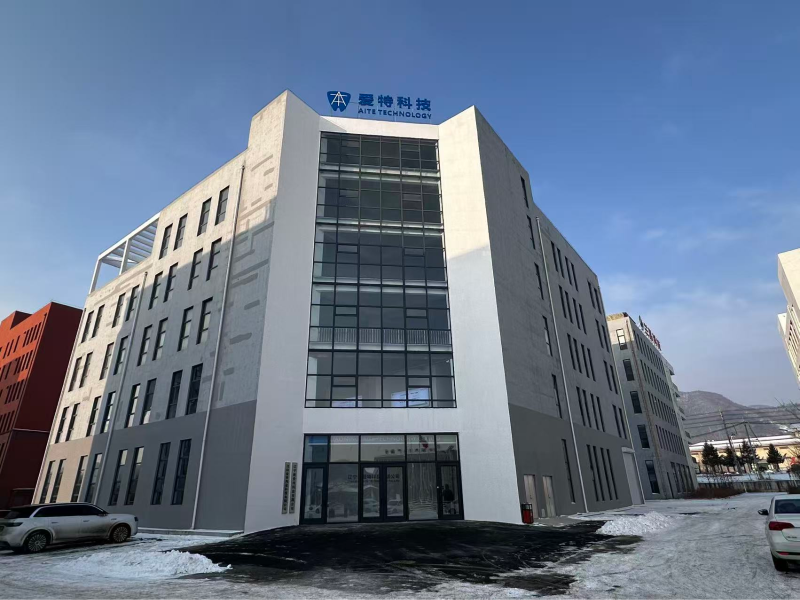
The establishment of the new plant

04

Feb

The establishment of the new plant

View More
Exhibition in Dubai

04

Feb

Exhibition in Dubai

View More
Brazil Exhibition

04

Feb

Brazil Exhibition

View More

Get a Free Quote

Our representative will contact you soon.
Email
Name
Company Name
Message
0/1000

dental press ceramic ingot

Exceptional Aesthetic Integration and Natural Appearance

Exceptional Aesthetic Integration and Natural Appearance

The dental press ceramic ingot excels in creating restorations that achieve unparalleled aesthetic integration with natural dentition, addressing the primary concern of patients seeking high-quality dental work. This remarkable aesthetic capability stems from the material's sophisticated optical properties, which closely replicate the light transmission and reflection characteristics of natural tooth enamel. The ingot's carefully engineered glass-ceramic composition allows light to penetrate and scatter within the restoration similarly to how light behaves in healthy teeth, creating depth and vitality that distinguishes these restorations from artificial-looking alternatives. The pressing process itself contributes significantly to aesthetic excellence by eliminating the porosity and irregularities that can compromise the optical properties of other ceramic materials. When heated and pressed under controlled conditions, the dental press ceramic ingot transforms into a dense, homogeneous structure with consistent light-handling properties throughout the restoration. This uniformity ensures that color and translucency remain stable across the entire surface, preventing the patchy or inconsistent appearance that can occur with layered ceramic techniques. Color matching capabilities represent another critical aspect of aesthetic integration. The dental press ceramic ingot system offers an extensive range of shades and translucency levels, allowing dental technicians to precisely match existing tooth color and create seamless transitions between restorations and natural teeth. The material's inherent color stability means that initial color matching remains accurate throughout the restoration's service life, preventing the color shifting that can make dental work obvious over time. Advanced characterization techniques can be incorporated during the pressing process, enabling technicians to replicate natural tooth features such as subtle color variations, surface textures, and translucency gradients. This level of customization ensures that each restoration reflects the unique characteristics of the patient's natural dentition. The smooth, highly polished surface achievable with pressed ceramic also contributes to aesthetic appeal by reflecting light naturally and resisting stain accumulation that could compromise appearance over time.
Superior Strength and Long-Term Durability Performance

Superior Strength and Long-Term Durability Performance

The dental press ceramic ingot demonstrates exceptional mechanical properties that translate into superior strength and long-term durability performance, making it an ideal choice for demanding restorative applications. The material's impressive flexural strength, typically exceeding 400 MPa, enables it to withstand the substantial forces generated during normal chewing and grinding activities without compromising structural integrity. This strength advantage becomes particularly important in posterior applications where occlusal forces can reach several hundred pounds per square inch during heavy function. The pressing manufacturing process contributes significantly to strength development by eliminating internal voids and creating a dense, uniform ceramic structure. Unlike traditional ceramic fabrication methods that may introduce weakening flaws during processing, the controlled heating and pressing technique ensures consistent material properties throughout the restoration. This uniformity eliminates stress concentration points that could serve as crack initiation sites, substantially improving resistance to mechanical failure. Thermal shock resistance represents another crucial durability aspect of the dental press ceramic ingot. The material maintains its structural integrity despite repeated exposure to temperature variations encountered during eating and drinking hot and cold substances. This thermal stability prevents the development of internal stresses that could weaken the restoration over time and lead to premature failure. The coefficient of thermal expansion closely matches that of natural tooth structure, minimizing differential movement between the restoration and supporting tooth that could cause bond failure or marginal breakdown. Wear resistance characteristics further enhance the durability profile of pressed ceramic restorations. The material exhibits excellent resistance to both abrasive and erosive wear, maintaining surface smoothness and marginal integrity throughout years of clinical service. This wear resistance proves particularly valuable in patients with parafunctional habits such as bruxism, where excessive forces and grinding motions challenge restoration durability. Long-term clinical studies demonstrate that properly fabricated pressed ceramic restorations maintain their structural integrity and functional performance for decades when properly maintained, providing exceptional value and patient satisfaction.
Streamlined Processing and Consistent Clinical Results

Streamlined Processing and Consistent Clinical Results

The dental press ceramic ingot system revolutionizes laboratory workflow through streamlined processing procedures that consistently deliver predictable, high-quality results while reducing fabrication time and associated costs. This processing efficiency stems from the simplified technique requirements compared to traditional layered ceramic methods, eliminating many of the variables that can compromise restoration quality or require time-consuming corrections. The pressing procedure follows a standardized protocol that minimizes operator-dependent variables, ensuring consistent outcomes regardless of technician experience level. This reliability proves invaluable for busy dental laboratories seeking to maintain quality standards while meeting demanding production schedules. The controlled pressing environment creates optimal conditions for ceramic consolidation, eliminating guesswork and reducing the trial-and-error approach often associated with alternative ceramic processing techniques. Investment material compatibility represents a crucial aspect of processing efficiency. The dental press ceramic ingot works seamlessly with standard dental investment materials, allowing laboratories to utilize existing equipment and procedures without requiring specialized or expensive additional infrastructure. This compatibility reduces implementation costs and training requirements, enabling smooth integration into established laboratory workflows. The pressing cycle parameters remain consistent across different restoration sizes and types, allowing technicians to batch process multiple restorations simultaneously for improved efficiency. Quality control becomes more manageable with the dental press ceramic ingot system due to the predictable nature of the pressing process. Dimensional accuracy remains consistent from restoration to restoration, reducing fitting problems and the need for extensive adjustments during delivery appointments. This predictability extends to marginal adaptation, surface finish, and overall restoration contours, allowing laboratories to maintain high standards while increasing productivity. The reduced need for corrections and remakes directly impacts profitability and customer satisfaction. Versatility in restoration design represents another processing advantage, as the dental press ceramic ingot can be used for various restoration types without requiring different techniques or equipment setups. Whether fabricating single crowns, multi-unit bridges, veneers, or inlays, technicians utilize the same pressing protocol with consistently excellent results. This versatility simplifies inventory management and reduces the learning curve associated with multiple ceramic systems, making it an attractive option for laboratories serving diverse clinical needs.

Get a Free Quote

Our representative will contact you soon.
Email
Name
Company Name
Message
0/1000