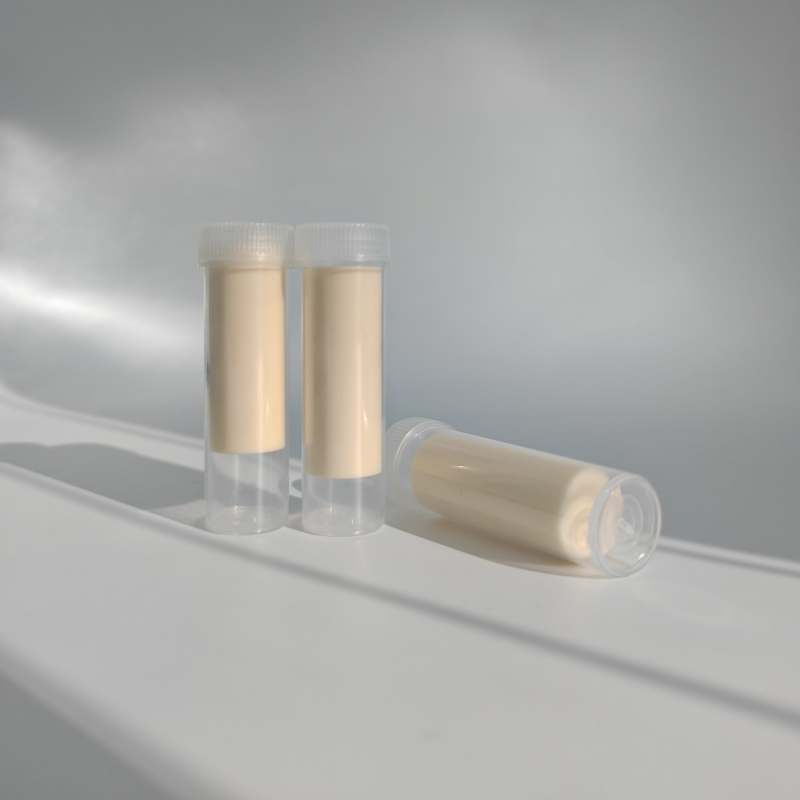
Premium Glass Ceramic Press Ingot Solutions - Advanced Materials for Precision Manufacturing

All Categories

Get a Free Quote

Our representative will contact you soon.
Email
Name
Company Name
Message
0/1000

glass ceramic press ingot

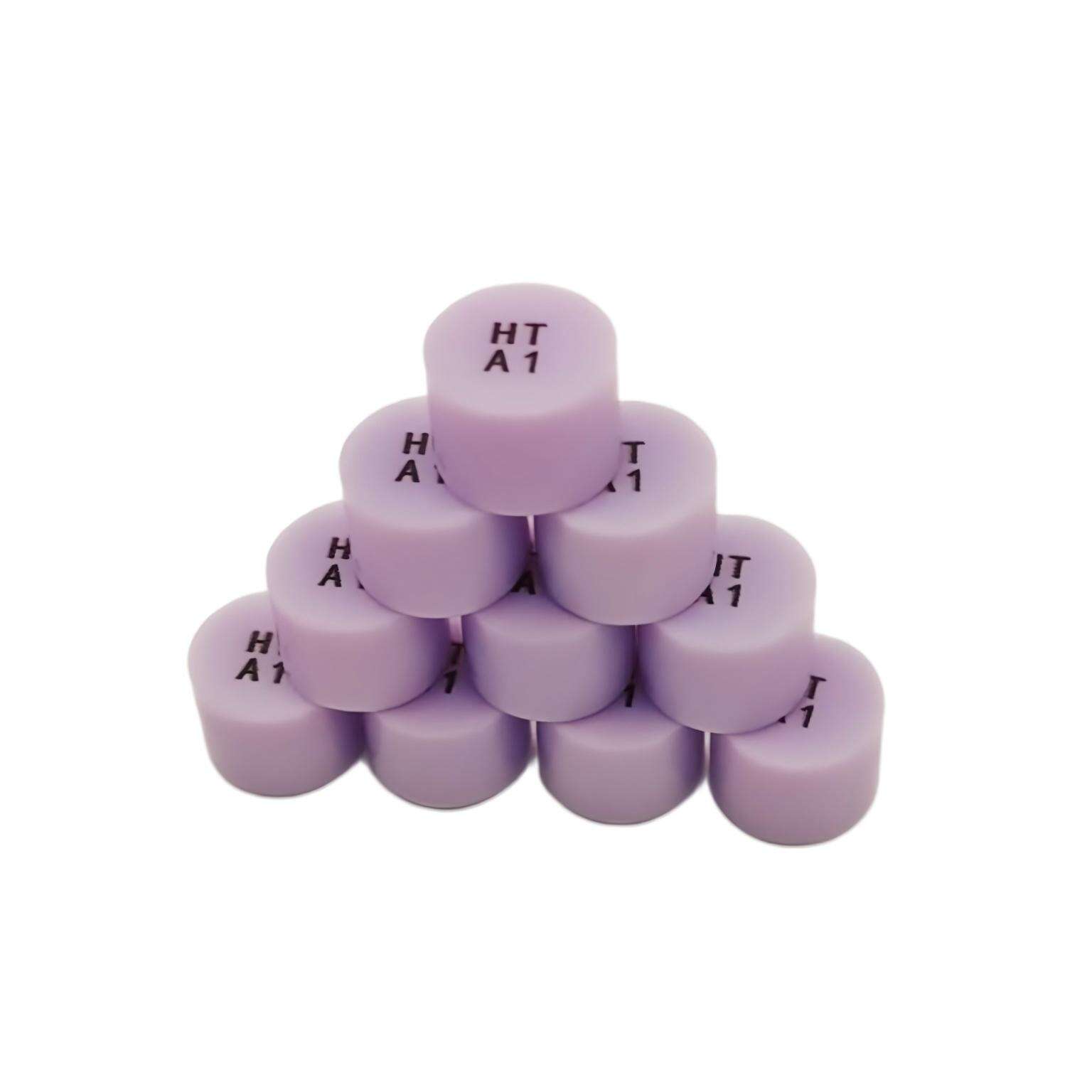
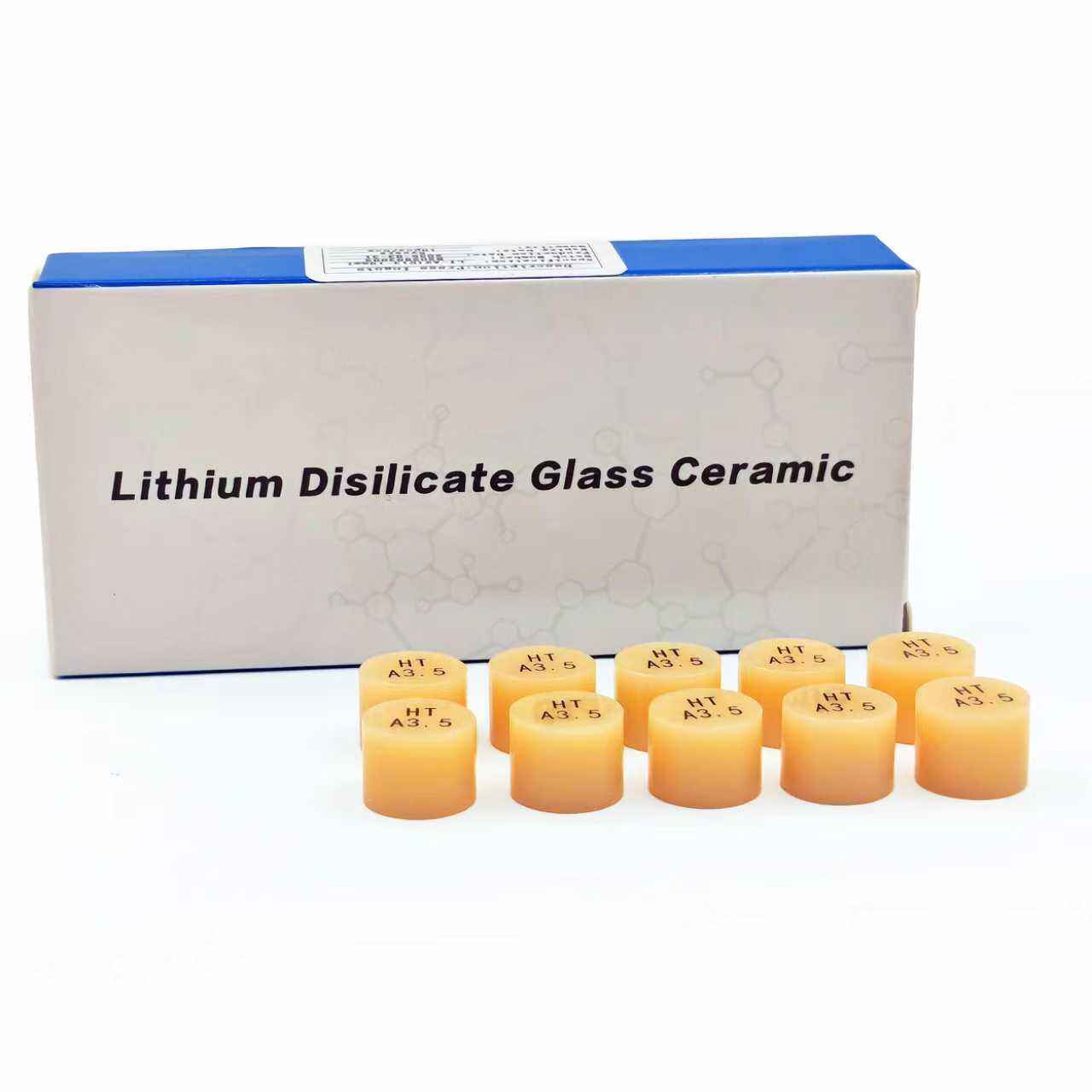
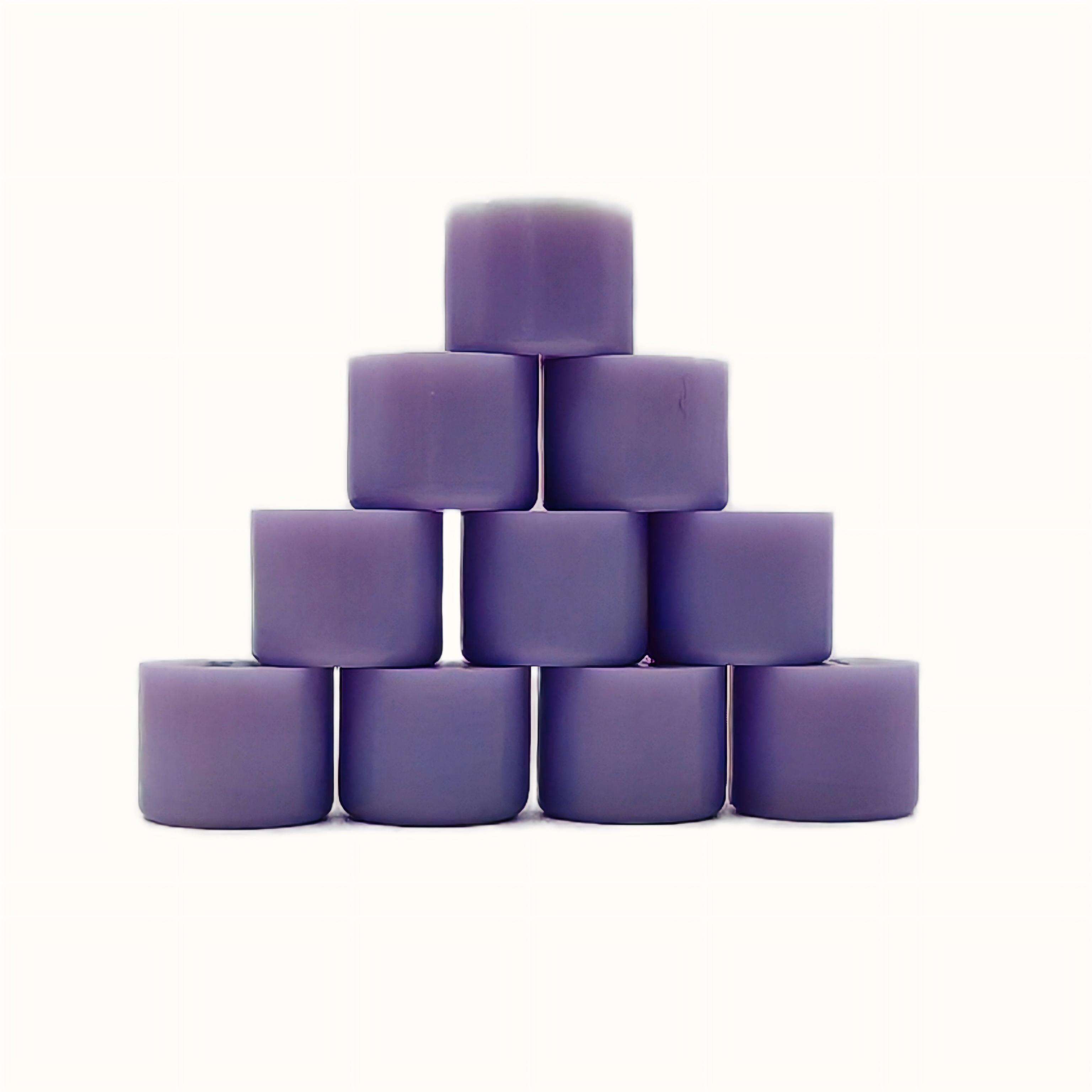
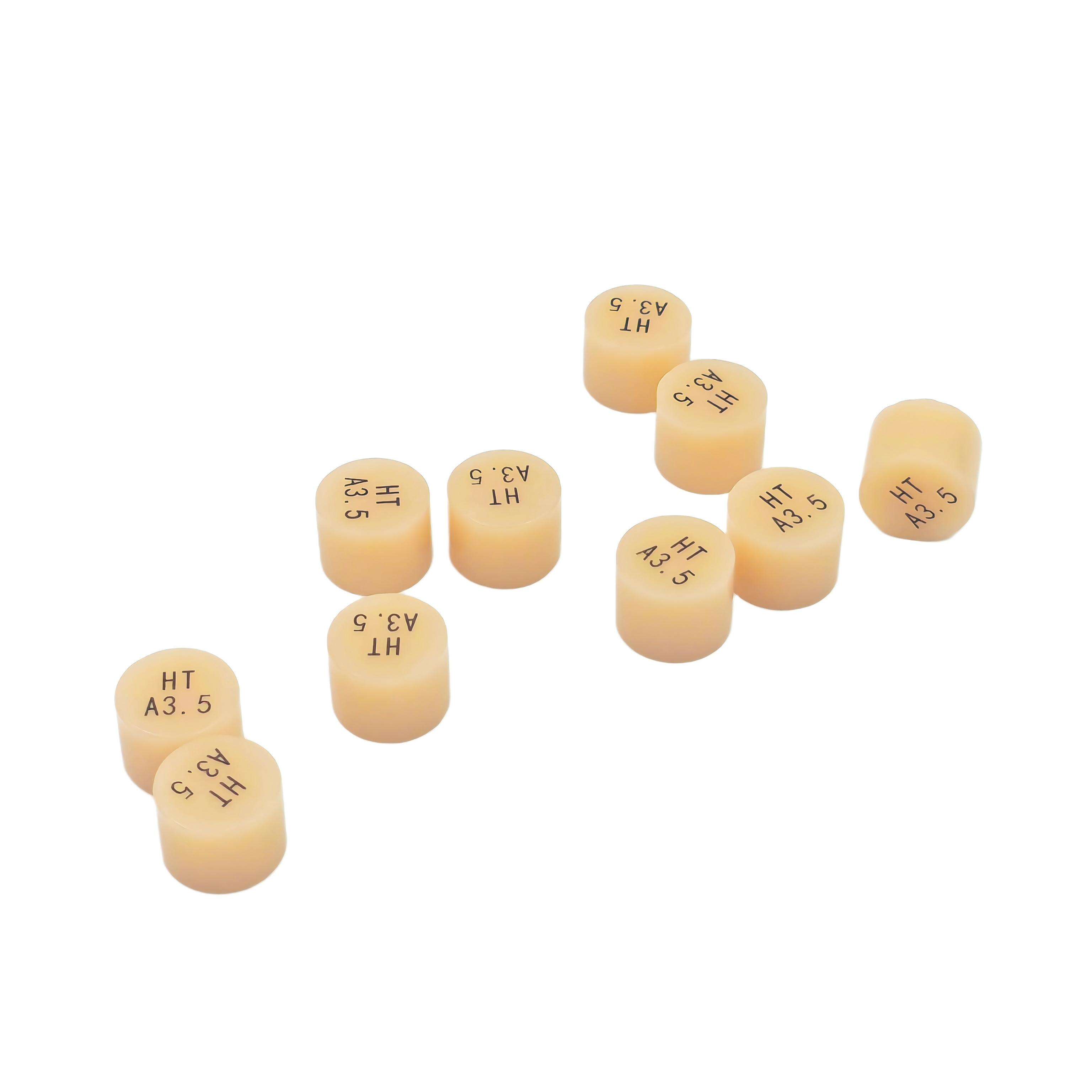
The glass ceramic press ingot represents a revolutionary advancement in modern materials science, serving as the foundational component for manufacturing high-performance optical and electronic devices. This specialized material combines the clarity of glass with the structural integrity of ceramics, creating a unique substrate that meets the demanding requirements of contemporary technology applications. The glass ceramic press ingot undergoes precise manufacturing processes that involve controlled crystallization and thermal treatment, resulting in a material that exhibits exceptional dimensional stability and superior optical properties. The primary function of the glass ceramic press ingot centers on providing a stable platform for semiconductor manufacturing, display technologies, and precision optical systems. Its manufacturing process involves carefully controlled heating and cooling cycles that transform amorphous glass into a partially crystallized structure, enhancing mechanical strength while maintaining optical transparency. The technological features of the glass ceramic press ingot include ultra-low thermal expansion coefficients, excellent chemical resistance, and remarkable surface smoothness that enables precision processing. These characteristics make the glass ceramic press ingot indispensable in applications requiring extreme precision and reliability. The material demonstrates superior performance in environments with fluctuating temperatures, maintaining its structural integrity across wide temperature ranges. Applications for the glass ceramic press ingot span multiple industries, including semiconductor fabrication, flat panel display manufacturing, solar panel production, and advanced optical systems. In semiconductor manufacturing, the glass ceramic press ingot serves as a substrate for photolithography processes, where its dimensional stability ensures accurate pattern transfer. The display industry utilizes glass ceramic press ingot technology for creating high-resolution screens that demand exceptional flatness and thermal stability. Solar energy applications benefit from the material's ability to withstand harsh environmental conditions while maintaining optical clarity for maximum energy conversion efficiency.
New Product Recommendations

The glass ceramic press ingot delivers numerous practical benefits that directly translate into improved performance and cost savings for manufacturers across various industries. The most significant advantage lies in its exceptional thermal stability, which eliminates warping and dimensional changes during high-temperature processing operations. This thermal stability reduces production waste and increases yield rates, directly impacting manufacturing profitability. Manufacturing facilities utilizing glass ceramic press ingot technology experience fewer process interruptions and require less frequent equipment recalibration, streamlining production workflows and reducing operational costs. The material's inherent chemical resistance protects against corrosive processing environments, extending equipment lifespan and reducing maintenance requirements. This chemical durability ensures consistent performance throughout extended production runs, maintaining product quality standards while minimizing downtime for cleaning and replacement procedures. The superior surface quality of the glass ceramic press ingot eliminates the need for additional polishing steps in many applications, reducing processing time and associated labor costs. This smooth surface finish translates directly into improved final product quality, enhancing customer satisfaction and reducing warranty claims. The material's excellent optical properties enable manufacturers to achieve higher precision in photolithographic processes, resulting in smaller feature sizes and improved device performance. These enhanced capabilities allow companies to remain competitive in markets demanding increasingly sophisticated products. The mechanical strength of the glass ceramic press ingot provides superior handling characteristics during manufacturing processes, reducing breakage rates and associated material losses. This durability factor becomes particularly important in automated production environments where materials undergo repeated handling and positioning operations. The consistent quality of glass ceramic press ingot materials enables manufacturers to implement tighter process controls and achieve more predictable outcomes. This consistency reduces the need for extensive quality testing and inspection procedures, streamlining production workflows and reducing associated costs. Additionally, the material's compatibility with existing manufacturing equipment minimizes the need for costly facility modifications or specialized handling systems, enabling smooth integration into established production lines.

Practical Tips

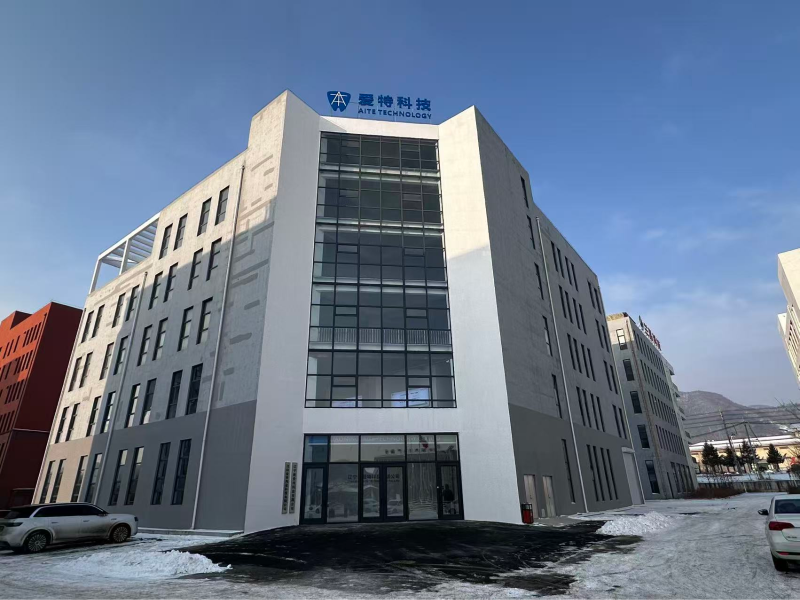
The establishment of the new plant

04

Feb

The establishment of the new plant

View More
Exhibition in Dubai

04

Feb

Exhibition in Dubai

View More
Brazil Exhibition

04

Feb

Brazil Exhibition

View More

Get a Free Quote

Our representative will contact you soon.
Email
Name
Company Name
Message
0/1000

glass ceramic press ingot

Exceptional Dimensional Stability Under Extreme Conditions

Exceptional Dimensional Stability Under Extreme Conditions

The glass ceramic press ingot demonstrates unparalleled dimensional stability across extreme temperature variations, making it the preferred choice for applications requiring absolute precision and reliability. This remarkable characteristic stems from the material's unique microstructure, which combines the benefits of both glassy and crystalline phases in a carefully controlled matrix. The controlled crystallization process during manufacturing creates a network of interlocking crystals that resist thermal expansion and contraction, maintaining precise dimensions even when subjected to rapid temperature changes. This dimensional stability proves critical in semiconductor manufacturing processes, where even microscopic variations can result in defective products and significant financial losses. The glass ceramic press ingot maintains its shape and size within tolerances measured in fractions of micrometers, ensuring that photolithographic patterns remain accurate throughout multiple thermal cycles. Manufacturing facilities benefit from reduced scrap rates and improved process yields when utilizing glass ceramic press ingot substrates, as the material's stability eliminates variables that commonly cause production failures. The economic impact of this dimensional stability extends beyond immediate manufacturing benefits, as products created using glass ceramic press ingot technology demonstrate superior long-term reliability and performance consistency. End users experience fewer failures and longer service lives from devices manufactured on glass ceramic press ingot substrates, enhancing brand reputation and customer satisfaction. The material's ability to maintain precision under stress makes it invaluable for applications in harsh environments, including aerospace systems, automotive electronics, and industrial control systems. Research and development teams particularly value the glass ceramic press ingot for prototype development and testing applications, where consistent material properties enable accurate evaluation of new designs and processes. The predictable behavior of glass ceramic press ingot materials allows engineers to develop more sophisticated products with confidence in their performance characteristics, accelerating innovation cycles and reducing development costs.
Superior Chemical Resistance and Durability

Superior Chemical Resistance and Durability

The glass ceramic press ingot exhibits exceptional chemical resistance that surpasses conventional glass materials, providing long-lasting performance in aggressive chemical environments commonly encountered in modern manufacturing processes. This superior chemical durability results from the material's unique composition and crystalline structure, which creates a robust barrier against corrosive agents including acids, bases, and organic solvents. Manufacturing facilities processing glass ceramic press ingot materials experience significantly reduced contamination issues, as the material does not react with or absorb chemicals used in cleaning and etching processes. This chemical inertness ensures that surface properties remain consistent throughout production cycles, maintaining the high-quality finishes required for precision applications. The glass ceramic press ingot resists degradation from exposure to harsh cleaning agents and processing chemicals, eliminating the need for frequent substrate replacement and reducing operational costs. This durability factor becomes particularly important in high-volume manufacturing environments where substrates undergo repeated chemical exposures during multi-step processes. Quality control departments benefit from the consistent performance of glass ceramic press ingot materials, as chemical resistance eliminates variations in material properties that could affect final product specifications. The material's resistance to chemical attack preserves surface smoothness and optical clarity over extended periods, ensuring that products maintain their performance characteristics throughout their operational lives. Environmental benefits emerge from the glass ceramic press ingot's durability, as longer material lifespans reduce waste generation and resource consumption in manufacturing operations. Companies utilizing glass ceramic press ingot technology often achieve environmental certification more easily due to reduced material turnover and waste disposal requirements. The superior chemical resistance also enables manufacturers to explore more aggressive processing techniques that might damage conventional substrates, opening opportunities for improved product performance and new application development. Research laboratories particularly value the glass ceramic press ingot's chemical stability for experimental work, where consistent material properties enable accurate data collection and reproducible results across multiple test conditions.
Advanced Manufacturing Compatibility and Process Integration

Advanced Manufacturing Compatibility and Process Integration

The glass ceramic press ingot demonstrates exceptional compatibility with existing manufacturing equipment and processes, enabling seamless integration into established production lines without requiring significant infrastructure modifications or specialized handling systems. This compatibility advantage stems from the material's carefully engineered physical properties, which match or exceed the performance characteristics of traditional substrates while maintaining familiar handling requirements. Manufacturing engineers appreciate the glass ceramic press ingot's ability to work with standard processing equipment, including existing thermal processing systems, cleaning stations, and automated handling mechanisms. This compatibility eliminates the need for costly equipment upgrades or specialized training programs, allowing companies to implement glass ceramic press ingot technology quickly and cost-effectively. The material's consistent thickness and flatness specifications align with industry standards, ensuring proper fit and function in precision manufacturing tools and fixtures. Production managers benefit from the glass ceramic press ingot's predictable processing behavior, which enables accurate scheduling and resource planning without concerns about unexpected material-related delays or complications. The substrate's excellent adhesion properties work effectively with standard bonding agents and attachment methods, maintaining compatibility with established assembly processes and quality control procedures. Clean room environments particularly benefit from the glass ceramic press ingot's low particle generation characteristics, which help maintain contamination control standards without requiring additional filtration or cleaning protocols. The material's thermal processing compatibility allows manufacturers to use existing furnace systems and temperature control equipment, avoiding the capital expenses associated with specialized processing infrastructure. Automation systems integrate smoothly with glass ceramic press ingot handling requirements, as the material's mechanical properties and dimensional consistency work well with robotic handling systems and precision positioning equipment. Supply chain managers appreciate the glass ceramic press ingot's standard packaging and shipping characteristics, which align with existing logistics systems and storage requirements. The material's stability during transport and storage eliminates special handling requirements that might complicate inventory management or increase shipping costs. Quality assurance teams find that glass ceramic press ingot materials work effectively with standard inspection and testing equipment, maintaining compatibility with established measurement protocols and certification procedures.

Get a Free Quote

Our representative will contact you soon.
Email
Name
Company Name
Message
0/1000