Premium Dental Pressing Ingot for Crowns - Superior Strength & Natural Aesthetics

All Categories

Get a Free Quote

Our representative will contact you soon.
Email
Name
Company Name
Message
0/1000

dental pressing ingot for crowns

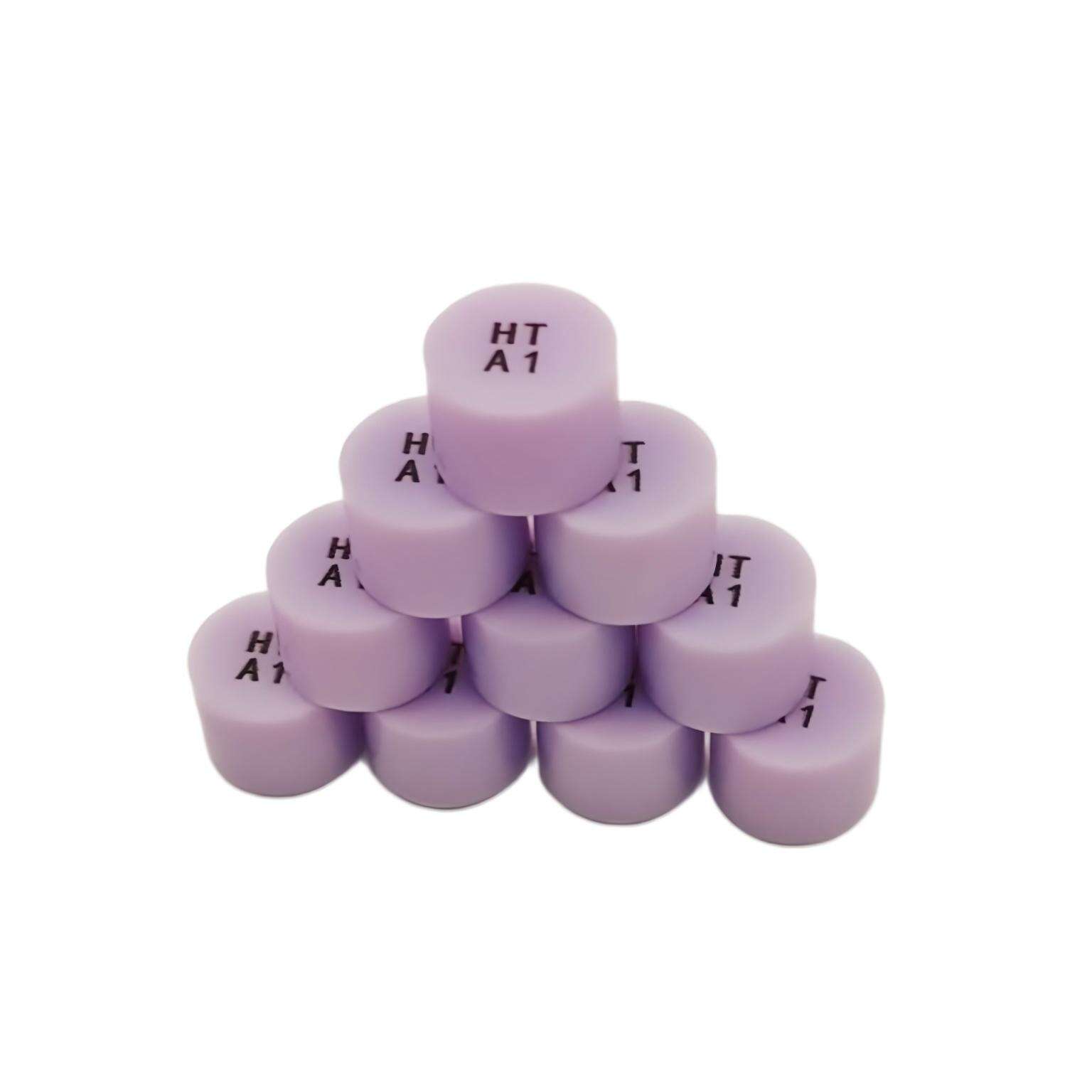
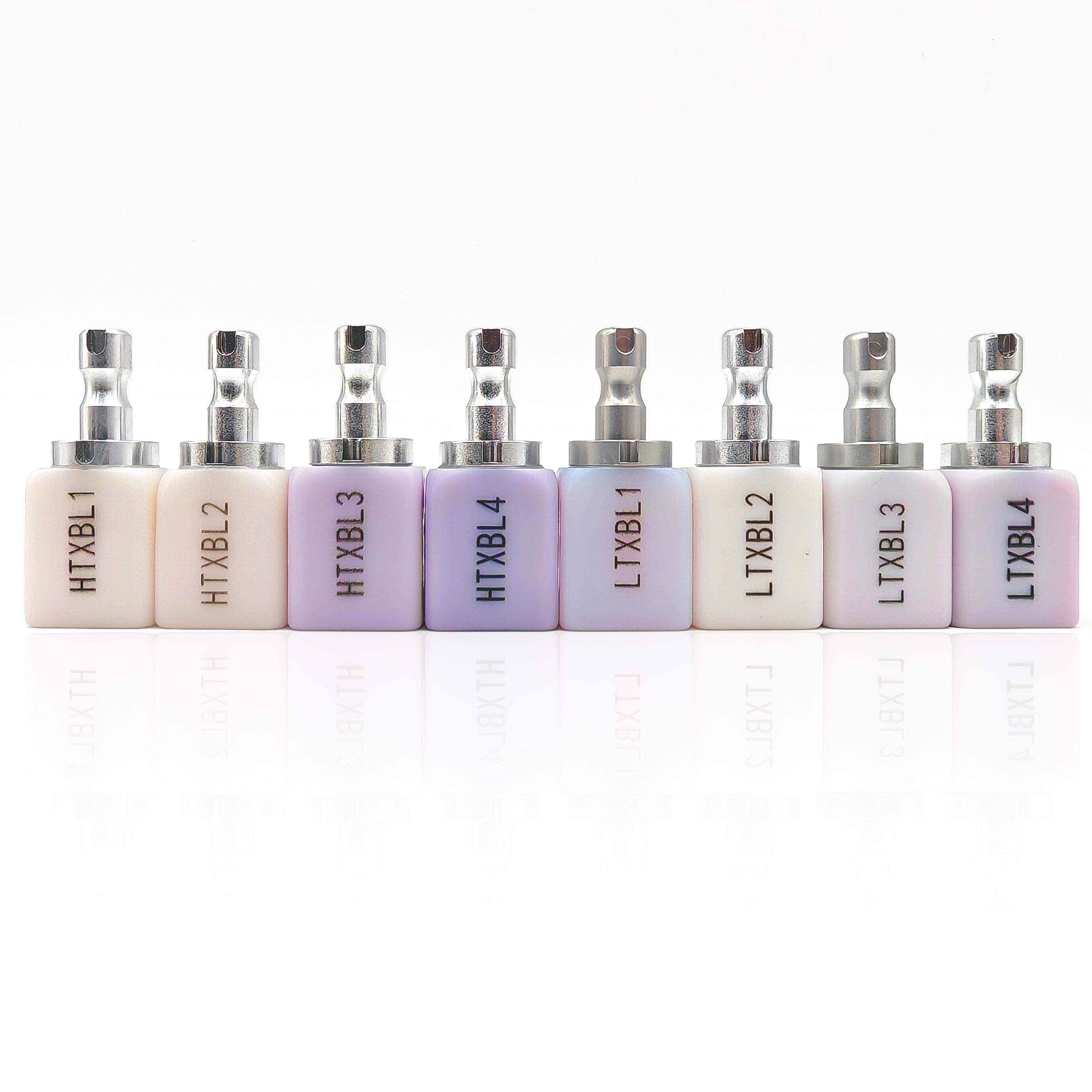
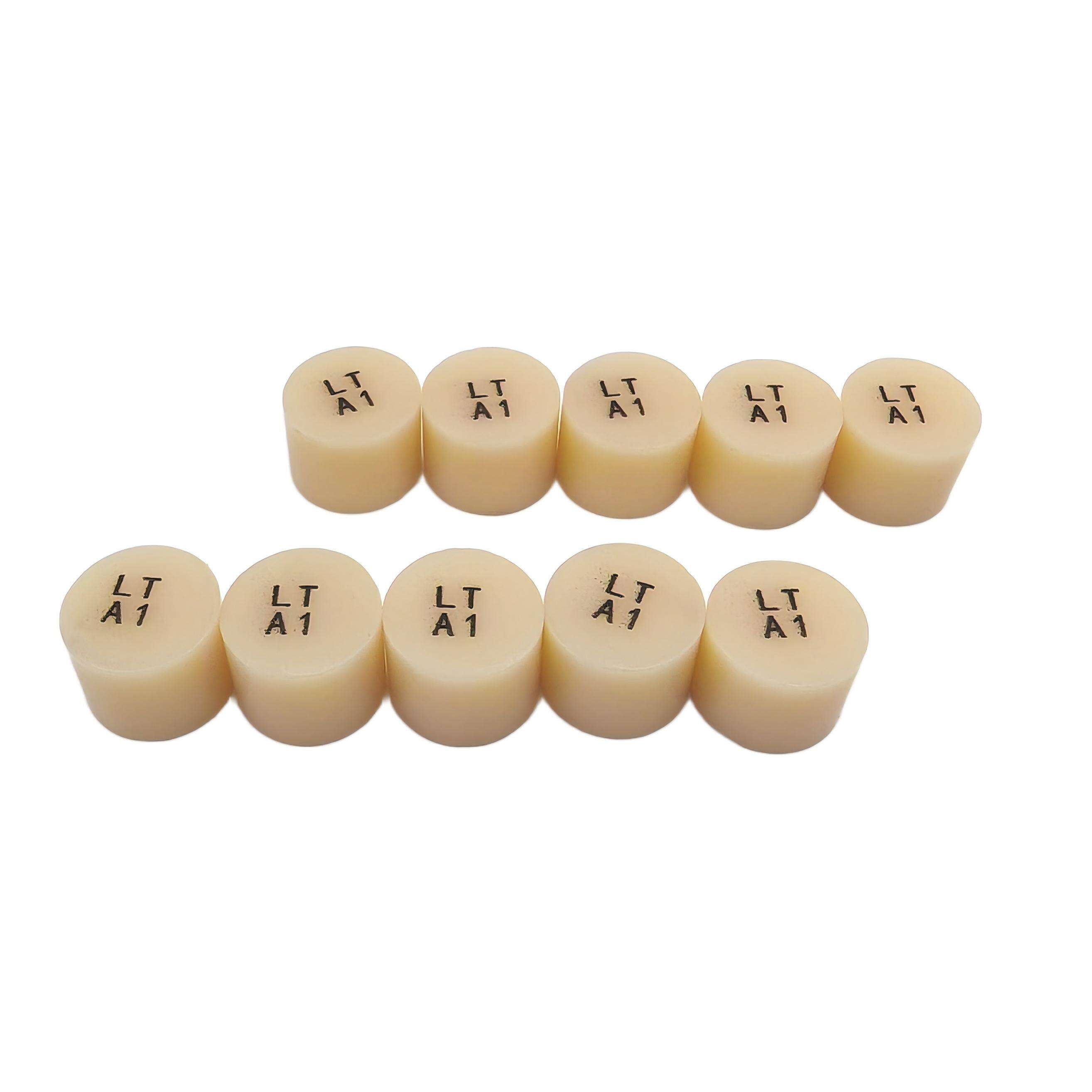
The dental pressing ingot for crowns represents a revolutionary advancement in modern restorative dentistry, serving as a fundamental component in the fabrication of high-quality ceramic and glass-ceramic dental prosthetics. This specialized material forms the cornerstone of the heat-press technique, enabling dental laboratories and practitioners to create durable, aesthetically pleasing crowns that closely mimic natural tooth structure. The dental pressing ingot for crowns functions as a pre-manufactured ceramic block that undergoes controlled heating and pressing processes to achieve optimal material properties and precise fit. These ingots are specifically engineered to provide consistent results while maintaining excellent biocompatibility and long-term stability within the oral environment. The technological features of the dental pressing ingot for crowns include superior strength characteristics, exceptional translucency control, and predictable processing behavior. Modern formulations incorporate advanced glass-ceramic compositions that deliver enhanced fracture resistance while preserving natural-looking optical properties. The ingots are manufactured using precise quality control standards that ensure batch-to-batch consistency, allowing dental professionals to achieve reliable outcomes across multiple restorations. The pressing process involves heating the dental pressing ingot for crowns to specific temperatures while applying controlled pressure to shape the material into the desired crown form. This technique eliminates many variables associated with traditional layering methods, resulting in more uniform material distribution and reduced processing time. Applications of the dental pressing ingot for crowns span various clinical scenarios, including single crown restorations, multiple unit prosthetics, and complex aesthetic cases requiring superior color matching. The versatility of these materials makes them suitable for both anterior and posterior applications, accommodating different functional and aesthetic requirements. Dental laboratories utilize the dental pressing ingot for crowns to streamline their workflow while maintaining high standards of precision and quality. The standardized nature of these materials reduces the learning curve for technicians and minimizes the risk of processing errors that could compromise restoration quality.
New Product Recommendations

The dental pressing ingot for crowns delivers exceptional advantages that transform the restoration process for both dental professionals and patients. These benefits extend beyond basic functionality to encompass improved efficiency, enhanced aesthetics, and superior long-term performance. The primary advantage of using dental pressing ingot for crowns lies in the remarkable consistency of results achieved through standardized processing protocols. Unlike traditional hand-layering techniques that rely heavily on technician skill and experience, the pressing method ensures uniform material distribution and predictable outcomes across all restorations. This consistency translates directly into reduced remake rates and increased patient satisfaction. The efficiency gains from implementing dental pressing ingot for crowns significantly impact laboratory productivity and turnaround times. The streamlined workflow eliminates multiple firing cycles typically required for layered restorations, reducing production time by up to 40 percent. This efficiency allows laboratories to handle higher case volumes while maintaining quality standards and meeting tight deadlines. The cost-effectiveness of dental pressing ingot for crowns becomes evident through reduced labor requirements and minimized material waste. The precise nature of the pressing process eliminates the guesswork associated with traditional techniques, resulting in fewer adjustments and remakes. Additionally, the standardized material quantities reduce inventory complexity and storage requirements. Superior aesthetic outcomes represent another compelling advantage of dental pressing ingot for crowns. The controlled pressing environment ensures optimal material properties throughout the entire restoration, eliminating common issues such as porosity, color inconsistencies, and structural weaknesses. The inherent translucency and color stability of modern pressing materials closely replicate natural tooth characteristics, enabling seamless integration with existing dentition. Durability advantages of dental pressing ingot for crowns stem from the homogeneous microstructure achieved during the pressing process. This uniform density eliminates weak points that could lead to premature failure, resulting in restorations that withstand normal masticatory forces for extended periods. Clinical studies demonstrate superior longevity compared to conventionally processed alternatives. The biocompatibility profile of dental pressing ingot for crowns ensures safe long-term placement in the oral environment. These materials undergo rigorous testing to confirm their biological safety and chemical stability when exposed to oral fluids and temperature variations. The reduced surface porosity achieved through pressing minimizes bacterial adhesion and facilitates effective oral hygiene maintenance.

Practical Tips

The establishment of the new plant

04

Feb

The establishment of the new plant

View More
Exhibition in Dubai

04

Feb

Exhibition in Dubai

View More
Brazil Exhibition

04

Feb

Brazil Exhibition

View More

Get a Free Quote

Our representative will contact you soon.
Email
Name
Company Name
Message
0/1000

dental pressing ingot for crowns

Superior Strength and Durability Performance

Superior Strength and Durability Performance

The dental pressing ingot for crowns delivers unprecedented strength characteristics that fundamentally redefine restoration longevity expectations in modern dentistry. Through advanced material science and controlled manufacturing processes, these ingots achieve flexural strength values exceeding 400 MPa, providing exceptional resistance to fracture under normal masticatory loads. The superior strength profile results from the unique microstructural properties developed during the pressing process, where controlled temperature and pressure conditions create an optimal crystalline matrix that eliminates internal stresses and potential failure points. This homogeneous structure ensures consistent performance throughout the entire restoration, preventing the localized weaknesses commonly associated with traditional layering techniques. The durability advantages of dental pressing ingot for crowns extend beyond initial placement to encompass long-term clinical performance under challenging oral conditions. Extensive clinical studies demonstrate survival rates exceeding 95 percent over ten-year periods, significantly outperforming conventional ceramic systems. The exceptional wear resistance properties ensure that restorations maintain their original form and function even after years of service, reducing the need for replacements and associated treatment costs. The fatigue resistance characteristics of dental pressing ingot for crowns enable these restorations to withstand millions of loading cycles without structural degradation. This remarkable endurance stems from the elimination of porosity and internal defects that typically serve as crack initiation sites in conventional ceramic materials. The pressed structure creates a dense, uniform matrix that distributes stress evenly throughout the restoration, preventing the development of critical flaws that could lead to catastrophic failure. Temperature stability represents another crucial aspect of the strength and durability profile of dental pressing ingot for crowns. These materials maintain their mechanical properties across the wide temperature range encountered in the oral cavity, from ice-cold beverages to hot foods and liquids. The thermal shock resistance prevents the development of internal stresses that could compromise restoration integrity over time.
Exceptional Aesthetic Integration and Natural Appearance

Exceptional Aesthetic Integration and Natural Appearance

The aesthetic capabilities of dental pressing ingot for crowns establish new benchmarks for natural-looking restorations that seamlessly integrate with surrounding dentition while maintaining superior optical properties throughout their service life. The advanced material composition incorporates sophisticated light-scattering particles and fluorescent components that precisely mimic the optical behavior of natural tooth enamel and dentin. This careful engineering ensures that restorations created from dental pressing ingot for crowns exhibit the subtle translucency gradients, opalescence effects, and color depth that characterize healthy natural teeth. The controlled pressing environment enables precise manipulation of optical properties, allowing dental technicians to achieve perfect color matches across a wide range of shade variations and intensity levels. The inherent color stability of dental pressing ingot for crowns prevents the gradual discoloration that commonly affects other restoration materials over time. This stability results from the chemically inert nature of the glass-ceramic matrix, which resists staining from coffee, tea, wine, and other chromogenic substances that typically cause aesthetic degradation. Patients can maintain confidence in their smile's appearance for many years without concerns about color shifts or surface staining that would compromise the restoration's natural appearance. The surface finish achievable with dental pressing ingot for crowns closely replicates the texture and smoothness of natural tooth enamel, creating restorations that feel natural to both the patient and examining dental professionals. The pressing process produces a smooth, dense surface that requires minimal finishing procedures while maintaining optimal light reflection properties. This superior surface quality not only enhances aesthetic appeal but also promotes better oral hygiene by reducing plaque accumulation and bacterial adhesion. The versatility of dental pressing ingot for crowns enables successful treatment of complex aesthetic challenges, including severe discoloration, structural defects, and spacing irregularities. The precise control over material properties allows technicians to create restorations that address both functional and cosmetic requirements simultaneously, delivering comprehensive solutions that restore both oral health and patient confidence.
Streamlined Processing and Clinical Efficiency

Streamlined Processing and Clinical Efficiency

The revolutionary processing efficiency of dental pressing ingot for crowns transforms laboratory workflows and clinical timelines, delivering significant time savings while maintaining the highest quality standards in restoration fabrication. The streamlined nature of the pressing technique eliminates many of the complex steps required in traditional ceramic layering processes, reducing total production time by up to 50 percent without compromising final restoration quality. This efficiency gain stems from the simplified workflow that requires fewer firing cycles, reduced handling steps, and minimized adjustment procedures. The standardized processing protocols for dental pressing ingot for crowns ensure consistent results regardless of technician experience level, significantly reducing the learning curve associated with advanced ceramic techniques. The predictable nature of the pressing process eliminates much of the guesswork and artistic interpretation required in conventional methods, making high-quality restorations accessible to laboratories of all sizes and experience levels. This democratization of advanced restoration technology enables more dental practices to offer superior ceramic restorations to their patients while maintaining competitive pricing structures. The reduced complexity of working with dental pressing ingot for crowns translates directly into lower training requirements and decreased skill-related variables that could affect restoration quality. Laboratory technicians can achieve proficiency more quickly, leading to improved productivity and reduced labor costs across the production cycle. The simplified quality control procedures enable faster inspection and approval processes, accelerating case completion and delivery schedules. Clinical efficiency benefits extend to the dental practice environment, where the superior fit accuracy of restorations created from dental pressing ingot for crowns reduces chair time required for adjustments and final placement procedures. The predictable marginal adaptation and contact relationships minimize the need for extensive occlusal adjustments, allowing dentists to complete restoration appointments more efficiently while ensuring optimal patient comfort. The reliability of the pressing process also reduces the frequency of remakes and adjustments, contributing to improved practice efficiency and patient satisfaction. The inventory management advantages of dental pressing ingot for crowns simplify laboratory operations by standardizing material requirements and reducing the number of different products needed to cover a full range of clinical applications.

Get a Free Quote

Our representative will contact you soon.
Email
Name
Company Name
Message
0/1000