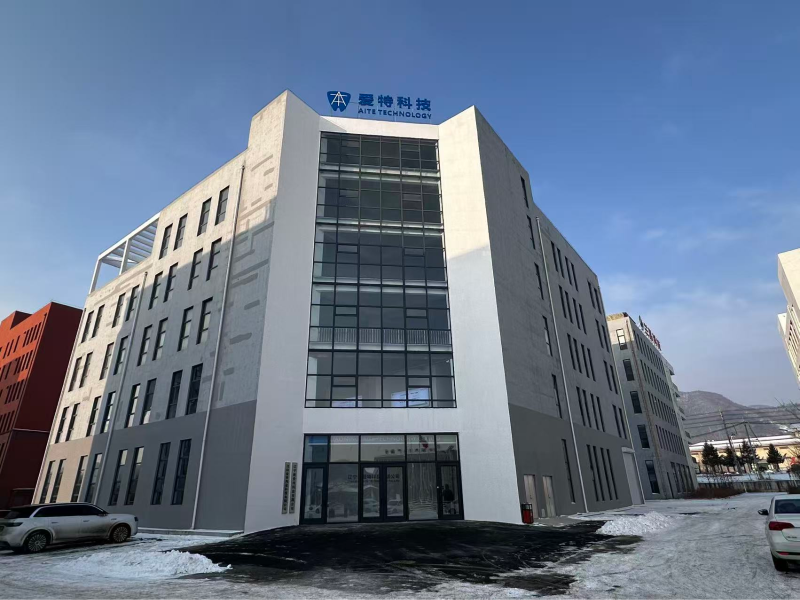
zirconia dental material
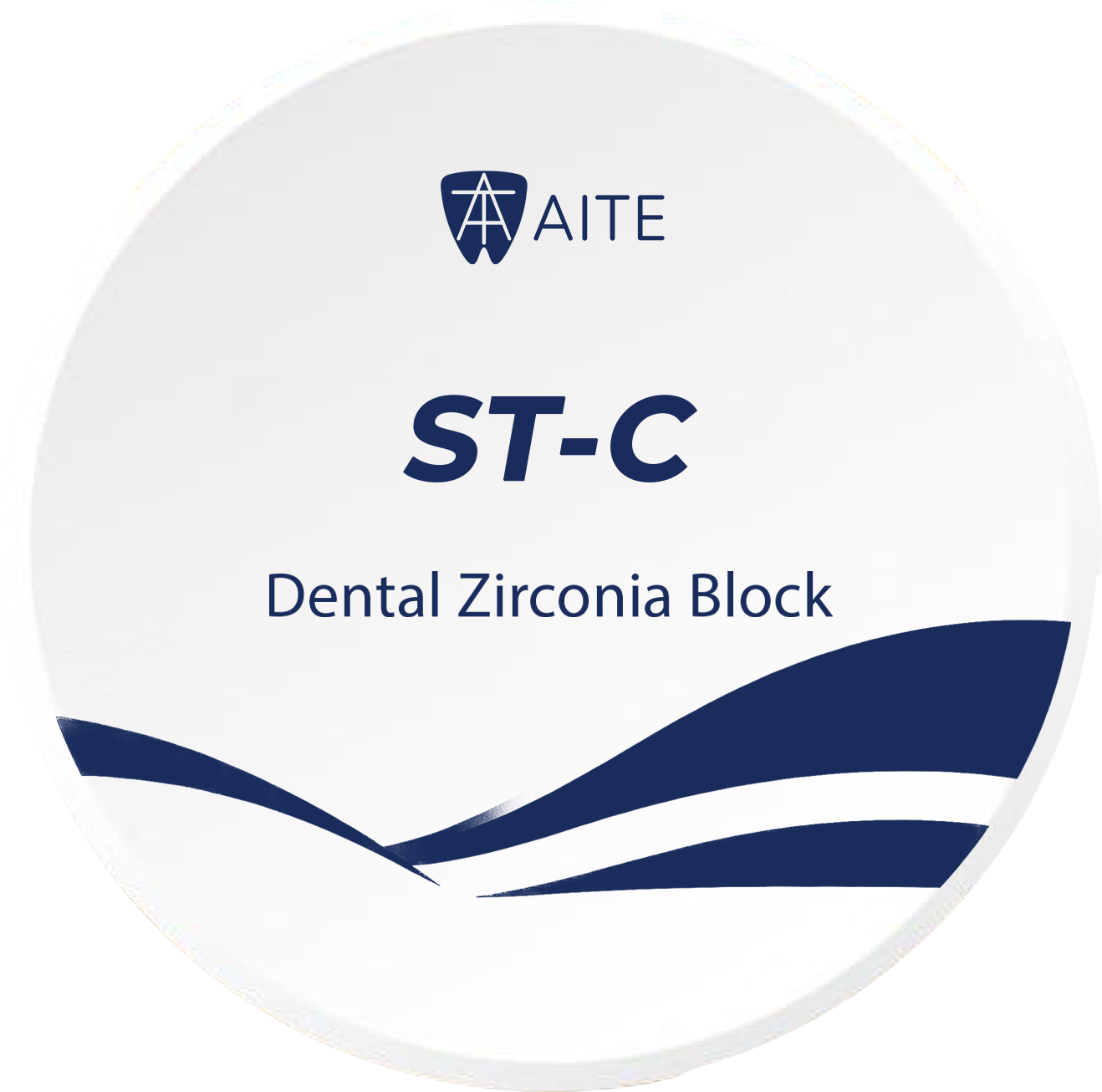
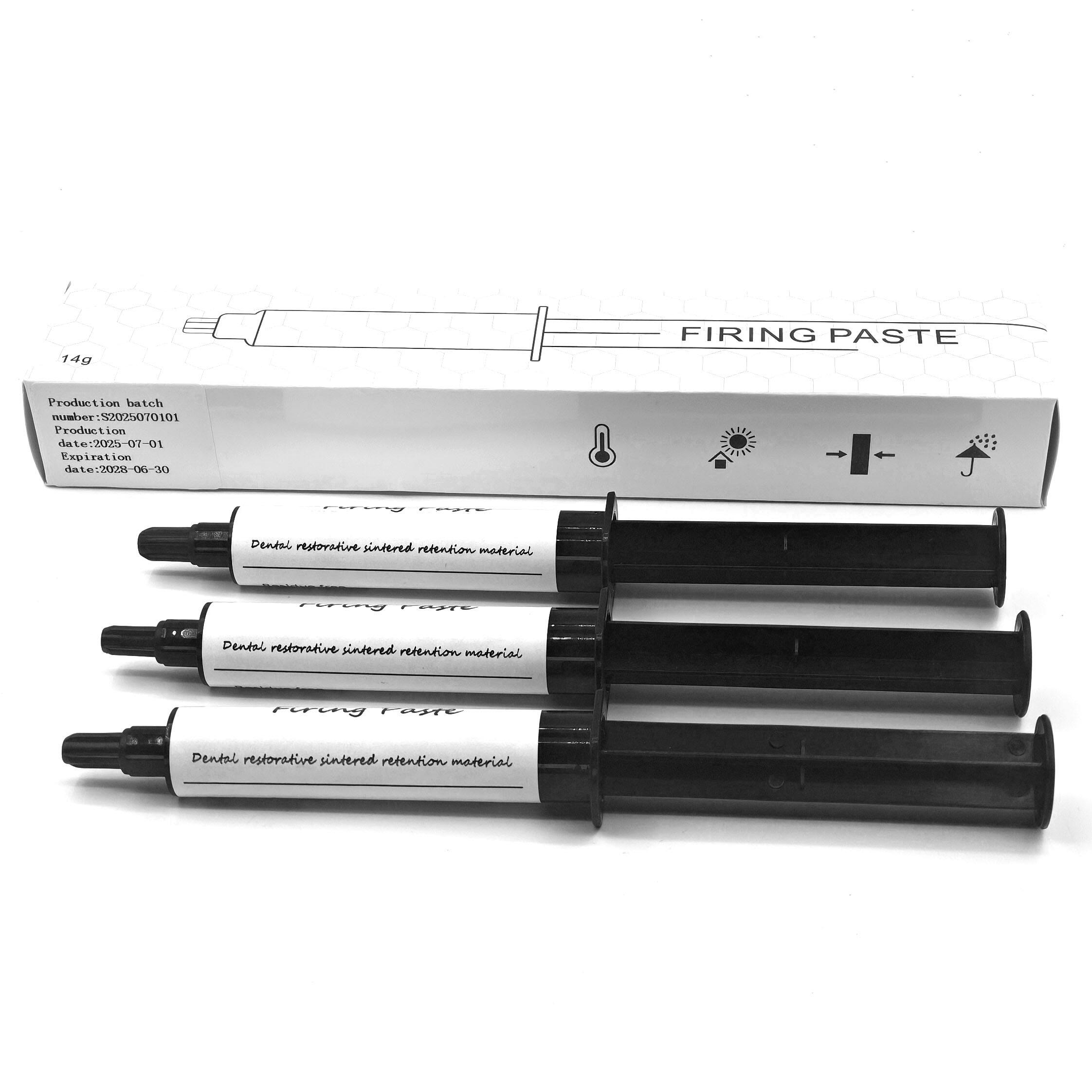
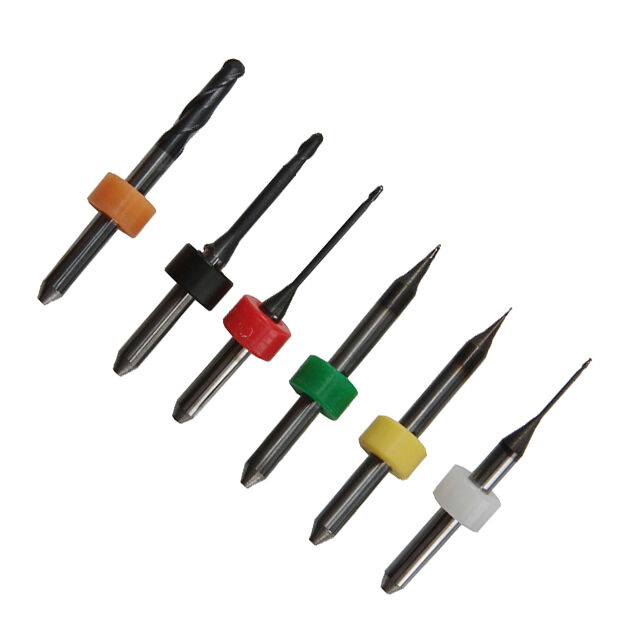
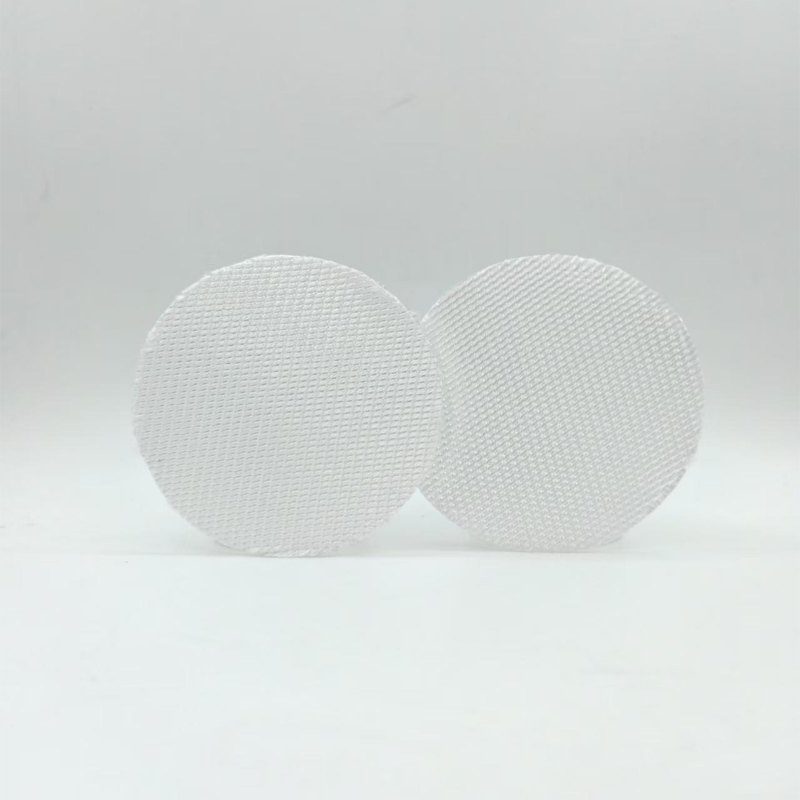
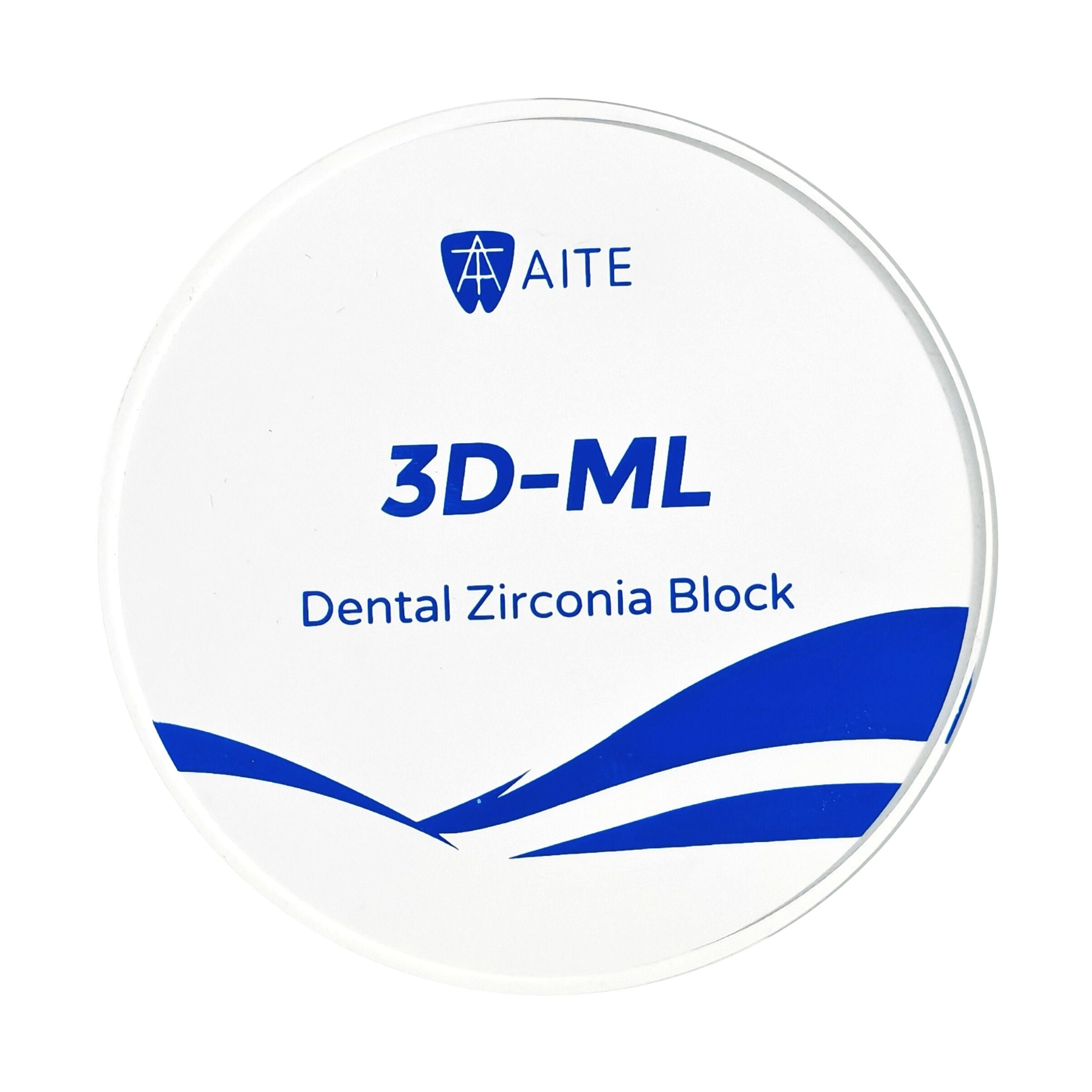
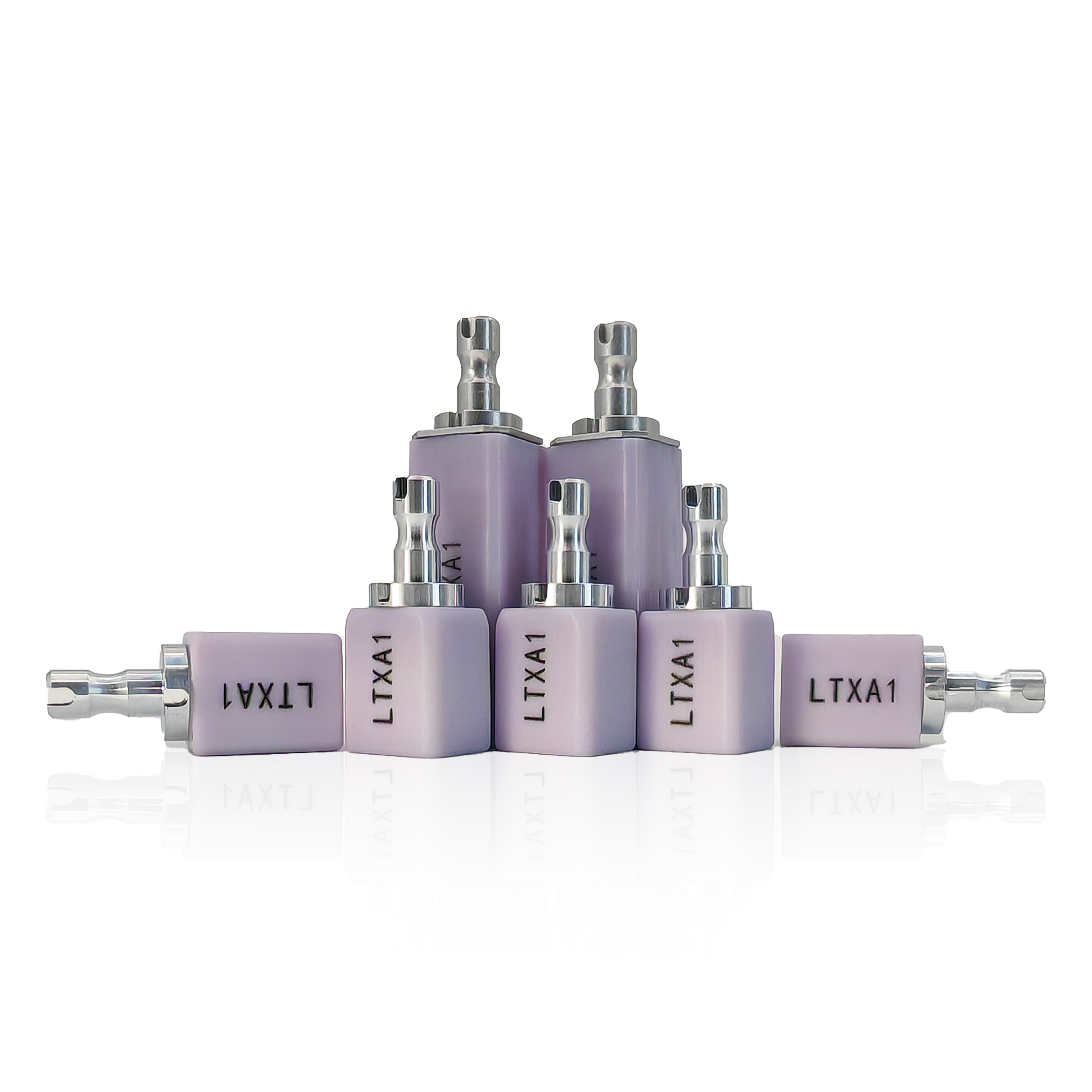
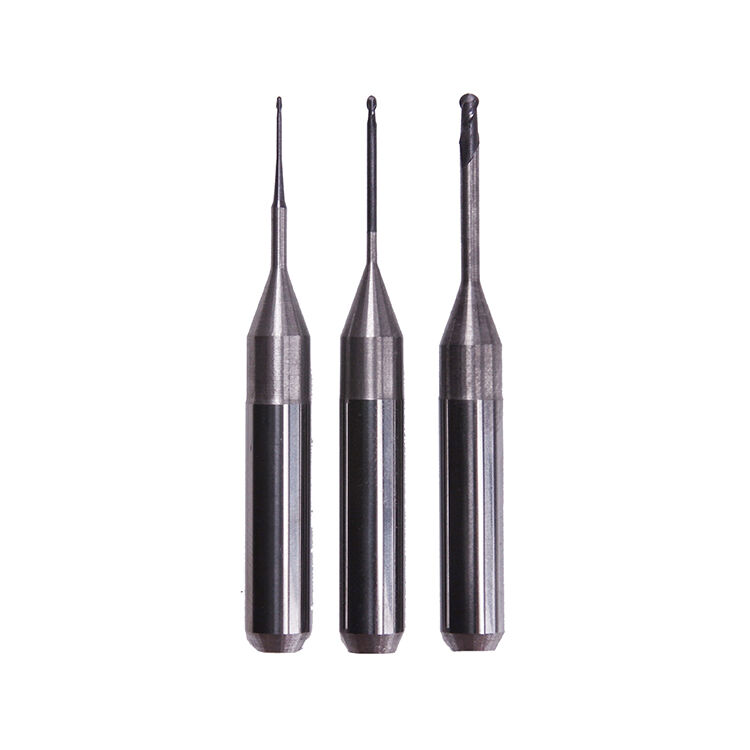
Zirconia dental material represents a revolutionary advancement in modern dentistry, offering exceptional biocompatibility and aesthetic appeal for various dental restorations. This high-performance ceramic material consists of zirconium dioxide, which undergoes specialized processing to create an incredibly durable and versatile dental solution. The zirconia dental material exhibits remarkable strength characteristics, with flexural strength exceeding 900 MPa, making it significantly stronger than traditional porcelain alternatives. This exceptional strength allows dental professionals to create thin yet robust restorations that maintain structural integrity under normal chewing forces. The material's unique crystalline structure provides outstanding fracture toughness, ensuring long-lasting performance in demanding oral environments. Technological features of zirconia dental material include computer-aided design and manufacturing capabilities, enabling precise fabrication of crowns, bridges, and implant components. The material's excellent machinability allows for accurate milling processes that produce perfectly fitted restorations with minimal adjustments required during placement procedures. Advanced sintering technologies enhance the material's density and mechanical properties, resulting in restorations that resist wear and maintain their appearance over extended periods. Applications of zirconia dental material span across multiple dental specialties, including restorative dentistry, prosthodontics, and implantology. Dental professionals utilize this material for single crowns, multi-unit bridges, implant abutments, and full-arch restorations. The material's versatility extends to both anterior and posterior applications, providing clinicians with comprehensive treatment options for diverse patient needs. Its biocompatible nature ensures excellent tissue response, promoting healthy gingival conditions around zirconia restorations. The material's thermal properties closely match natural tooth structure, reducing thermal sensitivity and enhancing patient comfort during temperature changes in the oral cavity.

 EN
EN