
 EN
EN
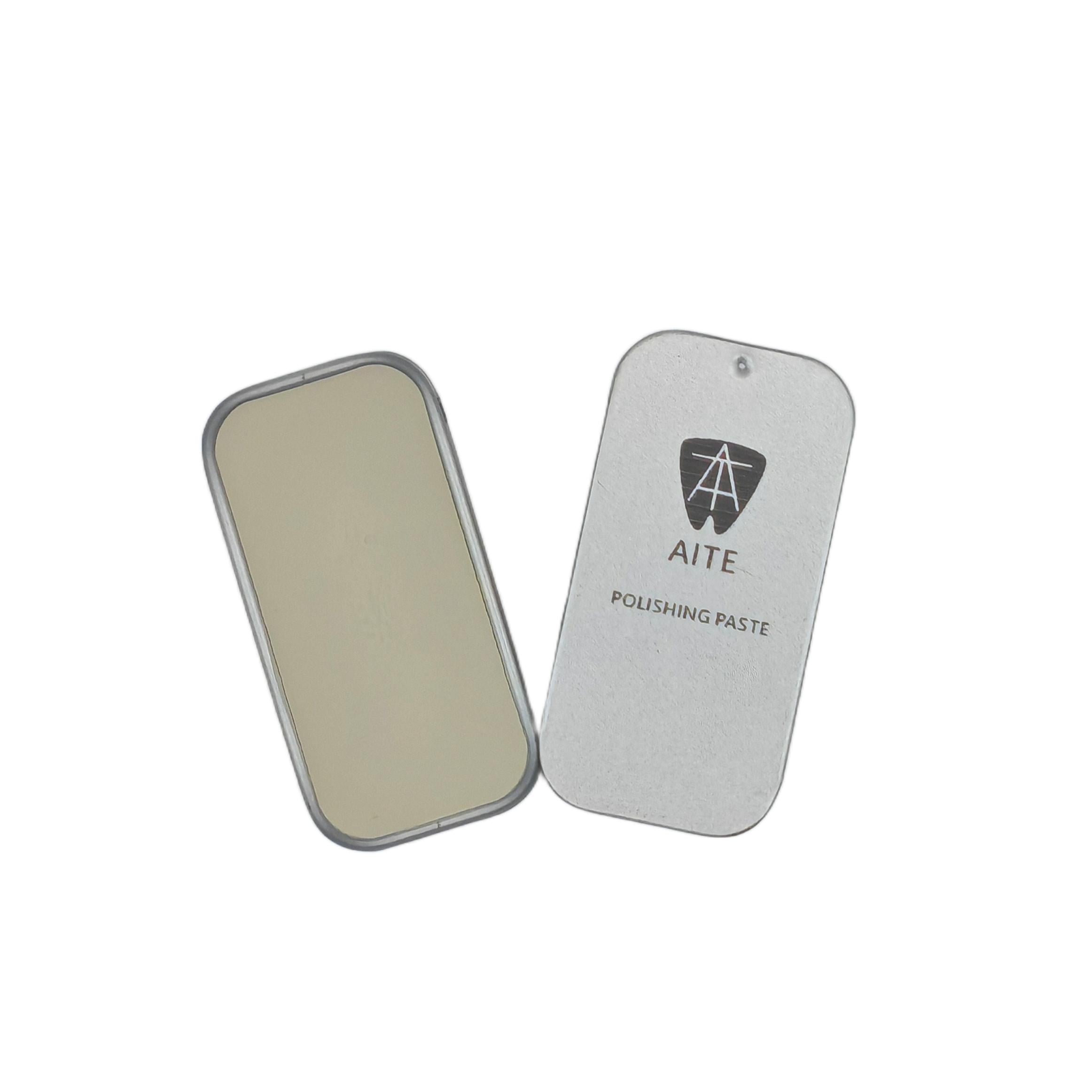
Sourcing the right dental laboratory consumables is critical for any dental laboratory operation seeking to maintain quality, control costs, and ensure consistent output. Whether you manage a small boutique lab or a large-scale production facility, understanding the landscape of dental laboratory consumables directly impacts your profitability, turnaround times, and customer satisfaction. The process of procuring dental laboratory consumables involves more than simply ordering materials; it requires strategic evaluation of suppliers, quality certifications, material specifications, and long-term value propositions that extend far beyond unit price.
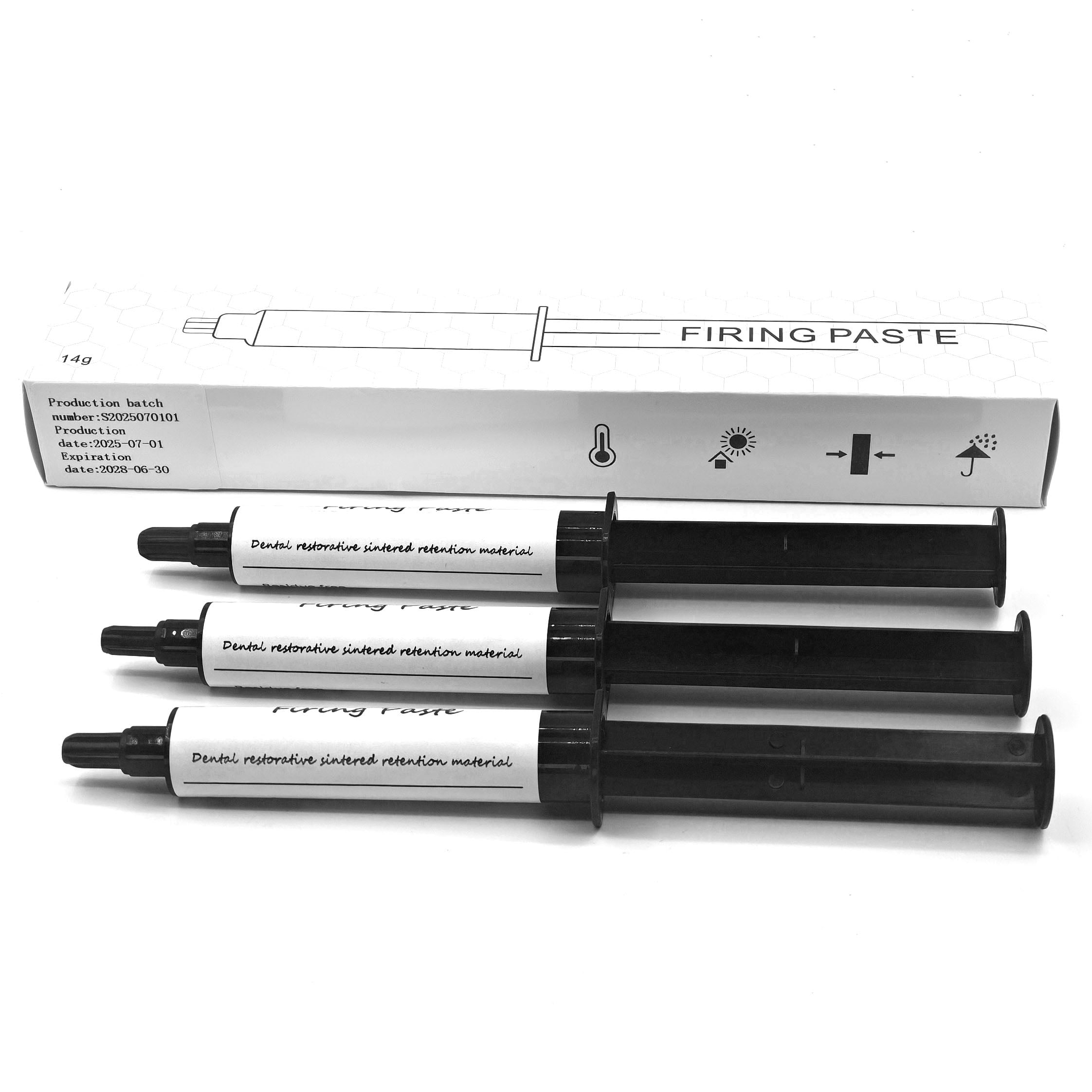
The procurement landscape for dental laboratory consumables has evolved significantly over the past decade. Digital workflows, material science advances, and international supply chain complexity now require lab managers to adopt a more sophisticated procurement strategy. This guide walks you through the essential components of sourcing dental laboratory consumables, from defining material requirements to evaluating supplier relationships and optimizing your inventory management.
Understanding Core Dental Laboratory Consumables Categories
Essential Material Classifications
Effective procurement of dental laboratory consumables begins with understanding the primary categories. Dental laboratory consumables span resins, ceramics, bonding agents, polishing compounds, investment materials, and precision instruments used in crowns, bridges, dentures, and implant work. Each category of dental laboratory consumables carries distinct quality specifications, shelf-life considerations, and regulatory compliance requirements. Resins used in denture bases and removable appliances must meet biocompatibility standards, while ceramics for veneers require color stability and firing consistency. Understanding how different types of dental laboratory consumables contribute to your specific workflow helps prioritize procurement decisions and reduces waste from expired or unsuitable stock.
Quality Standards and Certifications
When evaluating dental laboratory consumables, prioritize suppliers whose materials carry ISO 13623 and ISO 9001 certifications. These certifications indicate that dental laboratory consumables meet international biocompatibility, dimensional accuracy, and manufacturing consistency standards. Certified dental laboratory consumables reduce the risk of material failure mid-production, which can delay customer delivery and damage your lab's reputation. Many laboratories overlook certification details during procurement, viewing it as a compliance checkbox rather than a quality assurance mechanism. In reality, certified dental laboratory consumables often provide measurable advantages in color match consistency, marginal fit precision, and material longevity that justify their specification cost.
Evaluating Suppliers for Dental Laboratory Consumables
Supplier Assessment Criteria
Selecting the right supplier is the cornerstone of successful dental laboratory consumables procurement. Beyond price comparison, assess supplier stability by reviewing their manufacturing history, production capacity, and financial standing. Leading suppliers of dental laboratory consumables maintain transparent technical documentation, batch traceability records, and quality assurance protocols that you can audit. Request sample batches before committing to large orders of dental laboratory consumables. Test these samples against your standard production protocols to confirm that the supplier's dental laboratory consumables perform consistently with your existing workflows. Supplier reliability directly affects your procurement efficiency; unreliable sources of dental laboratory consumables force you into emergency ordering at premium pricing and disrupt production schedules.
Building Strategic Partnerships
The most effective procurement strategies for dental laboratory consumables involve building long-term supplier relationships rather than chasing the lowest bid on each order. Partners who understand your laboratory's specific needs can provide customized dental laboratory consumables specifications, preferential pricing for volume commitments, and advance notice of supply disruptions. When evaluating potential suppliers, inquire about their support for research and product development; leading dental laboratory consumables suppliers often collaborate with labs to test new materials before market release. This partnership approach to dental laboratory consumables procurement reduces risk, improves material consistency, and often yields better pricing through volume incentives and loyalty programs.
Optimizing Procurement Logistics and Inventory Management
Demand Planning and Stock Optimization
Effective procurement of dental laboratory consumables requires disciplined demand forecasting to balance inventory holding costs against stockout risks. Analyze your production data to establish reorder points for each category of dental laboratory consumables. High-volume consumables like polishing compounds and bonding agents warrant larger safety stocks, while specialized dental laboratory consumables used in limited applications may be ordered on a per-project basis. Many laboratories improve their dental laboratory consumables procurement efficiency by implementing just-in-time ordering systems that align material arrivals with production schedules. This approach minimizes storage space, reduces material degradation from prolonged storage, and improves cash flow by delaying payment until materials are actually needed.
Cost Analysis and Budget Allocation
Procurement cost analysis for dental laboratory consumables must account for total cost of ownership, not merely unit price. Calculate the true cost per unit by factoring in shipping, handling, waste rates, and rework expenses caused by material defects. Lower-priced dental laboratory consumables may generate higher rework rates, ultimately increasing your per-case material costs. Establish a procurement budget that allocates resources across premium materials for demanding applications and economy dental laboratory consumables for routine work. Regular cost audits of your dental laboratory consumables spending reveal opportunities to negotiate volume discounts, consolidate suppliers, or identify waste reduction initiatives that improve margins without compromising quality.
FAQ
What are the most critical quality metrics when procuring dental laboratory consumables?
The most critical metrics include color stability, dimensional accuracy, material consistency between batches, biocompatibility certification, and shelf-life documentation. When procuring dental laboratory consumables, verify that suppliers provide batch testing records, traceability documentation, and clear expiration dates. These data points ensure that your dental laboratory consumables meet your quality standards and regulatory obligations.
How often should a dental lab review its consumables suppliers?
Conduct formal supplier reviews at least annually for critical dental laboratory consumables categories, and more frequently if performance issues arise. Annual reviews of dental laboratory consumables suppliers allow you to renegotiate pricing, assess new product offerings, and address any quality or delivery concerns. Quarterly spot checks of incoming dental laboratory consumables batches help maintain consistent quality and catch supplier drift early.
Can dental laboratory consumables procurement reduce material waste in production?
Yes, strategic procurement of premium dental laboratory consumables reduces waste by minimizing defects, material failure, and rework. Additionally, when procuring dental laboratory consumables, request bulk sizes that match your typical production runs, avoiding oversized packages that expire before use. Training staff on proper storage and handling of dental laboratory consumables as part of your procurement protocol further reduces waste and extends material shelf-life.