
 EN
EN
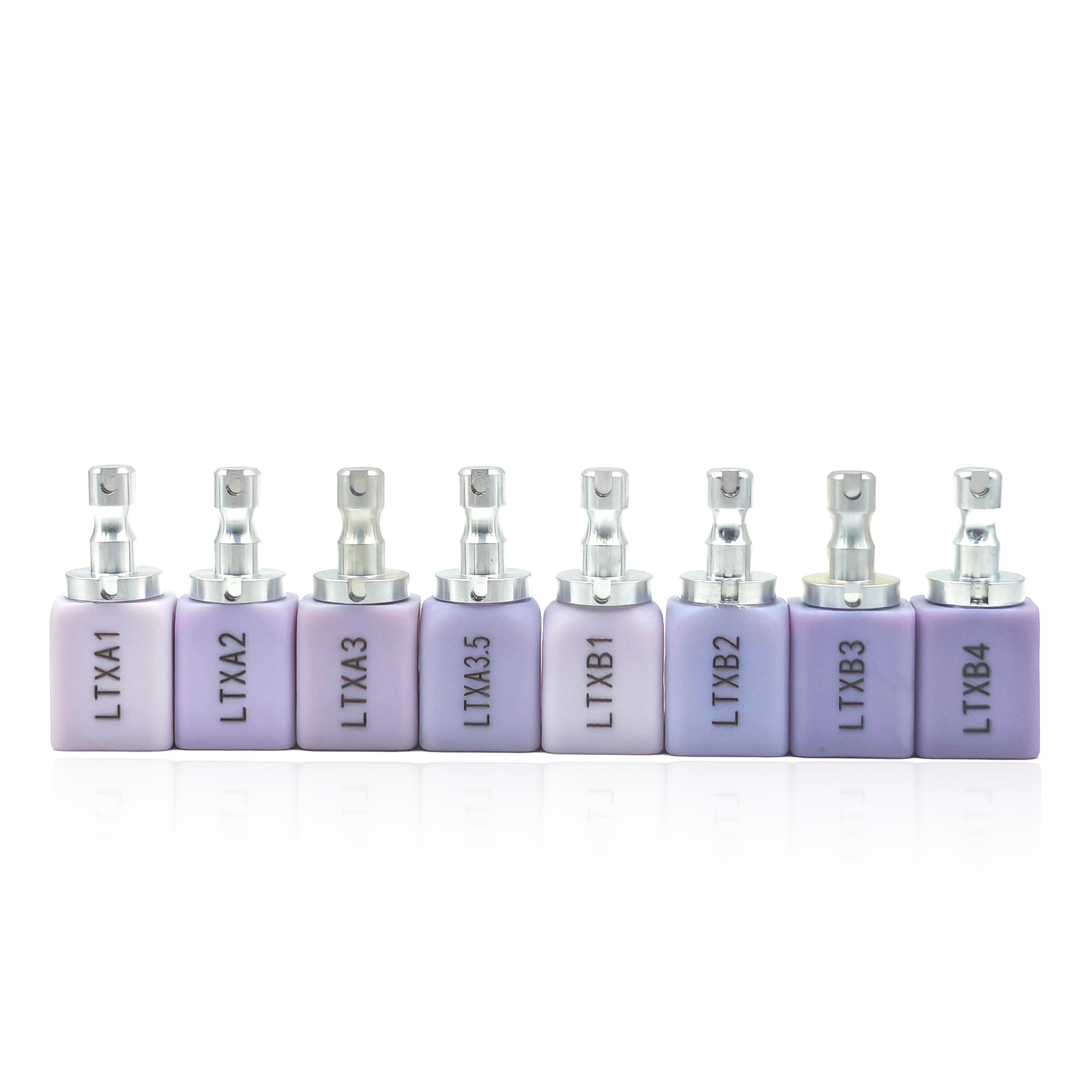
Selecting the right material for dental crown fabrication is one of the most critical decisions a dental laboratory or clinician must make. Dental lithium disilicate glass ceramic has emerged as a premier choice for modern crown restorations, combining exceptional esthetics with remarkable mechanical strength. Understanding how to select dental lithium disilicate glass ceramic for crowns requires knowledge of material properties, clinical applications, and performance outcomes. This comprehensive guide will walk you through the essential selection criteria to ensure your crown restorations meet both patient expectations and clinical longevity standards.
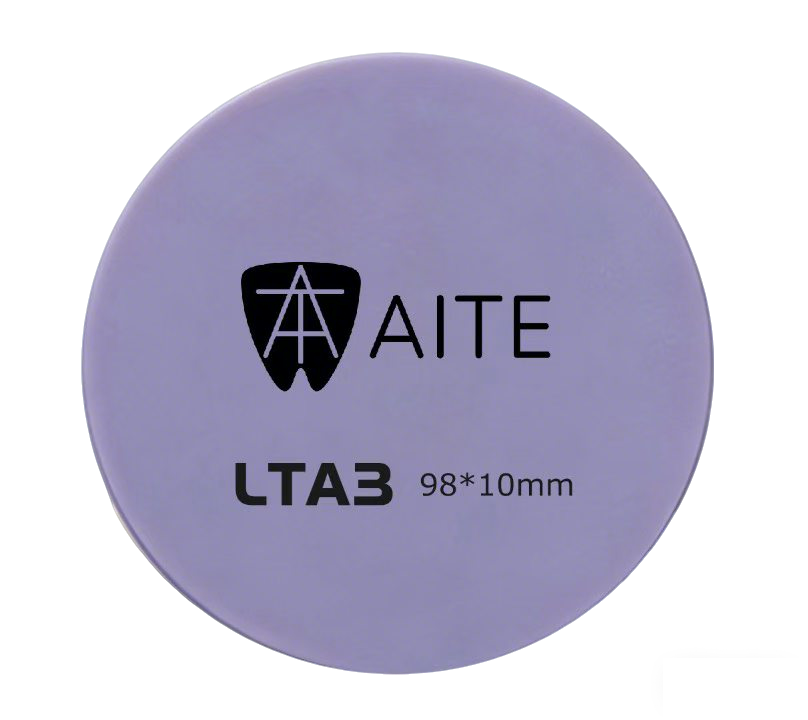
When evaluating dental lithium disilicate glass ceramic products for crown applications, clinicians and laboratory professionals face multiple variables including translucency levels, crystal phases, thickness requirements, and milling compatibility. The process of selecting appropriate dental lithium disilicate glass ceramic depends on understanding how these material characteristics directly influence crown esthetics, durability, and long-term clinical success. By mastering the selection criteria, dental professionals can confidently specify dental lithium disilicate glass ceramic that delivers superior results across various clinical scenarios.
Understanding Material Composition and Crystal Structure
Lithium Disilicate Phase Development
Dental lithium disilicate glass ceramic achieves its exceptional strength through a controlled crystallization process that develops fine lithium disilicate crystals within a glassy matrix. These needle-like crystals, typically measuring 0.5 to 4 micrometers in length, create a reinforced microstructure that resists crack propagation. The composition typically contains 70 percent lithium disilicate crystals with an amorphous silicate glass phase binding them together. When selecting dental lithium disilicate glass ceramic for crowns, understanding this dual-phase structure explains why the material exhibits flexural strength values between 350 to 400 megapascals, significantly higher than traditional feldspathic ceramics.
Processing and Milling Characteristics
The specific processing protocol used to manufacture dental lithium disilicate glass ceramic discs and blocks directly affects milling precision and crown fit. High-quality dental lithium disilicate glass ceramic products undergo controlled heating to fully densify the material and complete crystal formation before reaching the dental laboratory. When you select dental lithium disilicate glass ceramic for your milling equipment, verify that the material has been processed to achieve uniform crystallinity across the entire disc or block. Poorly processed dental lithium disilicate glass ceramic may exhibit variable hardness zones, leading to uneven milling, chipping at margins, and compromised marginal fit in the finished crown.
Evaluating Esthetic and Translucency Properties
Translucency Levels and Clinical Applications
Dental lithium disilicate glass ceramic is available in multiple translucency grades, ranging from high translucency to low translucency formulations. High translucency dental lithium disilicate glass ceramic products allow greater light transmission, creating more natural appearance on anterior teeth and thin preparation margins. When you select dental lithium disilicate glass ceramic with high translucency, expect increased opacity dependence on the underlying tooth structure or luting cement color. Low translucency dental lithium disilicate glass ceramic formulations provide superior masking of discolored preparations and greater control over final shade, making them ideal for posterior teeth and severely compromised preparations. Your selection between these translucency options depends directly on tooth position, preparation depth, and underlying color conditions.
Shade Selection and Staining Protocols
Modern dental lithium disilicate glass ceramic materials accept intrinsic and surface stains effectively, allowing customization of crown shade to match adjacent natural teeth. When selecting dental lithium disilicate glass ceramic for crowns, choose products specifically formulated with stain compatibility and specify which staining system you will use. Certain dental lithium disilicate glass ceramic formulations integrate specialized colorants during manufacturing, while others rely on applied surface stains. Premium dental lithium disilicate glass ceramic products include comprehensive shade guides matching popular composite shade systems, simplifying selection for clinicians and technicians. The ability to customize shade directly within dental lithium disilicate glass ceramic crowns reduces the likelihood of remakes and enhances patient satisfaction with esthetic outcomes.
Assessing Strength, Longevity, and Clinical Performance
Flexural Strength and Fracture Toughness
When selecting dental lithium disilicate glass ceramic for high-stress crown applications, prioritize materials with documented flexural strength values exceeding 350 megapascals. Dental lithium disilicate glass ceramic exhibits superior fracture toughness compared to traditional glass ceramics, enabling thinner crown fabrication while maintaining structural integrity. Clinical studies demonstrate that properly selected dental lithium disilicate glass ceramic crowns maintain zero fracture rates over five years in most patients when milling, sintering, and cementation protocols are followed correctly. The fracture resistance of dental lithium disilicate glass ceramic directly correlates with crystal size uniformity and overall crystallinity percentage. Select products from manufacturers who provide third-party testing data confirming mechanical properties rather than relying on unverified marketing claims.
Biocompatibility and Margin Adaptation
Dental lithium disilicate glass ceramic materials demonstrate excellent biocompatibility with oral tissues and show minimal leaching of cytotoxic elements when properly processed. When you select dental lithium disilicate glass ceramic for crown restorations, verify that marginal adaptation testing has been conducted, as precise margins directly prevent marginal microleakage and secondary caries. The glassy surface finish achievable with dental lithium disilicate glass ceramic naturally resists plaque accumulation compared to rougher ceramic surfaces. Superior margin adaptation combined with smooth surface characteristics makes dental lithium disilicate glass ceramic an excellent choice for longevity-focused restorations. Proper finishing and polishing of dental lithium disilicate glass ceramic crowns enhances biocompatibility and prolongs periodontal health around restored teeth.
FAQ
What thickness should I specify when selecting dental lithium disilicate glass ceramic for crowns?
Minimum thickness recommendations for dental lithium disilicate glass ceramic crowns typically range from 0.8 millimeters for anterior teeth to 1.2 millimeters for posterior teeth, depending on preparation geometry and available space. Thinner sections of dental lithium disilicate glass ceramic offer superior esthetics but require precise preparation design to avoid fracture. When selecting dental lithium disilicate glass ceramic, consult the specific product's thickness guidelines, as different formulations may have different minimum thickness requirements based on their exact crystallinity and composition.
How does crown preparation design influence dental lithium disilicate glass ceramic selection?
Preparation design directly affects which dental lithium disilicate glass ceramic product will deliver optimal results; rounded internal line angles and smooth axial walls accommodate the brittle nature of glass ceramic better than sharp angles. When selecting dental lithium disilicate glass ceramic for specific cases, evaluate whether the preparation provides sufficient thickness and favorable geometry to support the material's inherent strength characteristics. Severely undercut or thin-walled preparations may require selecting higher-translucency dental lithium disilicate glass ceramic to maximize esthetic compensation while maintaining structural safety margins.
Can I adjust the shade of dental lithium disilicate glass ceramic after crown milling?
Yes, most high-quality dental lithium disilicate glass ceramic products allow shade adjustment through surface staining systems applied after milling or through intrinsic coloring during fabrication. When selecting dental lithium disilicate glass ceramic for your laboratory workflow, choose products compatible with your preferred staining protocols, whether immediate staining or pre-stained disc options. Some premium dental lithium disilicate glass ceramic formulations offer pre-characterized shade progression, allowing technicians to select discs that closely match the final desired shade before milling begins, reducing post-milling staining requirements.