
 EN
EN
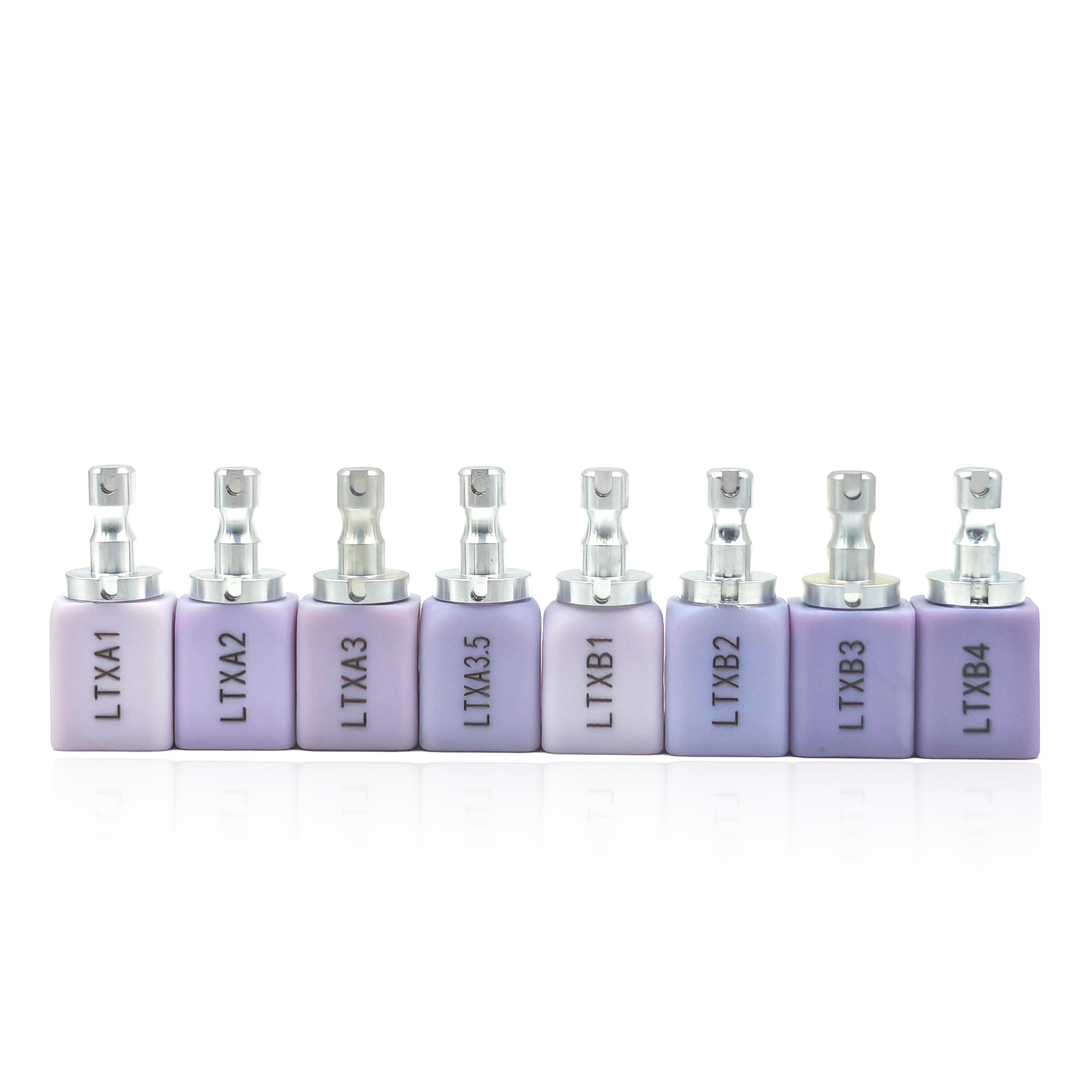
Dental laboratories worldwide have increasingly adopted dental lithium disilicate glass ceramic as their material of choice for advanced restorations. This preference stems from a combination of technical superiority, clinical reliability, and practical manufacturing advantages that distinguish dental lithium disilicate glass ceramic from conventional alternatives. The shift toward dental lithium disilicate glass ceramic represents a fundamental evolution in how modern labs approach restoration design and fabrication, driven by both material science and real-world performance data.
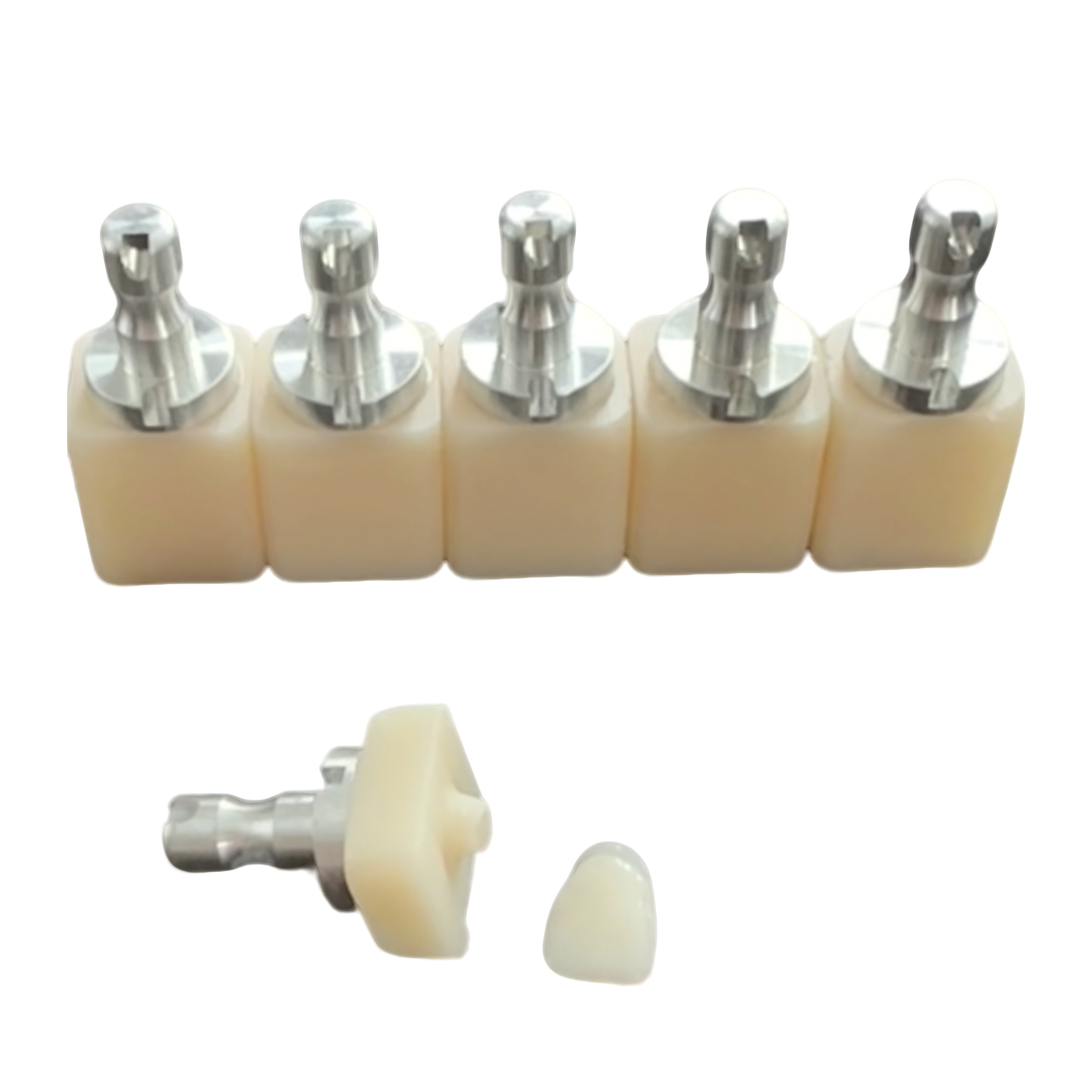
Understanding the reasons behind this industry preference requires examining the specific properties that make dental lithium disilicate glass ceramic uniquely suited to contemporary dental restoration work. Laboratories recognize that choosing dental lithium disilicate glass ceramic delivers tangible benefits across strength, aesthetics, precision, and production efficiency. This preference is not based on marketing hype but on measurable outcomes that directly impact restoration longevity and clinical success rates.
Superior Mechanical Strength and Durability
Fracture Resistance and Load-Bearing Capacity
Dental lithium disilicate glass ceramic exhibits exceptional fracture resistance compared to feldspathic ceramics and many other tooth-colored materials. The crystalline structure of dental lithium disilicate glass ceramic contains needle-like lithium disilicate crystals embedded within a glassy matrix, which creates a microstructure that resists crack propagation. When stress is applied to a restoration made from dental lithium disilicate glass ceramic, these crystals absorb energy and prevent catastrophic failure, making the material ideal for high-stress areas like posterior regions and implant-supported crowns.
Predictable Performance in Clinical Environments
Labs prefer dental lithium disilicate glass ceramic because its mechanical properties remain stable under the thermal cycling and mechanical stresses that occur in the oral environment. Unlike some materials that degrade or lose strength over time, dental lithium disilicate glass ceramic maintains predictable performance characteristics throughout the restoration's lifespan. This reliability translates to fewer callbacks, reduced remakes, and stronger relationships between labs and dental practices, which is why many laboratories stock dental lithium disilicate glass ceramic as their primary restorative material.
Esthetic Excellence and Natural Appearance
Light Transmission and Optical Properties
One reason dental lithium disilicate glass ceramic has captured laboratory preference is its exceptional light transmission characteristics. The crystalline phase distribution in dental lithium disilicate glass ceramic allows for controlled light scattering that mimics the optical behavior of natural tooth structure. Labs can achieve highly realistic restorations using dental lithium disilicate glass ceramic because the material's refractive index and translucency enable subtle gradations of color and depth that are impossible to replicate with fully opaque alternatives. This optical sophistication appeals to both clinicians and patients seeking restorations that blend seamlessly with adjacent teeth.
Color Stability and Customization
Dental lithium disilicate glass ceramic offers excellent color stability, resisting discoloration from dietary stains, smoking, or aging processes that affect some competitor materials. Laboratories value dental lithium disilicate glass ceramic because it comes in standardized shade blocks that technicians can layer, stain, and glaze to achieve custom color matching for individual cases. The ability to customize dental lithium disilicate glass ceramic restorations through precise shade selection and surface characterization makes this material attractive for cases where esthetic demands are particularly high, such as anterior smile-design cases.
Manufacturing Efficiency and Precision
CAD/CAM Workflow Integration
Modern dental laboratories favor dental lithium disilicate glass ceramic because it integrates seamlessly into contemporary CAD/CAM workflows. Milling units used for dental lithium disilicate glass ceramic blocks produce restorations with tight marginal fit and precise internal contours that require minimal adjustments before delivery. The consistency of dental lithium disilicate glass ceramic blocks means that labs can standardize production protocols and reduce scrap rates. Compared to materials that require extensive hand-finishing or suffer from milling irregularities, dental lithium disilicate glass ceramic delivers superior precision with faster turnaround times.
Reduced Production Time and Cost Efficiency
Dental lithium disilicate glass ceramic blocks can be milled and finished more efficiently than layered ceramic systems, which require multiple firing cycles and extensive manual work. Laboratories appreciate dental lithium disilicate glass ceramic because a single milling and polishing operation often produces a restoration ready for seating without the lengthy adjustments needed for other materials. This efficiency advantage means labs can process more cases with existing equipment, reducing per-unit production costs. The simplified manufacturing process for dental lithium disilicate glass ceramic also reduces the technical skill variance between technicians, helping labs maintain consistent quality across their entire restoration portfolio.
Clinical Versatility and Indication Breadth
Multi-Indication Applications
Laboratories choose dental lithium disilicate glass ceramic because it performs effectively across a broad range of restoration types. Whether fabricating single crowns, multi-unit bridges, inlays, onlays, or implant-supported abutments, dental lithium disilicate glass ceramic delivers reliable results. This versatility allows labs to maintain smaller material inventories while still addressing diverse clinical needs, which is particularly valuable for smaller laboratories with limited storage and handling capacity. The broad indication range of dental lithium disilicate glass ceramic means labs can confidently recommend this material to practices for most aesthetic restoration scenarios.
Biocompatibility and Soft Tissue Response
Dental lithium disilicate glass ceramic exhibits excellent biocompatibility characteristics, with documented clinical evidence showing favorable soft tissue response and minimal inflammatory reactions. Laboratories know that restorations fabricated from dental lithium disilicate glass ceramic are unlikely to trigger adverse tissue responses, which reduces clinical complications and patient discomfort. This biocompatibility profile is another reason dental lithium disilicate glass ceramic is preferred by laboratories that prioritize long-term clinical outcomes and patient satisfaction. The material's inert surface chemistry means minimal plaque accumulation occurs on dental lithium disilicate glass ceramic compared to some alternative materials.
FAQ
What makes dental lithium disilicate glass ceramic stronger than traditional feldspathic ceramics?
Dental lithium disilicate glass ceramic derives its superior strength from its crystalline microstructure, which contains elongated lithium disilicate crystals embedded within a glassy phase. These crystals create a toughening mechanism that prevents crack propagation when the restoration experiences stress. Traditional feldspathic ceramics lack this reinforced crystal phase and therefore fracture more easily under similar loading conditions. The crystalline reinforcement in dental lithium disilicate glass ceramic increases flexural strength by approximately 350 to 400 megapascals compared to conventional feldspathic materials.
Can dental lithium disilicate glass ceramic be used for posterior restorations?
Yes, dental lithium disilicate glass ceramic is well-suited for posterior restoration applications due to its exceptional fracture resistance and compressive strength. Laboratories produce posterior crowns and bridges from dental lithium disilicate glass ceramic for patients with normal to moderate bite forces. The material's ability to withstand chewing forces makes dental lithium disilicate glass ceramic a reliable choice for posterior cases that might exceed the strength limits of more fragile ceramic options. Clinical studies support the long-term success of posterior dental lithium disilicate glass ceramic restorations across multiple years of follow-up.
How does the milling process for dental lithium disilicate glass ceramic compare to other materials?
Dental lithium disilicate glass ceramic milling is faster and more efficient than layering and firing traditional ceramics, but slightly slower than milling zirconia. Laboratories can mill dental lithium disilicate glass ceramic blocks to final dimensions with standard milling units, then finalize the restoration through minimal polishing. The material machines predictably without chipping or cracking, which reduces technician rework and material waste. Many labs report that dental lithium disilicate glass ceramic offers the optimal balance between milling speed, ease of machining, and superior esthetics compared to alternative CAD/CAM materials.