
 EN
EN
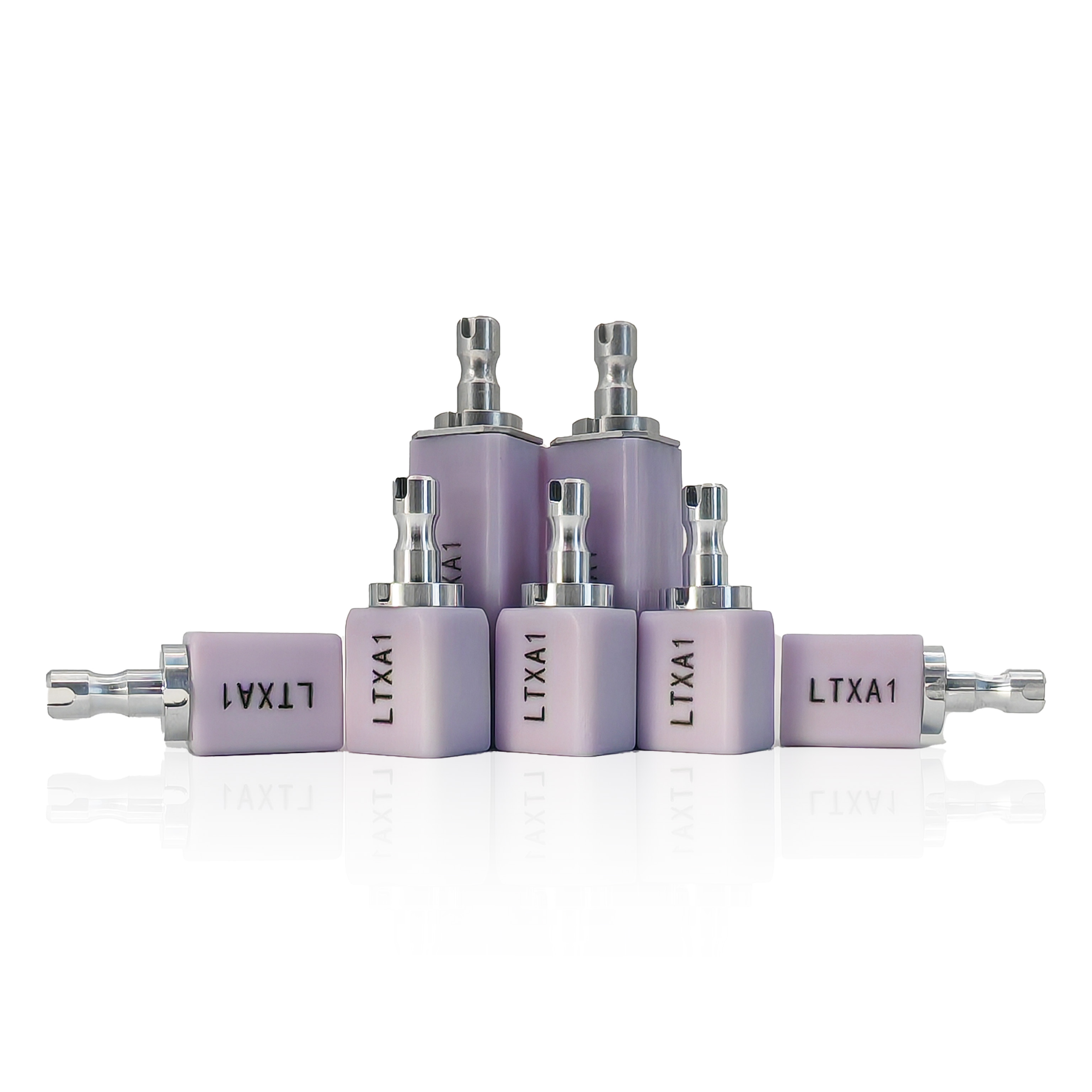
Aesthetic excellence in restorative dentistry demands materials that combine visual beauty with clinical durability and biocompatibility. The dental lithium disilicate glass ceramic has emerged as one of the most sought-after solutions for achieving this balance. Whether you are creating crowns, veneers, inlays, or onlays, understanding what makes dental lithium disilicate glass ceramic so aesthetically superior can help you deliver exceptional clinical outcomes and patient satisfaction. The appeal of dental lithium disilicate glass ceramic extends beyond its stunning appearance—it represents a sophisticated material science achievement that respects both tooth structure and biological health.
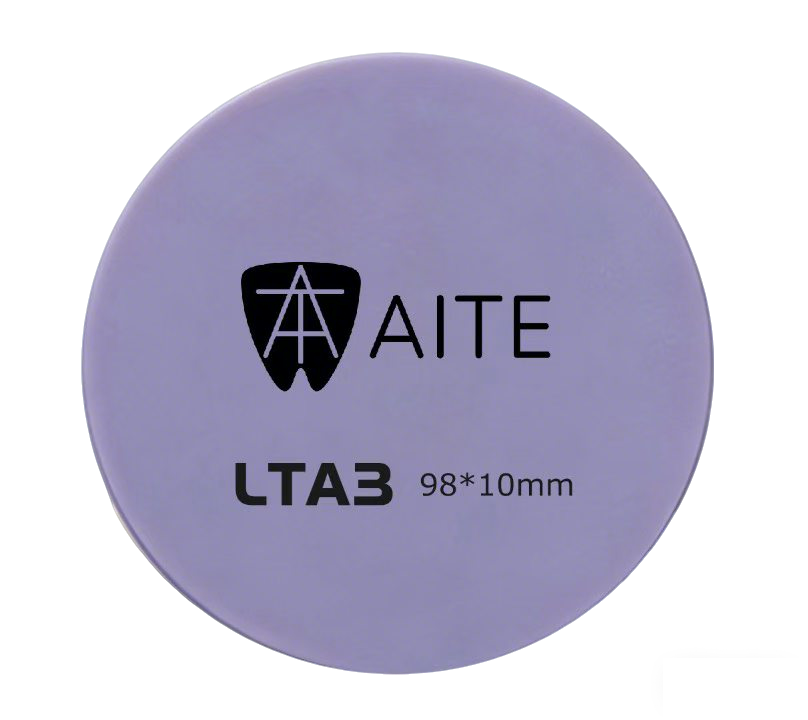
The aesthetic superiority of dental lithium disilicate glass ceramic stems from its unique crystalline structure and optical properties. Unlike traditional porcelains or zirconia alternatives, dental lithium disilicate glass ceramic achieves a natural light-transmitting quality that mimics real tooth enamel and dentin. This material science breakthrough allows restorations to reflect and refract light in a way that integrates seamlessly with surrounding natural dentition, creating restorations that are virtually indistinguishable from healthy teeth.
Translucency and Natural Light Interaction
How Translucency Defines Aesthetic Restorations
The hallmark aesthetic feature of dental lithium disilicate glass ceramic is its exceptional translucency. This property allows light to pass through the restoration while maintaining sufficient opacity to mask discolored or compromised tooth structure underneath. When dental lithium disilicate glass ceramic is properly shade-matched and layered, it creates depth and dimension that mirrors natural tooth anatomy. The translucent nature of dental lithium disilicate glass ceramic enables clinicians to control how light interacts with the restoration, ensuring that anterior teeth appear vital and youthful rather than artificial or flat.
Gradient Opacity for Layering and Characterization
Dental lithium disilicate glass ceramic blocks available in different translucency levels—ranging from high translucency to medium and low translucency versions—give practitioners flexibility in restoration design. High translucency versions of dental lithium disilicate glass ceramic work exceptionally well for thin veneer applications and for patients with already-ideal background tooth color. Medium translucency dental lithium disilicate glass ceramic suits most crown applications, while low translucency versions of dental lithium disilicate glass ceramic provide stronger masking when dealing with severely discolored abutment teeth. This gradient approach to dental lithium disilicate glass ceramic application ensures that each restoration achieves optimal aesthetics for its specific clinical context.
Shade Stability and Color Accuracy
Superior Shade Range and Matching Capabilities
Dental lithium disilicate glass ceramic is manufactured to provide an extensive and accurate shade palette that closely matches natural tooth colors across all Vita shade guides and modern digitally-matched shade systems. The material consistency of dental lithium disilicate glass ceramic ensures that shade accuracy remains predictable from milling to final delivery. Because dental lithium disilicate glass ceramic does not undergo significant color shift during firing or aging, the shade you select during treatment planning matches the shade delivered to your patient. This predictability in dental lithium disilicate glass ceramic eliminates the frustration of color surprises and reduces the need for remake cases.
Stain Resistance and Long-Term Color Retention
Unlike some glass ceramics, dental lithium disilicate glass ceramic maintains its original color integrity over many years of clinical service. The crystalline matrix of dental lithium disilicate glass ceramic resists external staining and does not absorb moisture or oral fluids that could cause discoloration. This stain resistance makes dental lithium disilicate glass ceramic an ideal choice for patients who consume staining beverages or tobacco products. The long-term stability of dental lithium disilicate glass ceramic color contributes significantly to patient satisfaction, as restorations remain as beautiful at five years as they were at delivery.
Surface Characterization and Natural Texture
Glazing and Polishing for Lifelike Appearance
The surface finish of dental lithium disilicate glass ceramic critically influences its aesthetic outcome. Properly glazed dental lithium disilicate glass ceramic achieves a smooth, lustrous surface that reflects light similarly to natural enamel. Dental lithium disilicate glass ceramic can be polished to high gloss, which enhances translucency and brightness, or characterized with texture and surface irregularities that create a more natural, less 'perfect' appearance. The versatility of dental lithium disilicate glass ceramic in surface treatment allows skilled technicians to create restorations ranging from highly polished anterior veneers to textured posterior crowns that blend seamlessly with natural dentition.
Intrinsic Coloring and Internal Characterization
Advanced dental lithium disilicate glass ceramic blocks now support intrinsic coloring techniques where pigments and stains are applied and fired directly into the restoration. This approach eliminates the risk of surface stain loss that can occur with external characterization alone. Dental lithium disilicate glass ceramic's stable crystalline structure accommodates internal staining without compromising mechanical properties. The result is a restoration with natural internal characteristics—mamelons, developmental grooves, and color gradients—that create anatomically authentic restorations. This level of sophistication in dental lithium disilicate glass ceramic characterization directly impacts how naturally the restoration integrates into a patient's smile.
Biocompatibility and Aesthetic Longevity
Biocompatible Material Selection for Patient Health
The aesthetic performance of dental lithium disilicate glass ceramic is inseparable from its exceptional biocompatibility. Unlike some metal-based alternatives, dental lithium disilicate glass ceramic contains no chromium, nickel, or heavy metals that could trigger allergic responses or tissue reactions. The glass ceramic composition of dental lithium disilicate glass ceramic has been extensively tested for cytotoxicity and sensitization potential, with overwhelmingly positive results. Patients with known metal sensitivities or those seeking fully metal-free restorations find dental lithium disilicate glass ceramic an ideal aesthetic solution that never compromises their biological health or immune response.
Esthetic Stability Through Periodontal Health
Dental lithium disilicate glass ceramic margins integrate smoothly with gingival tissues because the material is non-irritating and supports natural healing responses. When gums are healthy and stable around dental lithium disilicate glass ceramic restorations, the aesthetic line remains stable, and dark triangles or tissue recession that could compromise aesthetics are minimized. The biocompatibility of dental lithium disilicate glass ceramic contributes to faster healing around crown margins and allows technicians to extend margins submargginally without risk of chronic inflammation. This biological advantage means that dental lithium disilicate glass ceramic restorations maintain their aesthetic impact not just from the restoration itself, but through the health and stability of surrounding tissues.
FAQ
Why is dental lithium disilicate glass ceramic superior to full zirconia for anterior teeth?
While zirconia offers exceptional strength, it typically lacks the translucency and natural light transmission that dental lithium disilicate glass ceramic provides. Zirconia restorations often appear more opaque and can have a 'chalky' or artificial look, especially in thin sections. Dental lithium disilicate glass ceramic, by contrast, mimics the optical properties of natural tooth structure, creating restorations that appear more lifelike. Additionally, dental lithium disilicate glass ceramic can be bonded to tooth structure, reducing the need for aggressive tooth preparation compared to zirconia crowns.
Can dental lithium disilicate glass ceramic be used for posterior restorations?
Yes, dental lithium disilicate glass ceramic is suitable for posterior crowns, inlays, and onlays, particularly in low-stress areas or for patients with lighter bite forces. The medium and low translucency versions of dental lithium disilicate glass ceramic are specifically designed for posterior applications. However, for patients with heavy biting forces or significant parafunctional habits, zirconia or stronger reinforced ceramics may offer superior longevity. Dental lithium disilicate glass ceramic delivers excellent aesthetic results posteriorly while maintaining good clinical performance in appropriate clinical situations.
How does dental lithium disilicate glass ceramic maintain its aesthetic appearance over time?
Dental lithium disilicate glass ceramic resists staining, color shift, and surface degradation through its stable crystalline matrix and non-porous surface. The material does not absorb moisture, oral stains, or saliva that could alter its appearance. Proper glazing and polishing ensure that the smooth surface remains reflective and lustrous. Because dental lithium disilicate glass ceramic does not experience the gradual darkening or discoloration seen with some other ceramics, restorations maintain their original aesthetic appearance throughout their clinical lifespan, ensuring lasting patient satisfaction.