
 EN
EN
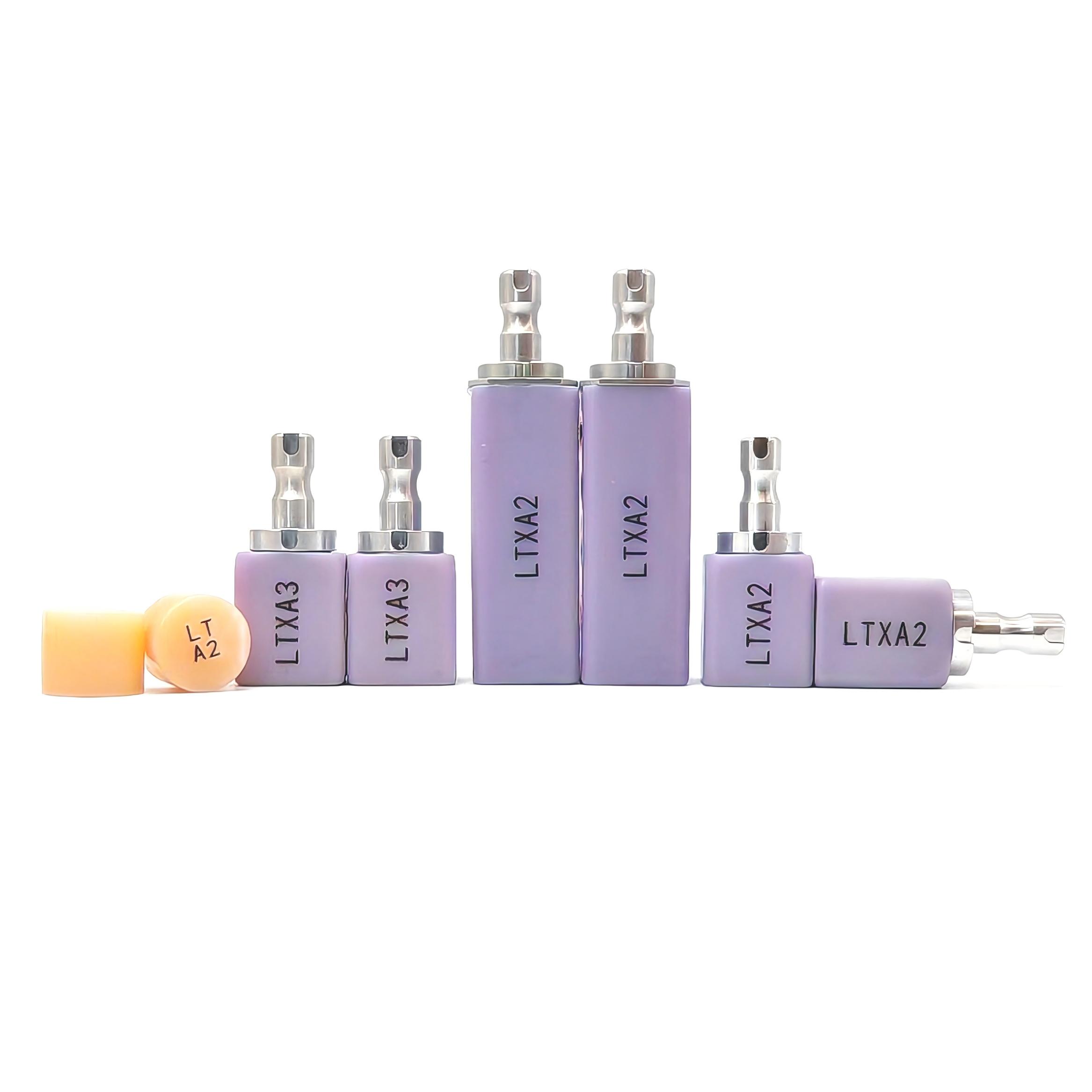
The performance and longevity of dental lithium disilicate glass ceramic restorations depend on multiple interconnected factors that influence both clinical outcomes and patient satisfaction. Understanding these factors is essential for dental professionals selecting materials and designing restorations that meet functional and aesthetic requirements. Dental lithium disilicate glass ceramic has become a preferred choice in modern dentistry, but its success relies on careful consideration of composition, processing conditions, and application parameters that affect its behavior in the oral environment.
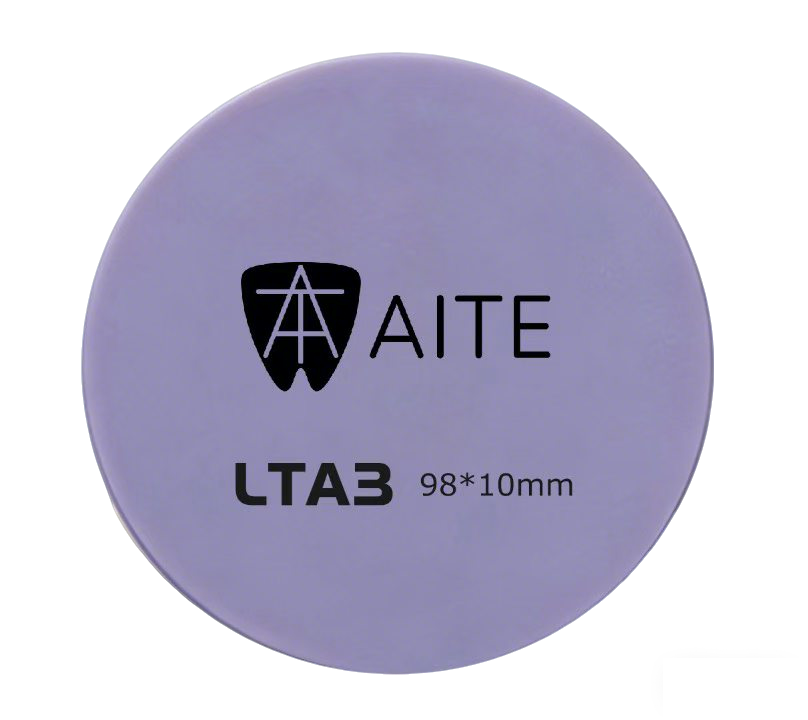
The composition of dental lithium disilicate glass ceramic directly determines its mechanical and optical properties, making material formulation a critical starting point in restoration design. Each element in the chemical composition contributes to crystalline structure, thermal stability, and clinical performance. Dental lithium disilicate glass ceramic must balance strength requirements with translucency demands, aesthetic matching capabilities, and biocompatibility standards that protect patient health.
Material Composition and Crystalline Structure
Glass Phase Components and Lithium Content
The base glass composition of dental lithium disilicate glass ceramic includes silica, lithium oxide, phosphorous pentoxide, and various modifying oxides that influence crystalline development during processing. Lithium content directly affects the thermal expansion coefficient and the formation of lithium disilicate crystals that provide mechanical strength. Higher lithium oxide percentages in dental lithium disilicate glass ceramic increase crystal density and improve fracture resistance, but excessive amounts can compromise optical clarity and aesthetic matching in clinical applications.
Silica serves as the primary network former in dental lithium disilicate glass ceramic, creating the foundational glass matrix before crystallization occurs. The silica-to-lithium ratio influences processing temperature requirements and the degree of crystallization achieved during heat treatment. Dental lithium disilicate glass ceramic formulations must maintain precise stoichiometric balances to ensure predictable crystal formation and consistent material properties across production batches.
Crystal Phase Development and Microstructure
The crystalline phases present in dental lithium disilicate glass ceramic primarily consist of lithium disilicate crystals that form needle-like structures within the residual glass matrix. These needle-shaped crystals act as crack deflectors and stress redistributors, significantly enhancing the fracture toughness of dental lithium disilicate glass ceramic compared to monolithic glass materials. The volume fraction of crystalline phases affects both the mechanical strength and the optical properties, with higher crystallinity generally increasing opacity and strength while reducing translucency.
Secondary crystal phases and crystallization degree determine the final microstructure of dental lithium disilicate glass ceramic and its clinical performance characteristics. Controlled crystallization during manufacturing ensures uniform crystal distribution throughout dental lithium disilicate glass ceramic blocks or ingots used in CAD/CAM milling applications. Microstructural homogeneity reduces defect initiation sites and improves the predictability of material behavior under oral masticatory forces.
Processing Conditions and Manufacturing Parameters
Heat Treatment and Crystallization Processes
The heat treatment schedule applied during manufacturing fundamentally influences the final properties of dental lithium disilicate glass ceramic through controlled crystallization mechanisms. Heating rates, peak temperatures, and holding times directly affect crystal nucleation and growth in dental lithium disilicate glass ceramic, determining the density and orientation of crystal phases. Rapid heating or cooling cycles can create thermal stress within dental lithium disilicate glass ceramic, leading to microcracking and reduced strength, while carefully optimized schedules maximize crystalline development and material performance.
The crystallization temperature of dental lithium disilicate glass ceramic is typically maintained at temperatures that promote formation of lithium disilicate crystals while minimizing unwanted secondary phases. Dental lithium disilicate glass ceramic manufacturers employ multi-step heating profiles with controlled ramp rates to achieve optimal crystal structure development. Overheating dental lithium disilicate glass ceramic can cause excessive grain growth and compromised mechanical properties, while insufficient heat treatment leaves inadequate crystallization and reduced clinical durability.
CAD/CAM Milling and Material Degradation
Milling processes for dental lithium disilicate glass ceramic introduce mechanical stresses at the restoration surface that can create microcracks and subsurface damage affecting long-term reliability. High-speed spindle rotation, cutting tool pressure, and feed rates during milling of dental lithium disilicate glass ceramic must be optimized to minimize surface defects while maintaining dimensional accuracy. Inadequate cooling during milling operations can generate localized thermal stress in dental lithium disilicate glass ceramic, compromising the integrity of the finished restoration.
Surface finish quality significantly influences the clinical performance of dental lithium disilicate glass ceramic restorations because microscopic defects act as stress concentrators. Polishing procedures for dental lithium disilicate glass ceramic must remove milling-induced surface damage without creating new defects through excessive abrasion. Post-milling strengthening treatments applied to dental lithium disilicate glass ceramic can seal surface microcracks and improve fracture resistance through ion exchange or surface crystallization mechanisms.
Environmental and Clinical Performance Factors
Oral Environment Exposure and Chemical Degradation
The oral environment presents multiple chemical and mechanical challenges to dental lithium disilicate glass ceramic restorations, including exposure to saliva, acidic beverages, and enzymatic degradation pathways. Salivary pH fluctuations and chemical composition directly affect stress corrosion processes in dental lithium disilicate glass ceramic, where subcritical crack growth can occur even under normal bite forces. Water absorption and hygroscopic expansion of residual glass phases in dental lithium disilicate glass ceramic can create internal stresses that weaken the restoration over time.
Fluoride exposure from toothpaste and professional treatments can alter the surface composition of dental lithium disilicate glass ceramic through selective leaching of ionic species from the glass phase. Thermal cycling from hot and cold foods stresses dental lithium disilicate glass ceramic through differential expansion and contraction, potentially initiating fatigue failure in marginal areas. The biocompatibility of dental lithium disilicate glass ceramic depends on the absence of cytotoxic ion release and the stability of the material matrix under prolonged oral exposure.
Masticatory Load Distribution and Mechanical Stress
Bite force magnitude and distribution patterns directly influence stress concentration within dental lithium disilicate glass ceramic restorations, particularly in posterior regions where masticatory forces are highest. The thickness of dental lithium disilicate glass ceramic in critical areas must be adequate to accommodate maximum bite forces without excessive stress concentration at restoration margins. Restoration design geometry, including cusp angles and marginal ridge configuration, influences stress distribution pathways and determines the likelihood of fracture initiation in dental lithium disilicate glass ceramic.
The cementation technique and luting cement properties significantly affect load transfer from dental lithium disilicate glass ceramic restorations to supporting tooth structure. Weak or poorly adapted cement creates micro-movements that subject dental lithium disilicate glass ceramic margins to repetitive stress cycling and accelerated degradation. The coefficient of thermal expansion matching between dental lithium disilicate glass ceramic and luting cement reduces thermal stress during temperature fluctuations in the oral environment.
Aesthetic and Optical Properties
Translucency Levels and Color Matching
The translucency of dental lithium disilicate glass ceramic directly affects its aesthetic integration with tooth structure and influences the choice of shade selection and preparation techniques. Higher translucency in dental lithium disilicate glass ceramic allows light transmission that creates a more natural appearance, particularly for anterior restorations where aesthetic demands are greatest. The translucency of dental lithium disilicate glass ceramic varies inversely with crystallinity, requiring careful balance between optical properties and mechanical strength requirements in material formulation.
Color stability of dental lithium disilicate glass ceramic under oral conditions determines aesthetic longevity and patient satisfaction throughout the restoration lifetime. Extrinsic staining from food and beverage compounds can affect surface appearance of dental lithium disilicate glass ceramic, requiring appropriate polishing or sealing measures. The ability of dental lithium disilicate glass ceramic to match surrounding natural teeth depends on available shade gradations and the accuracy of shade selection protocols before restoration fabrication.
Surface Texture and Light Reflection
The surface texture of dental lithium disilicate glass ceramic influences both aesthetic appearance and the accumulation of bacterial biofilm in the oral environment. A smooth, polished surface on dental lithium disilicate glass ceramic restorations reduces plaque retention and facilitates oral hygiene maintenance by patients. The gloss level and light reflection characteristics of dental lithium disilicate glass ceramic contribute to the restoration's integration with natural tooth anatomy and must be optimized during finishing procedures.
FAQ
What are the primary crystalline phases in dental lithium disilicate glass ceramic?
The primary crystalline phase in dental lithium disilicate glass ceramic consists of needle-like lithium disilicate crystals embedded within the residual glass matrix. These crystals provide mechanical strength and fracture toughness, making dental lithium disilicate glass ceramic suitable for high-stress restorations. Secondary phases and the degree of crystallization can vary based on composition and heat treatment parameters.
How do milling processes affect the long-term performance of dental lithium disilicate glass ceramic?
Milling introduces surface and subsurface microcracks in dental lithium disilicate glass ceramic that can propagate under oral stresses, potentially reducing restoration lifespan. Optimized milling parameters, proper tool selection, and post-milling polishing procedures minimize surface damage in dental lithium disilicate glass ceramic. Surface strengthening treatments like glazing or ion exchange can seal defects and improve the durability of milled dental lithium disilicate glass ceramic restorations.
How does the oral environment affect dental lithium disilicate glass ceramic stability?
The oral environment subjects dental lithium disilicate glass ceramic to chemical degradation through pH fluctuations, water absorption, and ion exchange processes between the material and saliva. Thermal cycling from temperature variations in foods and beverages stresses dental lithium disilicate glass ceramic through differential expansion. Fluoride exposure and enzymatic degradation can alter surface composition of dental lithium disilicate glass ceramic over extended exposure periods.