
 EN
EN
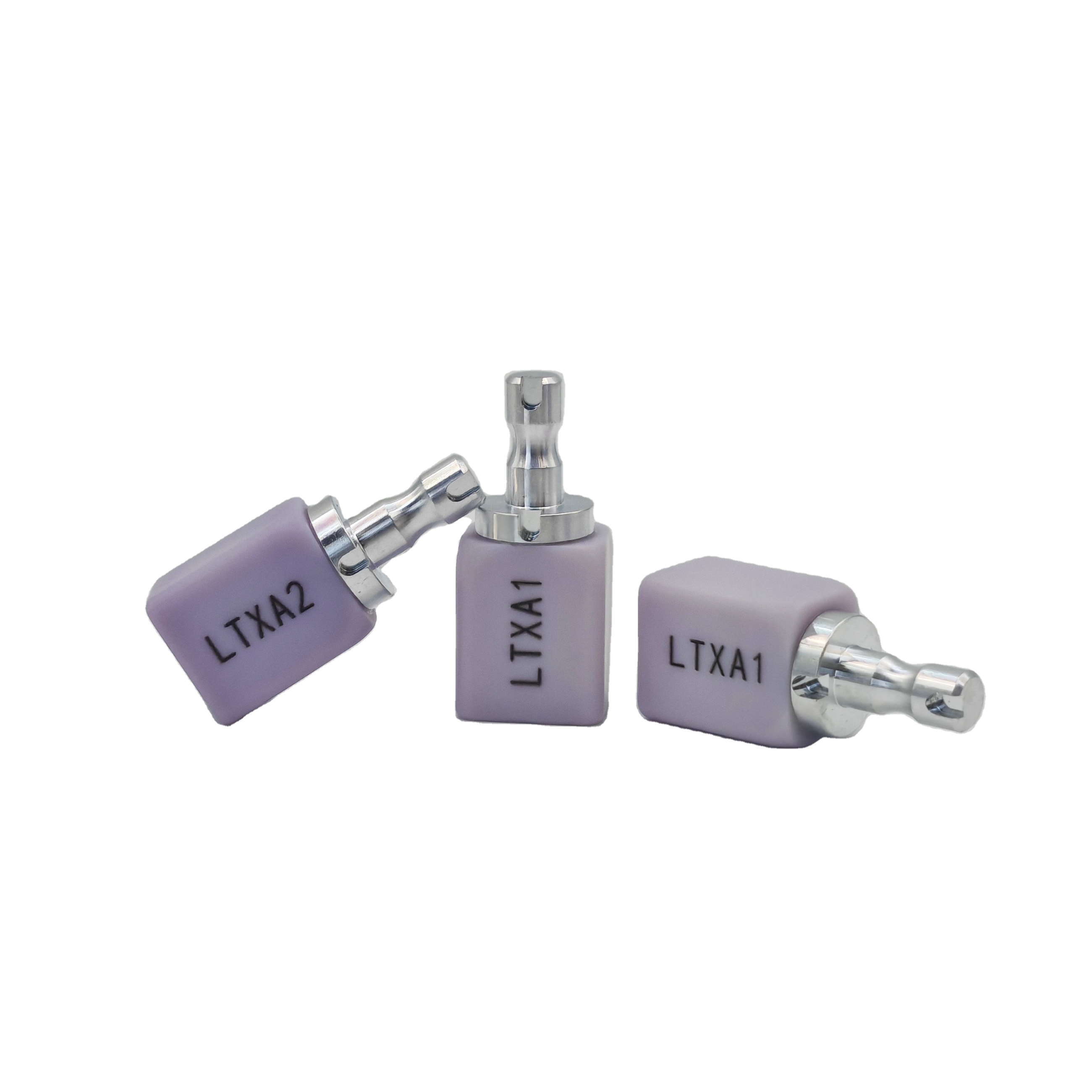
The choice between restorative materials fundamentally shapes clinical outcomes, restoration longevity, and patient satisfaction in modern prosthodontics. Dental lithium disilicate glass ceramic has emerged as a leading option for esthetic restorations, yet many practitioners question how it stacks against zirconia, the industry's dominant strength contender. Understanding the key differences between dental lithium disilicate glass ceramic and zirconia is essential for selecting the right material for each clinical scenario, whether the priority is maximum esthetic appeal, superior longevity, or balanced performance across both domains.
Both materials have transformed restorative dentistry over the past two decades, yet they operate from fundamentally different material science principles. Dental lithium disilicate glass ceramic delivers crystalline strength within a glass matrix, creating a material class distinct from zirconia's purely ceramic structure. This comparison examines the material composition, mechanical properties, clinical performance, esthetic capabilities, and practical selection criteria that define the dental lithium disilicate glass ceramic landscape relative to zirconia alternatives.
Material Composition and Structural Differences
Crystalline Structure of Dental Lithium Disilicate Glass Ceramic
Dental lithium disilicate glass ceramic derives its strength from lithium disilicate crystals embedded within a glass matrix phase. These crystals comprise approximately 70 percent of the material by volume, oriented primarily as plate-like structures that provide fracture resistance through crack deflection mechanisms. The dental lithium disilicate glass ceramic matrix includes a glass phase rich in lithium oxide and silica, which binds the crystals together while contributing to the material's translucency. This hybrid structure allows dental lithium disilicate glass ceramic to achieve a unique balance between strength and optical properties that monolithic ceramics struggle to deliver.
Zirconia Structure and Stabilization Chemistry
Zirconia, by contrast, consists entirely of zirconium dioxide crystals stabilized through yttria dopants to maintain the tetragonal phase at clinical temperatures. The resulting zirconia material exhibits higher absolute flexural strength than dental lithium disilicate glass ceramic, often exceeding 900 megapascals in clinical grades. However, zirconia sacrifices optical properties to achieve this mechanical advantage, resulting in opacity that limits esthetic outcomes in anterior regions where light transmission is critical for natural appearance.
Mechanical Properties and Clinical Durability
Strength Profiles and Fracture Resistance
Dental lithium disilicate glass ceramic demonstrates flexural strength ranging from 300 to 400 megapascals, substantially lower than zirconia's 900 to 1200 megapascals. This mechanical gap has historically positioned zirconia as the preferred choice for high-stress posterior applications and bruxism cases. However, dental lithium disilicate glass ceramic compensates through superior fracture toughness relative to other glass ceramics, achieved via the plate-like crystal structure that deflects propagating cracks. For many clinical scenarios, the dental lithium disilicate glass ceramic combination of moderate strength and crack-deflection capability proves sufficient and delivers advantages zirconia cannot match.
Longevity Data and Clinical Outcomes
Long-term clinical studies demonstrate that dental lithium disilicate glass ceramic shows survival rates exceeding 95 percent over five years in anterior and premolar applications, with most failures occurring in heavy bruxers rather than typical patients. Zirconia exhibits marginally higher survival rates in posterior regions and bruxism cases, typically 96 to 98 percent. The practical difference narrows significantly when patient selection aligns material properties to clinical demands. Dental lithium disilicate glass ceramic restorations rarely fracture under normal mastication forces; failures typically result from parafunctional habits that would challenge any ceramic material except reinforced zirconia systems.
Esthetic Performance and Optical Properties
Translucency and Light Transmission in Dental Lithium Disilicate Glass Ceramic
The defining advantage of dental lithium disilicate glass ceramic lies in its superior esthetic performance, driven directly by the glass phase that grants the material high translucency. Dental lithium disilicate glass ceramic transmits light through the restoration body, allowing natural tooth color to show through and creating restorations that blend seamlessly with adjacent tooth structure. This optical property proves especially valuable in anterior regions where tooth-to-restoration color matching demands precision. Dental lithium disilicate glass ceramic achieves translucency levels comparable to natural tooth enamel in many cases, enabling practitioners to create restorations that satisfy even the most demanding esthetic standards without requiring thick opaque liners.
Zirconia Opacity and Masking Limitations
Zirconia's opacity creates inherent limitations for anterior esthetics, requiring thicker opaque layers or veneer techniques to achieve acceptable color match. While newer multilayered zirconia systems attempt to improve translucency through gradient density designs, dental lithium disilicate glass ceramic remains superior for cases requiring maximum esthetic refinement. The dental lithium disilicate glass ceramic advantage becomes decisive in veneers, inlays, and full-contour anterior crowns where light transmission directly influences the restoration's integration with remaining tooth structure.
Clinical Selection Criteria and Practical Considerations
When Dental Lithium Disilicate Glass Ceramic Excels
Dental lithium disilicate glass ceramic represents the optimal choice for anterior crowns, veneers, inlays, and premolar restorations where esthetics rank as the primary clinical objective. Cases involving implant restorations, complex shade matching, severe discoloration, or high esthetic demands all favor dental lithium disilicate glass ceramic. The material's superior light transmission and natural optical behavior justify its selection despite lower absolute strength compared to zirconia. Additionally, dental lithium disilicate glass ceramic achieves excellent biocompatibility, exhibits minimal plaque adhesion, and demonstrates superior handling characteristics during milling and gluing procedures.
Zirconia as the High-Stress Alternative
Zirconia maintains its position as the preferred material for posterior molars, full-mouth rehabilitations in severe bruxers, and cases where maximum fracture resistance overrides esthetic considerations. The material's exceptional strength, combined with resistance to wear and opposing-tooth wear resistance, makes zirconia indispensable in high-demand posterior applications. Zirconia also tolerates less-than-perfect cementation techniques better than dental lithium disilicate glass ceramic, offering a safety margin for practitioners managing challenging retention scenarios.
FAQ
Can dental lithium disilicate glass ceramic withstand posterior bruxism forces?
Dental lithium disilicate glass ceramic can tolerate normal to moderate bruxism in posterior premolar regions, but severe bruxers grinding with high force benefit from zirconia's superior strength. Clinical studies show acceptable survival rates for dental lithium disilicate glass ceramic in typical bruxism cases, but risk increases substantially with documented severe grinding habits, and zirconia provides meaningful additional safety margin under extreme parafunctional loading.
Why does dental lithium disilicate glass ceramic offer better esthetics than zirconia?
Dental lithium disilicate glass ceramic achieves superior esthetics through its glass matrix phase, which transmits light similarly to natural tooth enamel, allowing color to display naturally through the restoration. Zirconia's purely crystalline structure scatters light and blocks transmission, creating opacity that requires additional veneer layers or complex coloring techniques to match natural tooth appearance, making dental lithium disilicate glass ceramic the esthetic material of choice for visible restorations.
Is dental lithium disilicate glass ceramic more difficult to mill or cement than zirconia?
Dental lithium disilicate glass ceramic requires slightly more careful handling during milling compared to zirconia, as it shows greater susceptibility to microchipping during machining, but modern CAD-CAM systems manage this effectively with appropriate tooling. Cementation differs significantly; dental lithium disilicate glass ceramic benefits from adhesive cementing techniques that enhance bond strength and longevity, while zirconia often requires conventional or resin-modified glass ionomer cements due to its resistance to adhesive bonding, representing a meaningful procedural distinction between the materials.