
 EN
EN
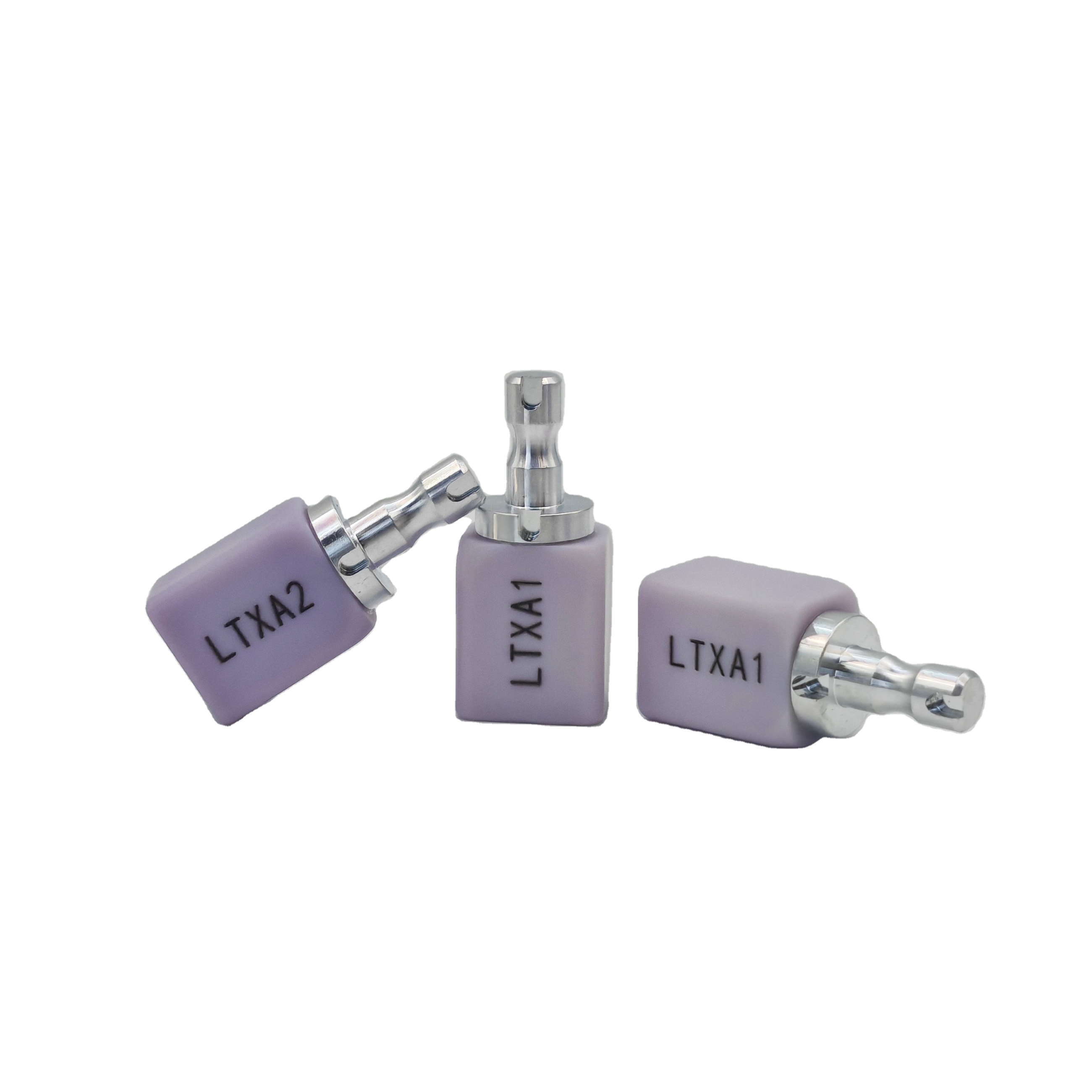
The selection of restorative materials in modern dentistry requires careful consideration of clinical circumstances, patient needs, and long-term outcomes. Dental lithium disilicate glass ceramic has emerged as a premium choice for practitioners seeking superior esthetics combined with reliable mechanical performance. Understanding when dental lithium disilicate glass ceramic is most appropriate ensures clinicians can deliver predictable results while optimizing treatment planning and material selection strategies.
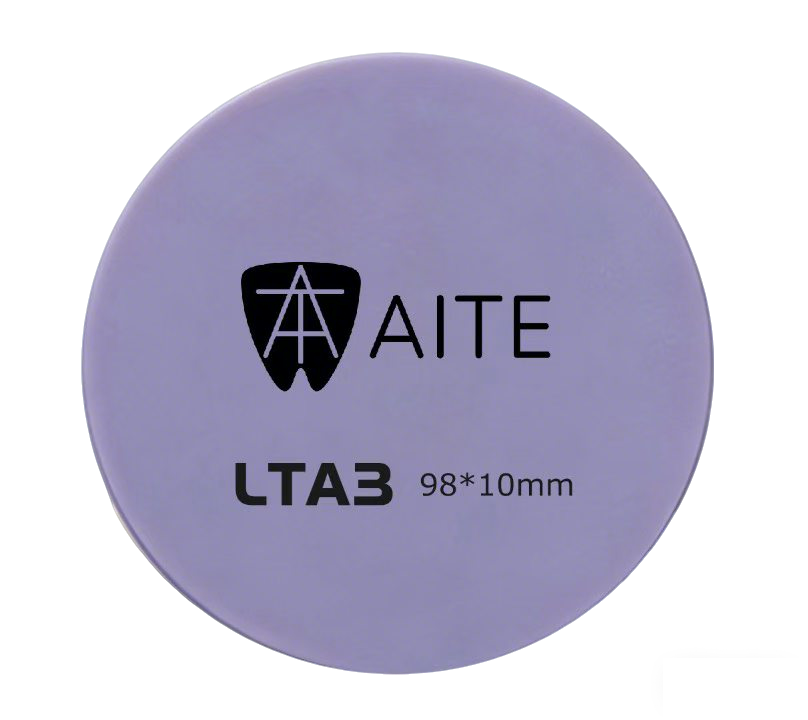
Dental lithium disilicate glass ceramic represents a significant advancement in CAD/CAM technology and milling capabilities. This material combines exceptional translucency, natural light transmission properties, and superior strength characteristics that make it valuable for specific clinical applications. Practitioners who master the indications for dental lithium disilicate glass ceramic can confidently recommend this material to patients seeking cosmetic and functional restoration of compromised dentition.
Esthetic Anterior Tooth Restorations
Single Veneer and Crown Applications
Anterior teeth present unique esthetic demands that dental lithium disilicate glass ceramic addresses exceptionally well. When patients present with stained, fractured, or minimally prepared anterior teeth, dental lithium disilicate glass ceramic veneers offer natural color matching and light transmission that mimics healthy tooth structure. The material's ability to capture subtle color gradations and translucency variations makes it ideal for cases where esthetic integration with natural dentition is paramount. Practitioners selecting dental lithium disilicate glass ceramic for anterior crowns benefit from the material's superior optical properties compared to traditional ceramics.
Smile Design and Color Correction
Comprehensive smile design cases frequently indicate dental lithium disilicate glass ceramic as the material of choice. When multiple anterior teeth require restoration and color correction is necessary, dental lithium disilicate glass ceramic allows technicians and clinicians to achieve harmonious results across the visible dentition. The translucency range available with dental lithium disilicate glass ceramic enables precise control over the final restoration shade, accommodating different tooth preparation depths and underlying tooth structure variations. Patients with high esthetic expectations consistently report satisfaction when dental lithium disilicate glass ceramic is selected for smile makeovers and cosmetic rehabilitation.
Posterior Restoration Scenarios
Inlay and Onlay Restorations
Posterior teeth with moderate-to-large restorations benefit significantly from dental lithium disilicate glass ceramic properties. Inlay and onlay applications represent scenarios where dental lithium disilicate glass ceramic delivers value beyond traditional amalgam or composite materials. The mechanical strength of dental lithium disilicate glass ceramic supports functional demands of posterior occlusion while providing superior marginal adaptation through precise milling technology. When posterior restorations must blend seamlessly with natural tooth structure, dental lithium disilicate glass ceramic fulfills both functional and esthetic requirements that conservative preparation designs demand.
Full Coverage Posterior Crowns
Full posterior crowns prepared for heavily compromised or endodontically treated teeth represent appropriate indications for dental lithium disilicate glass ceramic selection. The fracture resistance and wear characteristics of dental lithium disilicate glass ceramic make it suitable for patients exhibiting normal-to-heavy occlusal forces. Clinicians preparing posterior teeth for dental lithium disilicate glass ceramic crowns appreciate the material's predictable milling accuracy and minimal adjustment requirements at insertion. Additionally, the biocompatibility profile of dental lithium disilicate glass ceramic supports long-term gingival health and patient comfort in posterior regions.
Special Clinical Circumstances and Material Selection
Bruxism and Parafunctional Habit Management
Patients exhibiting bruxism or other parafunctional habits require careful material selection that balances restoration durability with antagonist tooth protection. Dental lithium disilicate glass ceramic offers moderate wear characteristics that perform favorably compared to harder ceramic materials that may accelerate opposing tooth wear. When dental lithium disilicate glass ceramic is selected for bruxism cases, practitioners should implement proper occlusal design strategies and recommend nightguard therapy for optimal outcomes. The strength-to-wear profile of dental lithium disilicate glass ceramic makes it preferable to softer materials for patients with documented parafunctional habits.
Minimal Preparation and Adhesive Bonding Scenarios
Conservative preparation techniques and adhesive bonding protocols represent specific indications where dental lithium disilicate glass ceramic excels. The material's ability to bond reliably with modern resin cements ensures retention and longevity even when preparation depth is limited. Dental lithium disilicate glass ceramic veneers prepared with minimal tooth structure removal maintain strength while preserving pulpal vitality and tooth structure. Clinicians committed to minimally invasive treatment philosophy find that dental lithium disilicate glass ceramic enables delivery of definitive restorations with conservative preparation requirements, supporting long-term tooth health and patient satisfaction.
FAQ
What are the primary advantages of dental lithium disilicate glass ceramic for anterior restorations?
Dental lithium disilicate glass ceramic offers superior translucency, natural light transmission, and exceptional color-matching capabilities that create seamless esthetic integration with natural teeth. The material's optical properties allow technicians to replicate subtle tooth structure characteristics and color gradations, delivering restorations virtually indistinguishable from natural dentition. For patients prioritizing esthetic outcomes, dental lithium disilicate glass ceramic represents the material of choice for anterior teeth requiring comprehensive cosmetic rehabilitation.
How does dental lithium disilicate glass ceramic perform in high-stress posterior applications?
Dental lithium disilicate glass ceramic demonstrates adequate fracture resistance and wear characteristics for posterior applications when patients exhibit normal-to-moderate occlusal forces. The material's strength profile supports full-coverage crown restorations and complex inlay designs without excessive risk of catastrophic failure. However, practitioners should exercise caution when selecting dental lithium disilicate glass ceramic for patients with documented severe bruxism or heavy parafunctional habits, potentially recommending reinforced designs or protective occlusal strategies for optimal clinical longevity.
When is dental lithium disilicate glass ceramic inappropriate for clinical use?
Dental lithium disilicate glass ceramic is generally contraindicated in cases requiring extreme strength demands, such as severe bruxism without protective measures or implant abutment applications where higher fracture resistance materials are preferred. Additionally, when patients demonstrate active periodontal disease or poor oral hygiene, postponing dental lithium disilicate glass ceramic restorations until disease control is achieved ensures optimal restoration longevity. Economic considerations may also influence material selection when cost-conscious patients require multiple restorations, though the superior esthetic and clinical performance of dental lithium disilicate glass ceramic often justifies investment in premium treatment outcomes.