
 EN
EN
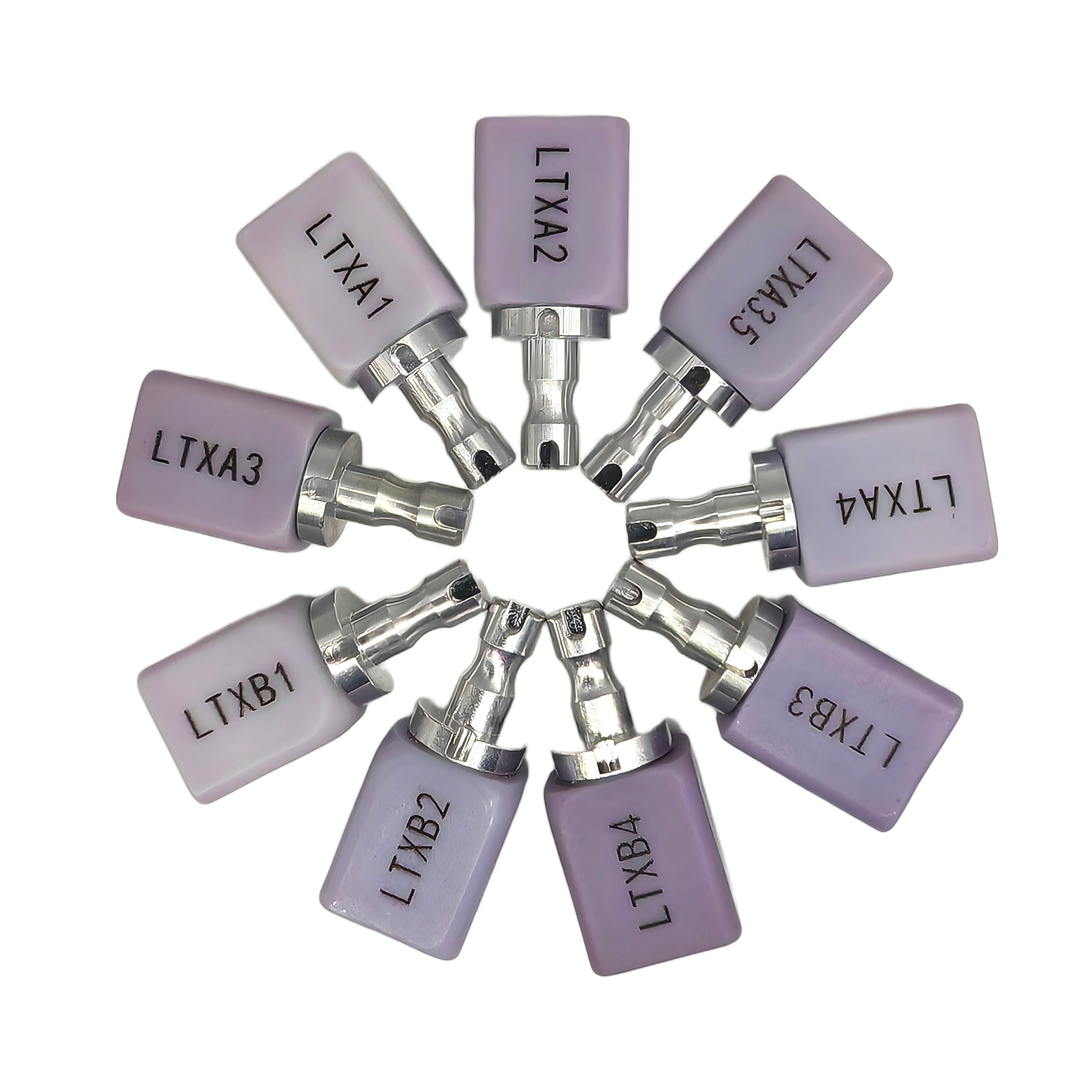
When selecting a restorative material for dental veneers, practitioners face a critical decision that directly impacts clinical outcomes, patient satisfaction, and long-term success. Dental lithium disilicate glass ceramic has emerged as the gold standard for veneer applications, offering a unique combination of optical properties, mechanical strength, and biocompatibility that traditional materials struggle to match. Understanding why dental lithium disilicate glass ceramic delivers superior performance requires examining its material composition, clinical advantages, and proven track record in contemporary cosmetic and restorative dentistry.
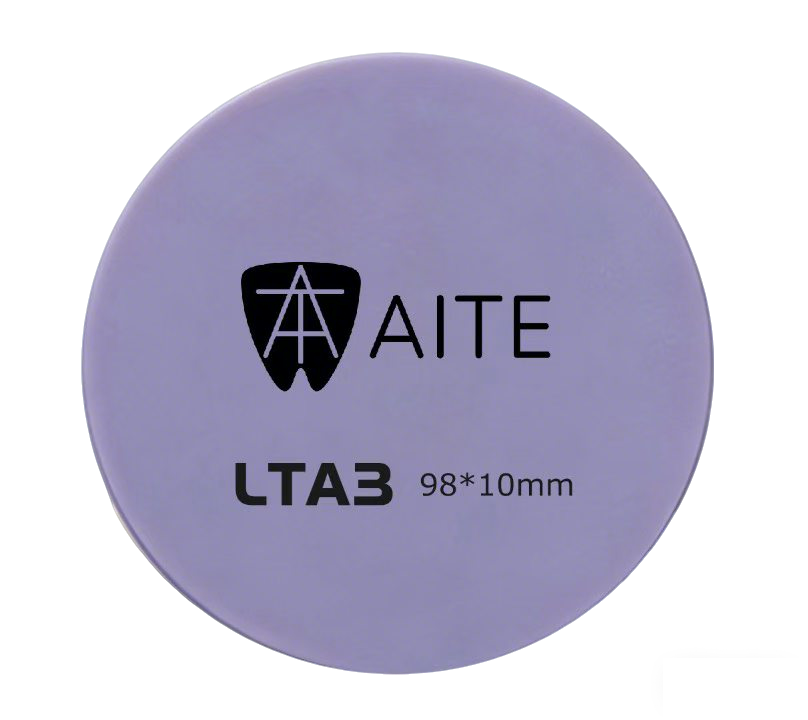
Dental lithium disilicate glass ceramic represents a sophisticated advancement in biomaterial science, engineered specifically to meet the demanding aesthetic and functional requirements of anterior tooth restorations. The material combines the optical clarity and translucency of glass with the durability and strength of ceramic, creating a restoration that mimics natural tooth structure with exceptional precision. This article explores the fundamental reasons why dental lithium disilicate glass ceramic has become the preferred choice for veneer fabrication among leading dental laboratories and clinical practitioners worldwide.
Superior Optical Properties and Aesthetic Excellence
Light Transmission and Color Matching Capabilities
The optical performance of dental lithium disilicate glass ceramic distinguishes it fundamentally from alternative veneer materials. Dental lithium disilicate glass ceramic exhibits a translucency index that closely mirrors natural dental enamel, allowing light to penetrate and scatter through the restoration in a biologically authentic manner. This characteristic enables dental lithium disilicate glass ceramic to reflect and refract light precisely as a natural tooth does, producing restorations that appear indistinguishable from surrounding dentition even under critical lighting conditions.
Color integration represents a critical factor in veneer success, and dental lithium disilicate glass ceramic delivers unparalleled color stability and matching precision. The material maintains its selected shade consistently throughout the fabrication process, from milling to final cementation, eliminating the shade shift problems that plague less stable ceramic alternatives. Clinicians working with dental lithium disilicate glass ceramic can confidently predict the final restoration appearance, reducing remakes and enhancing predictability in high-visibility smile zones.
Layering Techniques and Customization Options
Dental lithium disilicate glass ceramic accommodates advanced layering and characterization techniques that enable technicians to replicate subtle natural tooth features with remarkable fidelity. The material's homogeneous crystal structure allows for precise staining and surface modification, permitting individual customization of each restoration to match the unique characteristics of adjacent natural teeth. Dental lithium disilicate glass ceramic can be selectively tinted to incorporate mamelons, incisal translucency gradients, and characterization features that enhance the perceived naturalness of the veneer restoration.
Mechanical Strength and Longevity Performance
Fracture Resistance and Clinical Durability
The mechanical properties of dental lithium disilicate glass ceramic provide exceptional resistance to fracture and wear, ensuring long-term restoration integrity even in demanding clinical scenarios. Dental lithium disilicate glass ceramic exhibits a flexural strength ranging from 350 to 400 megapascals, substantially exceeding the performance of conventional feldspathic porcelain and matching or surpassing many alternative ceramic systems. This superior strength profile allows fabrication of thinner veneer restorations without compromising durability, reducing the amount of tooth structure that must be removed during preparation.
Dental lithium disilicate glass ceramic demonstrates remarkable resistance to chipping and margin fracture, complications that frequently compromise veneer longevity in clinical practice. The material's crystalline reinforcement structure creates stress-absorbing pathways that redirect and dissipate functional forces before reaching catastrophic failure thresholds. Clinical studies demonstrate that dental lithium disilicate glass ceramic veneer restorations maintain structural integrity across multiple years of normal mastication and parafunction, with failure rates substantially lower than alternative aesthetic veneer materials.
Wear Characteristics and Opposing Dentition Compatibility
The wear profile of dental lithium disilicate glass ceramic represents a critical consideration in veneer material selection, particularly when opposing natural dentition. Dental lithium disilicate glass ceramic exhibits wear rates comparable to natural dental enamel, protecting the antagonistic dentition from the accelerated wear that can result from harder ceramic alternatives. This favorable wear behavior ensures that veneer restorations do not create destructive contact relationships with opposing teeth, preventing secondary complications and maintaining long-term occlusal stability.
Biocompatibility and Clinical Predictability
Tissue Response and Biological Integration
Dental lithium disilicate glass ceramic demonstrates exceptional biocompatibility with oral tissues, including gingiva, periodontal structures, and underlying dentin. The material exhibits minimal cytotoxicity in laboratory assessments and clinical studies, with no reported adverse tissue responses when properly fabricated and cemented. Dental lithium disilicate glass ceramic margins integrate smoothly with prepared tooth surfaces without promoting inflammation, gingivitis, or marginal discoloration, facilitating excellent long-term tissue health around veneer restorations.
The biocompatibility profile of dental lithium disilicate glass ceramic extends to the cementation interface and sub-restoration environment. When properly bonded with contemporary adhesive systems, dental lithium disilicate glass ceramic creates a durable, hermetically sealed restoration that prevents microleakage and marginal staining. The material's inert surface chemistry prevents chemical interaction with resin cements, oral fluids, or tissue fluids, maintaining restoration integrity and preventing secondary caries or periodontal complications.
Milling Precision and Fabrication Consistency
Dental lithium disilicate glass ceramic can be precisely milled from prefabricated blocks using computer-aided design and computer-aided manufacturing technology, ensuring exceptional accuracy and consistency across all restorations. The material's uniform microstructure mills cleanly without chipping or microcracking, producing margin geometry precise enough for passive seating without adjustment. This manufacturing consistency means that every veneer fabricated from dental lithium disilicate glass ceramic meets identical quality standards, eliminating batch-to-batch variability that compromises clinical outcomes.
Clinical Application and Patient Outcomes
Preparation Technique and Tooth Conservation
The exceptional strength of dental lithium disilicate glass ceramic allows veneer preparation with minimal tooth reduction, reducing the invasiveness of cosmetic veneer procedures. Dental lithium disilicate glass ceramic veneers can be successfully fabricated with thicknesses as thin as 0.5 millimeters in the incisal region and 0.7 millimeters at the cervical margin, necessitating less aggressive tooth preparation than alternative materials. This conservative preparation philosophy preserves pulpal vitality, maintains tooth structure for future retreatment options, and enhances the reversibility profile of veneer therapy.
Cementation and Long-Term Retention
Dental lithium disilicate glass ceramic exhibits excellent adhesive bonding characteristics when properly surface-treated with hydrofluoric acid etching and silane coupling agents. The etched surface of dental lithium disilicate glass ceramic creates micro-mechanical interlocking zones that facilitate reliable bonding to contemporary resin cements, generating durable veneer-to-tooth interfaces with high retention rates. Long-term clinical follow-up data demonstrate that properly fabricated and cemented dental lithium disilicate glass ceramic veneer restorations remain stable and esthetic for extended periods, with bonded failure rates among the lowest of all veneer material systems.
FAQ
What makes dental lithium disilicate glass ceramic superior to traditional feldspathic porcelain for veneers?
Dental lithium disilicate glass ceramic offers substantially higher fracture resistance, improved optical properties including superior translucency, and better wear compatibility with natural opposing dentition compared to feldspathic porcelain. Dental lithium disilicate glass ceramic demonstrates flexural strength exceeding 350 megapascals, while traditional feldspathic materials typically range from 80 to 120 megapascals. Additionally, dental lithium disilicate glass ceramic allows thinner restoration fabrication while maintaining durability, requiring less tooth preparation and providing superior long-term clinical performance.
How does the translucency of dental lithium disilicate glass ceramic enhance veneer esthetics?
The translucency of dental lithium disilicate glass ceramic mimics natural enamel light transmission, allowing light to penetrate and scatter through the restoration in an optically authentic manner. This translucency characteristic enables dental lithium disilicate glass ceramic veneer restorations to integrate seamlessly with adjacent natural teeth, appearing indistinguishable under clinical lighting conditions. Dental lithium disilicate glass ceramic also facilitates subtle characterization and incisal translucency effects that enhance perceived naturalness and eliminate the flat, opaque appearance common with less translucent ceramic alternatives.
Can dental lithium disilicate glass ceramic veneers be repaired if damaged?
While minor surface modifications can sometimes be achieved through selective polishing or characterization techniques, significant structural damage to dental lithium disilicate glass ceramic veneers typically necessitates restoration replacement rather than repair. The brittle nature of the ceramic material limits practical repair options compared to some alternative veneer systems. However, the exceptional durability of dental lithium disilicate glass ceramic means that restoration damage remains uncommon in routine clinical practice, with most restorations maintained intact throughout their service life.