
 EN
EN
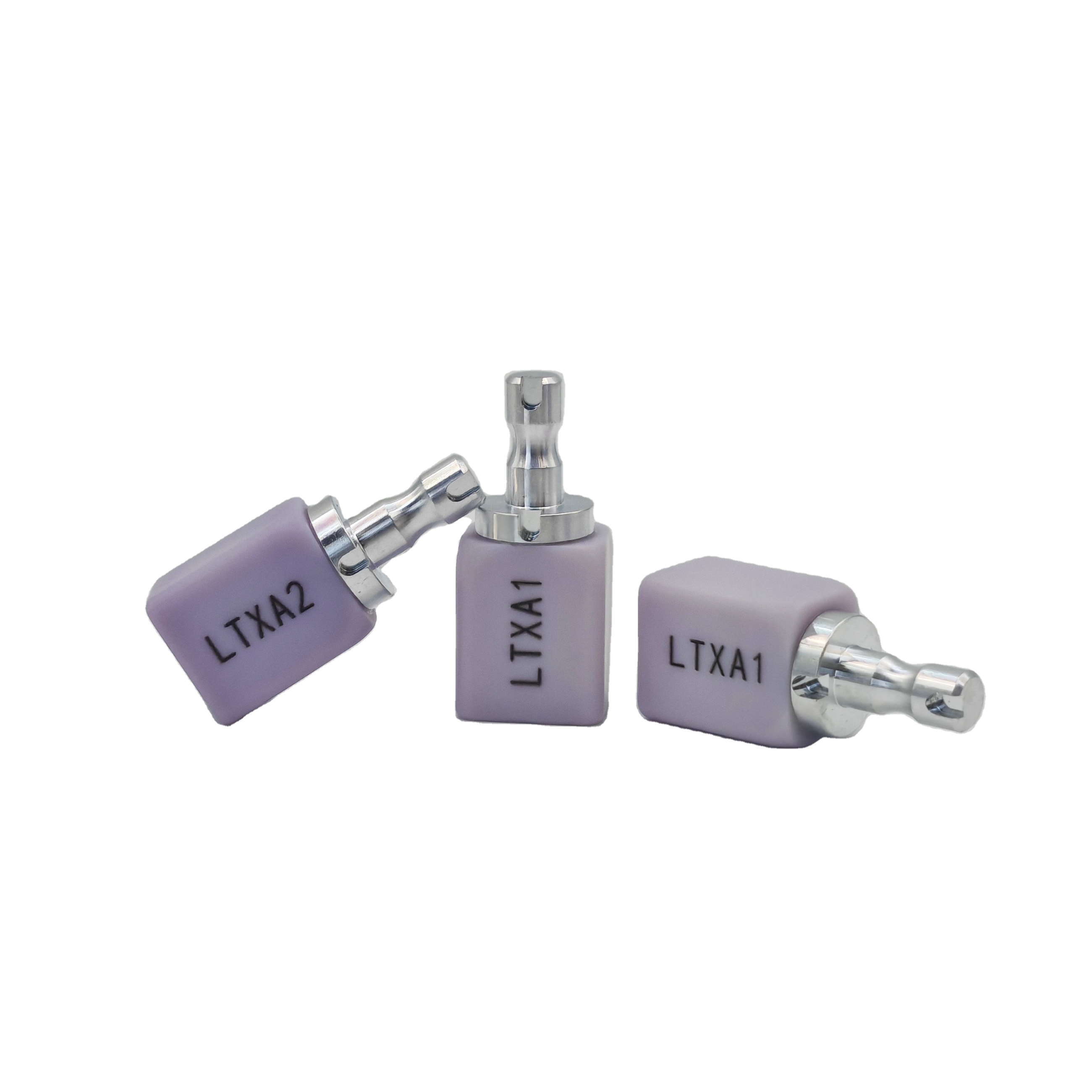
Processing dental lithium disilicate glass ceramic requires precision, technical knowledge, and adherence to specific protocols to achieve superior clinical outcomes. Dental lithium disilicate glass ceramic represents one of the most versatile and widely adopted materials in modern restorative dentistry, offering exceptional esthetics, strength, and biocompatibility. Understanding the complete processing workflow ensures that practitioners and laboratory technicians can maximize the material's potential and deliver restorations that meet both functional and aesthetic demands.
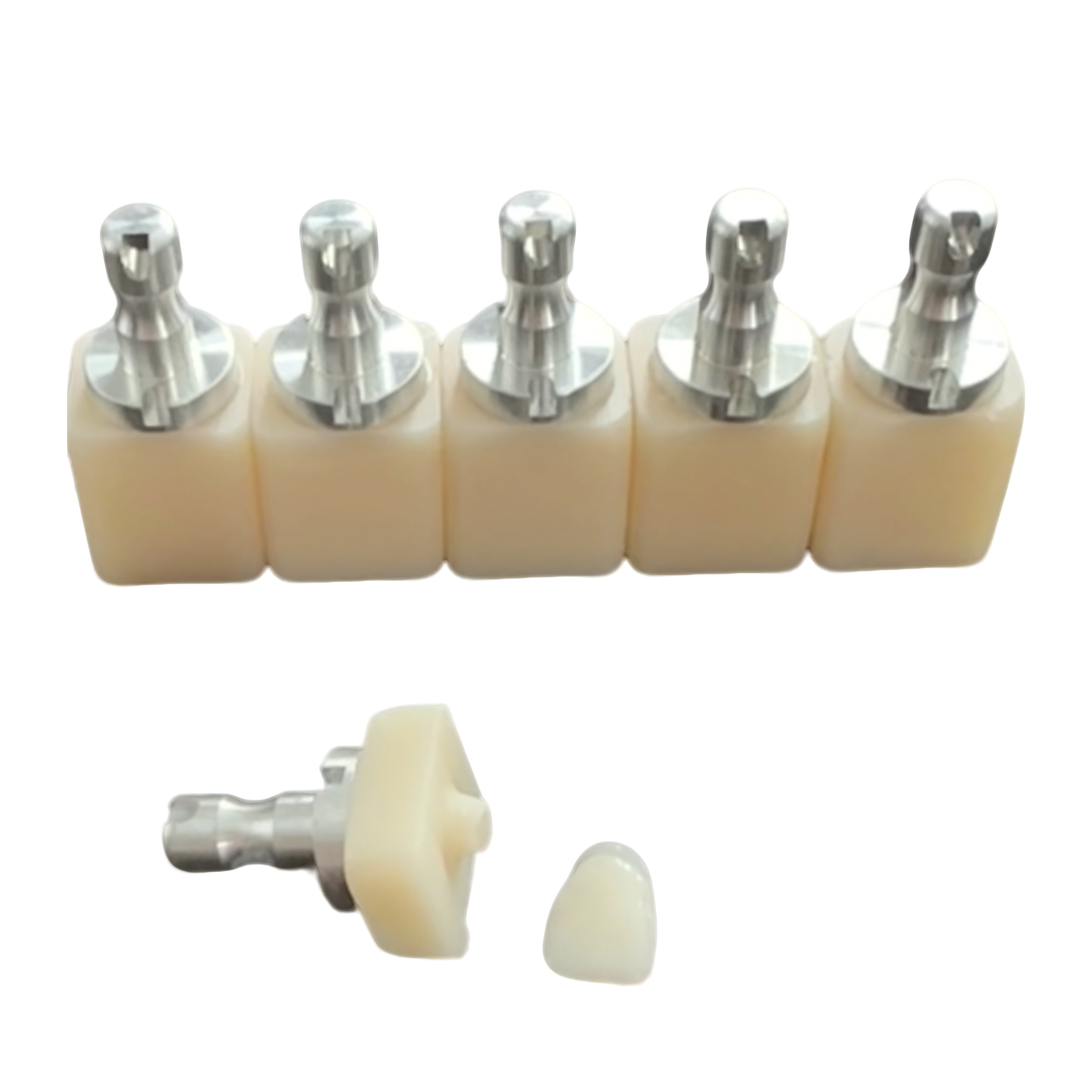
The processing of dental lithium disilicate glass ceramic involves multiple stages, from initial material selection through final surface finishing. Each stage demands careful attention to material specifications, equipment calibration, and handling protocols to ensure the restoration maintains its structural integrity and esthetic properties throughout the fabrication process.
Understanding Material Properties and Pre-Processing Preparation
Composition and Physical Characteristics
Dental lithium disilicate glass ceramic is engineered through a controlled crystallization process that develops distinct crystalline phases within a glassy matrix. When processing dental lithium disilicate glass ceramic, technicians must recognize that the material's composition directly influences milling behavior, strength development, and final esthetic appearance. The material typically contains approximately 70 percent crystalline phase by volume, which provides exceptional strength while maintaining optical properties necessary for esthetic restorations. Understanding these fundamental properties allows professionals to anticipate how the dental lithium disilicate glass ceramic will respond to various processing techniques and environmental conditions.
Pre-Processing Assessment and Selection
Before beginning the processing workflow, selecting the appropriate shade and form of dental lithium disilicate glass ceramic is essential for achieving desired clinical results. Processing dental lithium disilicate glass ceramic starts with evaluating the restoration type, shade requirements, and anatomical considerations that will influence material selection. Blocks, discs, or ingots of dental lithium disilicate glass ceramic come in various opacity levels and shade ranges designed for different clinical scenarios. Proper pre-processing assessment ensures that the chosen dental lithium disilicate glass ceramic form aligns with the specific restoration requirements and milling capabilities available in your laboratory environment.
Milling and Shaping Techniques for Dental Lithium Disilicate Glass Ceramic
CAD-CAM Milling Process
Computer-aided design and manufacturing systems represent the standard approach for processing dental lithium disilicate glass ceramic in contemporary dental laboratories. When milling dental lithium disilicate glass ceramic, equipment operators must ensure that spindle speeds, cutting parameters, and tool geometry align with the material's machining characteristics. Optimal milling of dental lithium disilicate glass ceramic typically requires spindle speeds between 6,000 and 10,000 rotations per minute, with appropriate cutting strategies that minimize thermal stress and subsurface microcracks. Processing dental lithium disilicate glass ceramic through CAD-CAM milling delivers precise anatomical forms while preserving the material's crystalline structure and strength properties essential for long-term clinical success.
Manual Finishing and Anatomical Refinement
After milling, refining the restoration geometry through manual finishing techniques enhances both esthetic and functional characteristics. Processing dental lithium disilicate glass ceramic manually involves using diamond burs and fine abrasive tools to adjust anatomical contours, contact points, and marginal fit. Skilled technicians understand that careful hand-finishing of dental lithium disilicate glass ceramic preserves the material's surface quality while enabling precise adjustments impossible through milling alone. This stage requires patience and expertise to avoid introducing micro-fractures or stress concentrations that could compromise the final restoration's durability.
Surface Treatment and Finishing of Dental Lithium Disilicate Glass Ceramic
Crystallization Heat Treatment
Heat treatment is a critical component of processing dental lithium disilicate glass ceramic, particularly when working with pre-crystallized or partially crystallized blanks. Many modern systems for processing dental lithium disilicate glass ceramic include optional crystallization firing cycles that further strengthen the material and optimize its esthetic properties. Controlled heating of dental lithium disilicate glass ceramic to specific temperatures promotes additional crystal growth, increasing strength while simultaneously enhancing optical characteristics and color depth. This heat treatment stage in the dental lithium disilicate glass ceramic processing sequence transforms the restoration from a milled blank into a fully matured clinical restoration ready for surface treatment and cementation.
Glazing and Surface Finishing Protocols
Surface preparation is essential when processing dental lithium disilicate glass ceramic for final aesthetic refinement and functional performance. Applying glaze to processed dental lithium disilicate glass ceramic creates a smooth, highly polished surface that enhances light reflection and improves the restoration's esthetic appearance. Many laboratories utilize specialized glaze materials specifically formulated for dental lithium disilicate glass ceramic that bond effectively to the crystalline surface while maintaining color accuracy. When finishing dental lithium disilicate glass ceramic, avoiding aggressive polishing or unnecessary surface texturing preserves the material's inherent strength while delivering the smooth, natural appearance that patients expect from contemporary esthetic restorations.
Stain Application and Characterization
For enhanced esthetic outcomes, applying stains to processed dental lithium disilicate glass ceramic allows customization of shade, translucency, and surface characteristics. Staining dental lithium disilicate glass ceramic requires careful application of specially formulated stain materials that adhere to the crystalline surface without compromising structural integrity. Skilled technicians understand that staining dental lithium disilicate glass ceramic is particularly effective for achieving natural color gradation, characterizing cuspal anatomy, and replicating the subtle optical effects found in natural teeth. This advanced processing technique elevates the esthetic quality of dental lithium disilicate glass ceramic restorations while maintaining all the material's superior mechanical and biological properties.
FAQ
What equipment is necessary for processing dental lithium disilicate glass ceramic?
Modern dental laboratories require a CAD-CAM milling system capable of machining dense crystalline materials, specialized burs designed for processing dental lithium disilicate glass ceramic, a programmable furnace for heat treatment cycles, and finishing tools including diamond burs and polishing systems. Processing dental lithium disilicate glass ceramic effectively demands investment in equipment specifically calibrated for dense glass ceramic materials, as general-purpose milling systems may produce suboptimal results. Additionally, a shade-matching system and quality control measurement devices ensure that processed dental lithium disilicate glass ceramic meets precise clinical and esthetic specifications.
Can dental lithium disilicate glass ceramic be adjusted after milling is complete?
Yes, processed dental lithium disilicate glass ceramic can be carefully adjusted using fine diamond burs and hand instruments to refine anatomy, contacts, and margins. However, extensive adjustments to dental lithium disilicate glass ceramic after milling should be avoided to prevent introducing stress concentrations or micro-fractures. Minor modifications to fit, contacts, and esthetic details are normal during processing dental lithium disilicate glass ceramic, but major anatomical changes may compromise the restoration's strength and longevity. Precision milling planning and accurate digital design minimize the need for significant post-milling adjustments to dental lithium disilicate glass ceramic restorations.
How does crystallization affect processing outcomes for dental lithium disilicate glass ceramic?
The crystallization stage fundamentally transforms processed dental lithium disilicate glass ceramic by increasing strength, optimizing esthetic properties, and stabilizing the material's final form. Processing dental lithium disilicate glass ceramic with appropriate crystallization cycles promotes controlled crystal growth that enhances both mechanical strength and optical clarity. Proper crystallization of dental lithium disilicate glass ceramic ensures that the final restoration achieves maximum strength potential while developing the natural translucency and color depth necessary for superior esthetic outcomes. Understanding the relationship between processing parameters and crystallization outcomes enables technicians to consistently deliver high-quality processed dental lithium disilicate glass ceramic restorations that exceed clinical expectations.