
 EN
EN
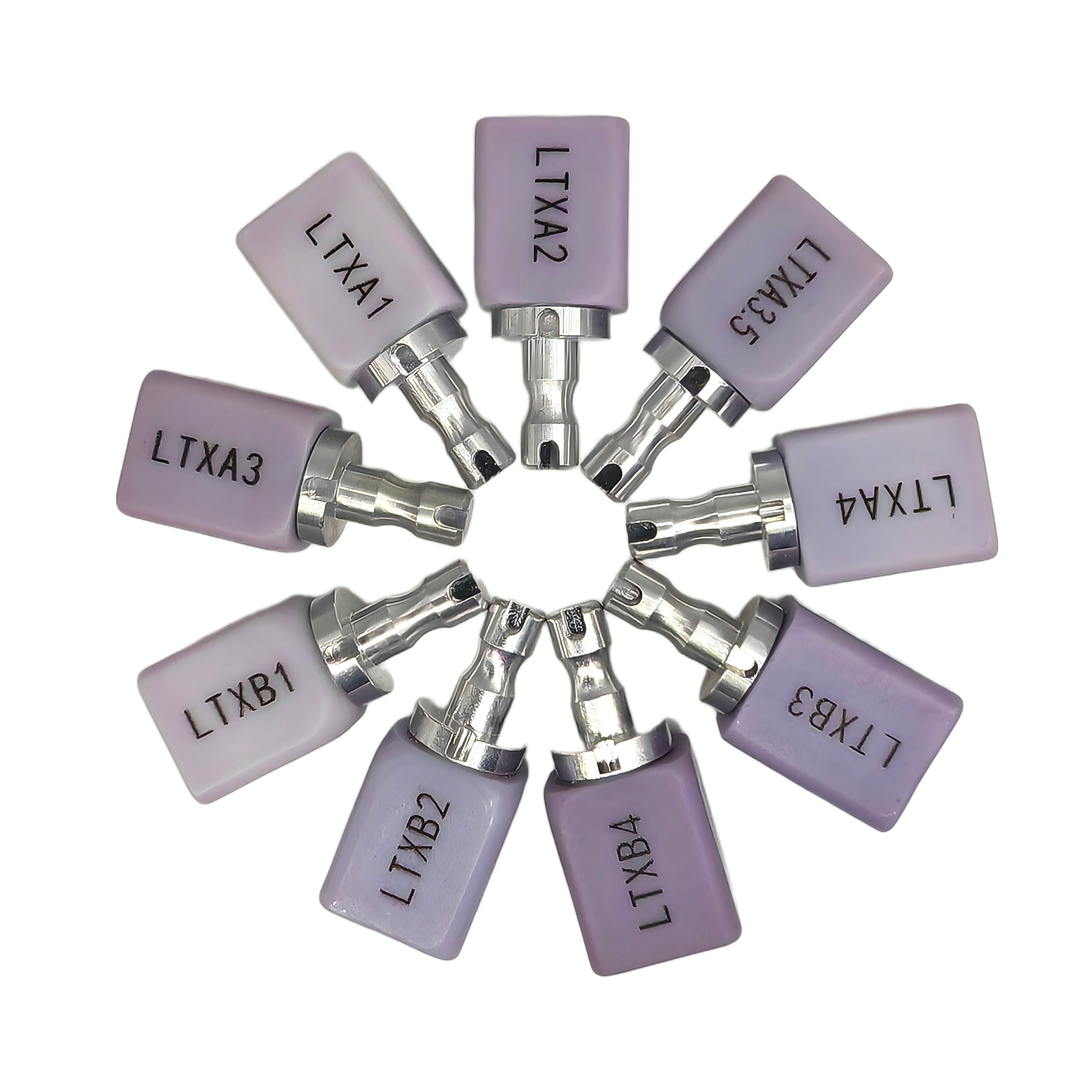
Selecting the right restorative material is one of the most critical decisions in modern dentistry, and dental lithium disilicate glass ceramic has emerged as a leading choice for practitioners seeking durability, esthetics, and clinical predictability. Understanding when to use dental lithium disilicate glass ceramic requires knowledge of its unique properties, clinical advantages, and ideal application scenarios. This material represents a significant advancement in CAD/CAM technology, offering superior translucency and strength compared to traditional ceramics. The decision to choose dental lithium disilicate glass ceramic depends on patient needs, clinical requirements, and the specific restoration type being planned.
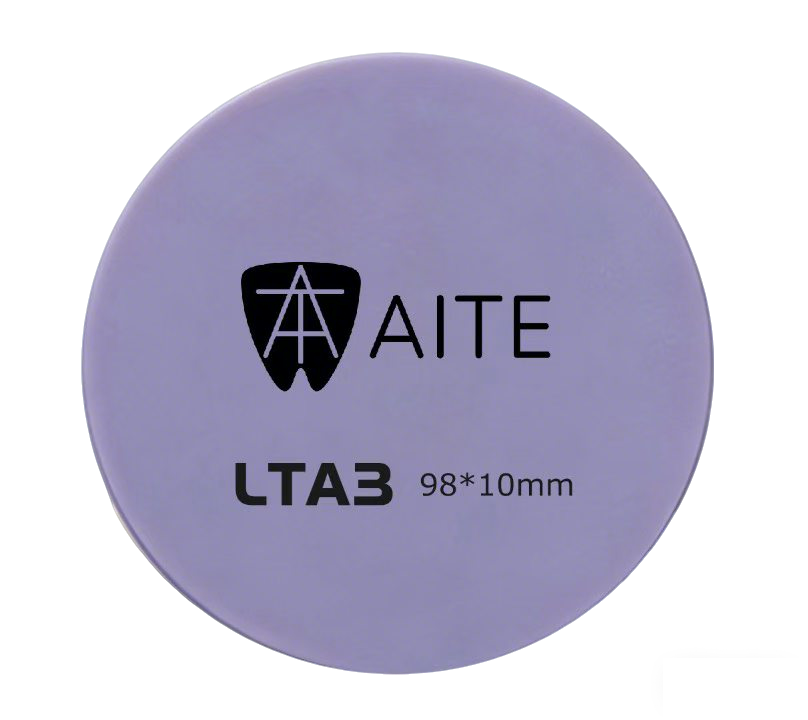
The versatility of dental lithium disilicate glass ceramic makes it suitable for numerous clinical situations, from single-unit crowns to complex multi-tooth restorations. Practitioners who understand the material science behind dental lithium disilicate glass ceramic can make informed decisions that enhance patient outcomes and practice efficiency. This glass ceramic material combines the esthetic excellence of ceramics with the mechanical strength needed for demanding clinical situations. Learning when to choose dental lithium disilicate glass ceramic ensures you maximize both clinical success and patient satisfaction.
Superior Esthetic Outcomes with Dental Lithium Disilicate Glass Ceramic
Translucency and Light Transmission Properties
One of the primary reasons practitioners choose dental lithium disilicate glass ceramic is its exceptional optical properties. The material exhibits natural light transmission that closely mimics tooth structure, allowing light to diffuse through the restoration similar to natural enamel and dentin. This optical behavior is crucial when anterior teeth require restorations that blend seamlessly with remaining natural teeth. Dental lithium disilicate glass ceramic's translucency eliminates the chalky appearance common with older ceramic materials and prevents the dark line often visible at the gum line with metal-based restorations.
Color Stability and Customization
Dental lithium disilicate glass ceramic allows technicians to customize shade and characterization to match individual patient dentition precisely. The material maintains color stability over time, resisting discoloration and staining that might compromise esthetics years after placement. When you choose dental lithium disilicate glass ceramic, you're investing in a material that preserves the esthetic investment for the patient's benefit. The ability to characterize surface effects, internal coloration, and translucency zones makes dental lithium disilicate glass ceramic ideal for cases where natural appearance is paramount.
Clinical Strength and Longevity Benefits
Mechanical Properties and Durability
When deciding to choose dental lithium disilicate glass ceramic, understanding its mechanical performance is essential. This material offers flexural strength ranging from 300 to 400 megapascals, making it suitable for posterior restorations and high-stress situations. The crystalline microstructure of dental lithium disilicate glass ceramic distributes stress effectively, reducing the risk of catastrophic fracture compared to brittle conventional ceramics. Case longevity studies demonstrate that dental lithium disilicate glass ceramic restorations consistently perform well over 10+ years, even in demanding clinical situations requiring significant mastication force.
Material Wear Characteristics
Practitioners often choose dental lithium disilicate glass ceramic because its wear characteristics are favorable for opposing natural dentition. The material is engineered to provide controlled wear that closely matches natural tooth enamel, preventing excessive wear on opposing natural teeth or implant restorations. Unlike harder ceramics that may damage opposing dentition over time, dental lithium disilicate glass ceramic maintains a balanced wear pattern. When patients present with heavy occlusion or bruxism concerns, selecting dental lithium disilicate glass ceramic becomes particularly strategic for protecting the long-term health of opposing teeth.
Clinical Indications and Decision Factors
Ideal Restoration Types
Determining when to choose dental lithium disilicate glass ceramic begins with identifying restoration type requirements. Single-unit crowns represent one of the most common applications where dental lithium disilicate glass ceramic excels, particularly for anterior teeth requiring maximum esthetics. Multi-unit bridge applications benefit from dental lithium disilicate glass ceramic's strength and monolithic construction options. Inlay and onlay restorations frequently utilize dental lithium disilicate glass ceramic technology due to its conservative preparation requirements and excellent marginal fit. Veneer applications showcase dental lithium disilicate glass ceramic's translucency, making it the material of choice for smile transformations.
Patient-Specific Selection Criteria
Patient factors significantly influence whether to choose dental lithium disilicate glass ceramic for any given case. Young patients with high esthetic expectations benefit tremendously from dental lithium disilicate glass ceramic's natural appearance and color matching capabilities. Patients with metal allergies find dental lithium disilicate glass ceramic an excellent metal-free alternative that maintains biocompatibility. When patients present with heavy occlusion or demonstrate grinding habits, selecting dental lithium disilicate glass ceramic provides confidence in material durability and longevity. Consider the patient's commitment to maintenance, as dental lithium disilicate glass ceramic restorations require standard hygiene practices and regular clinical monitoring.
Clinical Situation Assessment
Esthetic zone requirements strongly influence decisions to choose dental lithium disilicate glass ceramic for restoration placement. Anterior teeth with high smile visibility typically warrant dental lithium disilicate glass ceramic selection for optimal esthetics and light-reactive properties. Posterior cases with visible buccal aspects often benefit from dental lithium disilicate glass ceramic's superior translucency compared to opaque alternatives. When assessing preparation geometry, dental lithium disilicate glass ceramic accommodates various preparation designs, from full-contour restorations to layered constructions. Marginal location considerations matter when you choose dental lithium disilicate glass ceramic, as subgingival margins must account for the material's esthetic priority.
FAQ
What is the primary advantage of choosing dental lithium disilicate glass ceramic over traditional porcelain?
Dental lithium disilicate glass ceramic combines superior translucency with enhanced mechanical strength that traditional porcelain cannot match. The material's optical properties allow natural light transmission through the restoration, creating esthetics that closely mimic natural tooth structure. Additionally, dental lithium disilicate glass ceramic resists fracture better than conventional ceramics, particularly in posterior applications. The material's balanced properties make it suitable for demanding clinical situations where both esthetics and durability are essential requirements.
Can dental lithium disilicate glass ceramic be used for posterior restorations?
Yes, dental lithium disilicate glass ceramic is highly suitable for posterior restorations due to its excellent mechanical properties and flexural strength. Many practitioners choose dental lithium disilicate glass ceramic specifically for posterior applications where traditional ceramics might fracture under mastication forces. The material's durability makes it particularly appropriate for patients with heavy occlusion or a history of grinding. Case studies consistently demonstrate that dental lithium disilicate glass ceramic performs reliably in posterior crowns, bridges, and inlay restorations over extended clinical observation periods.
How does dental lithium disilicate glass ceramic affect the opposing natural dentition?
Dental lithium disilicate glass ceramic exhibits wear characteristics that are gentler on opposing natural teeth compared to many harder ceramic materials. The material's engineering creates a balanced wear pattern that closely matches natural enamel wear, protecting the long-term health of opposing dentition. Practitioners who choose dental lithium disilicate glass ceramic often report improved patient satisfaction because natural tooth wear remains minimal over years of function. The material's wear properties make it an excellent choice for patients concerned about damaging existing natural teeth with overly hard restorative materials.