
 EN
EN
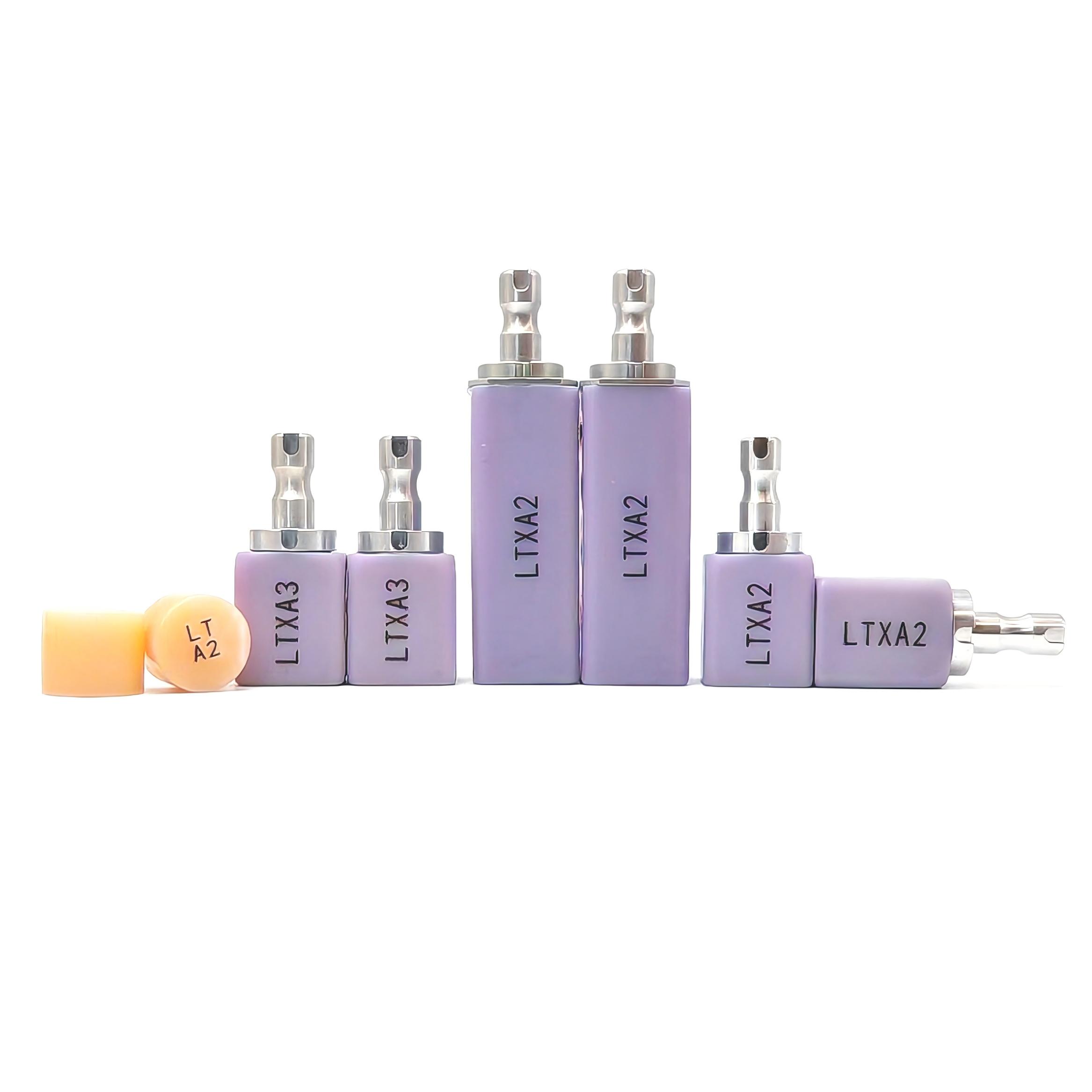
Polishing dental lithium disilicate glass ceramic restorations represents one of the most critical phases in achieving clinically excellent and esthetically superior outcomes. The dental lithium disilicate glass ceramic material has become increasingly popular in modern prosthodontics due to its exceptional strength, translucency, and biocompatibility. However, the true beauty and longevity of dental lithium disilicate glass ceramic restorations depend heavily on the precision and technique applied during the polishing stage. Unlike other dental materials, dental lithium disilicate glass ceramic requires a methodical approach to polishing to avoid surface damage, microcracks, or altered optical properties that could compromise the final restoration.
Understanding the unique characteristics of dental lithium disilicate glass ceramic is essential before beginning any polishing protocol. This crystalline material consists of lithium disilicate crystals embedded in a glassy matrix, creating a structure that demands specific handling. The polishing process for dental lithium disilicate glass ceramic must preserve both the structural integrity and the translucent quality that makes this material so clinically desirable. Improper polishing techniques can lead to surface roughness, loss of gloss, or even subsurface damage that weakens the restoration and accelerates degradation in the oral environment.
Understanding Dental Lithium Disilicate Glass Ceramic Properties
Material Composition and Structure
Dental lithium disilicate glass ceramic is engineered to combine the strength of crystalline ceramics with the esthetics of glass-like materials. The dental lithium disilicate glass ceramic matrix contains approximately 70% crystalline phase by volume, with needle-like lithium disilicate crystals dispersed throughout a glassy phase. This unique composition gives dental lithium disilicate glass ceramic its characteristic properties: high flexural strength ranging from 350–430 MPa, excellent color stability, and superior translucency compared to traditional feldspathic ceramics. When polishing dental lithium disilicate glass ceramic, technicians must recognize that aggressive techniques can expose or damage these crystals, resulting in surface defects that compromise both esthetics and function.
Why Polishing Dental Lithium Disilicate Glass Ceramic Matters
The surface finish of dental lithium disilicate glass ceramic directly influences plaque accumulation, periodontal health, and patient satisfaction. A smooth, well-polished surface on dental lithium disilicate glass ceramic reduces biofilm adherence and allows for easier patient maintenance. Additionally, the optical properties of dental lithium disilicate glass ceramic depend on surface reflectance and light transmission—factors that are significantly altered by improper polishing. A correctly polished dental lithium disilicate glass ceramic restoration exhibits superior gloss, better color matching with natural teeth, and enhanced longevity. The time invested in proper polishing of dental lithium disilicate glass ceramic pays dividends in clinical performance and patient outcomes.
Step-by-Step Polishing Technique for Dental Lithium Disilicate Glass Ceramic
Initial Preparation and Grading Strategy
Begin polishing dental lithium disilicate glass ceramic restorations by assessing the current surface finish and determining the appropriate starting abrasive grade. Most dental lithium disilicate glass ceramic restorations from the laboratory arrive with a pre-polished or glazed surface; however, minor adjustments and final refinement are often necessary. Start with moderate-grit instruments to remove any minor scratches or imperfections on the dental lithium disilicate glass ceramic surface without introducing deeper marks. Using a systematic progression from coarser to finer abrasives ensures that polishing dental lithium disilicate glass ceramic maintains the material's integrity and optical clarity. Avoid jumping directly to fine polishing compounds; instead, follow a gradual sequence that respects the material's crystalline structure.
Advanced Polishing Sequence and Tool Selection
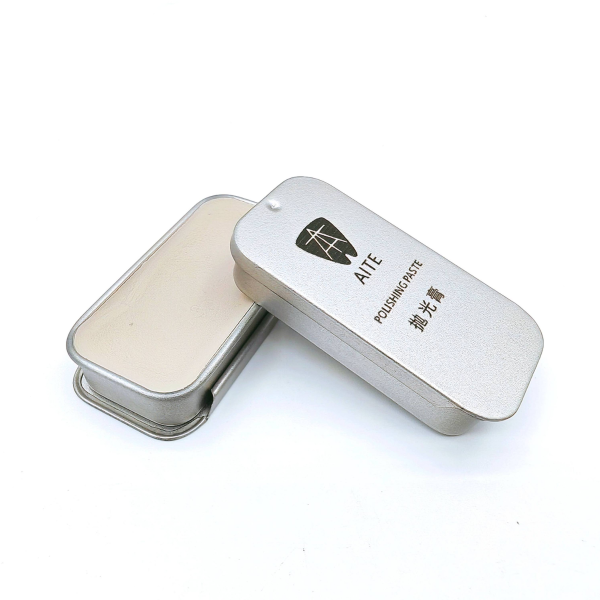
The optimal technique for polishing dental lithium disilicate glass ceramic involves a multi-stage abrasive progression combined with water cooling. After initial surface preparation, transition to intermediate-grit polishing instruments designed specifically for polishing dental lithium disilicate glass ceramic restorations. Use intermittent, light-pressure strokes rather than aggressive grinding motions when polishing dental lithium disilicate glass ceramic. Always employ water spray to dissipate heat, prevent material degradation, and clear away polishing debris from the dental lithium disilicate glass ceramic surface. Many clinicians and technicians find that polishing dental lithium disilicate glass ceramic with specialized composite polishing pastes yields superior results compared to traditional ceramic polishing compounds. These formulations are optimized for the specific hardness and crystal structure of dental lithium disilicate glass ceramic materials.
Best Practices and Common Pitfalls in Polishing Dental Lithium Disilicate Glass Ceramic
Optimal Parameters and Environmental Control
Successful polishing of dental lithium disilicate glass ceramic requires attention to multiple variables simultaneously. Maintain moderate handpiece speeds between 10,000 and 15,000 RPM when polishing dental lithium disilicate glass ceramic to balance efficiency with material preservation. Excessive speed generates heat that can alter the glaze or create micro-fractures in the dental lithium disilicate glass ceramic matrix. Ensure adequate water spray and proper ventilation throughout the polishing process for dental lithium disilicate glass ceramic restorations. Apply the polishing instrument with light, controlled pressure—never force or bear down heavily when polishing dental lithium disilicate glass ceramic, as this accelerates wear and damage. The final polish should be achieved using fine-grit instruments and specialized polishing pastes formulated for dental lithium disilicate glass ceramic materials.
Avoiding Damage and Achieving Superior Results
Common mistakes in polishing dental lithium disilicate glass ceramic include using diamond instruments at excessive speeds, failing to use adequate cooling, and attempting to polish without a clear progression strategy. Do not rely solely on traditional ceramic polishing burs; instead, select instruments specifically engineered for polishing dental lithium disilicate glass ceramic to ensure optimal surface characteristics. Polishing dental lithium disilicate glass ceramic requires patience and precision—rushing this stage often results in surface defects that are difficult to correct. Always inspect the restoration under magnification after polishing dental lithium disilicate glass ceramic to verify that the surface exhibits consistent gloss and clarity. Allow the restoration to cool completely before the final inspection, as dental lithium disilicate glass ceramic may appear slightly different in color and gloss when warm versus at room temperature.
FAQ
What is the ideal polishing time for dental lithium disilicate glass ceramic restorations?
The polishing duration for dental lithium disilicate glass ceramic restorations typically ranges from 10 to 20 minutes, depending on the restoration size, surface condition, and complexity. Polishing dental lithium disilicate glass ceramic should never be rushed; each stage requires adequate time to properly refine the surface without causing damage. The final polish stage for dental lithium disilicate glass ceramic may require 5 to 10 additional minutes to achieve optimal gloss and clarity.
Can polishing dental lithium disilicate glass ceramic restore a dull or scratched surface?
Yes, polishing dental lithium disilicate glass ceramic can restore minor dullness and light surface scratches if caught early. However, deep scratches or gouges in dental lithium disilicate glass ceramic may require more extensive intervention, such as partial grinding and re-glazing. Regular polishing of dental lithium disilicate glass ceramic during maintenance appointments helps preserve the restoration's original luster and prevents progressive surface degradation.
Is it safe to polish dental lithium disilicate glass ceramic in the oral cavity?
In-mouth polishing of dental lithium disilicate glass ceramic is generally safe when performed with proper technique, adequate isolation, and appropriate instrumentation. Many practitioners successfully perform chair-side polishing of dental lithium disilicate glass ceramic restorations to maintain or restore surface gloss during routine appointments. However, care must be taken to avoid heat generation and ensure patient comfort when polishing dental lithium disilicate glass ceramic intraorally.