
 EN
EN
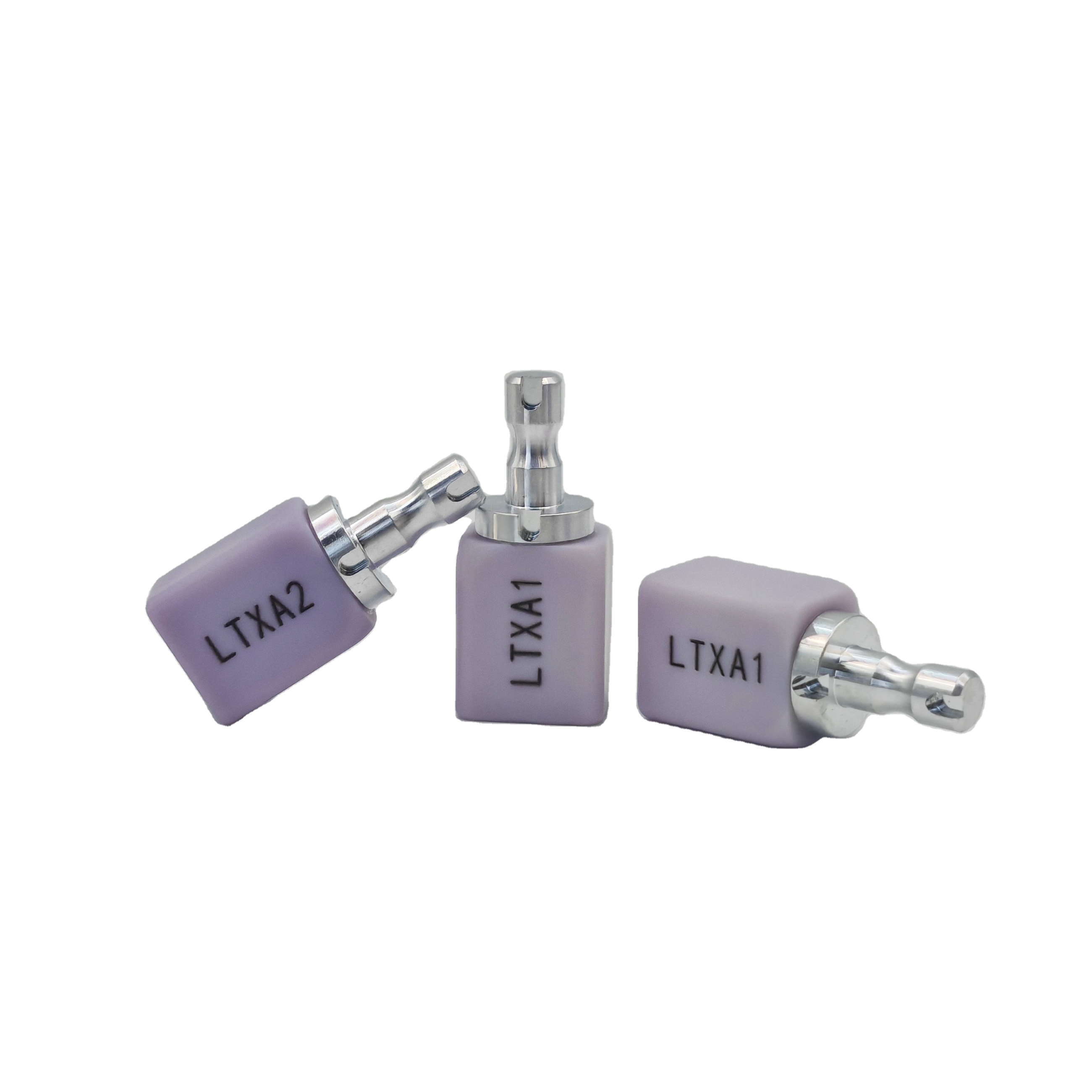
Milling represents one of the most critical manufacturing steps in processing dental lithium disilicate glass ceramic for modern CAD/CAM restorations. Understanding how milling affects dental lithium disilicate glass ceramic properties is essential for clinicians and laboratory professionals seeking to optimize restoration quality, durability, and esthetic outcomes. The milling process directly influences the microstructure, mechanical strength, translucency, and surface finish of dental lithium disilicate glass ceramic materials, ultimately determining clinical success and longevity.
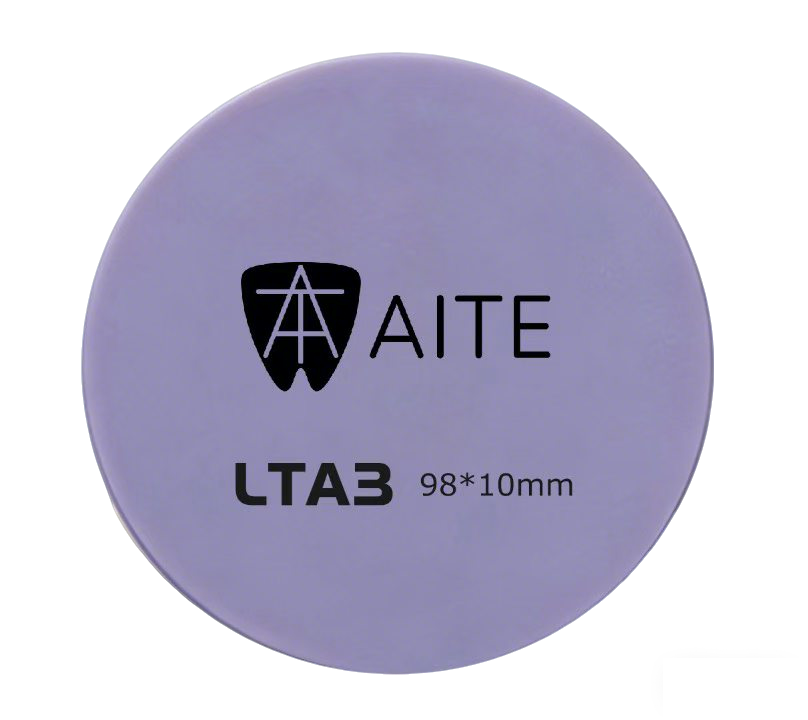
The relationship between milling parameters and dental lithium disilicate glass ceramic performance cannot be overstated. Milling speed, feed rate, tool geometry, and coolant strategy all contribute to surface integrity, residual stress patterns, and the final clinical viability of dental lithium disilicate glass ceramic restorations. Precision milling of dental lithium disilicate glass ceramic ensures consistent material properties and reduces the risk of microcracking or surface degradation that could compromise restoration longevity and esthetic appeal.
Microstructural Changes During Milling of Dental Lithium Disilicate Glass Ceramic
How Milling Stress Affects Crystalline Structure
The milling process subjects dental lithium disilicate glass ceramic to mechanical stress and thermal cycling that can alter its internal crystalline structure. When dental lithium disilicate glass ceramic is machined using rotary burs or CAD/CAM milling units, localized pressure and friction generate heat that may induce phase transformation or microcracking at the material surface. These subsurface defects in dental lithium disilicate glass ceramic are often invisible to the naked eye but can become nucleation sites for fracture under masticatory loading, significantly reducing restoration lifespan.
Optimal milling parameters preserve the original crystalline matrix of dental lithium disilicate glass ceramic by minimizing excessive heat generation and mechanical shock. Slower spindle speeds combined with controlled feed rates allow dental lithium disilicate glass ceramic to be milled without inducing unnecessary stress that could disrupt the lithium disilicate crystal phases embedded within the glassy matrix. Laboratories and milling centers that carefully control these variables typically achieve superior long-term clinical outcomes with dental lithium disilicate glass ceramic restorations compared to those using aggressive milling protocols.
Surface Quality and Subsurface Damage Prevention
Subsurface damage represents one of the most common problems resulting from improper milling of dental lithium disilicate glass ceramic. When dental lithium disilicate glass ceramic is milled with dull instruments or excessive cutting speeds, the material experiences brittle fracture at the microscopic level, creating a damaged zone beneath the restoration surface. This compromised layer in dental lithium disilicate glass ceramic weakens the entire restoration, making it susceptible to chipping, cracking, and accelerated degradation during normal clinical use.
Modern CAD/CAM units designed specifically for dental lithium disilicate glass ceramic employ advanced cutting strategies to minimize subsurface damage. Precision feedback systems and adaptive milling algorithms adjust tool pressure and rotation speed in real-time, ensuring that dental lithium disilicate glass ceramic maintains its structural integrity throughout the milling process. High-quality milling of dental lithium disilicate glass ceramic also produces a smoother surface finish, reducing the need for extensive laboratory finishing and allowing the restoration to reach the mouth in optimal condition.
Mechanical Property Modifications from Milling Parameters
Strength and Flexural Rigidity Impact
The flexural strength of dental lithium disilicate glass ceramic can be significantly affected by milling technique and tool selection. When dental lithium disilicate glass ceramic is milled with precision and minimal thermal stress, the material retains its inherent mechanical properties, typically ranging from 350 to 400 megapascals in flexural strength. Conversely, aggressive or improperly controlled milling of dental lithium disilicate glass ceramic can reduce flexural strength by 10 to 20 percent, compromising the restoration's ability to withstand bite forces and functional stresses.
Laboratory studies consistently demonstrate that milling speed, feed rate, and coolant application directly correlate with the final mechanical properties of dental lithium disilicate glass ceramic. Optimal milling protocols for dental lithium disilicate glass ceramic use moderate spindle speeds between 40,000 and 60,000 revolutions per minute, combined with controlled feed rates that allow the material to cool gradually and uniformly. These parameters preserve the crystalline reinforcement phase within dental lithium disilicate glass ceramic, maintaining the material's capacity to distribute and dissipate stress effectively under clinical loading conditions.
Fracture Resistance and Toughness Considerations
Fracture toughness in dental lithium disilicate glass ceramic is partially determined by the quality of the milled surface and the absence of critical defects. Proper milling of dental lithium disilicate glass ceramic creates a homogeneous surface layer without stress concentrations, allowing the material to absorb energy more effectively during crack propagation. When dental lithium disilicate glass ceramic is milled using suboptimal techniques, surface cracks and microfissures act as stress concentrators that accelerate failure under masticatory loading, significantly reducing the effective fracture toughness of the restoration.
The relationship between milling quality and clinical fracture resistance in dental lithium disilicate glass ceramic restorations has been well-documented in clinical studies. Restorations milled with advanced CAD/CAM systems that prioritize controlled material removal and minimal thermal distortion demonstrate superior fracture resistance compared to manually finished restorations or those processed with older milling technology. Advanced milling of dental lithium disilicate glass ceramic also reduces the formation of residual stress patterns that could initiate failure pathways in the material.
Translucency and Esthetic Properties After Milling
Surface Finish and Light Transmission
Milling directly affects the optical properties of dental lithium disilicate glass ceramic, including translucency, light scattering, and final esthetic appearance. A smooth, precision-milled surface on dental lithium disilicate glass ceramic allows optimal light transmission and creates the desired esthetic characteristics that match natural tooth structure. Surface irregularities, striations, and microcracking introduced by improper milling disrupt light pathways through dental lithium disilicate glass ceramic, causing unintended scattering and potentially altering the color and translucency profile of the restoration.
High-resolution milling equipment specifically designed for dental lithium disilicate glass ceramic produces surface finishes with nanometer-level precision, ensuring consistent light transmission and predictable esthetic outcomes. When dental lithium disilicate glass ceramic is milled with proper technique, the material's inherent translucency is preserved, allowing clinicians to achieve seamless integration with natural dentition without additional surface modifications. Poor milling quality compromises the esthetic potential of dental lithium disilicate glass ceramic, often requiring extensive manual polishing or reglaze procedures that increase production time and introduce additional risk of material degradation.
Glazing and Surface Refinement Post-Milling
The quality of milling in dental lithium disilicate glass ceramic directly determines the extent of secondary finishing and glazing required before clinical delivery. When dental lithium disilicate glass ceramic is precision-milled to near-final dimensions and surface smoothness, laboratory glazing becomes a simple perfection step rather than a major reconstruction process. High-quality milling of dental lithium disilicate glass ceramic creates a surface layer that readily accepts glaze, resulting in a strong bond between the glaze and substrate that enhances longevity and esthetic stability throughout the service life of the restoration.
Conversely, rough or damaged milling surfaces on dental lithium disilicate glass ceramic require aggressive mechanical finishing that increases production costs and material loss. Excessive grinding or refinishing of dental lithium disilicate glass ceramic after suboptimal milling introduces new surface defects and thermal stress, potentially undoing any initial strength benefits. Best practice protocols for dental lithium disilicate glass ceramic involve minimal post-milling finishing when precision CAD/CAM milling is performed correctly, allowing the restoration to proceed directly to clinical cementation with optimal material properties intact.
FAQ
What is the ideal milling speed for dental lithium disilicate glass ceramic?
The optimal milling speed for dental lithium disilicate glass ceramic typically ranges between 40,000 and 60,000 revolutions per minute, depending on the specific equipment, bur geometry, and desired surface finish. Spindle speeds within this range allow controlled material removal while minimizing thermal stress and subsurface microcracking in dental lithium disilicate glass ceramic. Lower speeds reduce the risk of heat-induced phase transformation, while higher speeds within this range can accelerate productivity without compromising the integrity of dental lithium disilicate glass ceramic. Always consult the specific equipment manufacturer's recommendations for your particular CAD/CAM milling unit to achieve the best results with dental lithium disilicate glass ceramic.
Can milling damage affect the longevity of dental lithium disilicate glass ceramic restorations?
Yes, milling damage significantly affects the clinical longevity of dental lithium disilicate glass ceramic restorations. Subsurface microcracking, surface irregularities, and residual stress patterns introduced during poor milling of dental lithium disilicate glass ceramic create stress concentration points that accelerate fracture propagation under masticatory loading. Studies demonstrate that restorations milled with precision techniques show 15 to 25 percent higher survival rates compared to those processed with suboptimal milling parameters. Investing in high-quality CAD/CAM milling for dental lithium disilicate glass ceramic directly translates to improved clinical outcomes, greater patient satisfaction, and reduced replacement costs over time.
How does coolant application during milling affect dental lithium disilicate glass ceramic properties?
Proper coolant application during milling of dental lithium disilicate glass ceramic is critical for maintaining material integrity and preventing thermal damage. Coolant reduces friction heat at the cutting interface, minimizing the risk of phase transformation and microcracking in dental lithium disilicate glass ceramic. Water-based coolant systems specifically formulated for ceramic milling help flush away milled particles and dissipate thermal energy efficiently, allowing dental lithium disilicate glass ceramic to maintain its original crystalline structure and mechanical properties. Inadequate or improper coolant application during milling of dental lithium disilicate glass ceramic can result in localized overheating, surface glazing defects, and weakened material performance, making coolant selection and delivery strategy essential components of quality milling protocols.