
 EN
EN
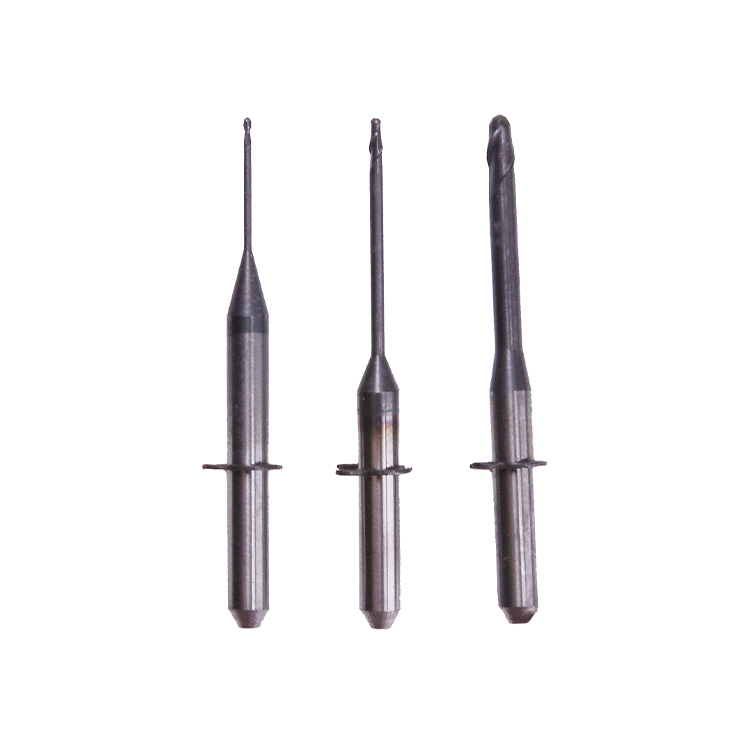
Selecting the right milling burs for your dental laboratory or clinical setting is a critical decision that directly impacts restoration quality, equipment lifespan, and operational efficiency. The choice between wet and dry milling burs represents one of the most fundamental distinctions in milling technology, with each approach offering distinct advantages and limitations. Understanding these differences helps practitioners optimize their milling processes, reduce tool wear, and achieve superior restoration outcomes across various materials and applications.
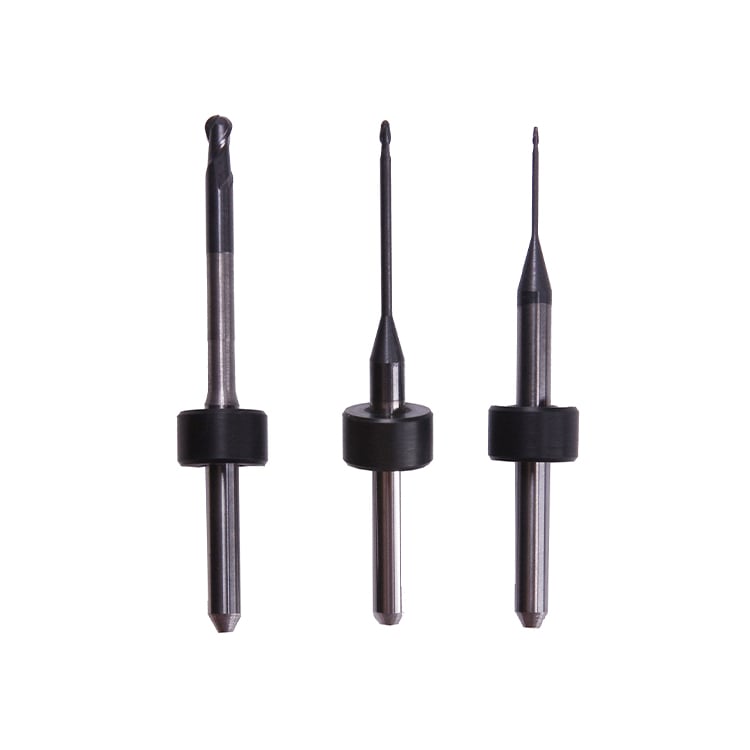
Wet and dry milling burs represent two distinct operational environments, each requiring specific tool design and material composition. The primary difference lies in cooling methodology, lubrication delivery, and the resulting thermal management during the milling process. Choosing between these milling burs demands careful consideration of your equipment capabilities, material types, production volume, and quality expectations. This guide provides practical insight into both approaches to help you make an informed decision that aligns with your laboratory workflow and clinical requirements.
Understanding Wet Milling Burs Technology
Cooling and Lubrication Mechanisms in Wet Milling Burs
Wet milling burs operate with continuous liquid cooling, typically delivered through the spindle or tool holder. This coolant serves multiple critical functions: it removes heat generated during cutting, reduces friction between the tool and workpiece, and carries away milling debris. Wet milling burs benefit from superior thermal control because the constant liquid flow prevents excessive temperature buildup at the cutting edge. For milling burs designed for wet environments, the geometry and material composition are specifically engineered to withstand liquid exposure while maintaining cutting efficiency. The cooling action in wet milling burs extends tool life significantly, particularly when processing harder materials like zirconia or composite resins that generate substantial heat during milling.
Material Compatibility and Wet Milling Burs Performance
Wet milling burs excel across a broad range of dental materials, including ceramic, zirconia, composite, and metal alloys. The consistent cooling provided by wet milling burs makes them particularly suited for extended milling sessions and high-volume production environments. Laboratories utilizing wet milling burs often experience more predictable cutting performance because the thermal environment remains stable throughout the operation. The wet environment reduces the risk of thermal shock that can compromise material integrity or cause micro-fractures in brittle ceramics. When selecting wet milling burs for your equipment, verify that your milling system has proper coolant delivery mechanisms and drainage infrastructure. Wet milling burs require regular maintenance of coolant systems to prevent contamination and ensure optimal performance throughout their operational life.
Evaluating Dry Milling Burs Advantages
Operational Simplicity of Dry Milling Burs
Dry milling burs operate without liquid coolant, relying instead on air circulation, spindle design, and tool geometry to manage heat. This operational simplicity makes dry milling burs attractive for laboratories seeking to reduce equipment complexity and maintenance requirements. Dry milling burs eliminate the need for coolant systems, drainage infrastructure, and regular fluid replenishment, lowering operational costs and simplifying daily workflow. Many modern milling machines now support dry milling burs with optimized spindle designs that enhance heat dissipation through airflow alone. The absence of coolant in dry milling burs means no liquid disposal concerns and no risk of coolant contamination affecting restoration surfaces. For small to mid-sized practices or laboratories with limited equipment infrastructure, dry milling burs often represent a more practical solution.
Material Limitations and Thermal Considerations
Despite their operational advantages, dry milling burs perform best with softer materials like composite resins, polymers, and pre-sintered zirconia blanks. Dry milling burs generate higher cutting temperatures because no liquid cooling agent actively removes heat from the cutting zone. Hard materials like fully sintered zirconia or titanium can cause excessive thermal stress when used with dry milling burs, potentially reducing tool life and compromising milling precision. The thermal environment of dry milling burs must be carefully managed through appropriate spindle speeds, feed rates, and material selection. Dry milling burs work optimally in systems designed with superior airflow and heat-dissipating spindle housings. When considering dry milling burs, evaluate your typical material portfolio and confirm that the milling system's thermal management capabilities align with your production needs.
Selecting the Right Milling Burs for Your Workflow
Equipment Compatibility and System Requirements
The primary determinant of whether to choose wet or dry milling burs lies in your milling equipment's design and capabilities. Some milling systems are specifically engineered for wet milling burs with dedicated coolant delivery and management systems, while others optimize performance with dry milling burs through enhanced spindle design. Before selecting your milling burs, review your equipment specifications to understand the cooling infrastructure available. Attempting to use dry milling burs in a system designed for wet operation—or vice versa—will compromise tool performance, reduce lifespan, and potentially damage your equipment. Consult your equipment manufacturer's documentation regarding recommended milling burs specifications. Many modern systems offer flexibility, supporting both wet and dry milling burs with appropriate tool selection and parameter adjustment. Verifying equipment compatibility ensures you choose milling burs that will perform reliably and deliver consistent results throughout their operational life.
Production Volume and Cost Considerations
Production volume significantly influences the optimal choice between wet and dry milling burs. High-volume laboratories often find wet milling burs more cost-effective because extended tool life and consistent performance offset the coolant system maintenance expenses. Wet milling burs typically outlast dry alternatives when processing harder materials, reducing replacement frequency and associated downtime. Conversely, lower-volume practices may find dry milling burs more economical since the simplified maintenance and elimination of coolant costs outweigh the shorter tool lifespan. Evaluate your typical monthly milling volume, material mix, and current tooling expenditures to determine which approach offers better long-term value. Consider not only the initial cost of milling burs but also labor costs associated with system maintenance, coolant management, and tool changeovers. A thorough cost analysis comparing wet versus dry milling burs within your specific operational context will reveal the most economically advantageous approach for your practice.
FAQ
Can I use wet milling burs in a machine designed for dry milling?
Using wet milling burs in a dry-optimized machine will damage both the equipment and the milling burs. Dry milling machines lack proper coolant delivery and drainage systems, so liquid will accumulate inappropriately and compromise spindle function. Always use milling burs specifically suited to your equipment's design to ensure safety and optimal performance.
How do I know which milling burs are compatible with my system?
Consult your milling machine's user manual for specific recommendations regarding milling burs specifications. Manufacturers typically provide detailed guidance on compatible tool geometry, shank types, and cooling requirements. Contact your equipment distributor or manufacturer directly if you are unsure whether specific milling burs will work with your system.
Do wet milling burs always outperform dry milling burs?
Wet milling burs excel with hard materials and high-volume production, but dry milling burs perform comparably with softer materials in low-volume settings. The 'better' choice depends on your specific material mix, production volume, equipment design, and operational priorities. Neither approach is universally superior—fit within your workflow determines the optimal selection of milling burs.