
 EN
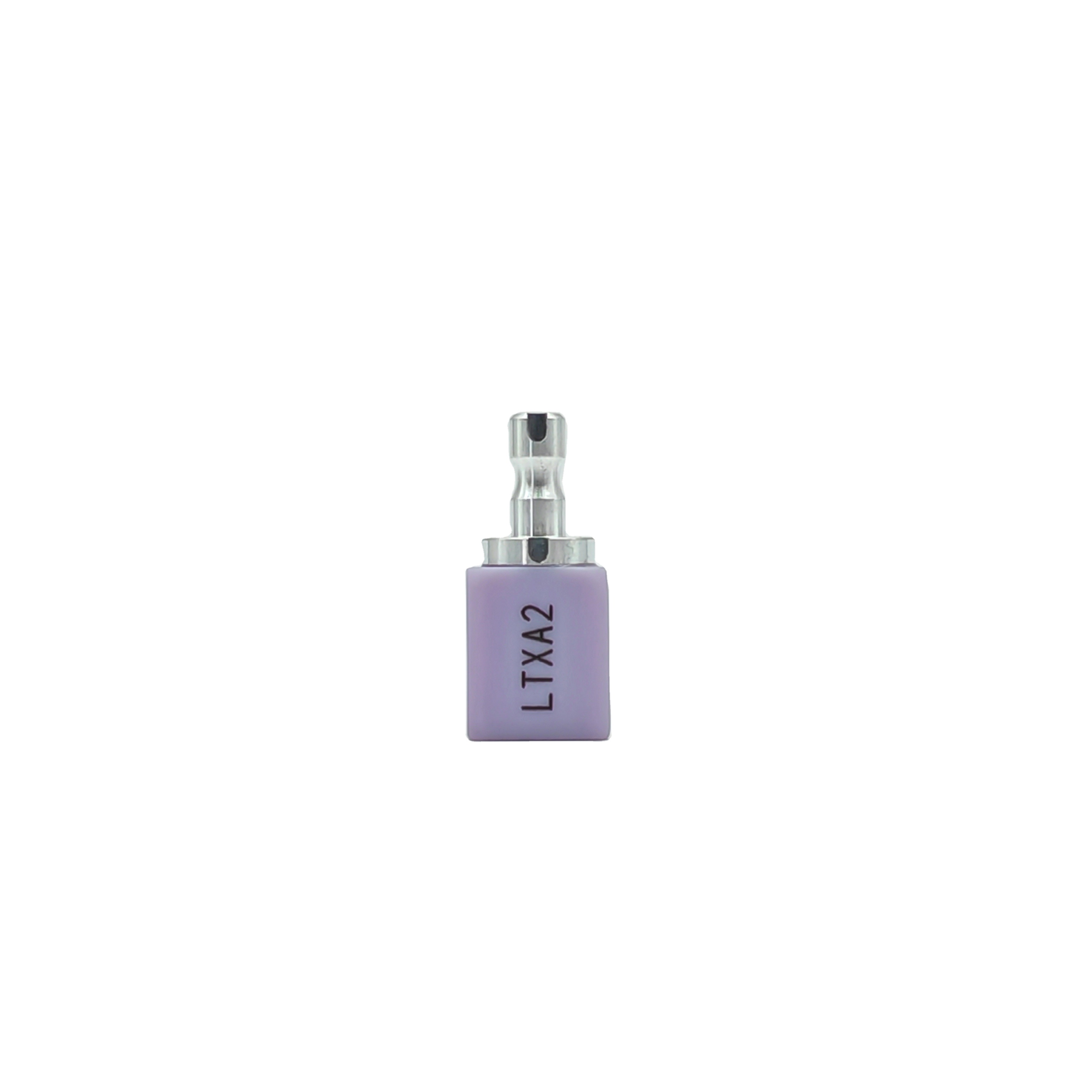
Dental lithium disilicate has become a cornerstone material in modern restorative dentistry, offering exceptional esthetics and durability for a wide range of applications. When selecting between pressing and milling techniques for dental lithium disilicate restorations, practitioners face important trade-offs in precision, efficiency, and clinical outcomes. Understanding the specific advantages and limitations of each method ensures better material selection aligned with your practice workflow, patient needs, and quality expectations. This guide explores the key differences between dental lithium disilicate press and milling applications to help you make informed decisions.
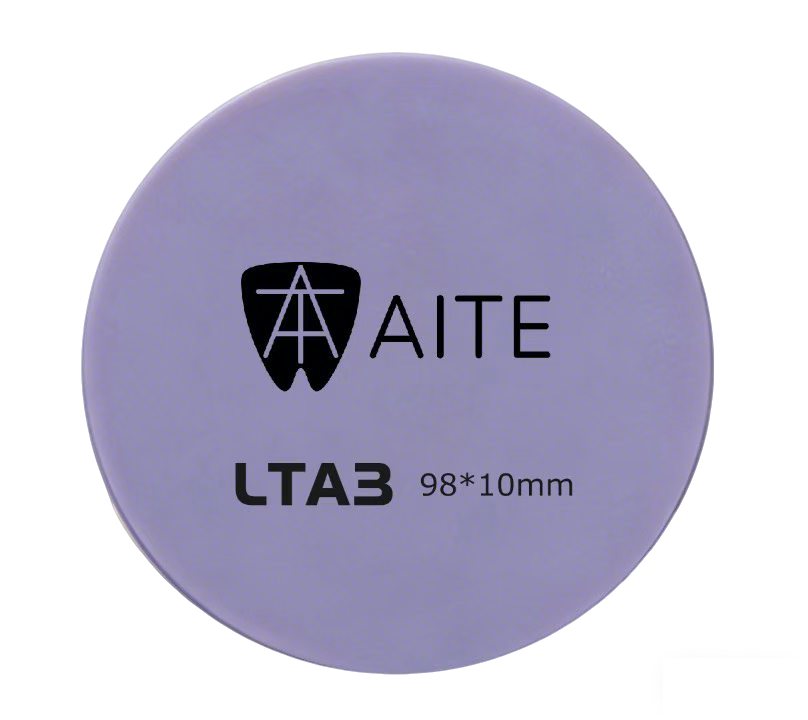
Both press and milling methods deliver high-quality dental lithium disilicate restorations, yet they differ fundamentally in equipment requirements, time investment, and technical precision. Press techniques involve heating dental lithium disilicate ingots and forcing them into refractory molds under pressure, while milling utilizes pre-fabricated dental lithium disilicate blanks machined using digital scanning and CAD/CAM technology. The choice between these approaches depends on your practice infrastructure, volume demands, and restoration complexity. Each method offers distinct clinical and operational benefits worth examining in detail.
Understanding Dental Lithium Disilicate Press Applications
The Press Technique for Dental Lithium Disilicate Restorations
The dental lithium disilicate press method involves heating dental lithium disilicate ingots to their optimal pressing temperature, typically between 1050°C and 1100°C, then directing molten material into custom refractory molds. This traditional approach to dental lithium disilicate restoration fabrication allows technicians to create highly contoured single restorations with exceptional internal fit and marginal adaptation. The dental lithium disilicate pressed restoration can be modified chairside with greater flexibility, enabling clinicians to adjust anatomy, contacts, and emergence profiles before final cementation. Pressing dental lithium disilicate ingots produces minimal material waste compared to subtractive milling methods, making this approach economically efficient for high-volume labs.
Clinical Advantages of Pressed Dental Lithium Disilicate
Pressed dental lithium disilicate restorations exhibit superior translucency and color blending compared to many milled alternatives because the material maintains its natural optical properties throughout the pressing cycle. The crystalline structure of dental lithium disilicate remains stable during pressing, ensuring consistent material strength and resistance to fracture over the restoration's lifespan. Technicians can achieve complex crown contours and anatomical refinements with dental lithium disilicate pressing that would require extensive milling time and material loss. The marginal adaptation of dental lithium disilicate pressed crowns often exceeds milled options when proper technique is employed, reducing cement washout and secondary decay risk.
Exploring Dental Lithium Disilicate Milling Capabilities
The Milling Workflow for Dental Lithium Disilicate Materials
Dental lithium disilicate milling utilizes CAD/CAM technology to mill pre-fabricated dental lithium disilicate blanks with precision-controlled spindle speeds and multi-axis cutting paths. Digital scanning of prepared teeth feeds directly into design software, enabling automatic restoration geometry calculation and mill planning for dental lithium disilicate discs or blocks. The milling process reduces dental lithium disilicate blocks to near-final anatomy in minutes, dramatically shortening lab turnaround time compared to pressing workflows. Dental lithium disilicate milling produces consistent micron-level accuracy across multiple restorations, supporting high-volume practices with repeatable quality metrics.
Operational Advantages of Milled Dental Lithium Disilicate
In-office dental lithium disilicate milling capability enables same-day delivery of single crowns, inlays, and veneers without sending cases to external labs, improving patient satisfaction and reducing interim restoration complications. Dental lithium disilicate milling eliminates pressing furnace time and refractory mold preparation, freeing lab resources and capital equipment investment for practices prioritizing speed over esthetic complexity. The predictability of CAD/CAM-milled dental lithium disilicate reduces human error during anatomical sculpting, providing consistent contact points and occlusal surfaces across all restorations. Milled dental lithium disilicate materials maintain standardized block or disc properties, eliminating batch-to-batch variation from heating cycles inherent to pressing ingots.
Direct Comparison: When to Choose Press vs. Milling for Dental Lithium Disilicate
Material Performance and Esthetic Outcomes with Dental Lithium Disilicate
Dental lithium disilicate pressed restorations generally achieve superior esthetic refinement for anterior cases requiring complex shade gradation, internal characterization, or translucency effects difficult to replicate through milling alone. However, modern dental lithium disilicate milling software increasingly incorporates multi-layer blanks with pre-manufactured shade gradients, narrowing the esthetic gap between press and milled techniques. Fracture resistance and flexural strength remain comparable between pressed and milled dental lithium disilicate materials when proper processing parameters are followed. Longevity studies show minimal clinical failure differences between dental lithium disilicate pressed and milled restorations, suggesting both methods deliver reliable functional outcomes over extended follow-up periods.
Workflow Integration and Practice Fit for Dental Lithium Disilicate Choices
Practices with established in-house milling infrastructure benefit most from expanding dental lithium disilicate milling capability, avoiding investment in additional pressing furnaces and technician training. Laboratories specializing in complex anterior esthetics and multi-unit cases often retain dental lithium disilicate pressing equipment alongside milling systems, selecting method based on individual case demands rather than committing exclusively to one technique. High-volume posterior restoration demands favor dental lithium disilicate milling for its speed, scalability, and reduced equipment footprint compared to press operations. Hybrid approaches combining dental lithium disilicate milling for routine crowns with pressing for selective high-esthetic anterior cases optimize both efficiency and clinical outcomes within resource constraints.
FAQ
Which method produces stronger dental lithium disilicate restorations, pressing or milling?
Both techniques produce dental lithium disilicate restorations with comparable fracture strength and flexural resistance when materials and processing follow established guidelines. Dental lithium disilicate pressed and milled restorations both achieve strength values exceeding 350 MPa, exceeding clinical demands for single-unit crowns and inlays. Restoration longevity depends more on preparation design, cementation technique, and occlusal balance than on whether dental lithium disilicate material was pressed or milled. Microstructural studies show minimal strength variation between dental lithium disilicate pressing and milling methods, confirming both approaches deliver durable restorations suitable for high-stress areas.
Can dental lithium disilicate restorations be adjusted after milling or pressing?
Dental lithium disilicate pressed restorations permit greater chairside adjustment and anatomy modification than milled alternatives because cooling has not fully crystallized the material structure. Pressed dental lithium disilicate can be trimmed, contoured, and reshaped using standard dental burs with minimal risk of chipping or fracture immediately after processing. Milled dental lithium disilicate reaches full crystalline hardness during manufacturing, making chairside adjustments more difficult and increasing fracture risk if aggressive trimming is attempted. Minor adjustments to milled dental lithium disilicate can be performed carefully, but major occlusal or anatomical changes typically require complete case remake rather than material modification.
What is the cost difference between dental lithium disilicate pressing and milling?
Dental lithium disilicate pressing generally carries lower material costs per restoration since ingots are less expensive than prefabricated milling blanks and pressing creates minimal waste. Dental lithium disilicate milling requires significant capital investment in equipment but offers faster production cycles that reduce per-unit labor costs in high-volume settings. Small practices or those handling primarily esthetic anterior cases may find dental lithium disilicate pressing more economical, while high-volume operations and in-office milling centers benefit from the efficiency gains of milling despite higher material costs. Total cost analysis for dental lithium disilicate restorations must factor equipment amortization, technician labor allocation, and patient volume when comparing press versus milling economics.