
 EN
Selecting the right sintering furnace is one of the most critical decisions in a dental laboratory or manufacturing facility. The sintering furnace you choose directly impacts the quality, consistency, and efficiency of your dental lithium disilicate glass-ceramic restorations. Whether you are upgrading equipment or establishing a new production line, understanding the key factors that define an effective sintering furnace will help you make an informed investment that aligns with your clinical and business objectives.
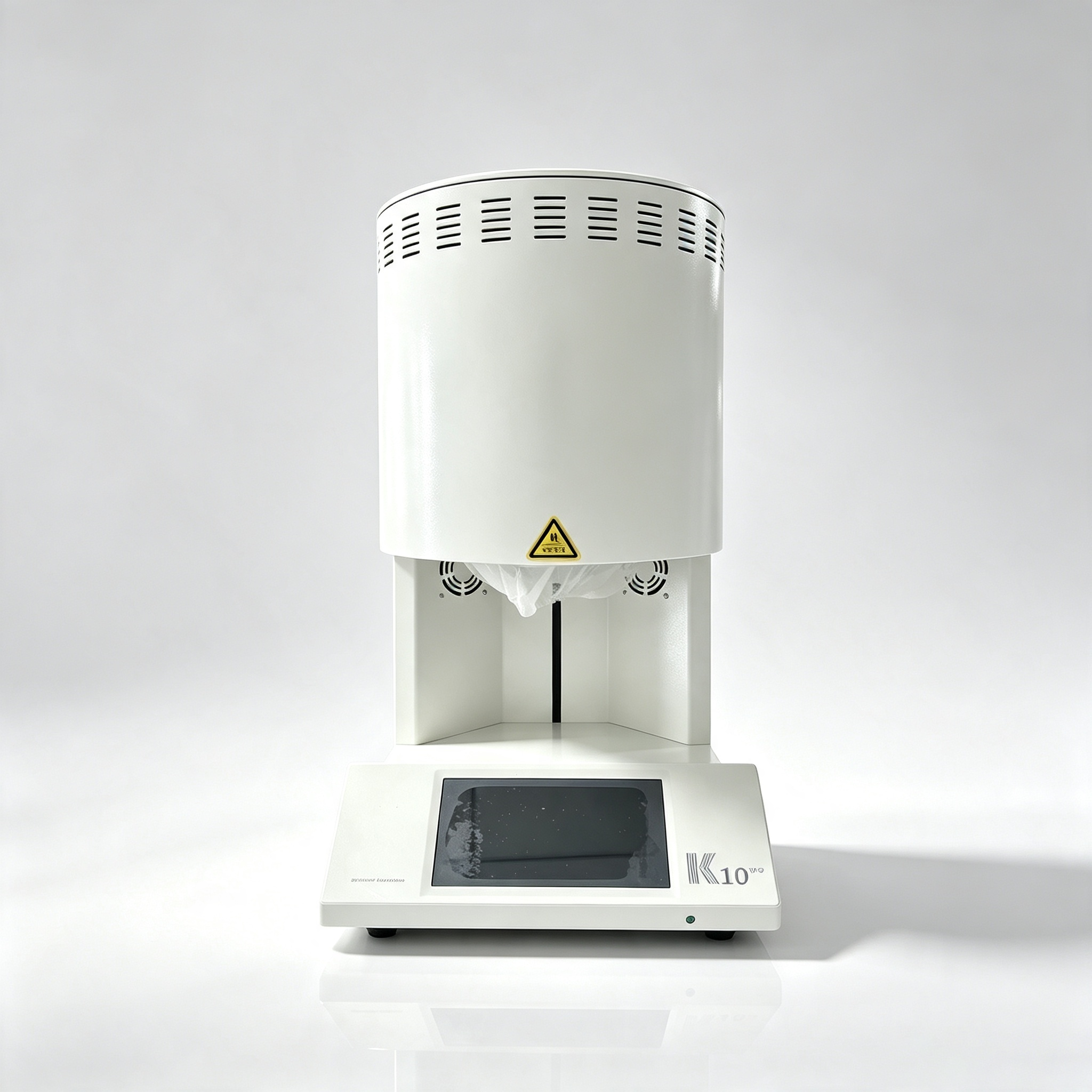
A high-quality sintering furnace must deliver precise temperature control, uniform heat distribution, and reliable performance across multiple firing cycles. For dental professionals working with lithium disilicate materials, the sintering furnace becomes the foundation of predictable outcomes, shade stability, and strength development. This guide walks you through the essential considerations, technical specifications, and practical factors that should guide your sintering furnace selection process.
Temperature Control and Heating Accuracy
Precision as a Foundation for Quality
The core function of any sintering furnace is to achieve and maintain precise temperatures within very tight tolerances. Lithium disilicate glass-ceramic materials require specific thermal profiles to develop optimal crystalline structure and mechanical properties. A premium sintering furnace incorporates advanced temperature sensors, proportional heating elements, and microprocessor-controlled logic to ensure that firing temperatures remain stable throughout the cycle. Inconsistent heating or temperature drift will compromise shade accuracy, translucency, and final restoration strength, making temperature precision non-negotiable for any serious dental operation.
Heating Rate and Cooling Cycle Control
Beyond steady-state temperature, the sintering furnace must also control how quickly the material reaches target temperature and how it cools afterward. Rapid heating or uncontrolled cooling can introduce internal stresses, micro-fractures, and color shifts in dental ceramics. An optimized sintering furnace allows you to program custom heating rates, holding times, and controlled cooling phases. This programmatic flexibility is especially important when working with complex anatomical shapes or when you need to adjust firing parameters for different material batches or clinical indications.
Chamber Design and Heat Distribution
Uniform Chamber Environment
The physical design of the sintering furnace chamber significantly affects how evenly heat reaches every restoration during firing. A well-designed sintering furnace uses reflective chamber walls, optimized element placement, and sometimes forced-air circulation to ensure that temperature variation across the chamber does not exceed one to two degrees Celsius. Uneven heat distribution creates color banding, glazing defects, and inconsistent material properties across your batch. When evaluating a sintering furnace, verify the chamber dimensions, insulation quality, and whether the manufacturer provides documented temperature mapping data showing uniformity across the firing zone.
Crucible and Shelf Compatibility
The sintering furnace must accommodate the specific crucibles, stands, or firing shelves recommended for your material system. Lithium disilicate firing trays and dedicated ceramic supports are engineered to withstand repeated thermal cycling while minimizing thermal shock and contamination. Ensure that your chosen sintering furnace accepts standard industry-compatible components and that replacement materials are readily available. This compatibility directly affects your operational continuity and long-term cost of ownership.
Program Memory and User Interface
Programmable Firing Profiles
Modern dental operations rely on a sintering furnace that stores multiple firing programs and allows technicians to switch between them with minimal complexity. A user-friendly sintering furnace includes a clear digital interface, intuitive menu navigation, and the ability to save custom profiles for different material brands, anatomical geometries, or staining techniques. Look for a sintering furnace with at least twenty to fifty program slots and a display screen large enough to read from a distance. Overly complicated interfaces reduce staff efficiency and increase the risk of parameter errors that compromise restoration quality.
Data Logging and Quality Tracking
A professional-grade sintering furnace often includes data logging features that record actual firing temperatures, times, and cycle completion status. This traceability is invaluable for quality assurance, troubleshooting, and regulatory compliance in regulated environments. Some sintering furnace models offer connectivity options for exporting logs or integrating with laboratory management software. Data-driven records help you identify trends, correlate firing parameters with quality outcomes, and provide documented evidence of process control to your customers or auditors.
Durability, Maintenance, and Total Cost of Ownership
Build Quality and Component Longevity
A reliable sintering furnace represents a significant capital investment, and your choice should reflect expected service life and maintenance demands. Premium models use high-grade heating elements rated for thousands of cycles, durable insulation materials that resist thermal degradation, and robust electrical components designed for consistent duty cycles. When comparing sintering furnace options, ask manufacturers about typical element lifespan, warranty coverage, and the availability of replacement parts. A sintering furnace with poor long-term durability will cost significantly more over its operational life, even if the initial purchase price is lower.
Service Support and Spare Parts Availability
The sintering furnace you select should come from a manufacturer or authorized distributor that maintains local service capabilities and keeps spare parts in stock. Unexpected downtime due to element failure or control board malfunction directly impacts your laboratory's productivity and revenue. Choose a sintering furnace vendor that offers responsive technical support, clear documentation, and reasonable lead times for maintenance parts. Some sintering furnace providers offer preventive maintenance programs or extended warranties that can reduce long-term operational risk and give you predictable service costs.
Material Compatibility and Firing Range
Lithium Disilicate Optimization
While a sintering furnace may be capable of firing many ceramic types, you should prioritize models specifically optimized for lithium disilicate glass-ceramic materials. The ideal sintering furnace for dental use offers a temperature range that covers the complete firing profile for lithium disilicate, typically between 850 and 1050 degrees Celsius, with precise control throughout that range. A sintering furnace designed with this material in mind will have heating elements, insulation, and cooling systems calibrated for the thermal mass and response characteristics of lithium disilicate crowns, veneers, and inlays.
Flexibility for Multiple Material Systems
As your dental laboratory evolves, you may need to work with zirconia, fluorapatite, or other advanced ceramics alongside lithium disilicate. A versatile sintering furnace that can accommodate a broader temperature and time range offers future-proofing value. However, avoid choosing a generic industrial sintering furnace that lacks the precision and stability needed for high-value dental restorations. The best sintering furnace strikes a balance between specialized dental optimization and reasonable flexibility for emerging material systems.
FAQ
What temperature range should a sintering furnace maintain for lithium disilicate?
A sintering furnace intended for dental lithium disilicate materials should maintain a working temperature range of approximately 850 to 1050 degrees Celsius, with the ability to hold precise setpoints within this band. Most lithium disilicate firing protocols specify a peak temperature between 920 and 1000 degrees Celsius, depending on the specific material brand and desired final properties. Your sintering furnace should be able to reach these temperatures reliably and hold them within plus or minus two to three degrees for optimal crystal development and mechanical strength.
How often do heating elements in a dental sintering furnace need replacement?
The lifespan of heating elements in a sintering furnace depends on firing frequency, peak temperatures reached, and the quality of the elements themselves. In a typical busy dental laboratory running fifty to one hundred firing cycles per week, high-quality heating elements may last between two and five years. A professional-grade sintering furnace from a reputable manufacturer will clearly document expected element life and provide access to replacements. Monitoring firing logs and maintaining consistent parameters will help extend the service life of your sintering furnace heating elements and reduce unexpected downtime.
Can a sintering furnace be used for materials other than lithium disilicate?
Many modern sintering furnace models offer sufficient temperature range and control flexibility to accommodate multiple ceramic systems, including zirconia pre-sintering, feldspathic porcelain, and other glass-ceramics. However, a sintering furnace optimized specifically for lithium disilicate firing may not be the ideal choice for every alternative material. Before committing to a particular sintering furnace, verify that it can deliver the temperature accuracy, heating rates, and cooling cycles required by any materials you plan to use beyond lithium disilicate, ensuring your equipment investment remains valuable as your material palette expands.