
 EN
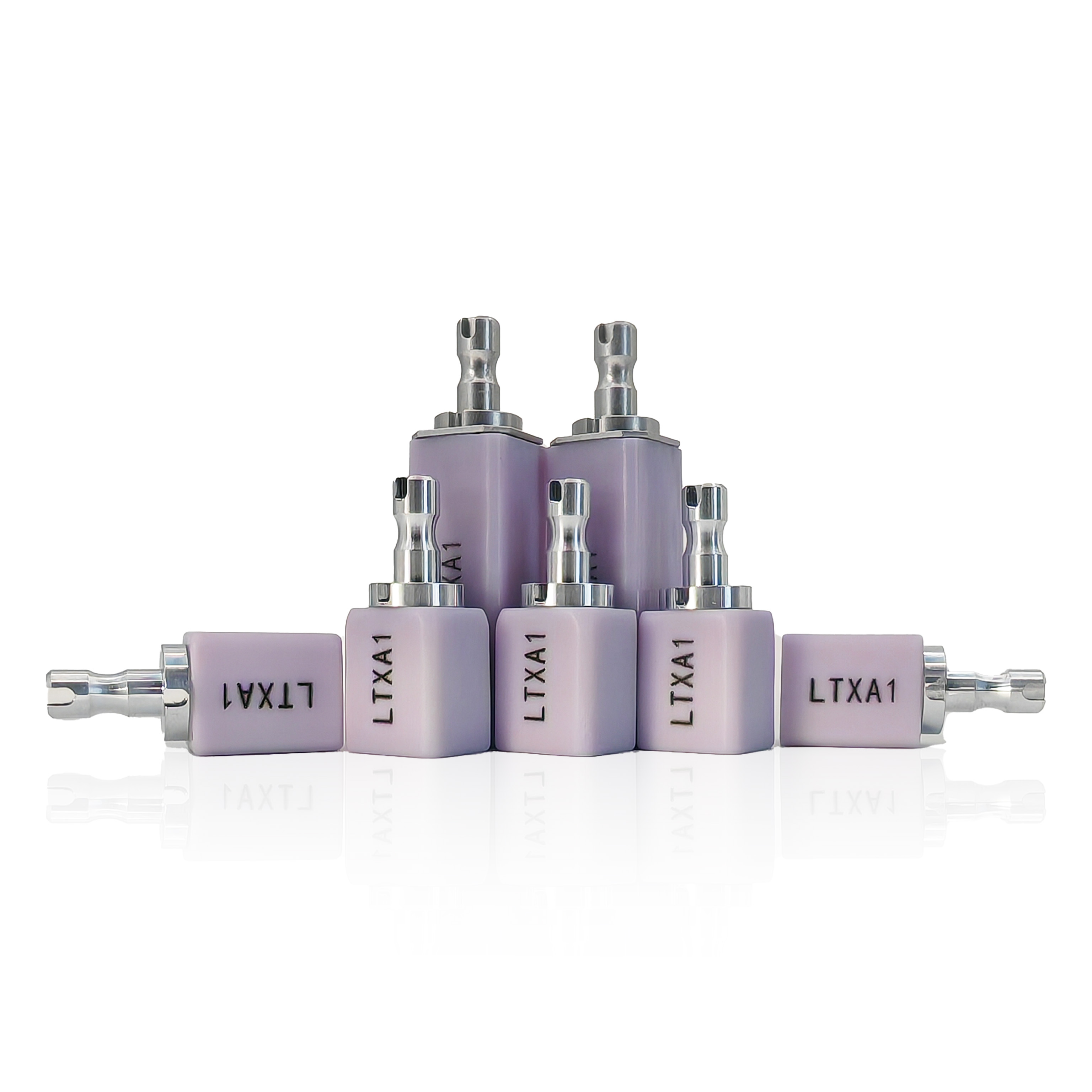
Selecting the right porcelain furnaces is critical for dental laboratories aiming to produce high-quality lithium disilicate restorations consistently. Porcelain furnaces designed specifically for dental applications must deliver precise temperature control, reliable performance, and user-friendly operation. The choice of porcelain furnaces directly impacts the strength, color accuracy, and overall aesthetic quality of dental crowns, veneers, and bridges. Understanding the essential features that distinguish premium porcelain furnaces from basic models helps laboratory managers make informed investment decisions and optimize production workflows.
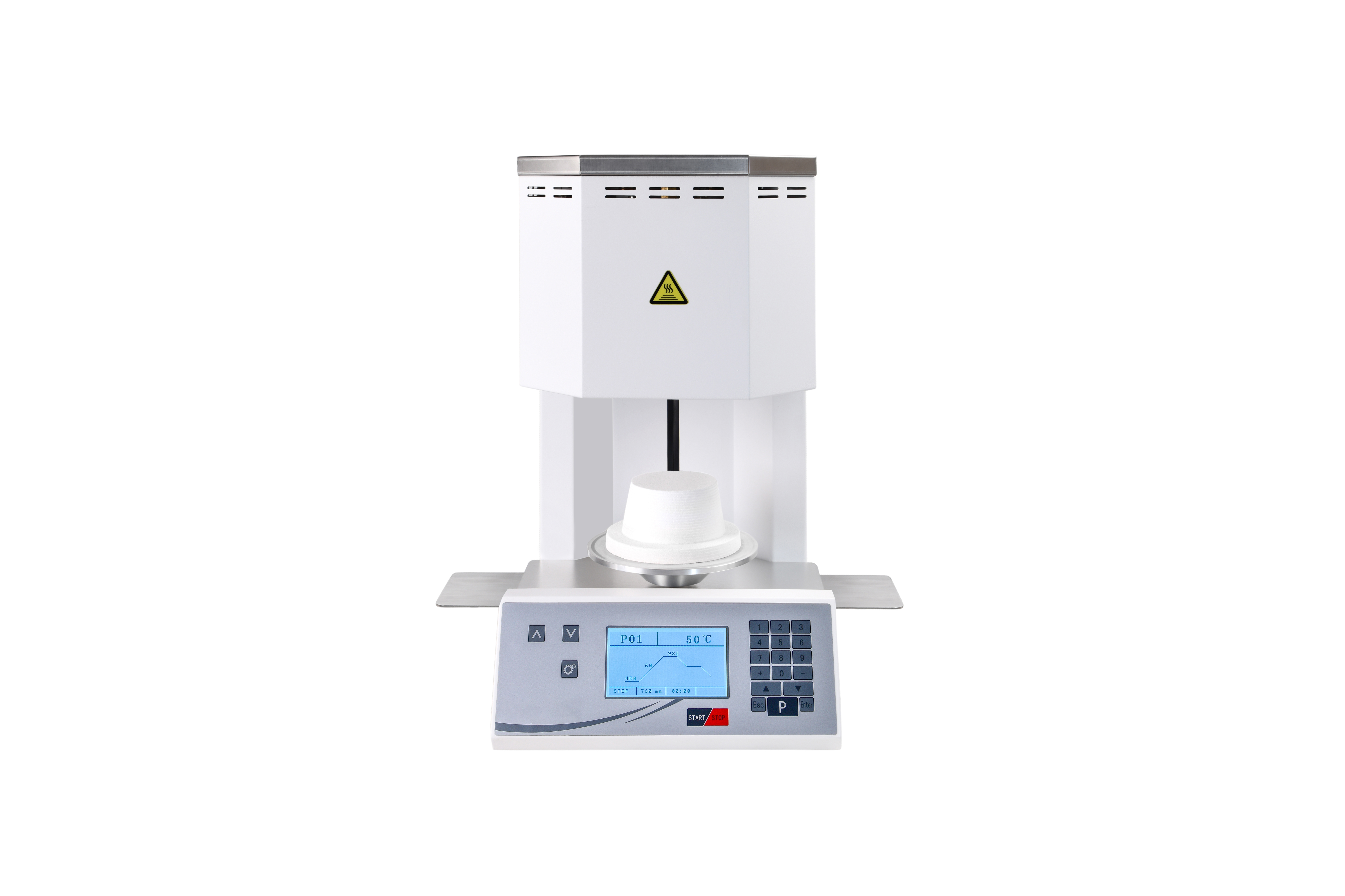
Modern porcelain furnaces have evolved substantially over the past decade, incorporating advanced heating technologies and digital controls that elevate clinical outcomes. Dental professionals recognize that investing in superior porcelain furnaces reduces material waste, minimizes failed restorations, and accelerates turnaround times. This guide explores the key features that define effective porcelain furnaces for lithium disilicate processing, helping you evaluate options against your laboratory's specific requirements and production volume.
Precision Temperature Control in Porcelain Furnaces
Digital Temperature Regulation Systems
Reliable porcelain furnaces must feature sophisticated digital temperature regulation that maintains accuracy within plus or minus two degrees Celsius throughout the firing cycle. Lithium disilicate processing demands exact thermal profiles to achieve optimal crystallization and material properties. Porcelain furnaces equipped with multiple heating zones allow independent temperature management, preventing hot spots and ensuring uniform firing across the chamber. This zone-based approach is especially valuable when firing multiple restorations simultaneously, as porcelain furnaces can accommodate varied piece sizes without compromising individual results.
Programmable Firing Profiles
Advanced porcelain furnaces include built-in memory for storing custom firing protocols tailored to specific material formulations and restoration types. Top-tier porcelain furnaces allow technicians to program ramp rates, holding temperatures, and cooling schedules with granular precision. This programmability ensures reproducibility and eliminates guesswork, meaning each batch fired in your porcelain furnaces achieves consistent outcomes. Many modern porcelain furnaces feature touch-screen interfaces that display real-time temperature curves, enabling operators to monitor firing progress and make adjustments when necessary.
Heating Technology and Chamber Design
Advanced Heating Element Materials
Quality porcelain furnaces utilize silicon carbide or molybdenum disilicide heating elements engineered to withstand repeated thermal cycling without degradation. These premium heating materials extend the operational lifespan of porcelain furnaces and maintain consistent heating performance over thousands of firing cycles. The chamber insulation in professional-grade porcelain furnaces typically includes high-density ceramic fiber that minimizes heat loss and reduces energy consumption. Superior insulation also protects the external cabinet from excessive heat, improving laboratory safety and comfort.
Uniform Heat Distribution
Effective porcelain furnaces distribute heat evenly throughout the firing chamber to eliminate temperature gradients that cause uneven crystallization. Many porcelain furnaces employ circulation systems or specially designed heating element arrangements that promote convective air movement. This uniform distribution is particularly important for porcelain furnaces processing multiple restorations, as variations in local temperature can result in color mismatches or dimensional inconsistencies. Advanced porcelain furnaces may feature radiant heat reflection systems that further enhance temperature homogeneity and firing predictability.
Reliability, Safety, and Operational Features
Vacuum and Pressure Options
Premium porcelain furnaces often include optional vacuum or low-pressure firing capabilities, which significantly enhance material properties and aesthetic outcomes. Porcelain furnaces equipped with vacuum functionality eliminate gas inclusions that compromise restoration longevity and appearance. Vacuum-capable porcelain furnaces demand robust construction, reliable pump systems, and precise pressure monitoring to ensure safe operation. For laboratories handling high-end restorative cases, porcelain furnaces with vacuum options justify the additional investment through superior material density and aesthetic precision.
Safety Systems and Fault Detection
Dependable porcelain furnaces incorporate multiple safety features including overheat protection, power failure recovery, and automated shutdown mechanisms. Modern porcelain furnaces display diagnostic alerts that notify operators of potential issues such as heating element degradation or chamber pressure irregularities. Real-time error detection in quality porcelain furnaces prevents firing disasters and protects material investments. Additionally, porcelain furnaces should feature emergency cooling protocols and heat-resistant door designs that safeguard laboratory personnel from accidental burns or equipment damage.
Ease of Maintenance and Longevity
Practical porcelain furnaces feature removable chamber components and accessible heating elements that simplify routine maintenance and element replacement. The best porcelain furnaces incorporate self-cleaning cycles or easy-access chamber designs that reduce downtime and extend equipment lifespan. Manufacturer support, including readily available spare parts and technical documentation, significantly impacts the total cost of ownership for porcelain furnaces. Laboratories should prioritize porcelain furnaces backed by responsive customer service and comprehensive warranty coverage to minimize production interruptions.
FAQ
What is the ideal heating rate for porcelain furnaces firing lithium disilicate?
Most dental porcelain furnaces should maintain heating rates between 40 and 60 degrees Celsius per minute during the ramp phase, allowing material molecules to realign gradually. Porcelain furnaces operating at excessively fast heating rates risk thermal shock and internal stress development. The exact optimal rate depends on restoration thickness and material formulation, which is why programmable porcelain furnaces that accommodate customized profiles are highly valuable. Consulting manufacturer specifications and material data sheets ensures your porcelain furnaces operate within recommended parameters.
How often should porcelain furnaces undergo maintenance and calibration?
Professional-grade porcelain furnaces typically require temperature calibration annually and chamber inspection every six months, though usage frequency influences these intervals. Porcelain furnaces used for daily production should receive more frequent preventive maintenance to sustain accuracy and longevity. Many laboratories schedule quarterly inspections of porcelain furnaces to identify potential heating element wear before performance degradation occurs. Regular maintenance protocols for porcelain furnaces reduce unexpected failures and preserve the consistency of your restoration quality over time.
Can porcelain furnaces be used for materials other than lithium disilicate?
Yes, versatile porcelain furnaces are compatible with various ceramic materials including feldspar porcelain, zirconia, alumina, and glass-ceramic formulations. Multi-purpose porcelain furnaces with adjustable temperature ranges accommodate different material processing requirements, maximizing equipment utility. However, each material type may demand specific firing profiles, so porcelain furnaces with robust programmability offer greatest flexibility for diverse laboratory workflows. Confirming material compatibility before purchasing porcelain furnaces ensures your equipment investment serves your full range of restoration types and future growth opportunities.