
 EN
Selecting the right sintering furnace is a critical investment decision for dental laboratories and manufacturing facilities that work with advanced ceramic materials. A sintering furnace represents a significant capital expenditure, and choosing poorly can lead to production delays, material waste, inconsistent results, and operational inefficiency. Whether you are upgrading from older equipment or establishing a new laboratory, understanding how to evaluate a sintering furnace ensures you invest in technology that aligns with your production volume, material specifications, and quality standards.
The process of choosing a sintering furnace requires balancing multiple factors including chamber capacity, heating rate capability, temperature uniformity, cooling speed, energy consumption, and software control systems. Different laboratories have different operational demands, and a sintering furnace that works well for one facility may be inadequate for another. This guide walks through the essential evaluation criteria to help you select a sintering furnace that delivers reliable performance, meets your material processing requirements, and provides long-term value.
Understanding Core Performance Specifications
Chamber Capacity and Throughput Requirements
The chamber size of your sintering furnace directly determines how many parts you can process in each cycle. For dental laboratories processing zirconia crowns and bridges, a sintering furnace with inadequate chamber volume forces you to run multiple cycles, reducing daily output and increasing operational costs. Evaluate your current production volume and project growth over the next three to five years. A sintering furnace with modular tray systems allows flexible loading configurations, helping you optimize capacity utilization whether you are sintering small batches or maximum loads.
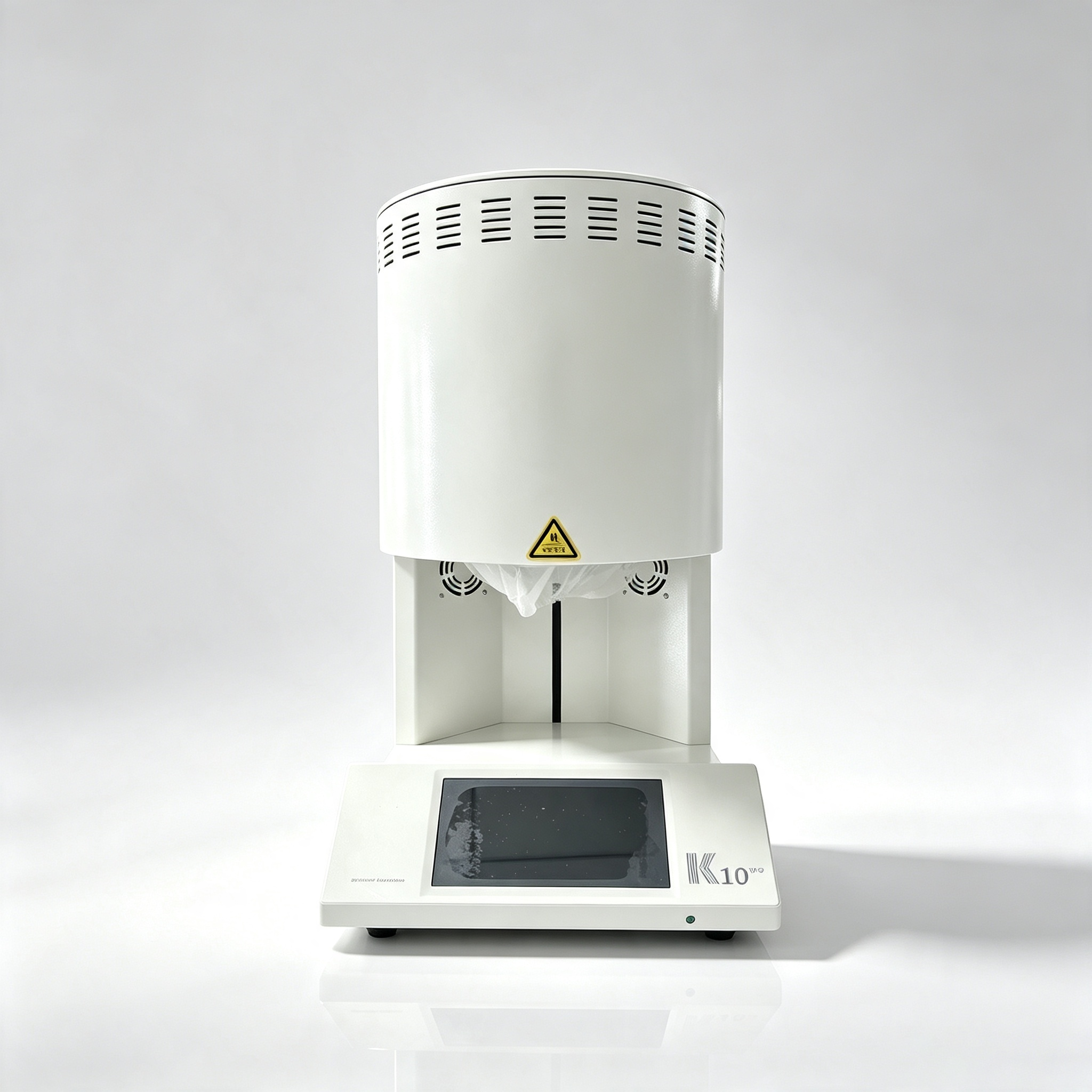
Consider whether your facility requires a compact sintering furnace for limited space or a larger chamber for high-volume production. The footprint of a sintering furnace impacts laboratory layout and workflow efficiency. Many modern sintering furnace designs balance practical dimensions with expanded internal chamber volume, ensuring you gain capacity without sacrificing floor space.
Temperature Range and Material Compatibility
Different materials require specific sintering temperatures and thermal profiles. When selecting a sintering furnace, verify that its maximum temperature capability exceeds your highest material requirement by a comfortable margin, typically 100–150 degrees Celsius above your peak processing temperature. A sintering furnace designed for zirconia sintering operates at temperatures between 1400 and 1600 degrees Celsius, while other advanced ceramics may demand higher or specialized thermal conditions.
Temperature uniformity across the chamber is equally important. An inferior sintering furnace with uneven heating produces parts with variable density and strength, compromising quality. Evaluate whether the sintering furnace uses multiple heating elements, advanced insulation, and air circulation systems to maintain consistent thermal distribution throughout the chamber during every cycle.
Evaluating Thermal Control and Efficiency
Heating Rate and Cooling Capabilities
The heating rate of a sintering furnace affects cycle time and production throughput. Faster heating reduces total cycle duration, allowing more parts to be sintered daily. However, some materials benefit from slower heating ramps to minimize thermal stress and prevent defects. A flexible sintering furnace with programmable heating profiles lets you optimize thermal schedules for different materials and part geometries, balancing speed with quality outcomes.
Cooling speed is equally critical. A sintering furnace with rapid cooling capabilities reduces total processing time and allows faster part removal, minimizing heat damage to surrounding equipment and reducing laboratory safety risks. Advanced sintering furnace models feature forced air cooling or passive cooling options, giving you control over cooling protocols based on material specifications.
Energy Efficiency and Operating Costs
The energy consumption of a sintering furnace directly impacts your monthly operating expenses. Modern sintering furnace technology incorporates superior insulation, efficient heating element design, and intelligent power management to minimize electricity usage while maintaining precise temperature control. When comparing two sintering furnace options with similar performance, the model with lower energy consumption delivers better long-term financial returns.
Request energy consumption specifications and calculate estimated monthly electricity costs for each sintering furnace candidate. A sintering furnace that consumes 25 percent less power than an alternative option can justify a modest price premium through operational savings over five years. Additionally, some sintering furnace models qualify for energy efficiency incentives or rebates, further improving total cost of ownership.
Software, Automation, and Reliability Features
Control Systems and Programmable Profiles
A sintering furnace with sophisticated software control allows you to program and save custom thermal profiles for different materials and part types. This programmability ensures repeatability and consistency across production batches. Verify that the sintering furnace software displays real-time temperature data, alerts you to deviations, and maintains historical logs for quality documentation and process verification.
User interface quality matters significantly. A sintering furnace with an intuitive touchscreen or web-based control system reduces operator training time and minimizes errors. Remote monitoring capabilities on advanced sintering furnace models allow you to track furnace status, review temperature profiles, and receive maintenance alerts from your office or mobile device, improving operational oversight and response times.
Durability, Maintenance, and Technical Support
The reliability of a sintering furnace determines uptime and production consistency. Examine the build quality, heating element type, and materials used in the chamber and insulation. A premium sintering furnace constructed from high-quality refractory materials and durable heating elements typically requires less frequent maintenance and delivers longer operational life than budget alternatives. Ask manufacturers about expected heating element lifespan and replacement costs for your candidate sintering furnace models.
Technical support quality is essential. Confirm that the sintering furnace manufacturer provides responsive customer support, maintains spare parts inventory, and offers clear troubleshooting guidance. A sintering furnace with robust warranty coverage, including heating element protection and control system guarantees, provides additional peace of mind and reduces unexpected repair expenses.
FAQ
What is the typical lifespan of a sintering furnace?
A well-maintained sintering furnace typically operates for eight to twelve years before major component replacement becomes necessary. Heating elements generally require replacement every three to five years depending on usage intensity and thermal cycling frequency. Regular maintenance including chamber cleaning, calibration checks, and element inspection extends the operational lifespan of your sintering furnace and prevents premature failures.
Can I use the same sintering furnace for different ceramic materials?
Yes, a modern sintering furnace designed for dental applications can process multiple ceramic materials including zirconia, alumina, and glass-reinforced materials, provided the maximum temperature capability exceeds each material's requirement. However, verify that the sintering furnace software supports programmable profiles for different thermal schedules, ensuring optimal results for each material type and preventing quality inconsistencies.
What factors most affect sintering furnace price?
The primary price drivers for a sintering furnace are chamber capacity, maximum temperature rating, control system sophistication, heating rate capability, and warranty coverage. A high-capacity sintering furnace with advanced software controls and rapid heating capability commands a premium price compared to basic models, but the investment often returns through improved productivity and reduced per-unit processing costs over time.